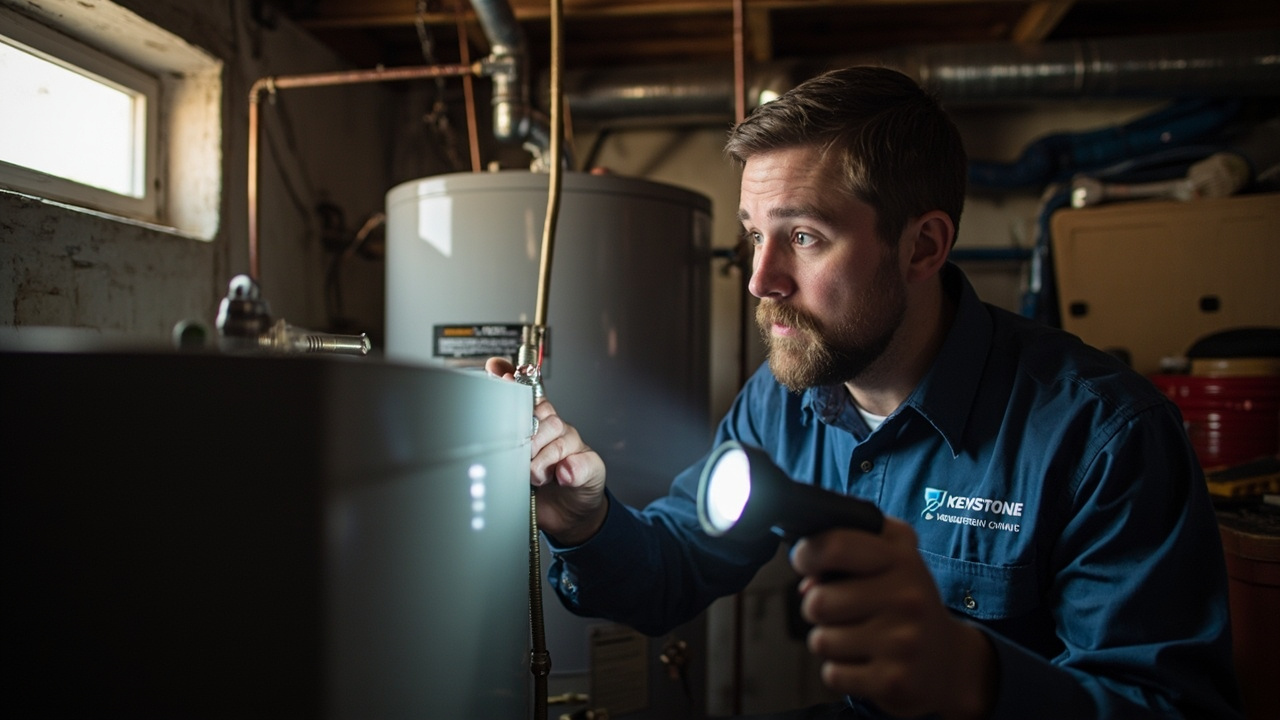
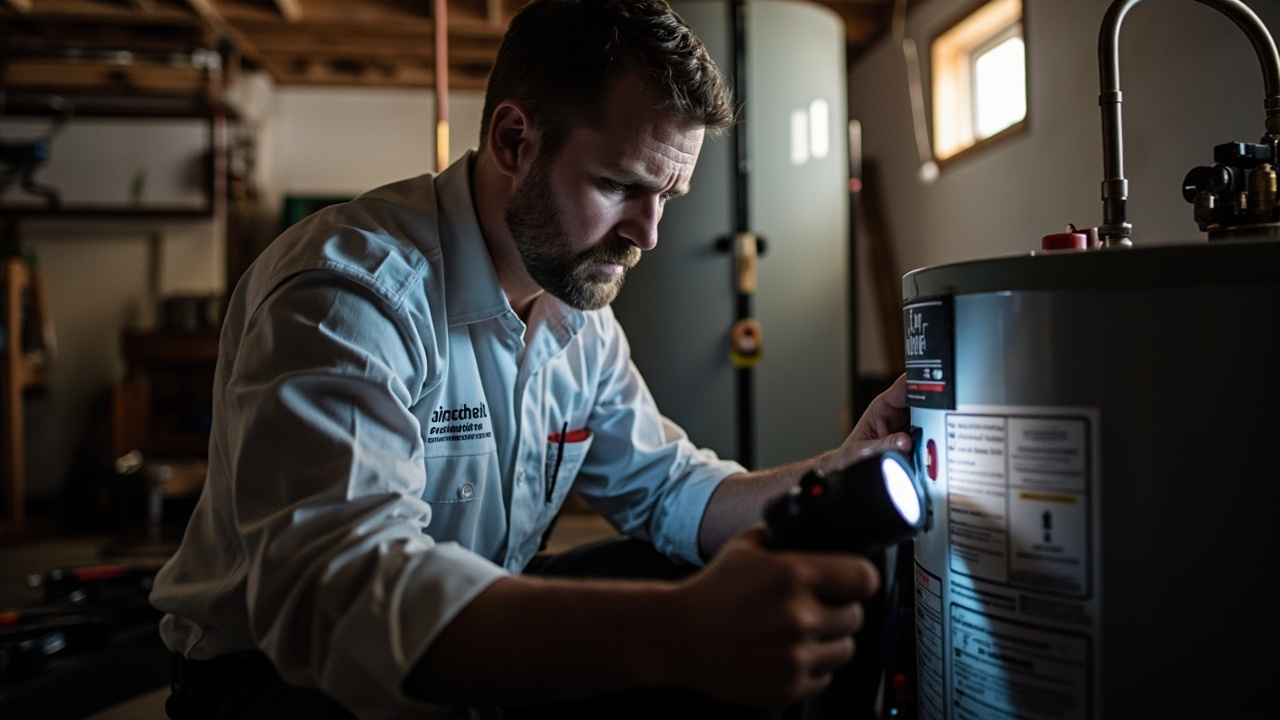
Many Cincinnati neighborhoods developed between 1920 and 1960, which means underground infrastructure is reaching the end of its design life. Clay sewer pipes installed 70 to 100 years ago now have root intrusion, joint separation, and structural cracks. Galvanized steel supply lines corrode from the inside, reducing water pressure and contaminating water with rust particles. Professional plumbers encounter these aging systems daily across neighborhoods from Northside to Mariemont. Understanding which pipe materials were standard during different construction eras helps us predict failure points and recommend proactive replacements before emergencies occur. The Greater Cincinnati Water Works maintains the mains, but the lines from the street to your house are your responsibility.
Cincinnati enforces Ohio Plumbing Code with local amendments specific to our combined sewer districts and flood-prone areas near the Mill Creek and Little Miami River watersheds. Backflow prevention requirements, sump pump discharge regulations, and permit thresholds differ from surrounding counties. Working with local plumbers who pull permits regularly and maintain relationships with city inspectors means your project meets current code without delays or failed inspections. We stay current on code changes through continuing education and inspector feedback, so installations pass the first time. This local knowledge protects your investment and ensures work is legal if you sell the property later.