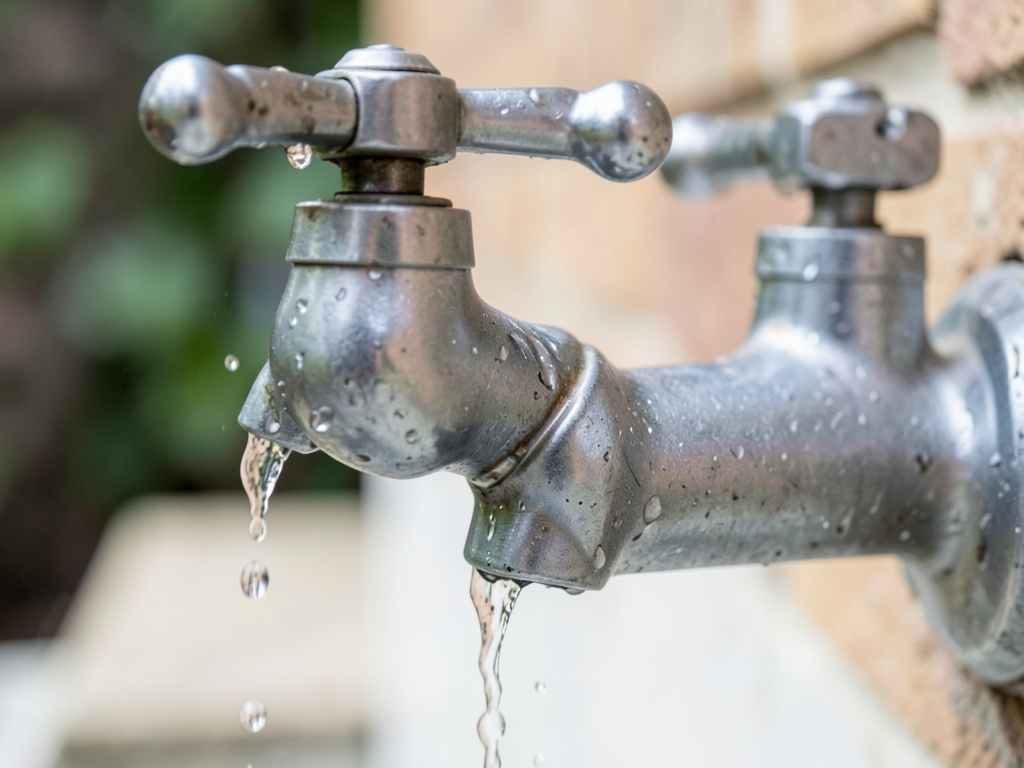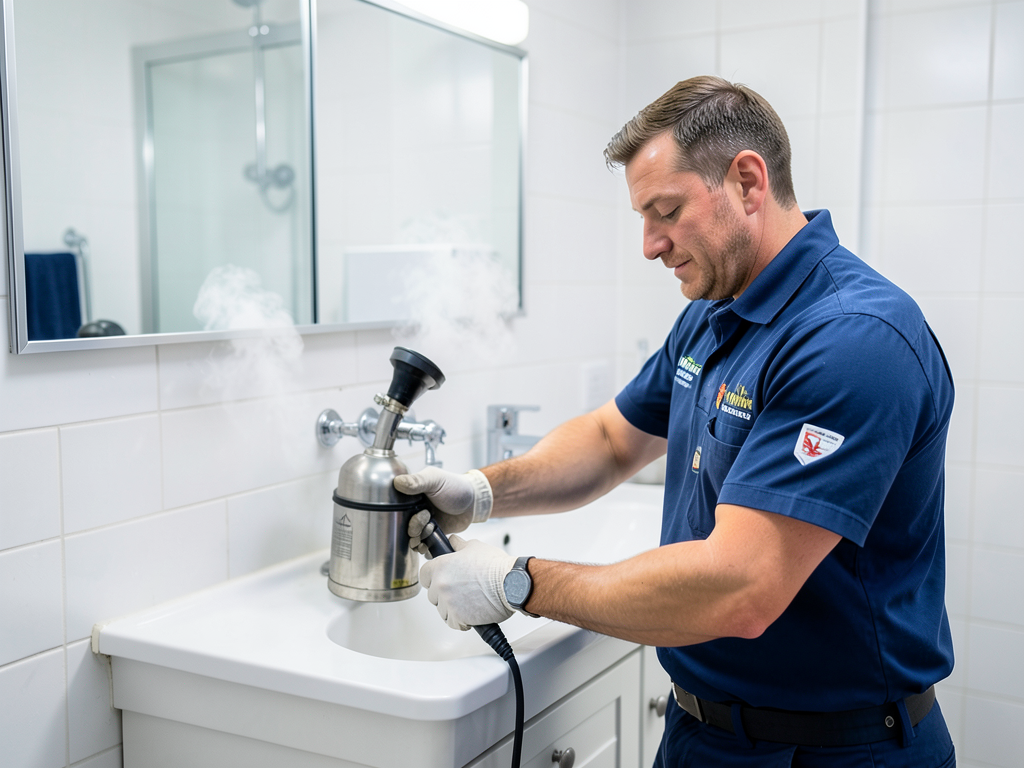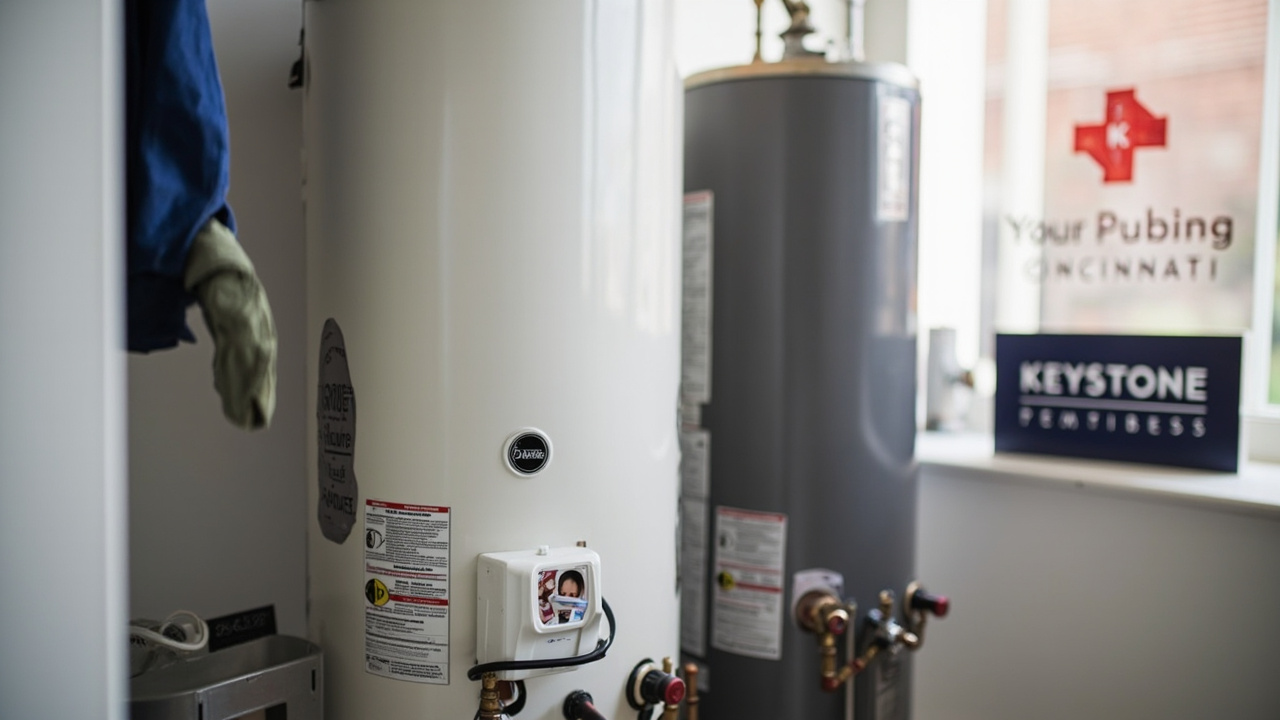
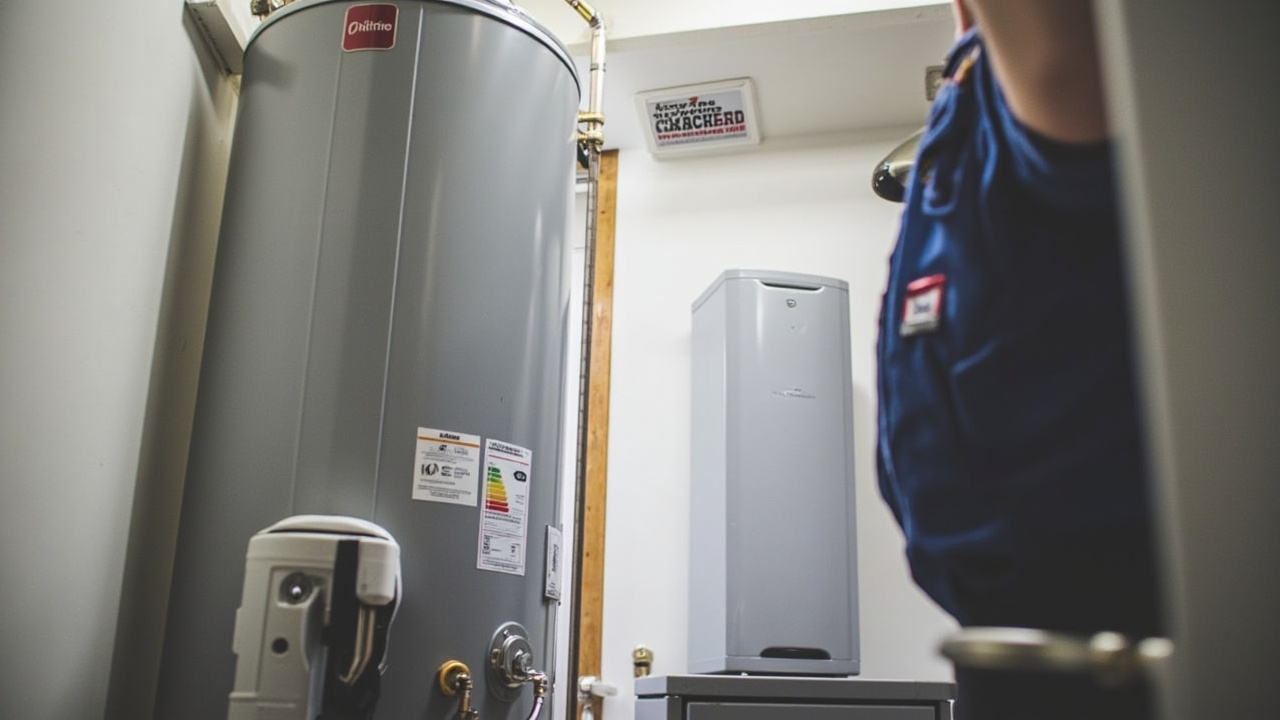
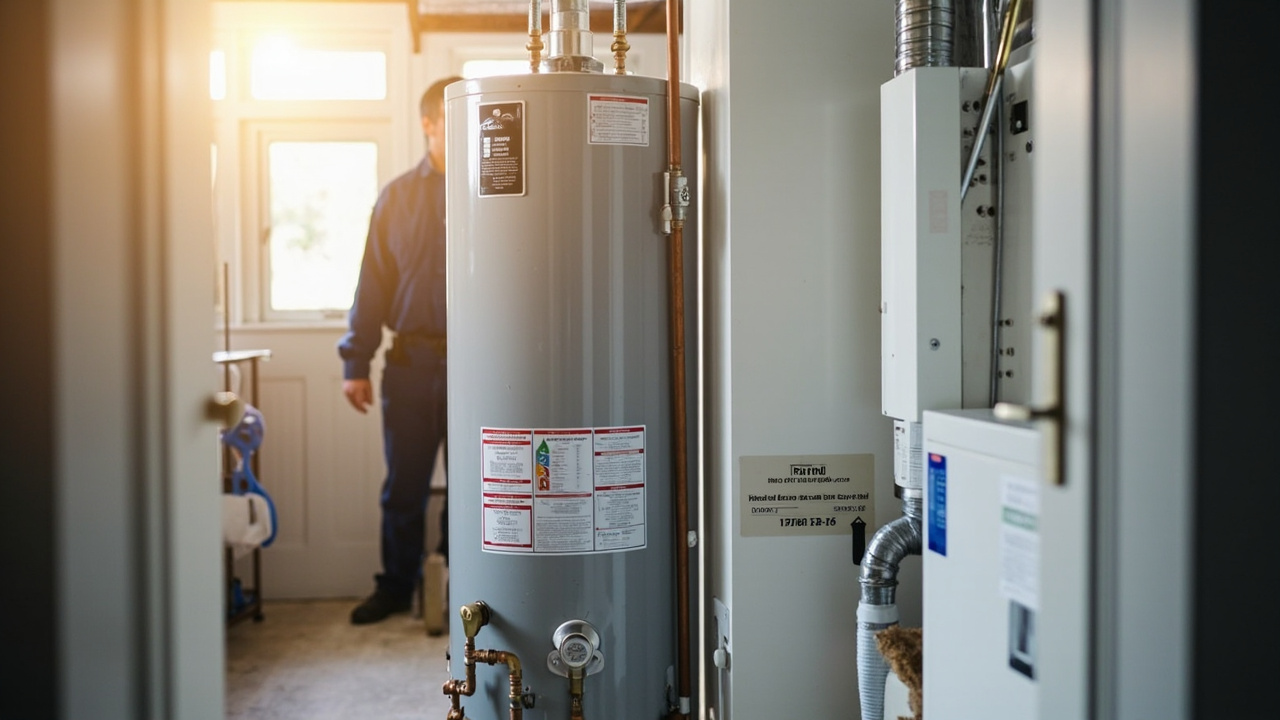
Cincinnati's water supply comes from the Ohio River and carries dissolved calcium and magnesium from the limestone bedrock throughout the Miami Valley. Hard water accelerates sediment buildup in tank heaters and scale formation in tankless heat exchangers. A tank heater in Cincinnati may lose 30 percent of its efficiency within five years if you do not flush it annually. A tankless system can clog within two years without professional descaling. Homes in older neighborhoods like Northside, Walnut Hills, and East Price Hill often have galvanized steel pipes that add rust and particulate to the water, compounding the problem. Choosing a water heater in Cincinnati means planning for aggressive maintenance or accepting shorter equipment life.
Many Cincinnati homes were built before 1960 and have electrical panels rated for 100 amps or less. Installing a whole-house tankless water heater often requires a panel upgrade to 200 amps, which adds significant cost and complexity. Homes in historic districts face additional permitting requirements and restrictions on exterior venting that limit where you can install a tankless unit. Local plumbers who work in these neighborhoods daily understand the constraints and know how to navigate them. Choosing a provider with local experience means you avoid costly surprises and get a system that actually fits your home's infrastructure and your neighborhood's requirements.