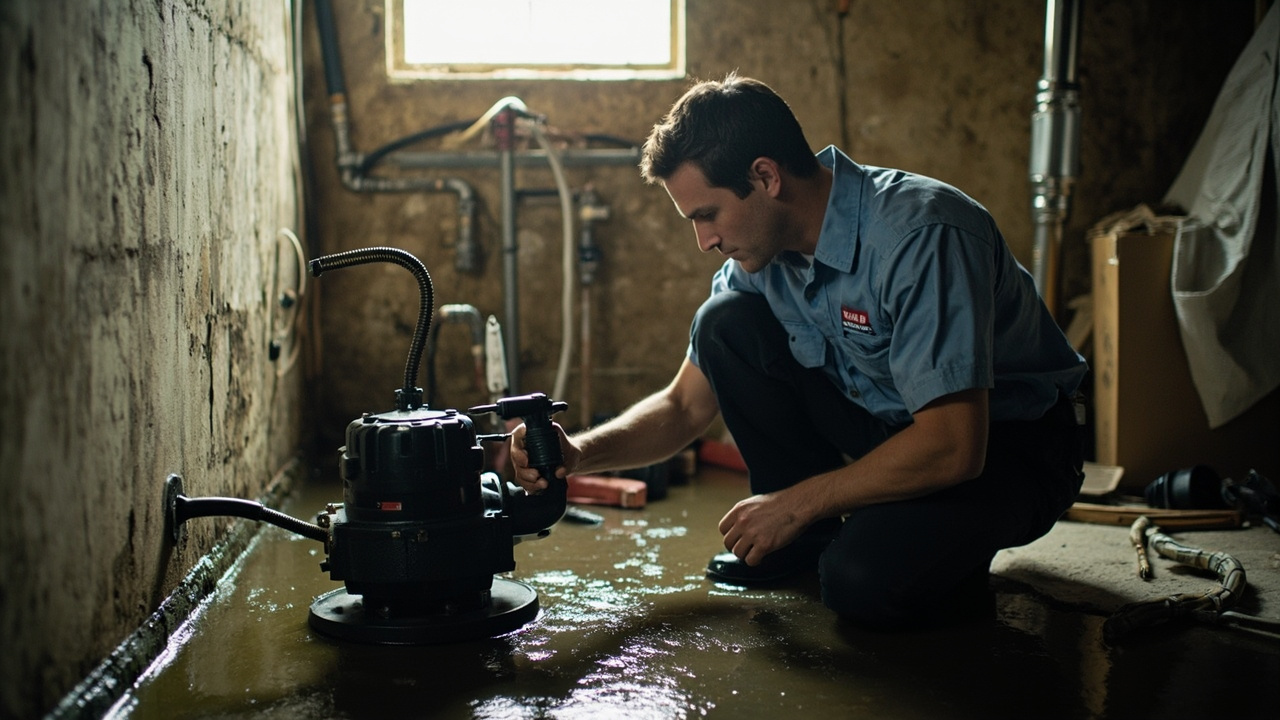
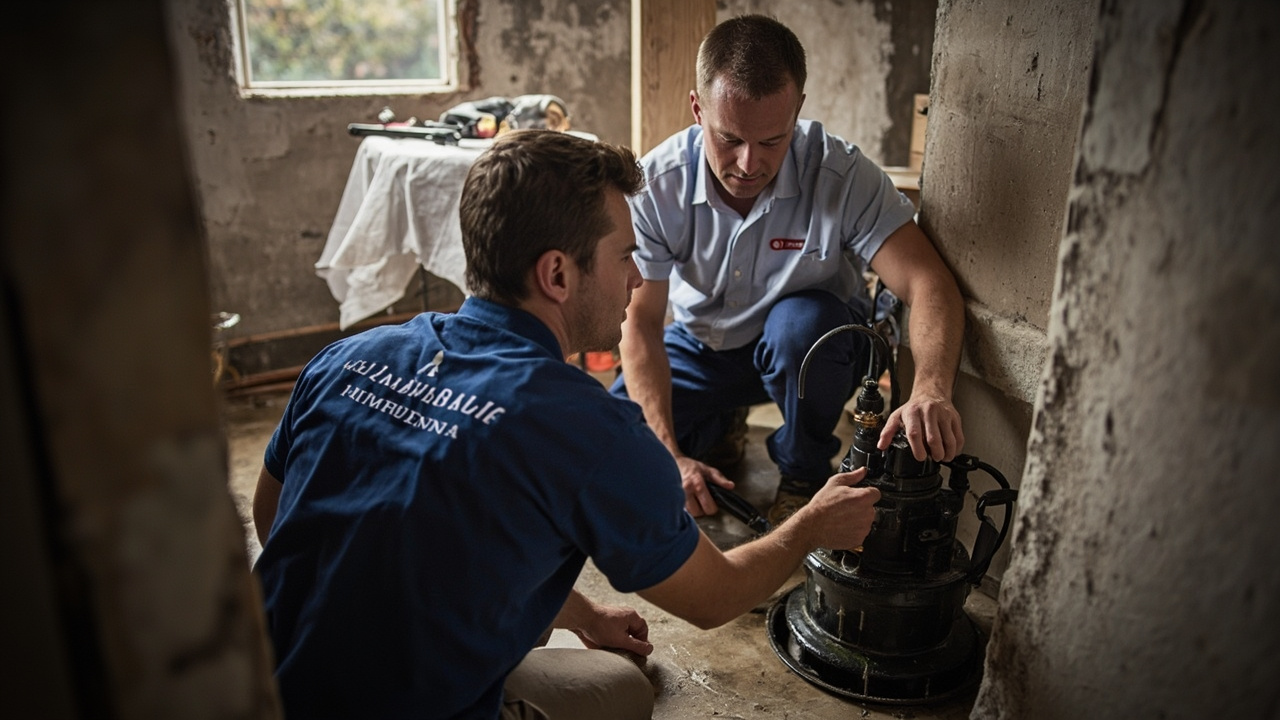
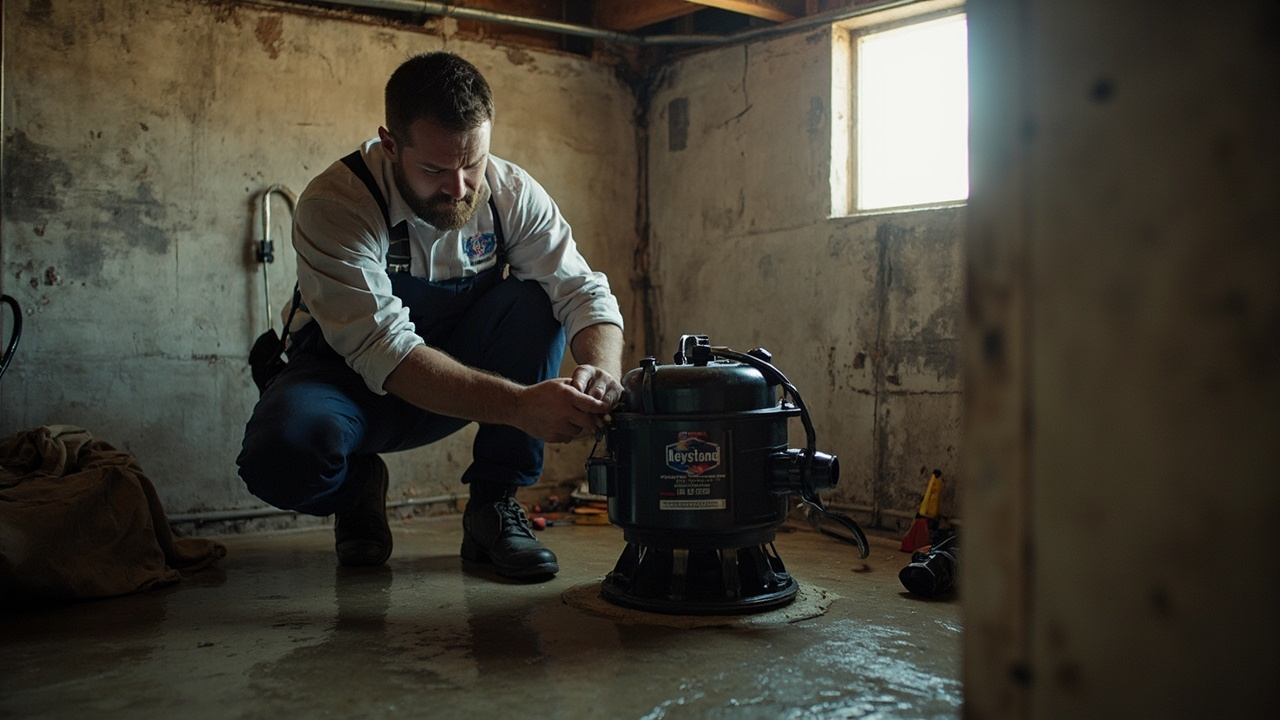
The clay-heavy soil throughout Hamilton County creates a drainage nightmare for homeowners. Clay does not absorb water like sandy or loamy soil. When rain falls, it sits on the surface or channels along the clay layer directly toward your foundation. Neighborhoods built on hillsides like Price Hill and Mount Adams see surface water run downhill and pool against basement walls. Flat areas near the Ohio River and Mill Creek have high water tables that rise fast during wet periods. Without a working sump pump, hydrostatic pressure forces water through foundation cracks, floor joints, and any weak point in your basement walls. Spring typically brings the worst flooding risk when snow melt combines with heavy rain and saturates the ground faster than it can drain.
Cincinnati's older housing stock means many homes were built before sump pumps were standard. If you live in a pre-1970s home in neighborhoods like Westwood, Northside, or East Walnut Hills, your basement was likely never designed with mechanical drainage protection. Adding a sump pump is not optional if you want to use your basement for anything other than occasional storage. Hamilton County building codes now require proper sump discharge that does not overload storm sewers or create runoff problems for neighbors. Keystone Plumbing Cincinnati knows these regulations and ensures your system complies while actually protecting your home. Local expertise matters when your property sits in a region where basement flooding is a predictable seasonal threat.