Menu

Commercial Backflow Prevention & Testing in Cincinnati | Minimize Downtime with Certified Compliance

Keep your facility operational with expedited backflow assembly testing, cross-connection control audits, and annual compliance documentation that satisfies Cincinnati water authority requirements without disrupting business operations.

Slider Image 1
Slider Image 2
Slider Image 3
Slider Image 4
Slider Image 5
Slider Image 7
Slider Image 8
Slider Image 9
Slider Image 10
Slider Image 11

Why Cincinnati Commercial Properties Face Increased Backflow Risk

Cincinnati's aging infrastructure presents a specific challenge for commercial properties. The city's water system, parts of which date back over a century, experiences frequent pressure fluctuations during peak demand periods. When water pressure drops suddenly, contaminated water can reverse direction through your building's plumbing and enter the municipal supply.

Your facility faces additional risk if you operate in manufacturing, food service, healthcare, or any industry using chemicals, irrigation systems, or fire suppression equipment. The Greater Cincinnati Water Works mandates annual backflow preventer inspection for these commercial applications, and failure to comply results in service disconnection notices.

The Ohio EPA enforces strict cross-connection control testing protocols across Hamilton County. A failed backflow assembly testing creates immediate liability exposure. If contaminated water enters the public system through your property, you face enforcement action, potential fines, and operational shutdown until you achieve compliance.

Commercial backflow certification is not optional in Cincinnati. Properties with backflow prevention assemblies must test annually, submit documentation to the water authority, and maintain records for audit purposes. The process requires a certified tester who understands the specific requirements of Ohio Administrative Code 3745-95, which governs cross-connection control programs statewide.

Your annual backflow compliance deadline does not shift based on your business schedule. Missing the testing window by even a day triggers violation notices and creates unnecessary friction with municipal authorities.

Why Cincinnati Commercial Properties Face Increased Backflow Risk
How Certified Backflow Testing Protects Your Business

How Certified Backflow Testing Protects Your Business

Our commercial backflow testing follows a strict protocol that minimizes business interruption. We coordinate testing during off-peak hours, document every assembly on your property, and submit compliance reports directly to Greater Cincinnati Water Works before your deadline.

The testing process evaluates four critical checkpoints on your backflow prevention assembly. We measure the pressure differential across check valves, verify that relief valve opening points meet manufacturer specifications, and confirm that all seals maintain integrity under simulated backflow conditions. Each test follows the University of Southern California Foundation for Cross-Connection Control and Hydraulic Research methodology, the national standard for backflow prevention.

We test reduced pressure zone assemblies, double check valve assemblies, pressure vacuum breakers, and atmospheric vacuum breakers. Each device type requires different test procedures and acceptance criteria. A reduced pressure zone device, common in high-hazard commercial applications, must maintain at least a two-psi pressure differential and open the relief valve before backpressure exceeds safe limits.

After testing, you receive a detailed report showing pass or fail status for each assembly, the specific test values recorded, and any maintenance recommendations. We file compliance documentation with the water authority within 48 hours, ensuring your property remains in good standing.

If an assembly fails testing, we provide repair or replacement options immediately. Most repairs involve replacing internal check modules or relief valves. Complete assembly replacement becomes necessary when the body shows corrosion or when repair costs approach replacement value. We stock common commercial assemblies to avoid extended downtime.

What Happens During Your Commercial Backflow Test

Commercial Backflow Prevention & Testing in Cincinnati | Minimize Downtime with Certified Compliance
01

Assembly Survey and Isolation

We locate every testable backflow device on your property and verify current registration with the water authority. Each assembly gets isolated from your system using integral shutoff valves, minimizing the scope of water service interruption. We coordinate with your facilities team to identify critical processes that cannot tolerate interruption and schedule testing accordingly.
02

Pressure Differential Testing

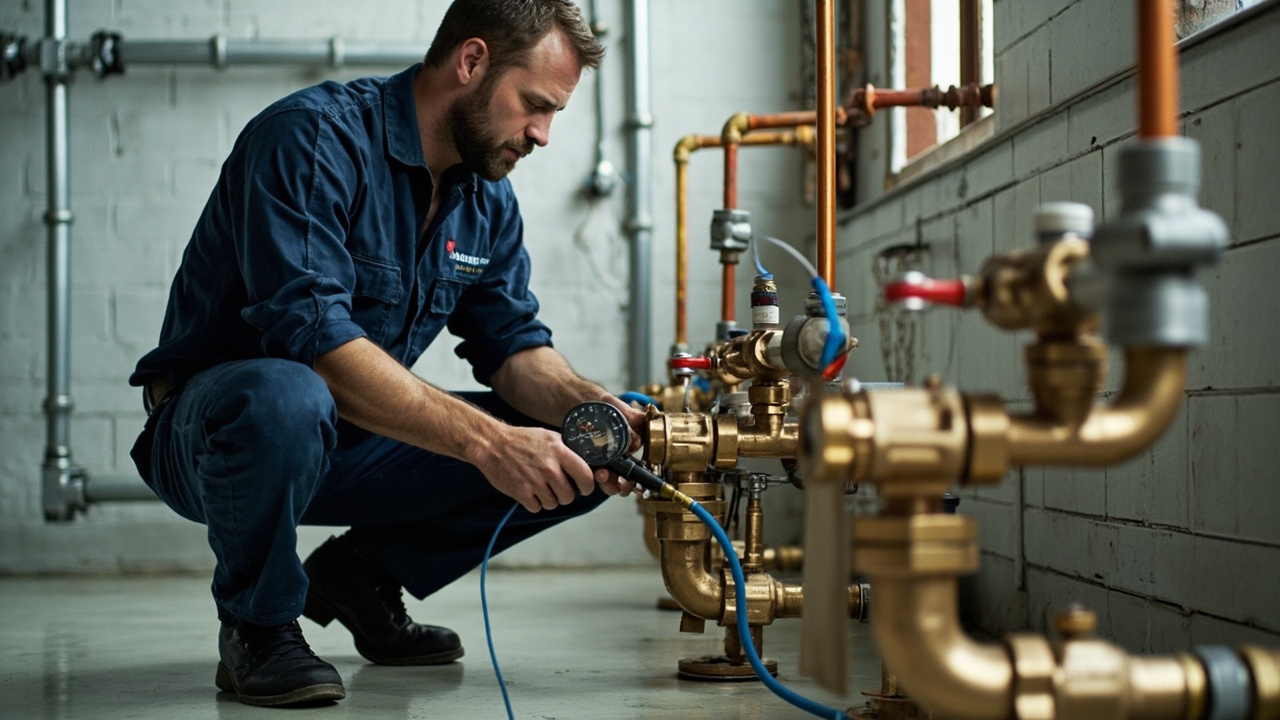
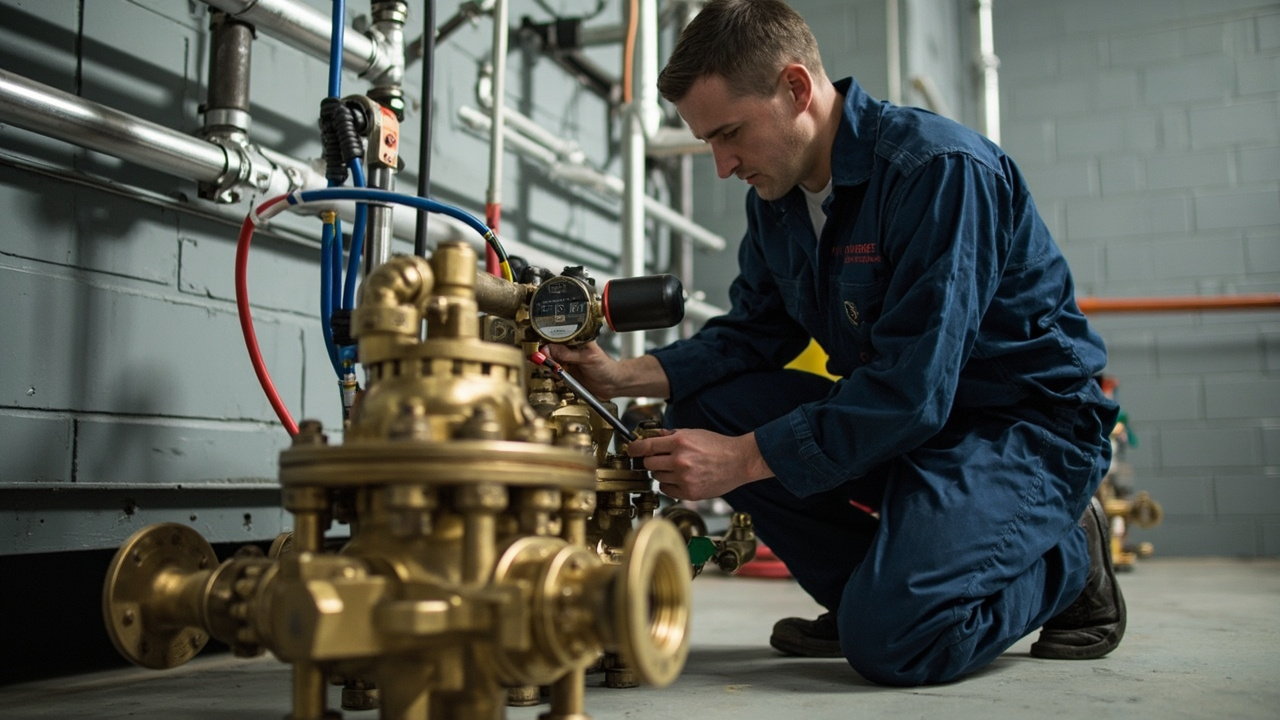
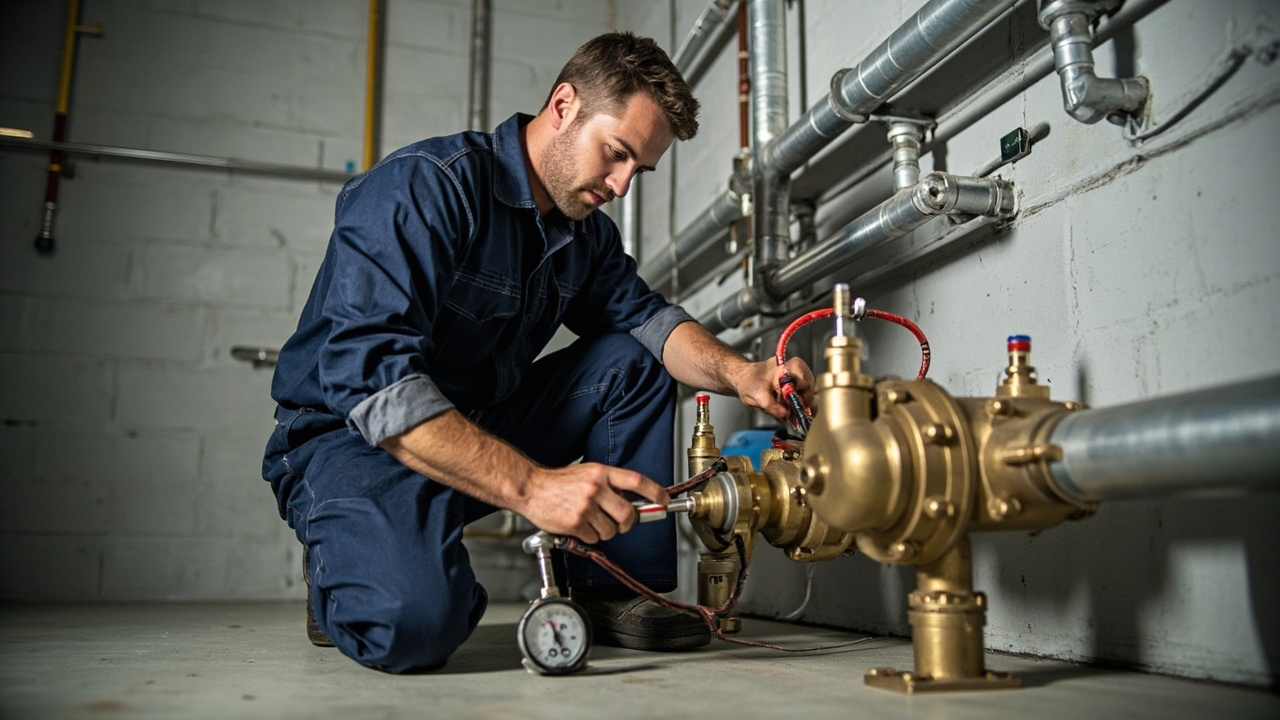
We connect calibrated test equipment to the designated test cocks on your backflow assembly. The gauge measures pressure at multiple points while we simulate backflow conditions by manipulating test valves in sequence. Each check valve must hold against reverse pressure, and relief valves must open at precise setpoints. We record exact pressure readings that become part of your compliance documentation.
03

Compliance Documentation and Filing

You receive a signed test report showing pass or fail status for each assembly, along with the specific pressure values recorded during testing. We submit this documentation directly to Greater Cincinnati Water Works through their online portal, copying you on the submission confirmation. Your property file receives a dated compliance certificate that satisfies audit requirements until the next annual testing cycle.

Why Cincinnati Businesses Choose Certified Local Testing

Greater Cincinnati Water Works maintains a registry of approved backflow testers. Only certified professionals with current Ohio certification can submit valid test reports. Using an uncertified tester, even if they perform the physical test correctly, results in rejected documentation and continued non-compliance status.

We maintain active Ohio Department of Health backflow tester certification and carry the calibrated test equipment required for accurate measurements. Our gauges undergo annual calibration at an accredited lab, and we provide calibration certificates with every test report. This documentation proves that pressure readings are accurate within industry tolerance standards.

Cincinnati's water system operates with unique pressure characteristics based on elevation zones and pumping station locations. Properties in lower elevation areas near the Ohio River experience different pressure profiles than facilities in higher elevation neighborhoods like Mount Adams or Price Hill. We understand how these pressure variations affect backflow risk and adjust our testing approach accordingly.

We work with facilities across Cincinnati's commercial corridors, from manufacturing operations in Queensgate to healthcare facilities in Clifton and food service establishments throughout Downtown. This experience means we understand the specific backflow prevention requirements for your industry and the documentation standards your facility must meet during health department or EPA inspections.

Our testing schedule accommodates your operational needs. We conduct tests during second or third shifts, on weekends, or during planned maintenance windows. You receive advance notice of exactly which systems will be offline and for how long, allowing you to plan around the brief service interruption.

What Your Backflow Testing Service Includes

Scheduling Flexibility for Business Continuity

We test during hours that minimize impact on your operations. Most commercial backflow tests take 15 to 30 minutes per assembly, depending on device complexity and accessibility. We coordinate with your facilities manager to identify optimal timing and provide a detailed testing schedule showing which areas will experience brief water service interruption. Emergency testing for violation notices or new installations receives priority scheduling, often within 24 to 48 hours of your call.

Pre-Test Assessment and Planning

Before testing begins, we verify the assembly type, serial number, and manufacturer specifications against water authority records. This confirms that your registered devices match what is actually installed. We check for obvious defects like leaking relief valves, corroded test cocks, or damaged housing that would cause automatic test failure. If we identify issues before connecting test equipment, you can authorize repairs immediately rather than discovering problems during the official test.

Compliance Documentation You Can Audit

Your test report includes the tester certification number, gauge serial numbers with calibration dates, and the specific pressure readings recorded at each test point. This level of detail satisfies EPA audit requirements and provides defensible documentation if your facility undergoes regulatory inspection. You receive both a physical signed copy and a digital PDF that you can store in your facility compliance records. The report clearly states pass or fail status and explains any deficiencies found.

Repair Coordination and Re-Testing

If an assembly fails testing, we provide a detailed estimate for repair or replacement on site. Most repairs involve replacing internal components like check modules, springs, or relief valve diaphragms. We stock parts for common commercial assemblies and can complete repairs immediately in many cases. After repair, we re-test the assembly and submit passing documentation to the water authority. This ensures continuous compliance without requiring you to manage multiple service providers or track separate testing appointments.

Frequently Asked Questions

You Have Questions,
We Have Answers

What is backflow prevention testing? +

Backflow prevention testing is a mandatory inspection that verifies your backflow device functions correctly and protects the municipal water supply from contamination. A certified tester checks internal components like check valves, relief valves, and air inlet valves to ensure proper pressure differentials. The test confirms contaminated water cannot reverse flow from your facility back into Cincinnati's drinking water system. Commercial properties, irrigation systems, and fire suppression systems require annual testing to maintain compliance with Ohio Administrative Code and Cincinnati Metropolitan Sewer District regulations. You receive certification documentation upon successful completion, which must be submitted to local authorities.

Is backflow testing really necessary? +

Yes. Backflow testing is legally required and protects public health. Cincinnati enforces annual testing for commercial properties, irrigation systems, and any facility with cross-connections. The Greater Cincinnati Water Works mandates compliance to prevent contamination incidents that could expose the entire water distribution network to chemicals, bacteria, or wastewater. Failures to test result in water service disconnection, code violations, and potential liability if contamination occurs. For commercial operations, this is non-negotiable risk management. Your business continuity depends on maintaining compliant backflow devices. One contamination event can shut down operations and trigger substantial legal exposure.

Can I test my own backflow preventer? +

No. Ohio law requires backflow testing by state-certified testers only. The certification process involves specific training, examination, and equipment calibration that standard plumbers do not possess. Testing requires specialized gauges and documentation protocols that meet Ohio EPA standards. Attempting self-testing creates liability exposure and violates Cincinnati water authority regulations. Your test results will not be accepted by municipal authorities without proper certification credentials. Commercial property managers must contract with certified professionals who carry proper insurance and submit results directly to the water department. DIY testing jeopardizes your water service and code compliance status.

Do all plumbers do backflow testing? +

No. Backflow testing requires specific state certification separate from standard plumbing licenses. Many plumbers are not certified backflow testers. The certification demands additional training in hydraulics, cross-connection control, and test procedures that exceed basic plumbing knowledge. When hiring, verify the technician holds current Ohio certification and carries calibrated test equipment. Cincinnati has strict documentation requirements that certified testers understand. Hiring an uncertified plumber wastes time and money because authorities will reject invalid test reports. Always confirm certification status before scheduling service to avoid compliance gaps that trigger service interruptions.

What happens if I don't do backflow testing? +

Cincinnati water authorities will disconnect your water service. Non-compliance triggers violation notices, followed by mandatory shut-off until you achieve compliance. You face potential fines under local ordinances and Ohio Administrative Code violations. More critically, a malfunctioning backflow device exposes you to massive liability if contamination occurs. One incident can trigger lawsuits, regulatory penalties, and insurance claims. For commercial operations, water disconnection halts business entirely. Restaurants, medical facilities, and industrial operations cannot function without water. The cost of downtime far exceeds annual testing fees. Compliance is basic risk management and operational continuity planning.

Why is backflow testing so expensive? +

Backflow testing requires specialized certification, calibrated equipment, insurance, and regulatory documentation that create legitimate costs. Certified testers invest in annual recertification, precision gauges requiring regular calibration, and liability insurance protecting against contamination incidents. The test itself involves disassembly, component inspection, reassembly, and detailed reporting to municipal authorities. Cincinnati's strict documentation requirements add administrative overhead. For commercial properties, this is infrastructure maintenance similar to elevator inspections or fire suppression testing. The alternative is water disconnection and liability exposure that costs exponentially more. This protects your operation and the public water supply.

Do all houses have a backflow valve? +

No. Residential homes typically do not have backflow preventers unless they have irrigation systems, pools, or home businesses with cross-connections. Standard residential plumbing does not create sufficient contamination risk to require devices. However, any Cincinnati property with lawn sprinklers, fire suppression systems, or commercial equipment needs backflow protection and annual testing. If you convert residential space to commercial use, you trigger backflow requirements. Properties with wells, chemical injection systems, or auxiliary water sources definitely require devices. The Greater Cincinnati Water Works determines requirements based on your specific usage and potential cross-connection hazards.

How much does it cost to test a backflow device? +

Testing fees in Cincinnati typically range from affordable to moderate depending on device complexity and property access. Reduced pressure zone devices require more labor than simple check valves. Properties with multiple assemblies or difficult access points increase costs. Pricing reflects technician certification, equipment calibration, insurance, and regulatory reporting requirements. Many commercial properties budget this as annual infrastructure maintenance alongside HVAC and fire system inspections. Compare costs against the expense of water disconnection, code violations, and business interruption. Request quotes from certified testers and verify their credentials with Ohio EPA to ensure legitimate service.

How long does a water backflow test take? +

A typical backflow test takes 15 to 45 minutes per device depending on complexity and condition. Reduced pressure zone assemblies require more thorough inspection than simple check valves. The technician must shut off water, bleed pressure, test multiple valves, document readings, reassemble components, and restore service. Properties with multiple devices require proportionally more time. Access challenges or corroded fittings extend duration. For commercial facilities, schedule testing during off-peak hours to minimize operational disruption. The certified tester should provide a timeline estimate during scheduling. Quick turnaround reduces downtime but cannot compromise thoroughness required for code compliance.

Do all states require backflow testing? +

No. Backflow testing requirements vary significantly by state and municipality. Ohio mandates testing for commercial properties and cross-connection hazards under Ohio Administrative Code Chapter 3745-95. Cincinnati enforces these requirements through the Greater Cincinnati Water Works and Metropolitan Sewer District. Some states have minimal regulation while others exceed Ohio standards. Even within Ohio, specific municipalities add local ordinances beyond state minimums. Your compliance obligation depends on your exact location and property use. Cincinnati commercial properties must follow local enforcement protocols regardless of practices elsewhere. Consult your water authority for jurisdiction-specific requirements rather than assuming standards from other regions apply.

How Cincinnati's Water Pressure Zones Affect Backflow Prevention

Cincinnati's topography creates distinct pressure zones across the water distribution system. The city sits on hills rising from the Ohio River valley, with elevation changes exceeding 400 feet between Riverbend and the eastern hilltop neighborhoods. Greater Cincinnati Water Works operates multiple pressure zones with booster stations to maintain adequate pressure at higher elevations. When these pressure zones fluctuate, during main breaks or high-demand periods, backpressure events become more likely. Commercial properties in transitional zones between pressure districts face elevated risk and often require more robust backflow prevention assemblies than facilities in stable pressure areas.

Hamilton County enforces some of the strictest cross-connection control requirements in Ohio. The county health department conducts periodic audits of commercial properties with backflow assemblies, and properties out of compliance face immediate enforcement action. Local plumbing contractors familiar with Cincinnati's specific testing requirements and water authority procedures ensure smoother compliance. We work directly with Greater Cincinnati Water Works on documentation standards and maintain relationships with county inspectors who audit commercial facilities. This local knowledge prevents compliance issues that national service providers often miss.

Plumbing Services in The Cincinnati Area

We are proud to serve the entire area, providing exceptional plumbing services to our community. Our service area covers all of the city and its surrounding neighborhoods. Use the map to see our location and get directions, or simply give us a call to schedule a service. Our team is always ready to travel to your location to address your plumbing needs quickly and efficiently, ensuring you receive the prompt service you deserve.

Address:
Keystone Plumbing Cincinnati, 71 E Hollister St, Cincinnati, OH, 45219

Additional Services We Offer

Our news updates

Latest Articles & News from The Blogs

Why a Whole House Repiping Project in St. Bernard is a Smart Investment If you own a home in St.…

Why a Whole House Repiping Project in St. Bernard is a Smart Investment

Why a Whole House Repiping Project in St. Bernard is a Smart Investment If you own a home in St.…

Do You Know Exactly Where the Main Water Shut-Off Valve is in Your Silverton Home?

Do You Know Exactly Where the Main Water Shut-Off Valve is in Your Silverton Home? A burst pipe can dump…

Protecting the Exposed Plumbing in Your Madisonville Crawl Space From Rodents and Cold

Protecting the Exposed Plumbing in Your Madisonville Crawl Space From Rodents and Cold \n\n Exposed pipes in Madisonville crawl spaces…

Contact Us

Protect your business from compliance violations and service interruption. Call (513) 717-2899 now to schedule certified backflow assembly testing that meets Cincinnati water authority requirements. We handle documentation, filing, and coordinate testing around your operational schedule.