
Menu

Understanding Backflow Testing in Cincinnati – Protect Your Water Supply with Expert Inspection and Certification

Learn how annual backflow prevention assembly testing protects Cincinnati homes and businesses from contaminated water, ensures city compliance, and keeps your drinking water safe from dangerous cross-connections.

Slider Image 1
Slider Image 2
Slider Image 3
Slider Image 4
Slider Image 5
Slider Image 7
Slider Image 8
Slider Image 9
Slider Image 10
Slider Image 11

Why Cincinnati Properties Need Regular Backflow Testing

Your water supply flows one direction under normal conditions. But when pressure drops suddenly, contaminated water can reverse course and flow backward into the clean drinking water system. This reversal is called backflow, and it happens more often than you think in Cincinnati.

The Greater Cincinnati Water Works serves over 1.1 million people across three states. When a water main breaks in Northside or pressure drops during high-demand periods in Mason, the risk of backflow increases. Add in Cincinnati's aging infrastructure in neighborhoods like Over-the-Rhine and Mount Auburn, and the need for backflow prevention becomes critical.

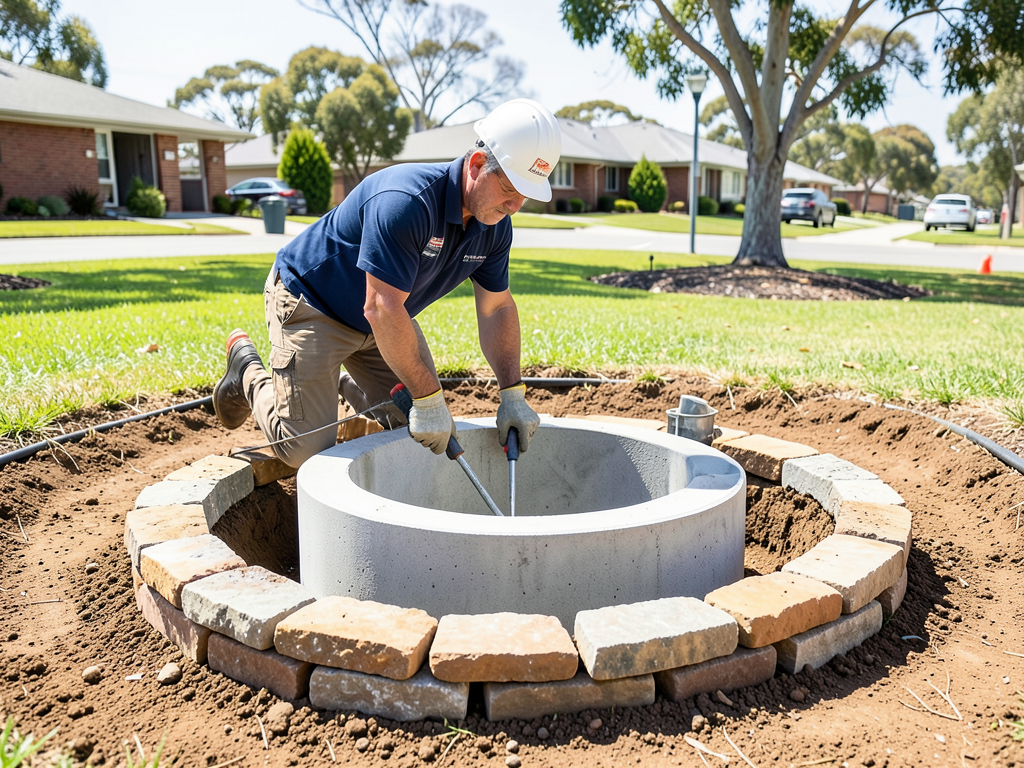
A backflow preventer is a mechanical valve that stops contaminated water from entering your clean water supply. But like any mechanical device, it needs annual backflow certification to verify it works correctly. Cincinnati requires annual backflow device testing procedures for commercial properties, irrigation systems, and homes with fire sprinkler systems.

Without proper backflow preventer inspection, you risk chemical contamination, bacterial infiltration, or pollutants entering your drinking water. The Greater Cincinnati Water Works mandates water backflow testing requirements because a single failed device can compromise the water supply for an entire block. In dense neighborhoods like Clifton or Hyde Park, one contaminated connection puts dozens of families at risk.

Backflow testing is not optional maintenance. It is a public health safeguard that protects your family, your employees, and your neighbors from dangerous cross-connections.

Why Cincinnati Properties Need Regular Backflow Testing
How Professional Backflow Prevention Assembly Testing Works

How Professional Backflow Prevention Assembly Testing Works

Backflow testing requires specialized equipment and state certification. You cannot perform this inspection yourself, and generic plumbers without backflow certification cannot file the necessary reports with the city.

A certified backflow tester uses a differential pressure gauge to measure the pressure inside your backflow prevention assembly. The device must maintain a specific pressure differential to prevent reverse flow. If the check valves, relief valve, or air inlet fail, contaminated water can backflow into your system.

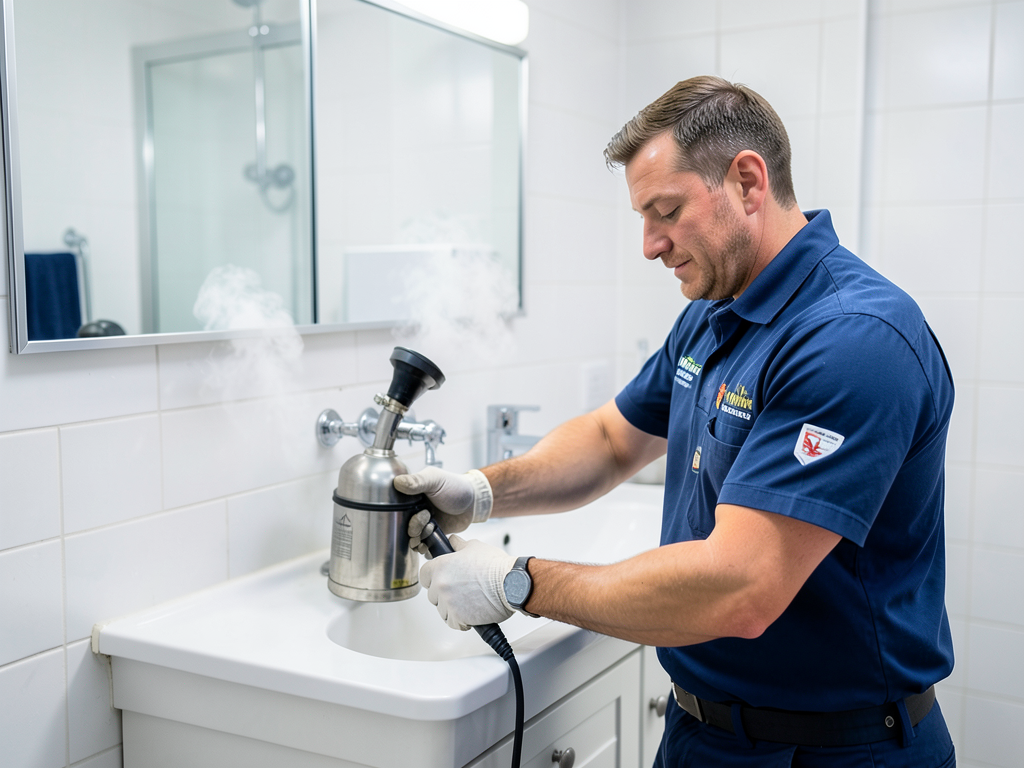
The testing process starts with a visual inspection of the backflow preventer. We check for leaks, corrosion, and physical damage to the assembly housing. Next, we isolate the device and attach the test gauge to the test cocks on the backflow preventer. We simulate pressure drops and measure how the internal components respond.

For reduced pressure zone assemblies, the most common type in Cincinnati commercial buildings, we test the check valves and relief valve independently. The relief valve must open before the pressure drops below safe levels. If it fails, we disassemble the unit, clean the components, and replace worn seals or springs.

For double check valve assemblies, common in residential irrigation systems, we verify that both check valves seat properly and maintain the minimum 1.0 psi differential. If a valve leaks or sticks, we rebuild the assembly with manufacturer-approved parts.

After testing, we file the backflow test report directly with the Greater Cincinnati Water Works. You receive a certification tag on your device and documentation proving compliance with Cincinnati water backflow testing requirements.

What Happens During Your Backflow Test Appointment

Understanding Backflow Testing in Cincinnati – Protect Your Water Supply with Expert Inspection and Certification
01

Device Location and Access

We locate your backflow prevention assembly and verify access to the test cocks. Most commercial devices sit in mechanical rooms or utility closets. Residential irrigation backflow preventers typically install in basements or exterior walls. We confirm the serial number matches city records and photograph the device condition before testing begins.
02

Pressure Testing and Diagnosis

We attach calibrated test equipment to the isolation valves and run the pressure sequence. Each component receives individual testing. The check valves must hold against simulated backpressure. The relief valve must discharge at the correct differential. We record all measurements and compare them against manufacturer specifications. Failed components get flagged for repair or replacement.
03

Certification and Compliance Filing

After passing inspection, we complete the official backflow test report and submit it electronically to the Greater Cincinnati Water Works. You receive a dated certification tag attached to your device and a copy of the filed report for your records. If the device fails, we provide a detailed repair quote and schedule follow-up testing after corrections.

Why Cincinnati Businesses Choose Local Backflow Expertise

Backflow testing is not a DIY project or a task for uncertified plumbers. Ohio requires testers to hold a valid backflow prevention device tester certification from an approved training program. The certification verifies knowledge of cross-connection control, hydraulic principles, and Ohio EPA regulations.

Many property owners in Cincinnati receive violation notices from the Greater Cincinnati Water Works after missing their annual testing deadline. The city tracks every backflow device by address and serial number. When your annual backflow certification expires, you receive a compliance notice. Ignore it, and the city can shut off your water service until you complete testing.

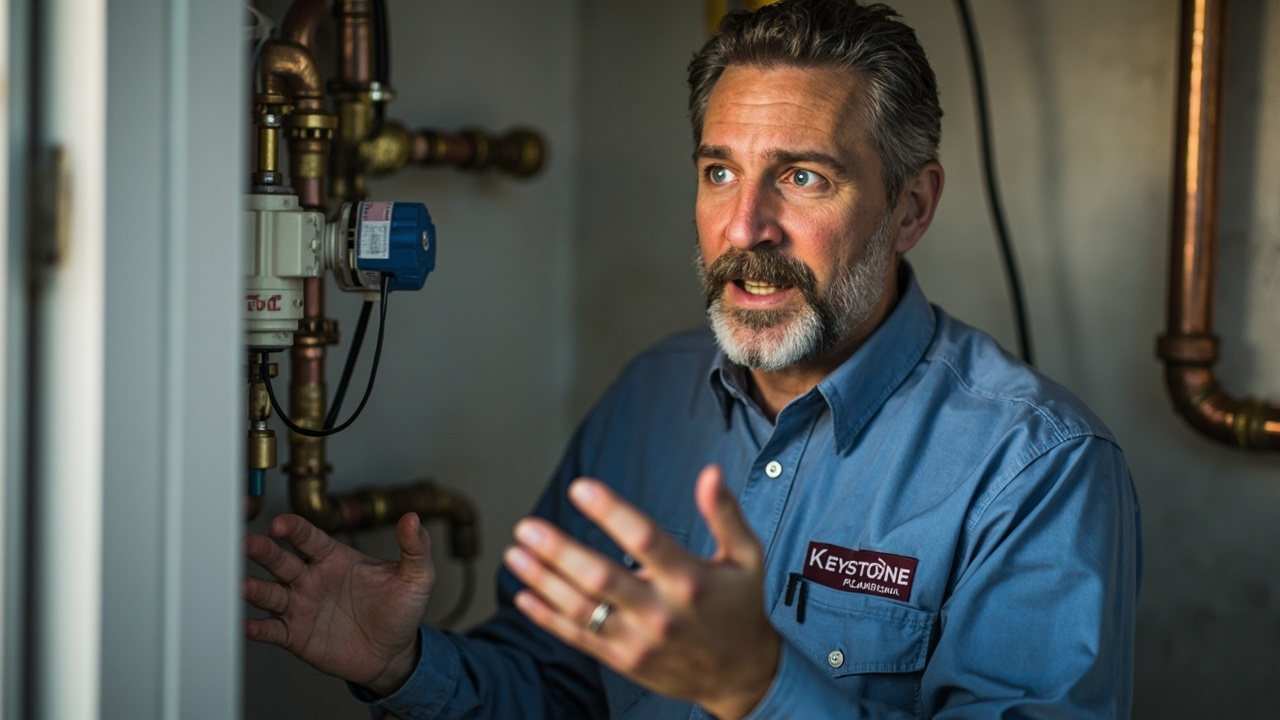
Keystone Plumbing Cincinnati employs Ohio-certified backflow testers who understand Cincinnati's specific reporting requirements. We maintain relationships with the Greater Cincinnati Water Works compliance department and file all paperwork electronically for faster processing. You get your certification faster, and we handle all communication with city officials.

We also understand Cincinnati's unique infrastructure challenges. Older buildings in neighborhoods like Walnut Hills or Columbia-Tusculum have backflow devices installed in tight spaces with poor lighting and limited access. We bring portable work lights and specialized tools to reach devices in crawl spaces, utility pits, and cramped mechanical rooms.

For commercial properties with multiple backflow assemblies, we create a testing schedule that minimizes business disruption. Restaurants, medical facilities, and industrial sites cannot afford water shutdowns during peak hours. We coordinate testing during off-peak times and complete inspections quickly to restore full water service.

Local expertise matters because backflow regulations vary by jurisdiction. Hamilton County, Warren County, and Clermont County have different enforcement policies and reporting deadlines. We track these requirements for you and send reminders before your certification expires.

What to Expect from Your Backflow Testing Service

Scheduling and Turnaround Time

Most backflow tests take 30 to 60 minutes per device. We schedule appointments within three business days and offer morning or afternoon time blocks to accommodate your schedule. Commercial properties with multiple assemblies may require a half-day appointment. We send a reminder 24 hours before your scheduled test and call when the technician is 15 minutes away. If your device fails, we provide same-day repair estimates and can often complete simple repairs immediately to avoid a second trip.

The Testing and Inspection Process

Our certified tester arrives with calibrated equipment and walks you through the testing process. We explain what each pressure reading means and show you the internal components if we need to disassemble the unit. You watch the entire test and receive real-time feedback about your device condition. We document every step with photos and pressure readings for your records. If the device passes, we attach a dated certification tag and file the report electronically with the city before we leave your property.

Certification and City Compliance

You receive two copies of your backflow test report. One copy stays with you for your maintenance records. The second copy goes directly to the Greater Cincinnati Water Works compliance database. We include the device serial number, test date, tester certification number, and all pressure readings. Your property shows compliant in the city system within 48 hours. You can verify compliance online through the Greater Cincinnati Water Works customer portal using your account number.

Annual Reminders and Maintenance Plans

We track your backflow testing anniversary date and send reminders 30 days before your certification expires. Commercial properties with multiple locations can enroll in our fleet management program, which coordinates testing for all addresses on a single schedule. We maintain a digital service history for each device, including past test results, repair records, and component replacement dates. This history helps identify patterns and predict when assemblies need rebuilding or replacement before they fail.

Frequently Asked Questions

You Have Questions,
We Have Answers

How to read a backflow test report? +

A backflow test report shows several key measurements. Look at the check valve sections, which list the pressure differential in PSI (pounds per square inch). The first check valve must hold at least 5 PSI, and the second must hold at least 3 PSI. The relief valve should open between 2 and 12 PSI. If all three components meet these standards, your device passes. The report also includes the device location, serial number, and test date. Cincinnati requires annual testing, so keep this report for your records and submit it to Greater Cincinnati Water Works if requested.

How does backflow testing work? +

Backflow testing measures whether your device can prevent contaminated water from flowing backward into the municipal water supply. A certified tester attaches gauges to test ports on your backflow preventer. They close valves to simulate pressure changes, then check if the internal check valves hold pressure and the relief valve opens correctly. The tester records pressure readings at each step. This process verifies that all components function properly. In Cincinnati, the high humidity and freeze-thaw cycles can degrade valve seals over time, making annual testing critical for public water safety.

What are the basics of backflow preventer? +

A backflow preventer is a valve assembly that protects drinking water from contamination. It uses check valves that allow water to flow in one direction only. When pressure drops in the main water line, these valves close to stop reverse flow. A relief valve opens if pressure builds between the check valves, draining water safely outside. Cincinnati properties with irrigation systems, fire suppression lines, or commercial operations typically need backflow preventers. These devices sit between your water connection and potential contamination sources. They protect both your property and the greater Cincinnati metro water system.

Do all plumbers do backflow testing? +

No. Backflow testing requires special certification beyond a standard plumbing license. Testers must complete state-approved training and pass an exam to become certified. They need specialized gauges and equipment that most plumbers do not carry. In Ohio, only certified backflow testers can perform annual inspections and file reports with local water authorities. If your Cincinnati property needs testing, verify that the plumber holds current backflow certification. Many plumbing companies employ certified testers, but not every plumber on staff will have this credential. Always ask before scheduling your annual test.

How to read water testing results? +

Water testing results vary by test type. For drinking water, look at bacteria levels (total coliform and E. coli should be zero), lead (below 15 parts per billion), and nitrates (under 10 mg/L). For backflow testing, focus on pressure readings. Check valve differentials should meet minimum PSI standards, and relief valve opening pressure should fall within the acceptable range. Cincinnati tap water typically has higher mineral content due to the Ohio River source, which can affect hardness readings but does not indicate contamination. Compare your results against EPA standards or local benchmarks.

What numbers are passing on the RP backflow test? +

For a Reduced Pressure (RP) backflow test to pass, specific pressure readings must meet minimum standards. Check valve number one must show at least 5 PSI differential, meaning it holds back at least 5 pounds of pressure. Check valve number two must hold at least 3 PSI differential. The relief valve should open between 2 and 12 PSI differential. If any reading falls outside these ranges, the device fails. Cincinnati properties must repair or replace failed devices before resubmitting test results. These standards ensure your backflow preventer can protect the municipal water supply during pressure changes.

Is backflow testing hard? +

For certified professionals, backflow testing is straightforward but requires precision. Testers follow a specific procedure, attach gauges correctly, and interpret pressure readings accurately. For property owners, the process is simple: schedule your annual test with a certified tester and provide access to your device. The test typically takes 15 to 30 minutes. You do not need technical knowledge. In Cincinnati, many commercial properties and homes with irrigation systems require annual testing. The tester handles all technical aspects and files reports with Greater Cincinnati Water Works. Your only responsibility is scheduling and ensuring timely compliance.

What happens if you fail a backflow test? +

If your backflow preventer fails testing, you must repair or replace it immediately. The tester identifies which component failed (check valve or relief valve) and provides documentation. You have a limited time, often 30 days in Cincinnati, to fix the issue and schedule a retest. Some testers can make repairs on site if they carry parts. Once repaired, the device must pass a follow-up test before you can submit passing results to the water authority. Operating a failed backflow preventer violates local codes and puts the municipal water supply at risk of contamination.

What are the two conditions that can cause backflow? +

Backflow occurs under two conditions: backpressure and backsiphonage. Backpressure happens when downstream pressure exceeds supply pressure, forcing water backward. This occurs when pumps, boilers, or elevated tanks create higher pressure than the main line. Backsiphonage happens when supply pressure drops below atmospheric pressure, creating a vacuum that sucks water backward. Main breaks, heavy water use during firefighting, or pump failures cause this in Cincinnati. Both conditions can pull contaminated water from irrigation systems, industrial processes, or other sources into the drinking water supply, making backflow prevention critical for public health.

What are the four types of backflow preventers? +

The four main backflow preventer types are atmospheric vacuum breakers (AVB), pressure vacuum breakers (PVB), double check valves (DC), and reduced pressure zone devices (RP). AVBs are simple, non-testable devices for low-hazard applications. PVBs work for irrigation systems and must sit above downstream piping. Double check valves provide moderate protection for non-health hazards. RP devices offer the highest protection for health hazards and are required for commercial properties in Cincinnati. Each type suits different applications and hazard levels. Greater Cincinnati Water Works specifies which type your property needs based on risk factors and local codes.

How Cincinnati's Aging Water Infrastructure Makes Backflow Testing Critical

Cincinnati's water distribution system includes cast iron pipes installed in the 1800s. Neighborhoods like Mount Adams, Clifton Heights, and Price Hill still rely on century-old infrastructure. When these aging pipes break or leak, pressure drops across entire service zones. Sudden pressure loss creates a vacuum effect that can pull contaminated water backward through unprotected cross-connections. The Greater Cincinnati Water Works reports over 300 water main breaks annually, with most occurring in winter when freeze-thaw cycles stress aging pipe joints. Each break creates backflow risk for properties within a half-mile radius. Annual backflow preventer inspection ensures your device works when pressure drops unexpectedly.

Cincinnati's cross-connection control program has protected public health for over 40 years. The city maintains detailed records of every backflow device location, type, and testing history. When you install a new backflow preventer, the city adds it to the compliance database and sends annual testing reminders. Property owners who fail to complete water backflow testing requirements receive escalating notices, including penalties and potential water shutoffs. Working with certified local testers who understand Cincinnati's reporting system keeps you compliant and avoids enforcement actions. We file all paperwork correctly the first time and respond quickly to city inquiries about your testing status.
Plumbing Services in The Cincinnati Area

We are proud to serve the entire area, providing exceptional plumbing services to our community. Our service area covers all of the city and its surrounding neighborhoods. Use the map to see our location and get directions, or simply give us a call to schedule a service. Our team is always ready to travel to your location to address your plumbing needs quickly and efficiently, ensuring you receive the prompt service you deserve.

Address:
Keystone Plumbing Cincinnati, 71 E Hollister St, Cincinnati, OH, 45219

Additional Services We Offer

Our news updates

Latest Articles & News from The Blogs

Why a Whole House Repiping Project in St. Bernard is a Smart Investment If you own a home in St.…

Why a Whole House Repiping Project in St. Bernard is a Smart Investment

Why a Whole House Repiping Project in St. Bernard is a Smart Investment If you own a home in St.…

Do You Know Exactly Where the Main Water Shut-Off Valve is in Your Silverton Home?

Do You Know Exactly Where the Main Water Shut-Off Valve is in Your Silverton Home? A burst pipe can dump…

Protecting the Exposed Plumbing in Your Madisonville Crawl Space From Rodents and Cold

Protecting the Exposed Plumbing in Your Madisonville Crawl Space From Rodents and Cold \n\n Exposed pipes in Madisonville crawl spaces…

Contact Us

Do not wait for a city violation notice. Call (513) 717-2899 now to schedule your annual backflow certification. Our Ohio-certified testers complete inspections quickly and file all paperwork electronically with the Greater Cincinnati Water Works. Protect your water supply and stay compliant.