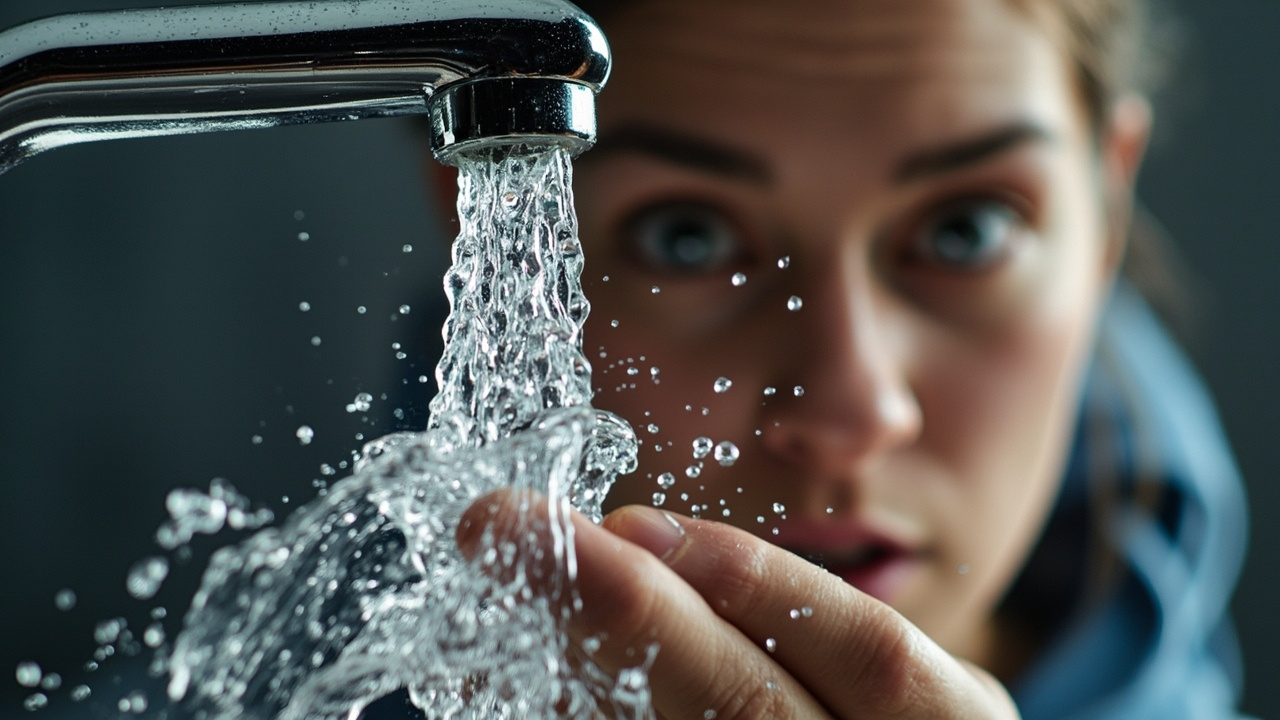

Cincinnati's municipal water supply comes primarily from the Ohio River and is treated by Greater Cincinnati Water Works. The water averages 120 to 180 parts per million of dissolved minerals, which translates to 7 to 10 grains per gallon of hardness. This is moderate hardness, but it's enough to cause scale accumulation inside tankless heat exchangers over time. As calcium and magnesium deposits build up on the exchanger fins, heat transfer efficiency drops. Your unit takes longer to reach target temperature after the burner ignites, which directly increases the duration of the cold water slug you experience during the sandwich effect. Homes in Anderson Township and Loveland on well water often face even harder water, sometimes exceeding 15 grains per gallon, which accelerates this problem significantly.
Local plumbers who work exclusively in Cincinnati understand how water quality affects tankless performance over the years. We see the same patterns in specific neighborhoods. Homes built in the early 2000s when tankless units first became popular are now reaching the point where neglected maintenance causes noticeable performance degradation. We also know which local contractors installed systems correctly and which ones took shortcuts. When we service a tankless unit in Hyde Park or Mount Adams, we're often correcting installation mistakes made years ago by companies that didn't understand proper venting, gas line sizing, or combustion air requirements. That local knowledge saves you diagnostic time and helps us fix the root cause, not just the symptom.