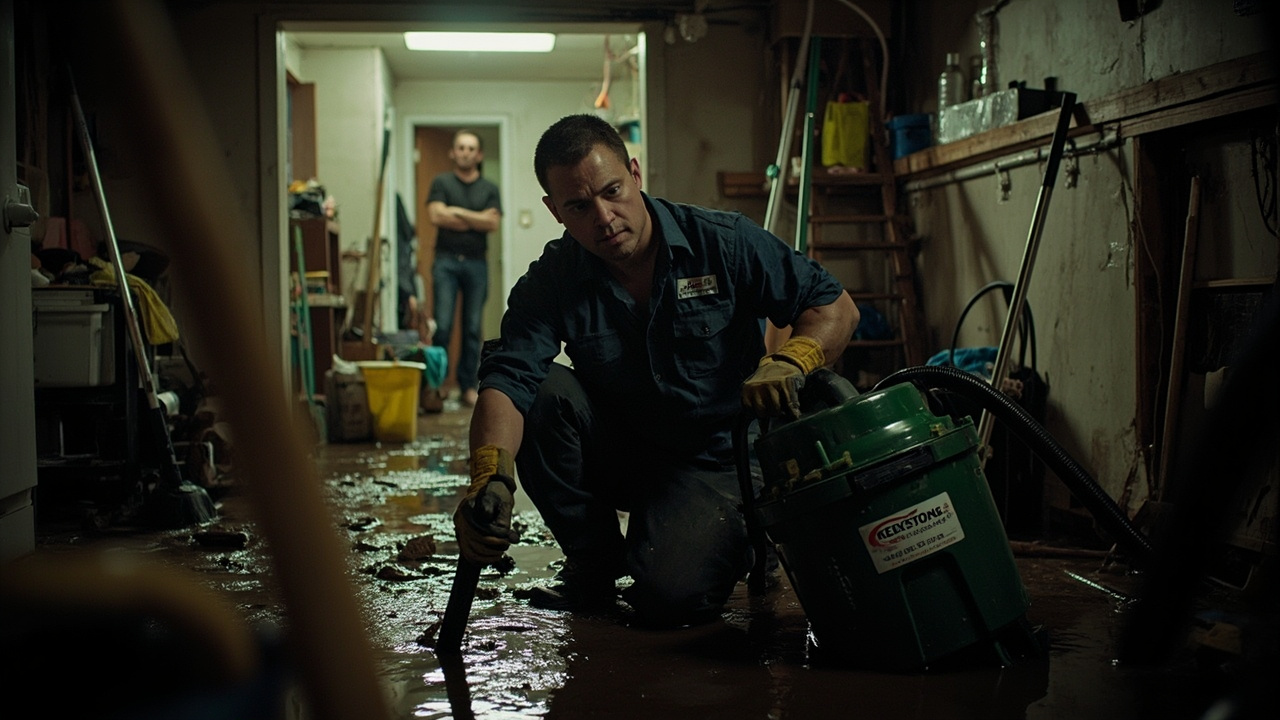
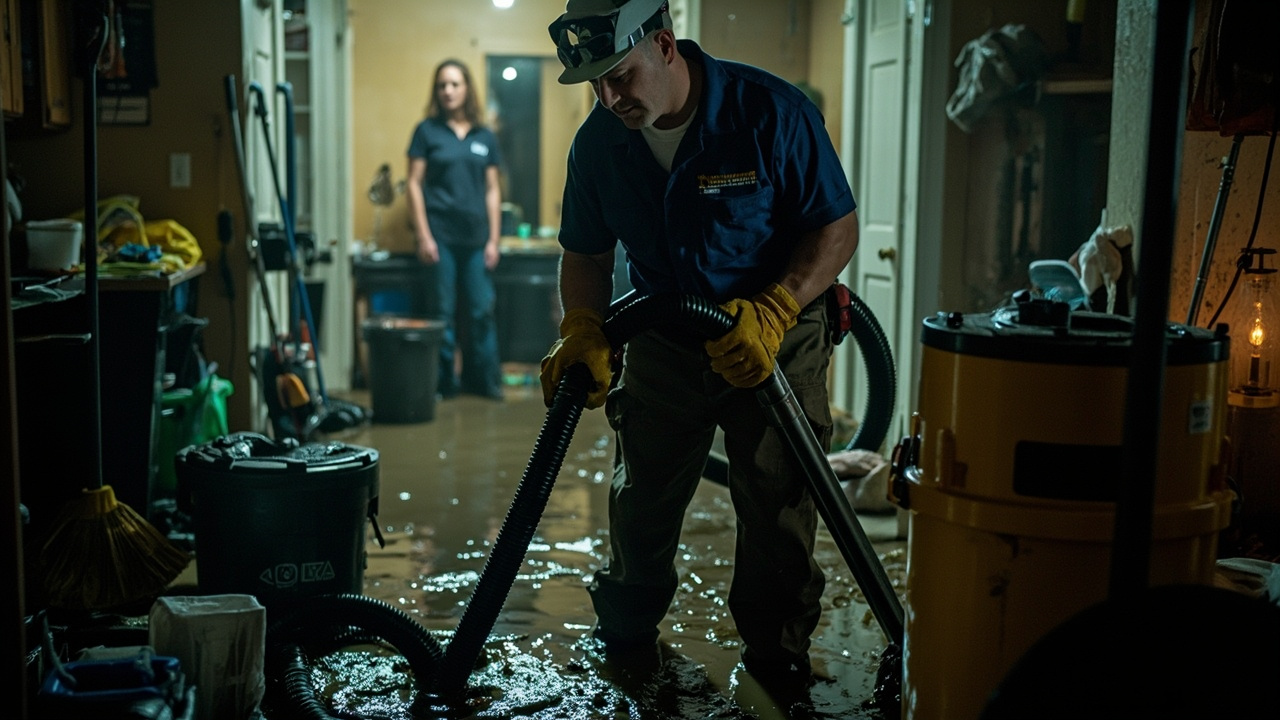
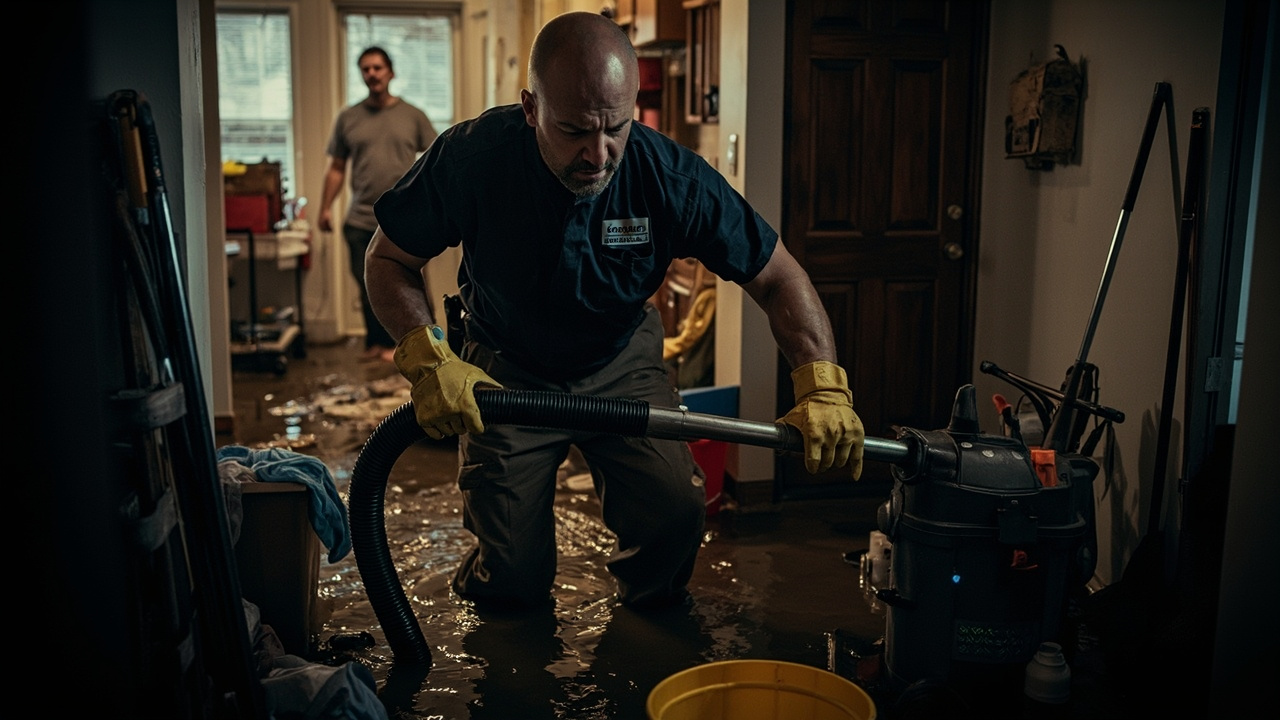
Cincinnati operates one of the nation's largest combined sewer systems, where stormwater and sanitary sewage flow through the same pipes. When spring thunderstorms drop two inches of rain in an hour, the system reaches capacity. The Metropolitan Sewer District diverts overflow into the Mill Creek and Ohio River to prevent treatment plant flooding. However, this surge creates backpressure that forces sewage up through floor drains and toilets in thousands of Cincinnati homes, especially in older neighborhoods with undersized laterals. Homes built before 1950 in Over-the-Rhine, West End, and Lower Price Hill face the highest risk because their sewer connections were designed for much smaller volumes.
Local plumbers in Cincinnati understand the Combined Sewer Overflow problem and how it affects residential properties. We work directly with the Metropolitan Sewer District to determine whether backups originate from municipal main surges or private lateral failures. This distinction matters for liability and insurance coverage. We also understand Cincinnati's Backwater Valve Installation Program, which offers rebates to homeowners who install approved prevention devices. Our technicians are familiar with local permit requirements and inspection protocols specific to Hamilton County. When you need emergency sewer backup cleanup, you need someone who knows Cincinnati's infrastructure, not a national franchise reading from a generic manual.