Menu

Slow Draining Sinks & Showers in Cincinnati | Expert Diagnosis & Permanent Fixes

We identify the root cause of slow running drains, clogged shower drains, and standing water in your home, then fix it right the first time using proven diagnostic tools and drainage solutions.

Slider Image 1
Slider Image 2
Slider Image 3
Slider Image 4
Slider Image 5
Slider Image 7
Slider Image 8
Slider Image 9
Slider Image 10
Slider Image 11

Why Cincinnati Homes Struggle with Sluggish Drainage

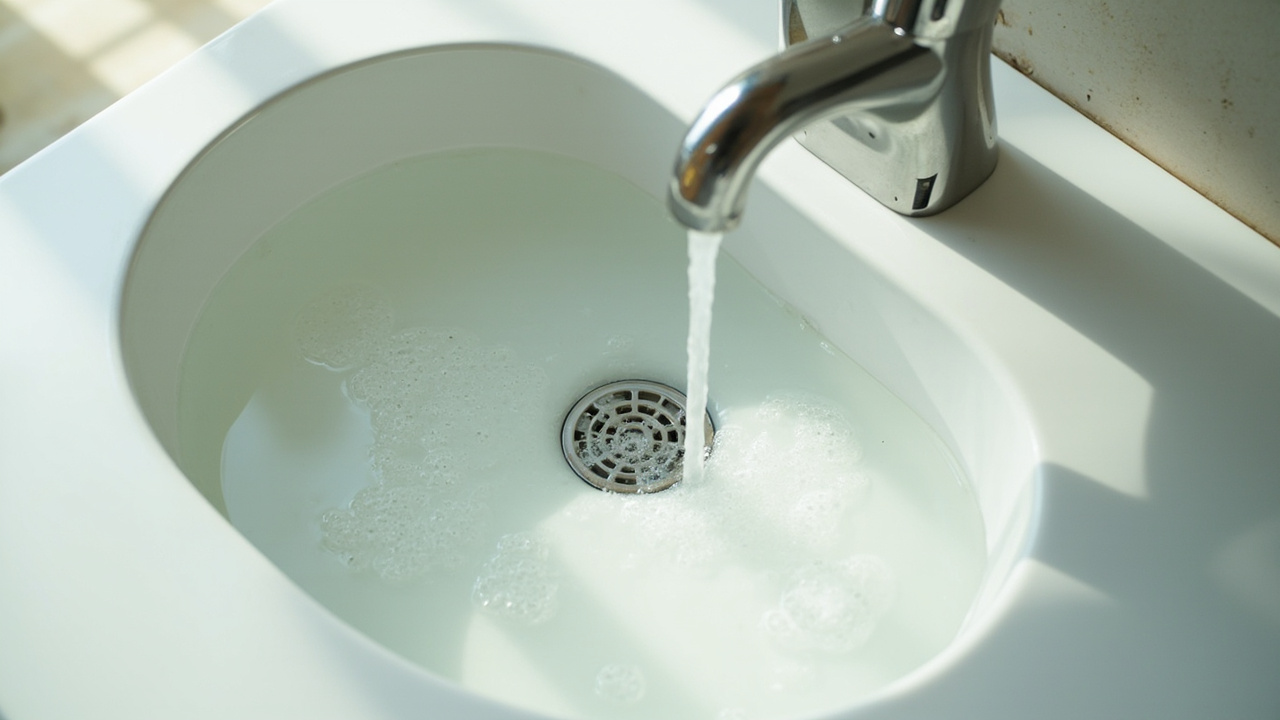
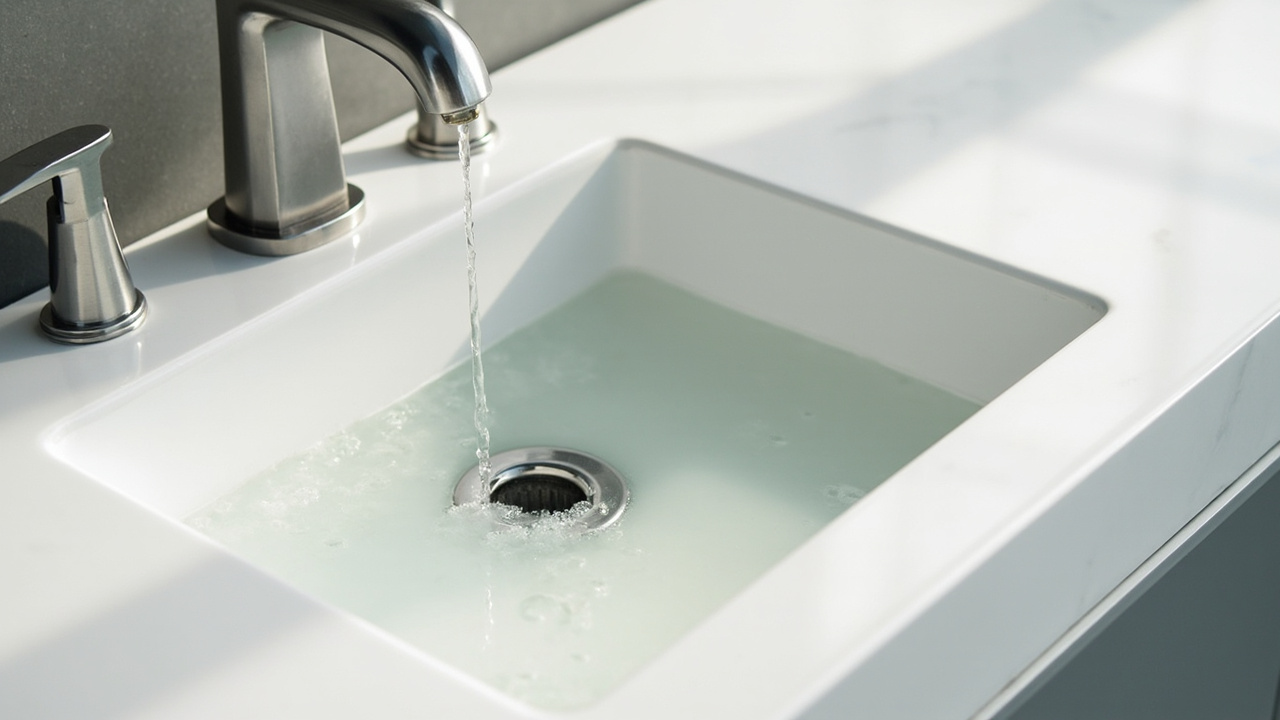
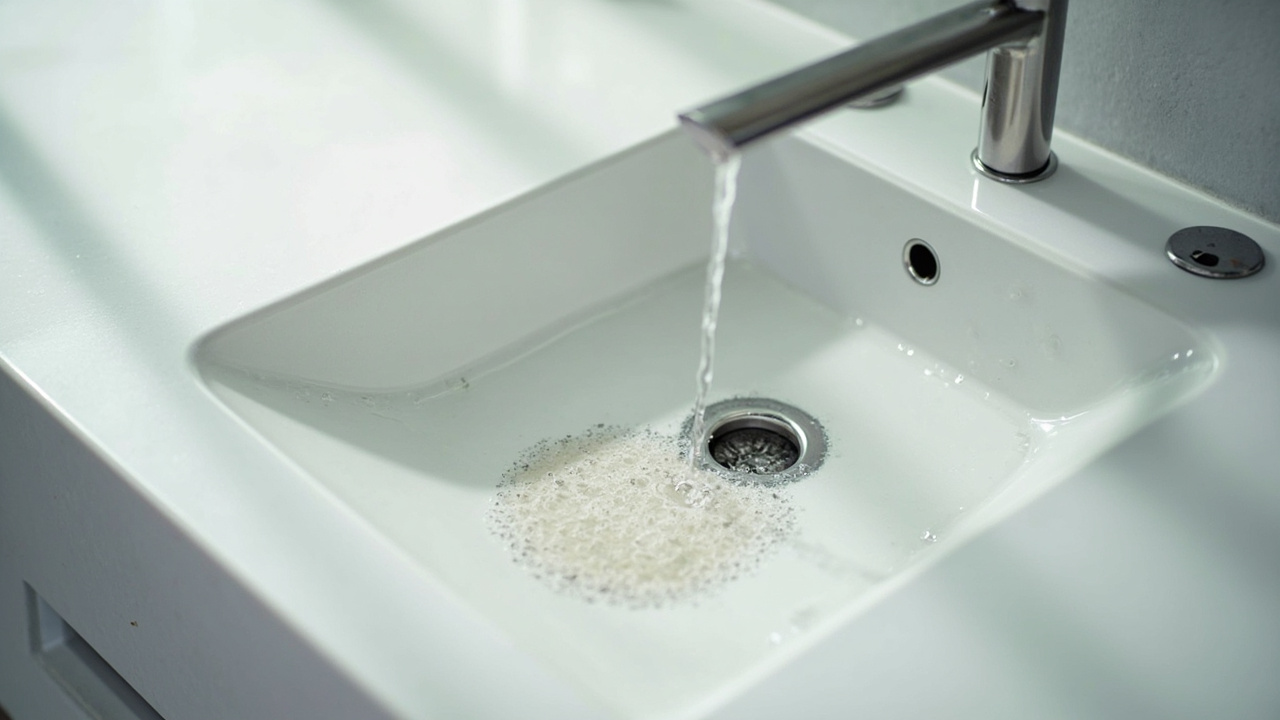
You step into your shower and watch water pool around your feet. Your bathroom sink takes three minutes to empty. Your kitchen drain gurgles after you rinse dishes. This is not normal, and it is not going away on its own.

Cincinnati's hard water creates unique drainage challenges. The high mineral content in our water supply, sourced primarily from the Ohio River and local aquifers, leaves calcium and magnesium deposits inside your pipes. Over time, these deposits narrow the pipe diameter and create rough interior surfaces that catch hair, soap residue, and organic matter.

The problem compounds during winter. When temperatures drop below freezing, any standing water in slow-moving drains can freeze and expand, creating pressure that damages pipe joints and fixtures. This freeze-thaw cycle, common in Greater Cincinnati from December through February, turns a minor blockage into a cracked pipe.

Most homeowners try chemical drain cleaners first. These products rarely work because they cannot reach the actual blockage point in a clogged shower drain or blocked bathtub drain. The chemicals sit in standing water, slowly eating away at your pipe walls while leaving the obstruction intact. You waste money and damage your plumbing system.

Sluggish sink drainage also signals venting issues. Cincinnati's older homes, particularly those in neighborhoods like Mount Adams and Over-the-Rhine, often have outdated drain-waste-vent systems that no longer meet current plumbing codes. When vents fail, drains cannot equalize pressure, creating that characteristic slow gurgle as water fights for space with trapped air.

The longer you wait, the worse it gets. What starts as slow running drains becomes a complete blockage, often on a Sunday night when emergency rates apply.

Why Cincinnati Homes Struggle with Sluggish Drainage
How We Diagnose and Clear Drain Obstructions

How We Diagnose and Clear Drain Obstructions

We do not guess. We use video inspection equipment to see exactly what is blocking your drain line.

Our process starts with a drain camera inspection. We feed a flexible fiber-optic camera through your cleanout access point or directly through the fixture drain. The camera transmits real-time video to a monitor, showing us the exact location, nature, and severity of the obstruction. We can see whether you are dealing with hair and soap buildup, grease accumulation, root intrusion, pipe corrosion, or structural defects.

This diagnostic step matters because different obstructions require different tools. A hair clog responds to cable augering. Grease buildup needs hydro-jetting. Root intrusion requires cutting and possible pipe replacement. Mineral deposits respond to descaling treatment. Using the wrong method wastes your time and money.

For standing water in shower drains caused by hair and soap, we use a professional-grade drum auger with interchangeable cutting heads. The cable rotates at controlled speeds while we feed it through the line, cutting through organic matter without damaging the pipe walls. This is not the flimsy snake you rent from the hardware store. Our equipment reaches 100 feet and handles two-inch to four-inch drain lines.

When we encounter grease or mineral buildup in kitchen sinks, we deploy hydro-jetting equipment. This system shoots water at 3,000 to 4,000 PSI through a specialized nozzle, scouring the entire pipe interior clean. The high-pressure water removes years of accumulated scale and grease while flushing debris out through the main sewer line.

We also test drain venting. A sluggish drain with clear lines often indicates a blocked or improperly sized vent. We use smoke testing to identify vent obstructions and can install air admittance valves where traditional venting is impossible in older Cincinnati homes.

What Happens When We Clear Your Drains

Slow Draining Sinks & Showers in Cincinnati | Expert Diagnosis & Permanent Fixes
01

Initial Drain Assessment

We test all affected fixtures to understand drainage patterns throughout your home. This reveals whether you have a localized clog in one fixture or a main line obstruction affecting multiple drains. We locate cleanout access points, check vent terminations on your roof, and ask about your water usage patterns. This information tells us where to focus our camera inspection and what equipment to prepare.
02

Camera Inspection and Diagnosis

We insert the inspection camera and record the entire drain line from fixture to main sewer connection. You watch the footage with us on our monitor. We show you the exact obstruction, explain what caused it, and outline your repair options. The video documentation also reveals any secondary issues like pipe corrosion, joint separation, or bellied sections that could cause future problems.
03

Clearing and Flow Testing

We clear the obstruction using the appropriate method based on our camera findings. After clearing, we run water through all affected fixtures while monitoring the main line to confirm proper flow velocity and verify complete clearing. We provide before-and-after camera footage documenting the cleared line. You receive a written report detailing what we found, what we did, and any preventive maintenance recommendations specific to your plumbing system.

Why Cincinnati Residents Choose Local Drain Experts

Keystone Plumbing Cincinnati understands the specific challenges your home faces. We work on Cincinnati's unique housing stock every day, from the historic brick homes in Clifton to the ranch houses in Anderson Township to the century-old buildings downtown.

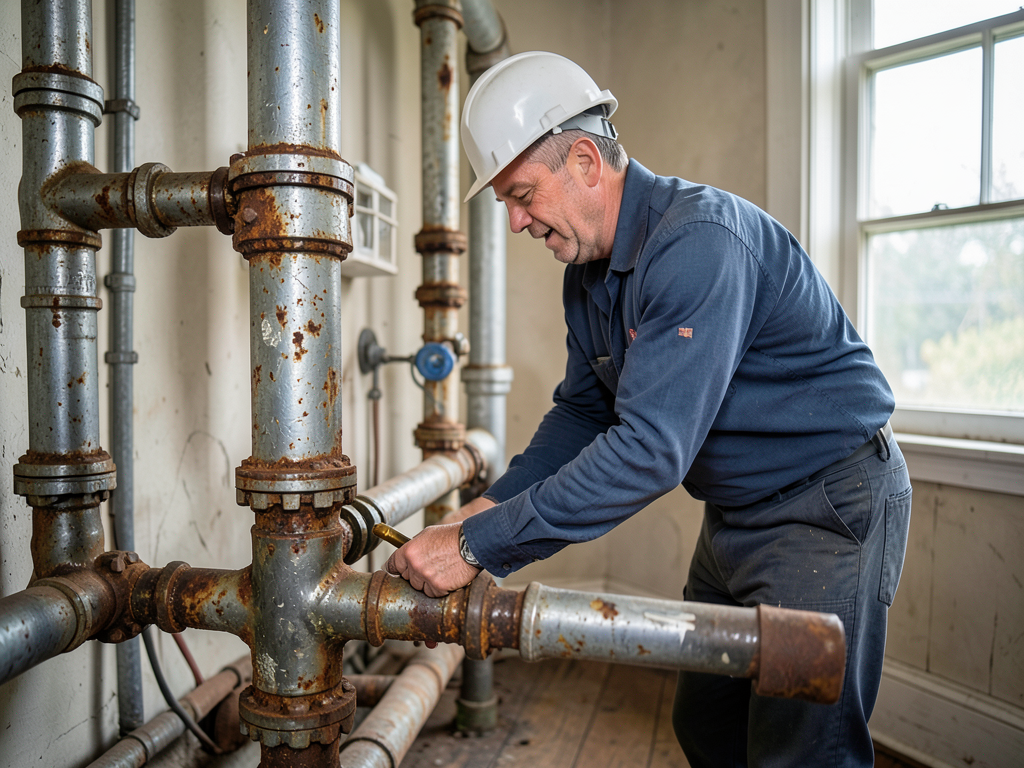
Cincinnati's plumbing infrastructure includes cast iron drain lines installed in the 1940s through 1970s. These pipes corrode from the inside out, creating rough surfaces that catch debris and slow drainage. We recognize the warning signs of cast iron failure and can show you exactly when cleaning makes sense versus when replacement becomes necessary.

We also understand Cincinnati's building codes and permit requirements. When drain repairs require opening walls or replacing sections of pipe, we pull the proper permits and schedule required inspections. This protects your home's value and ensures your insurance coverage remains valid. Unlicensed drain cleaners skip this step, leaving you liable for code violations and potential insurance claim denials.

Our trucks carry commercial-grade equipment not available to general handymen. We own multiple cable machines in different sizes, a trailer-mounted hydro-jetter, and smoke testing equipment. This means we complete your job in one visit instead of multiple trips to rent equipment or try different approaches.

We also provide honest assessments. If your clogged shower drain stems from a problem DIY methods can handle, we tell you. If you need a plumber, we explain why and show you the evidence. This transparency builds trust and eliminates the surprise bills that plague this industry.

Our familiarity with Cincinnati's water quality matters too. We know which neighborhoods deal with high iron content, which areas have particularly hard water, and how seasonal flooding in low-lying areas near the Mill Creek affects drainage systems. This local knowledge informs our diagnostic approach and our maintenance recommendations.

What to Expect from Our Drain Clearing Service

Response Time and Scheduling

We offer same-day service for urgent drainage issues throughout Hamilton County. If you call before noon on a weekday, we can typically arrive that afternoon. Non-emergency appointments schedule within 48 hours. We provide two-hour arrival windows and call 30 minutes before arrival. Our technicians carry the diagnostic and clearing equipment needed for most residential drain problems, which means we complete your job in a single visit. Emergency service is available 24/7 for situations involving sewage backup or complete drainage failure.

The Diagnostic Process

Your service begins with a detailed conversation about symptoms, duration, and any DIY methods you have tried. We test all fixtures to map your drainage system and identify patterns. We then perform a camera inspection, which takes 15 to 30 minutes depending on your home's layout and pipe accessibility. You watch the inspection footage with us and receive a clear explanation of what we find. We quote the clearing cost before starting work, with no hidden fees or surprise charges added later.

Clearing Results and Verification

Most residential drain clogs clear within 30 to 90 minutes once we identify the location and nature of the obstruction. We use the appropriate clearing method for your specific situation, not a one-size-fits-all approach. After clearing, we run water through your system while monitoring the main line to verify proper flow. You receive before-and-after camera footage showing the cleared drain line. We also clean any mess created during the service and haul away debris from the clearing process.

Ongoing Maintenance Recommendations

Your service includes a written report documenting what we found, what we cleared, and specific maintenance recommendations for your plumbing system. For homes with recurring drainage issues, we offer preventive maintenance plans that include annual camera inspections and cleaning before problems develop. We also educate you on what causes clogs in your specific situation and how to minimize future buildup. If our inspection reveals underlying pipe damage or structural issues, we provide detailed replacement cost estimates and can schedule follow-up work.

Frequently Asked Questions

You Have Questions,
We Have Answers

Why does my bathroom sink and shower water drain slowly? +

Slow drainage in bathroom sinks and showers happens when hair, soap scum, and mineral deposits build up inside the drain line. Hair binds with soap residue to form sticky clumps that narrow the pipe. Cincinnati's hard water makes this worse. Minerals from our water supply leave calcium deposits that coat pipe walls. Over time, these layers restrict water flow. Older homes in neighborhoods like Over-the-Rhine or Mount Adams often have cast iron or galvanized pipes that corrode internally, creating rough surfaces where debris catches easily. The buildup starts small but compounds quickly.

What do plumbers recommend for slow drains? +

Professional plumbers recommend mechanical removal over chemical treatments. A drain snake or auger physically breaks up and removes clogs without damaging pipes. For stubborn blockages, hydro-jetting uses high-pressure water to scour pipe walls clean. This works well in Cincinnati homes with older plumbing systems. Plumbers may also suggest enzyme-based cleaners for maintenance, which digest organic matter safely. If you have recurring slow drains, camera inspection helps identify root intrusion, pipe belly, or scale buildup. Addressing the cause prevents repeat problems. Regular maintenance prevents expensive repairs later.

Why is my sink draining slow but not clogged? +

Your sink drains slowly when partial blockage restricts flow without stopping it completely. A thin layer of soap scum, toothpaste residue, and biofilm coats the pipe interior. Water still moves through but slower than normal. This happens before a full clog develops. Cincinnati's hard water accelerates this buildup. The minerals bond with soap to create a sticky film that clings to drain walls. You may also have improper venting. If air cannot enter the drain system, water cannot displace it efficiently. The drain gurgles or bubbles as it struggles to evacuate.

How to tell if a P-trap is clogged? +

Check for water pooling in your sink or standing water that drains very slowly. Remove the P-trap, the curved pipe section under your sink. Place a bucket underneath first. If you find hair clumps, grease, or black sludge inside, you have a clogged trap. You may also notice a foul smell coming from the drain. That odor comes from decomposing organic matter trapped in the curve. Cincinnati homes with older galvanized traps often see corrosion and buildup inside the bends. If water flows freely after you clean the trap, you found your problem.

What are the signs of a serious clog? +

Multiple drains backing up at once signals a main line blockage. This requires immediate attention. Water backing up into other fixtures when you flush a toilet or run a washing machine means the clog sits downstream. You may hear gurgling from drains throughout the house. Sewage odors coming from multiple drains indicate a serious blockage or even a broken sewer line. Standing water that refuses to drain at all points to complete obstruction. Tree root intrusion is common in Cincinnati's older neighborhoods. These clogs can cause sewage backups into your home if ignored.

Why should you never use baking soda and vinegar to unclog a drain? +

Baking soda and vinegar create a fizzy reaction that looks impressive but does not clear clogs. The chemical reaction produces carbon dioxide gas and water. It lacks the strength to dissolve hair, grease, or soap buildup. The foam cannot generate enough pressure to push blockages through pipes. This method wastes time when you need real solutions. Worse, if you use this after pouring chemical drain cleaner, you create a dangerous mixture. The combination can produce toxic fumes or cause pipes to crack from thermal shock. Stick with mechanical removal or call a plumber.

Why pour salt down the drain every night? +

Pouring salt down your drain does not prevent clogs. This old myth suggests salt dissolves grease or scours pipes clean. Salt does not dissolve organic matter like hair or soap scum. It can corrode metal pipes over time, especially in Cincinnati homes with older galvanized or copper plumbing. The abrasive action some people claim is too mild to remove buildup. Salt may temporarily mask odors but does nothing for the underlying blockage. Save your salt for cooking. If you want drain maintenance, use enzyme cleaners monthly or schedule professional cleaning.

Is a slow drain covered by home insurance? +

Home insurance typically does not cover slow drains caused by lack of maintenance. Insurance covers sudden, accidental damage like a burst pipe or sewer backup from external causes. If tree roots invade your sewer line from the street, coverage depends on your policy and whether the damage originated outside your property line. Gradual clogs from normal use are considered maintenance issues. Cincinnati homeowners should check their specific policy language. Some policies offer sewer line endorsements that cover backups. Preventive maintenance like annual drain cleaning protects your investment and avoids insurance disputes.

Is a slow flush always a clog? +

A slow toilet flush does not always mean a clog. Low water level in the tank reduces flush power. Check the float and fill valve settings. Mineral deposits from Cincinnati's hard water can block the rim jets under the toilet bowl lip. These small holes spray water during the flush cycle. When clogged, the flush weakens. Partial blockage in the toilet trap or drainpipe causes slow drainage too. If plunging does not help, you may have a venting issue. Blocked roof vents prevent proper air exchange, making toilets flush sluggishly even without clogs.

What's the best thing to put down the drain so it goes faster? +

The best thing for faster drainage is hot water flushed through the drain weekly. Boil water and pour it slowly down the sink to melt soap and grease buildup. For maintenance, use enzyme-based drain cleaners monthly. These biological treatments digest organic matter without harming pipes. Never pour chemical drain cleaners regularly. They corrode pipes and damage older plumbing common in Cincinnati homes. If you have persistent slow drains, do not mask the problem with products. Schedule professional drain cleaning. A plumber can hydro-jet your lines or mechanically remove buildup for long-term results.

How Cincinnati's Hard Water Accelerates Drain Blockages

Cincinnati's water supply contains 12 to 15 grains per gallon of hardness minerals, making it moderately to very hard depending on your specific neighborhood. This mineral content leaves deposits inside your drain lines every time water flows through them. The deposits create a rough interior surface that catches hair, soap scum, and grease. Over years, the buildup narrows your pipe diameter and slows drainage. This problem hits shower drains particularly hard because soap combines with hard water minerals to form an insoluble residue that coats pipe walls. Homes without water softeners experience faster buildup rates and more frequent blockages.

Cincinnati's older neighborhoods contain decades-old galvanized steel and cast iron drain lines that corrode faster in hard water conditions. These corroded pipes develop interior rust and scale that accelerate clog formation. Local plumbing codes now require PVC or ABS plastic for drain lines in new construction and renovations, but most existing homes still operate with original metal piping. Understanding these local infrastructure realities matters when diagnosing chronic drainage problems. We work with Cincinnati's housing stock daily and recognize when slow drains indicate pipe material failure rather than simple blockages.
Plumbing Services in The Cincinnati Area

We are proud to serve the entire area, providing exceptional plumbing services to our community. Our service area covers all of the city and its surrounding neighborhoods. Use the map to see our location and get directions, or simply give us a call to schedule a service. Our team is always ready to travel to your location to address your plumbing needs quickly and efficiently, ensuring you receive the prompt service you deserve.

Address:
Keystone Plumbing Cincinnati, 71 E Hollister St, Cincinnati, OH, 45219

Additional Services We Offer

Our news updates

Latest Articles & News from The Blogs

Why a Whole House Repiping Project in St. Bernard is a Smart Investment If you own a home in St.…

Why a Whole House Repiping Project in St. Bernard is a Smart Investment

Why a Whole House Repiping Project in St. Bernard is a Smart Investment If you own a home in St.…

Do You Know Exactly Where the Main Water Shut-Off Valve is in Your Silverton Home?

Do You Know Exactly Where the Main Water Shut-Off Valve is in Your Silverton Home? A burst pipe can dump…

Protecting the Exposed Plumbing in Your Madisonville Crawl Space From Rodents and Cold

Protecting the Exposed Plumbing in Your Madisonville Crawl Space From Rodents and Cold \n\n Exposed pipes in Madisonville crawl spaces…

Contact Us

Call Keystone Plumbing Cincinnati at (513) 717-2899 right now for same-day drain clearing service. We diagnose the actual problem, clear it completely, and show you proof with camera footage. No guessing, no repeat visits, no drain cleaner damage.