Menu

Dripping Faucets & Leaks in Cincinnati | Expert Diagnosis Stops Water Waste Fast

Our licensed plumbers identify the root cause of your leaky faucet or dripping tap quickly, preventing water damage and stopping that constant dripping sound that drives you crazy.

Slider Image 1
Slider Image 2
Slider Image 3
Slider Image 4
Slider Image 5
Slider Image 7
Slider Image 8
Slider Image 9
Slider Image 10
Slider Image 11

Why Cincinnati Faucets Fail Faster Than You Think

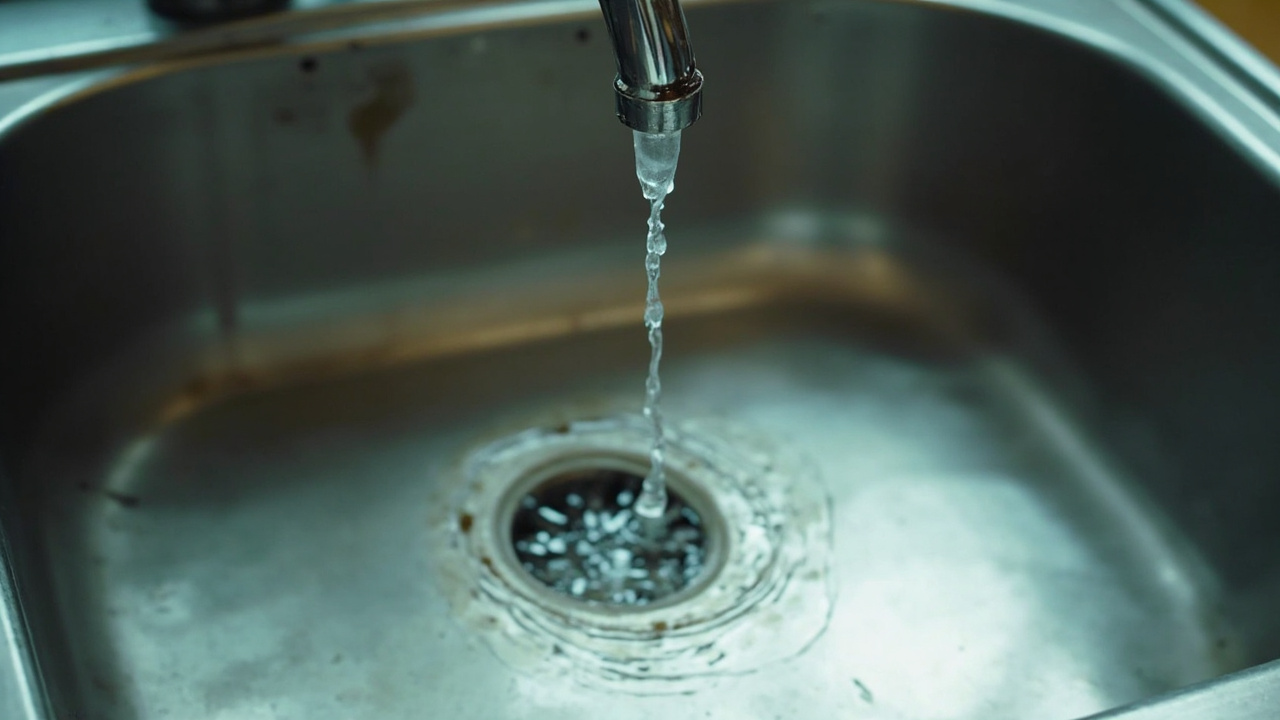
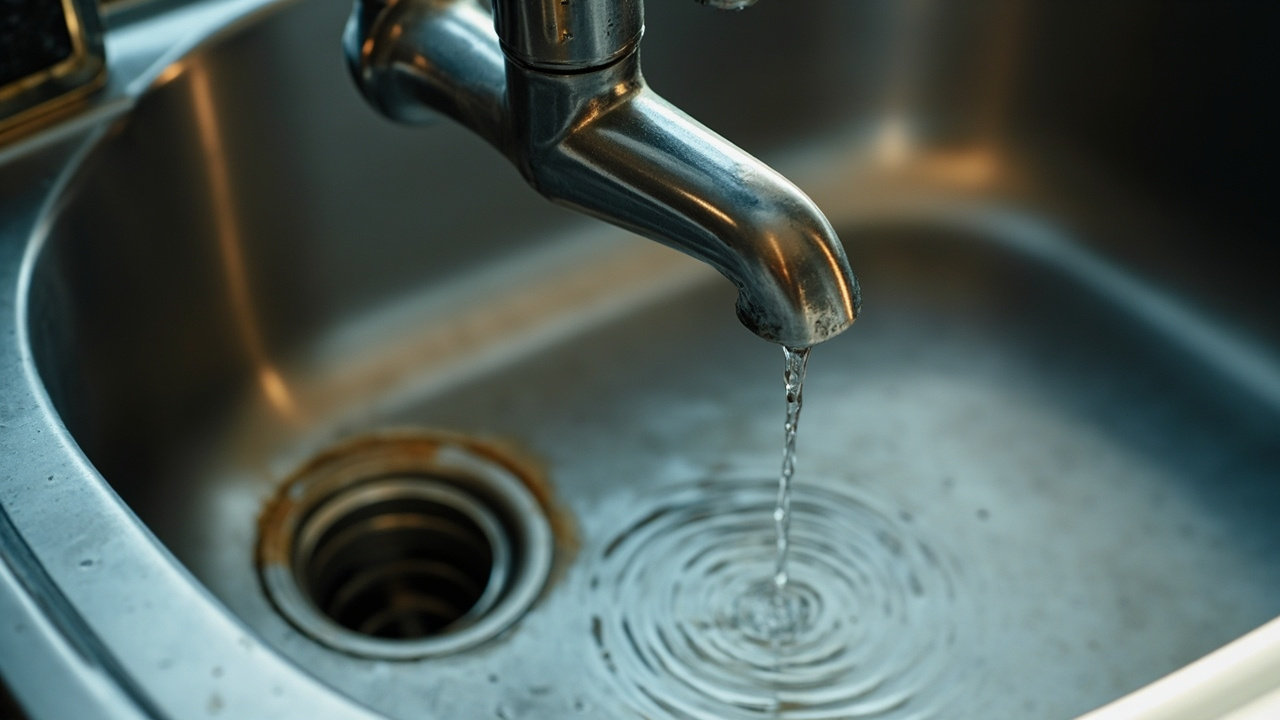
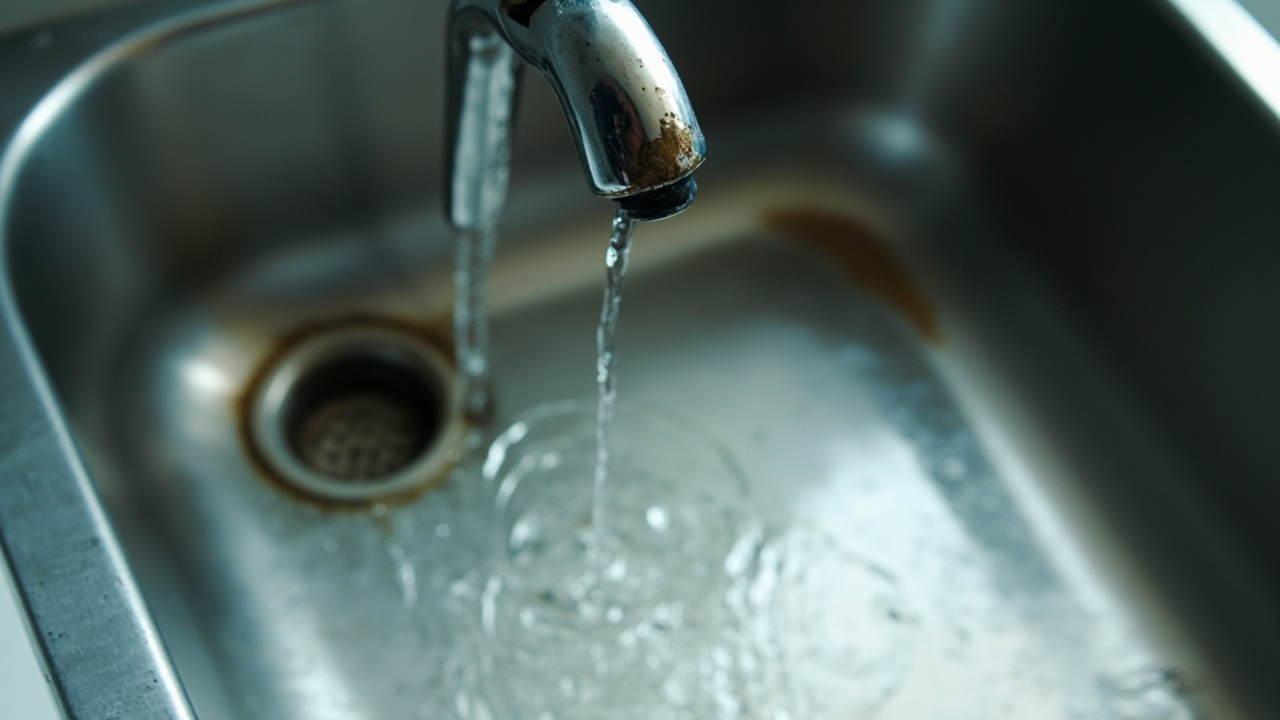
You hear it at night when the house is quiet. That steady drip from the kitchen faucet or bathroom tap. You tell yourself you'll fix it later, but weeks turn into months. That leaking spigot is now wasting gallons of water every day, and your utility bill proves it.

Cincinnati's hard water accelerates faucet failure. Our water supply contains high levels of calcium and magnesium that build up inside valve seats and corrode washers. The Ohio River water treatment process helps, but mineral deposits still form on internal components faster than in softer water regions. A dripping tap that starts as a minor annoyance becomes a constant water leak within months.

Freeze-thaw cycles make it worse. When winter temperatures drop below freezing, even brief cold snaps cause metal components to contract. Your faucet handles expand and contract repeatedly, loosening compression fittings and wearing down seals. By spring, that occasional drip becomes a steady stream.

Older homes in neighborhoods like Mount Adams, Hyde Park, and Oakley have galvanized supply lines that corrode from the inside out. You replace the faucet, but the leak returns because the real problem is upstream. A leaky faucet is often a symptom of deeper supply line issues.

The sound keeps you awake. The waste adds up. And that wet cabinet base underneath? That's the beginning of mold growth and wood rot. What starts as a simple dripping faucet becomes structural damage if you wait too long.

Why Cincinnati Faucets Fail Faster Than You Think
How We Actually Fix Leaky Faucets the Right Way

How We Actually Fix Leaky Faucets the Right Way

Most plumbers slap in a new washer and call it done. The dripping stops for a month, then returns. We diagnose the actual cause.

We start with the valve seat. This is where the compression washer seals against the faucet body to stop water flow. Mineral buildup creates an uneven surface that prevents proper sealing. We use a valve seat dresser to resurface the brass and restore a smooth contact point. If the seat is corroded beyond dressing, we extract it with a seat wrench and install a new one.

Cartridge faucets require different tools. We identify the manufacturer (Moen, Delta, Kohler) and pull the correct replacement cartridge. Generic parts fail quickly. We use OEM components that match your faucet's specifications exactly. The O-rings and seals inside these cartridges degrade from Cincinnati's chlorinated water. Replacement restores proper function.

For ceramic disc faucets, we inspect the disc assembly for cracks or sediment buildup. Hard water particles get trapped between the discs and prevent them from sealing completely. Cleaning sometimes works, but replacement is often necessary for a permanent fix.

We check supply line condition while we're under the sink. Braided stainless lines are fine. Old rubber hoses with bulges need replacement before they burst. We also inspect the shutoff valves. If they leak when we test them, we replace them during the same visit. A faucet repair is pointless if your shutoff valve fails next week.

Keystone Plumbing Cincinnati technicians carry a full range of parts and specialized tools. We complete most faucet repairs in one visit without return trips for missing components.

What Happens When You Call Us About That Leak

Dripping Faucets & Leaks in Cincinnati | Expert Diagnosis Stops Water Waste Fast
01

Same-Day Inspection Scheduling

You call our dispatch line and describe the leak. We ask specific questions about the faucet type, leak location, and how long it's been dripping. Most faucet repairs qualify for same-day or next-day service windows. We give you a two-hour arrival window and call 30 minutes before the technician arrives. No waiting around all day for a leaky faucet repair.
02

Diagnostic Testing and Repair

Our plumber disassembles the faucet handle and inspects internal components. We identify worn washers, damaged O-rings, corroded valve seats, or cracked cartridges. You see the failed parts before we replace them. We explain what caused the failure and show you the mineral buildup or component damage. Then we install new parts, reassemble the faucet, and test it under full water pressure to confirm the dripping stopped.
03

Water Pressure Verification

After the repair, we check your water pressure at the fixture. Excessive pressure (above 80 psi) will cause premature faucet failure again. If your pressure is too high, we recommend a pressure reducing valve for your main line. We also inspect adjacent fixtures for similar wear patterns. You get a written summary of what we fixed and recommendations for preventing future leaks throughout your plumbing system.

Why Cincinnati Homeowners Choose Local Plumbers Who Know the Water

Cincinnati water is hard. The Greater Cincinnati Water Works reports mineral content between 12 and 16 grains per gallon depending on your neighborhood's supply source. That's moderate to hard on the water hardness scale. Plumbers who don't work here regularly don't account for how quickly this damages faucet components.

We see the same patterns across the city. Homes near the river in areas like East End and Riverside have slightly different water chemistry than hilltop neighborhoods like Price Hill or Mount Washington. Supply line age matters too. Historic districts with century-old plumbing need different approaches than new construction in Liberty Township.

Keystone Plumbing Cincinnati has repaired thousands of leaky faucets in every Cincinnati neighborhood. We know which faucet brands hold up better in our water conditions. We know that compression faucets fail faster here than ceramic disc models. We stock the parts that actually work long-term in Cincinnati homes.

Local building codes matter for fixture replacements. If we're installing a new faucet instead of repairing the old one, it must meet current Hamilton County plumbing code requirements for flow rate and backflow prevention. We pull permits when required and ensure your installation passes inspection.

You're not calling a national franchise that sends a different technician every time. You're working with plumbers who live in Cincinnati, drink the same water, and deal with the same plumbing challenges in their own homes. We understand why that dripping tap in your Northside Victorian behaves differently than a leaking spigot in a West Chester subdivision built last year.

That local knowledge translates to faster diagnosis, correct parts the first time, and repairs that actually last.

What to Expect During Your Faucet Leak Repair

Response Time and Availability

Most dripping faucets qualify for same-day service if you call before noon. We run multiple service trucks throughout Hamilton County and nearby areas. Emergency leaks (like a faucet that won't shut off) get priority dispatch within two hours. Standard leaky faucet repairs typically happen within 24 hours of your call. We work evenings and weekends because we know that constant dripping sound doesn't wait for business hours. Our dispatch team gives you accurate arrival windows and updates you if anything changes.

Initial Assessment Process

The technician starts by asking when you first noticed the dripping tap and whether the leak is constant or intermittent. We test the faucet handle operation and check for loose components. Next, we shut off the water supply and disassemble the faucet to expose the valve mechanism. You see exactly what failed and why. We photograph damaged parts if needed for your records. Most faucet leak diagnoses take 10 to 15 minutes. We explain your options (repair versus replacement) and provide pricing before starting any work.

Repair Quality and Testing

We use manufacturer-specified replacement parts, not generic hardware store components that fail quickly. After installing new washers, cartridges, or valve seats, we reassemble everything and restore water supply gradually to avoid pressure surges. The technician operates the faucet through multiple on-off cycles while checking for any signs of water leakage around the base or handles. We let the water run for several minutes and verify no dripping occurs after shutoff. You watch the entire testing process and confirm the leak is eliminated before we clean up and leave.

Service Follow-Up and Prevention

Every faucet repair includes a written service report detailing what we fixed and which parts we replaced. We don't offer specific warranty terms, but we stand behind our workmanship. If the same component fails due to installation error, we return and correct it. We also provide maintenance recommendations based on your water quality. For homes with severe hard water issues, we suggest water softener installation to extend the life of all your fixtures. You receive care instructions for your specific faucet type to maximize component lifespan.

Frequently Asked Questions

You Have Questions,
We Have Answers

How do I get my faucet to stop dripping? +

Turn off the water supply under the sink. Remove the faucet handle by loosening the screw, often hidden under a decorative cap. Pull out the cartridge or stem assembly and inspect the rubber washers and O-rings. Replace any worn or damaged parts with exact matches from a hardware store. Reassemble the faucet in reverse order and turn the water back on. If the drip continues, the valve seat may be corroded and require professional replacement. Cincinnati's hard water accelerates wear on these internal components.

What is the most common cause of a dripping faucet? +

Worn rubber washers cause most dripping faucets. Every time you turn the handle, the washer presses against the valve seat to stop water flow. Repeated contact wears down the washer over time. Cincinnati's mineral-heavy water speeds up this degradation by leaving deposits on valve seats, creating uneven surfaces that prevent proper sealing. Other common causes include corroded valve seats, loose O-rings, and damaged cartridges in single-handle faucets. The constant drip wastes water and increases your utility bill unnecessarily.

Should you let all faucets drip? +

Only let faucets drip during hard freezes when temperatures drop below 20 degrees Fahrenheit. Cincinnati typically sees these conditions a few nights each winter. Open the cabinet doors under sinks along exterior walls to allow warm air circulation. A slow drip, about five drips per minute, keeps water moving through pipes and prevents freezing. Focus on faucets farthest from your water heater or those on outside walls. Turn off the drip once temperatures rise above freezing to avoid wasting water and money.

Is a dripping faucet considered a leak? +

Yes, a dripping faucet is a leak. The distinction matters for your water bill and potential property damage. Even a slow drip wastes thousands of gallons yearly. Unlike burst pipe leaks, faucet drips rarely cause immediate structural damage, but they signal failing internal components. Cincinnati homeowners often ignore small drips until mineral deposits stain sinks or water bills spike. Address faucet leaks promptly to prevent waste and avoid more expensive repairs. Some homeowner insurance policies may not cover damage from neglected maintenance issues like chronic dripping faucets.

Why does a faucet still drip when the water is turned off? +

Internal components have failed. When you turn off a compression faucet, a rubber washer should press firmly against the valve seat to block water flow. If the washer is worn, cracked, or incorrectly sized, water seeps past. The valve seat itself may be pitted or corroded from Cincinnati's hard water, preventing a tight seal. In cartridge or ceramic disc faucets, damaged seals or cracked cartridges allow water through. Loose packing nuts or worn O-rings also create leaks that appear as drips after shutting off the handle.

What does spraying WD-40 in a faucet do? +

WD-40 temporarily loosens mineral deposits and lubricates moving parts, but it does not fix a dripping faucet. Spraying it on a stuck handle or corroded threads helps disassembly during repairs. However, WD-40 is not a plumbing lubricant and breaks down rubber washers and O-rings over time. Cincinnati's hard water leaves calcium and lime buildup inside faucets. While WD-40 may quiet a squeak or ease a stiff handle, you still need to replace worn washers and seals to stop the drip permanently. Use proper plumber's grease during reassembly.

Should I call a plumber for a dripping faucet? +

Call a plumber if you lack tools, time, or confidence to repair it yourself. A dripping faucet seems simple, but Cincinnati's hard water often creates complications like seized cartridges or corroded valve seats that require special tools. If you replaced washers and the faucet still drips, the valve seat needs resurfacing or the entire assembly may need replacement. Plumbers diagnose the root cause quickly and carry the correct parts. For older fixtures or persistent leaks after DIY attempts, professional repair saves you frustration and prevents accidental damage to plumbing.

What is the dripping faucet theory? +

The dripping faucet theory describes how small, persistent actions create significant change over time. Just as a single water drop seems insignificant, repeated drips erode stone or fill a bucket. Psychologists use this metaphor to explain habit formation and incremental progress. In plumbing terms, the theory holds true literally. A faucet dripping once per second wastes over 3,000 gallons yearly. Cincinnati homeowners who ignore small drips face higher water bills and potential fixture damage. The principle applies broadly: small leaks demand attention before they become expensive problems.

Can I fix a dripping tap myself? +

You can fix a dripping compression faucet yourself if you have basic tools and patience. Turn off the water supply, disassemble the faucet, and replace the rubber washer and O-rings. Cartridge and ceramic disc faucets require replacing the entire cartridge unit, which is straightforward but needs the correct replacement part. Cincinnati's hard water complicates DIY repairs when mineral buildup seizes components. If parts are stuck, corroded, or you lack confidence, call a professional. Incorrect repairs can damage the faucet body and turn a simple fix into an expensive replacement.

What temperature do you need to leave faucets dripping? +

Set your drip when temperatures fall to 20 degrees Fahrenheit or below. Cincinnati experiences these hard freezes sporadically between December and February. You do not need a specific indoor temperature, but rather watch the outdoor forecast. A slow drip of about five drips per minute keeps water moving through vulnerable pipes on exterior walls or in unheated spaces like crawlspaces. Open cabinet doors under sinks to circulate warm air. Stop the drip once temperatures climb above freezing. Continuous dripping wastes water and money when not genuinely needed for freeze protection.

How Cincinnati's Water Chemistry Creates Persistent Faucet Leaks

The Greater Cincinnati Water Works treats water from the Ohio River and underground aquifers. Both sources contain dissolved calcium carbonate and magnesium that remain in the finished water supply. These minerals precipitate out when water sits in your pipes overnight, forming scale deposits on valve seats and inside cartridge chambers. A leaking spigot on your outdoor hose bib happens faster than indoor faucets because temperature fluctuations accelerate mineral crystallization. The dripping tap you ignored all summer becomes a faucet water leak you can't stop by October. Compression-style faucets suffer the most because the brass valve seats pit and corrode from constant mineral contact.

Cincinnati's plumbing code follows the Ohio Plumbing Code with Hamilton County amendments. Any faucet replacement must include proper air gaps for backflow prevention and flow restrictors that limit water to 2.2 gallons per minute. Older homes in historic districts like Clifton and Mount Auburn often have non-compliant fixtures installed decades ago. When we repair a constant dripping problem on these vintage faucets, we inform you about code requirements if replacement becomes necessary. Working with a local plumber who knows these regulations prevents compliance issues and ensures your repair work meets current standards for resale and insurance purposes.
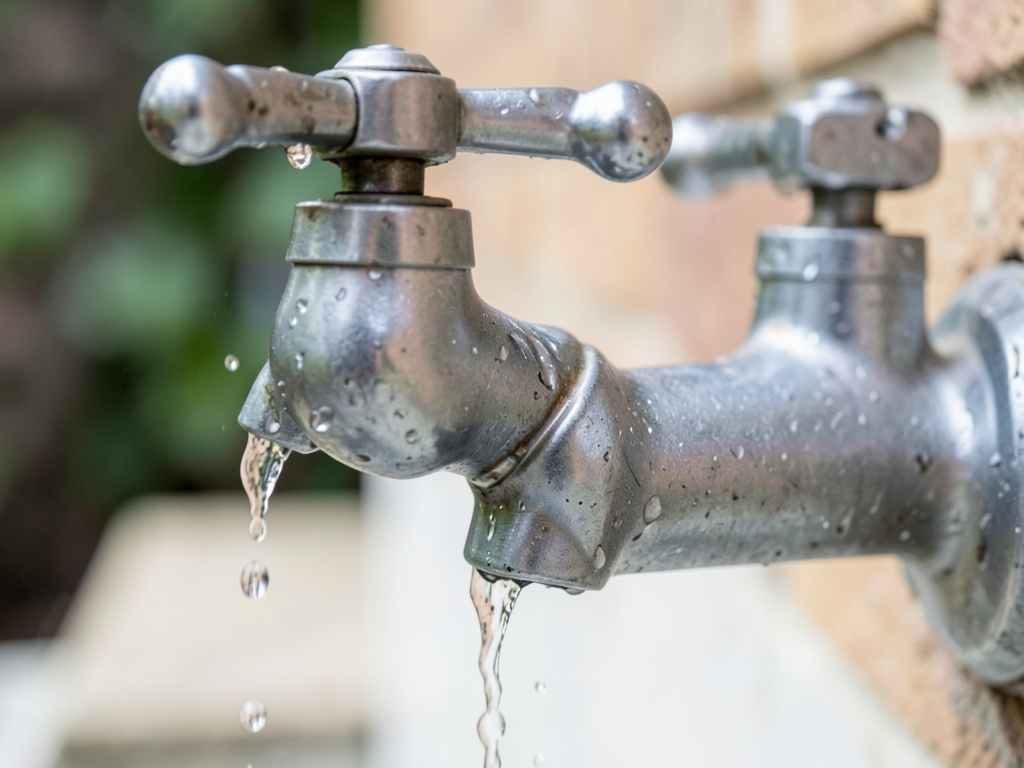
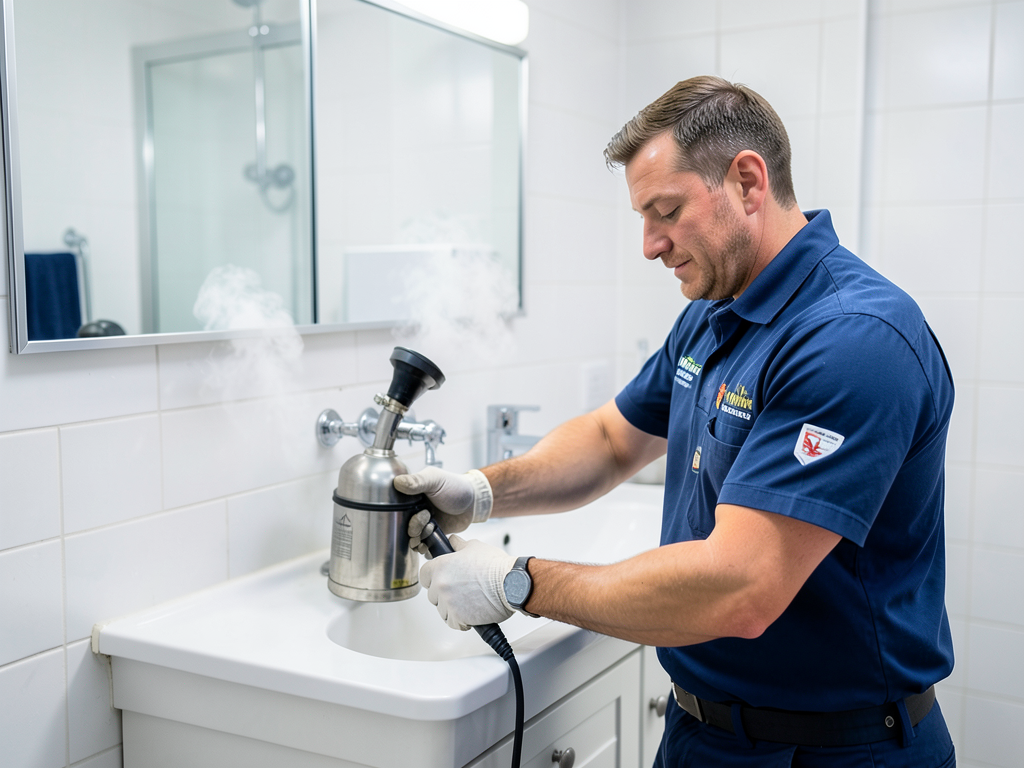
Plumbing Services in The Cincinnati Area

We are proud to serve the entire area, providing exceptional plumbing services to our community. Our service area covers all of the city and its surrounding neighborhoods. Use the map to see our location and get directions, or simply give us a call to schedule a service. Our team is always ready to travel to your location to address your plumbing needs quickly and efficiently, ensuring you receive the prompt service you deserve.

Address:
Keystone Plumbing Cincinnati, 71 E Hollister St, Cincinnati, OH, 45219

Additional Services We Offer

Our news updates

Latest Articles & News from The Blogs

Why a Whole House Repiping Project in St. Bernard is a Smart Investment If you own a home in St.…

Why a Whole House Repiping Project in St. Bernard is a Smart Investment

Why a Whole House Repiping Project in St. Bernard is a Smart Investment If you own a home in St.…

Do You Know Exactly Where the Main Water Shut-Off Valve is in Your Silverton Home?

Do You Know Exactly Where the Main Water Shut-Off Valve is in Your Silverton Home? A burst pipe can dump…

Protecting the Exposed Plumbing in Your Madisonville Crawl Space From Rodents and Cold

Protecting the Exposed Plumbing in Your Madisonville Crawl Space From Rodents and Cold \n\n Exposed pipes in Madisonville crawl spaces…

Contact Us

That leaky faucet wastes 3,000 gallons per year. Call Keystone Plumbing Cincinnati now at (513) 717-2899 for same-day service. We fix it right the first time so you can sleep without hearing that drip.