Menu

Mold in Bathroom Cabinets in Cincinnati – Expert Diagnosis and Plumbing Solutions to Stop Hidden Growth

We trace mold in bathroom cabinets back to the hidden plumbing leak or ventilation failure causing it, then fix the source to prevent recurrence across Cincinnati's high-humidity homes.

Slider Image 1
Slider Image 2
Slider Image 3
Slider Image 4
Slider Image 5
Slider Image 7
Slider Image 8
Slider Image 9
Slider Image 10
Slider Image 11

Why Cincinnati Bathrooms Breed Mold Inside Vanities and Cabinets

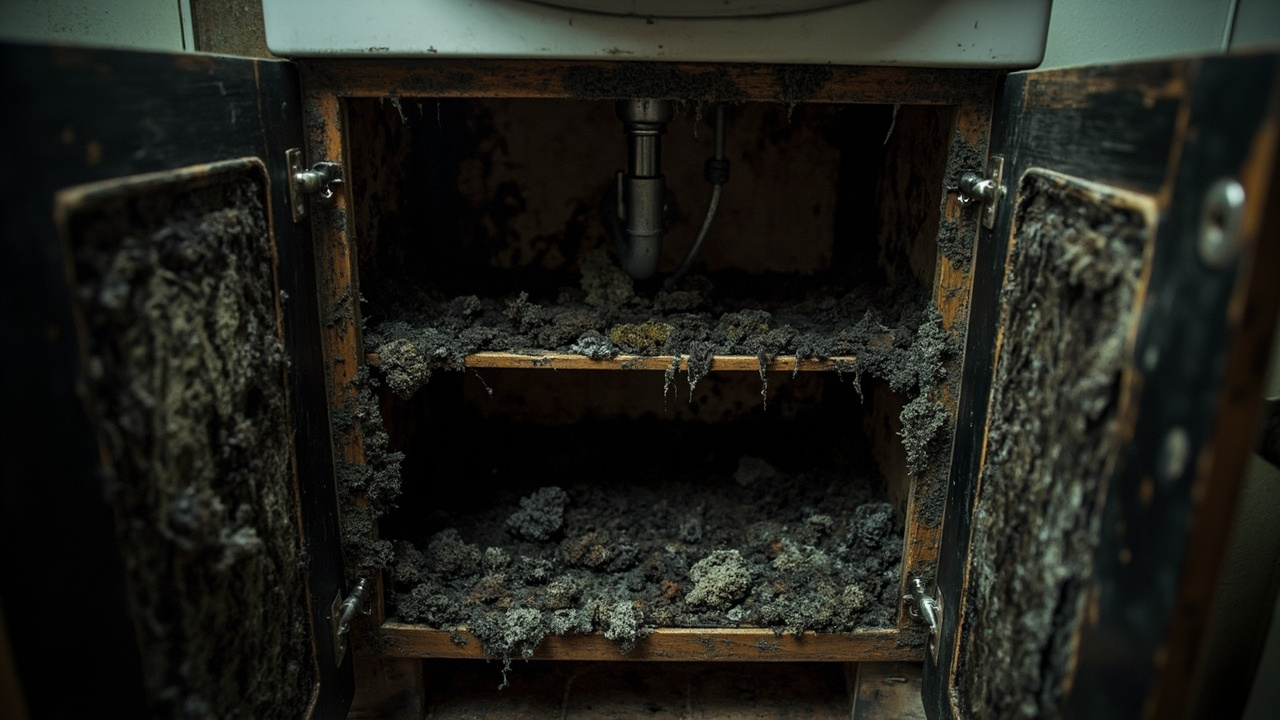
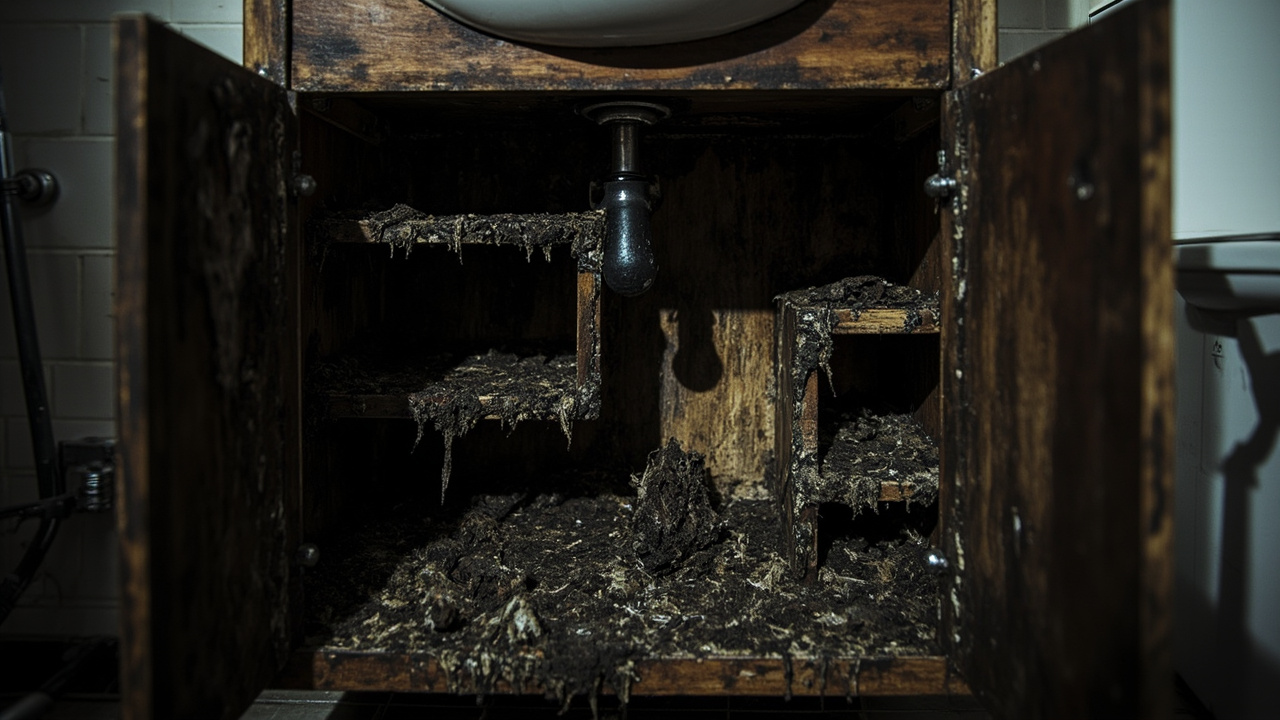
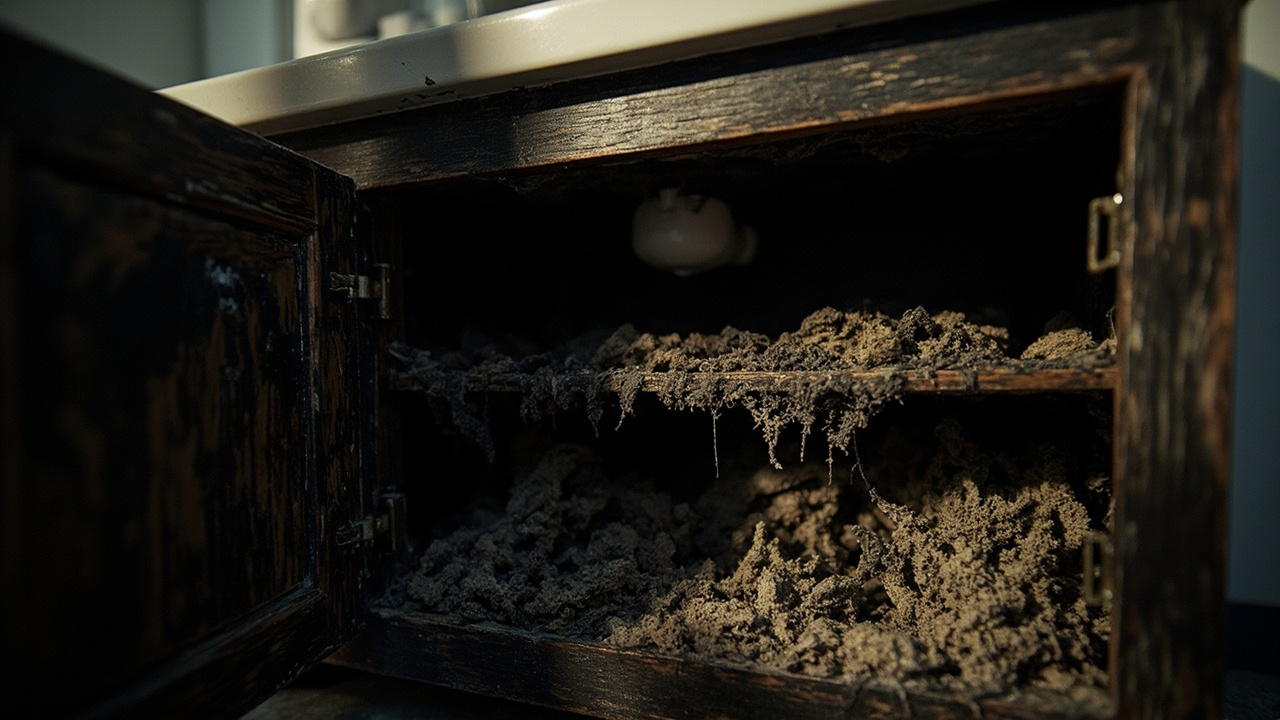
You open the cabinet under your bathroom sink and smell it before you see it. That earthy, musty odor. Then you spot the black or green patches creeping across the cabinet floor, up the particle board sides, or spreading behind the bathroom vanity. Mold under bathroom sink areas is not just unsightly. It signals a moisture problem that will worsen until you address the root cause.

Cincinnati's humidity sits above 70 percent for much of the year, especially during summer months when dewpoints climb into the mid-60s. That ambient moisture combines with poor bathroom ventilation and creates the perfect breeding ground for mildew in bathroom cabinets. Add a slow drip from a corroded supply line, a leaking P-trap, or condensation from inadequate insulation on cold water pipes, and you accelerate mold growth inside vanity enclosures within days.

Most homeowners assume the fix is bleach and elbow grease. That removes surface growth temporarily. It does not stop the water source feeding bathroom cupboard mold. You need to identify whether the moisture comes from a plumbing failure, inadequate air exchange, or both. Older homes in neighborhoods like Hyde Park and Mount Lookout often have cast iron drain stacks or galvanized supply lines that corrode from the inside out, leaking slowly behind walls and under cabinets for months before you notice bathroom vanity mold on visible surfaces.

The longer mold grows unchecked, the more it damages the cabinet structure and releases spores into your home's air. You deserve to know what is feeding the growth so you can eliminate it permanently.

Why Cincinnati Bathrooms Breed Mold Inside Vanities and Cabinets
How We Trace and Eliminate the Moisture Source

How We Trace and Eliminate the Moisture Source

Surface cleaning does not solve plumbing-related mold. We start by inspecting every water connection inside and around the affected cabinet. That includes the hot and cold supply lines feeding the faucet, the drain tailpiece connecting the sink to the P-trap, the P-trap itself, and the drain arm running into the wall. We check for pinhole leaks in copper tubing, corrosion at compression fittings, and cracks in plastic drain components that allow slow seepage.

We also examine condensation patterns. Cold water supply lines sweat heavily in Cincinnati's humid summer air if they lack proper insulation. That condensation drips onto cabinet floors and creates persistent dampness that fuels mold growth inside vanity spaces. We wrap exposed lines with closed-cell foam insulation to eliminate condensation at the source.

Next, we assess ventilation. Bathrooms without functional exhaust fans trap steam and humidity after every shower. That moisture settles into cabinets and lingers for hours. We recommend exhaust fans rated for your bathroom's square footage, vented directly to the exterior, not into an attic space. Proper ventilation removes humid air before it condenses on cool surfaces.

If we find active leaks, we replace corroded sections of pipe, upgrade outdated compression fittings to modern quarter-turn shut-off valves, and re-seal drain connections with fresh plumber's putty or silicone. We do not patch over problems. We replace failed components so the repair lasts years, not months.

After the plumbing fix, we verify the cabinet interior is dry and provide guidance on mold remediation steps or connect you with a qualified remediation specialist if growth has penetrated porous materials beyond surface treatment.

What Happens When You Call About Cabinet Mold

Mold in Bathroom Cabinets in Cincinnati – Expert Diagnosis and Plumbing Solutions to Stop Hidden Growth
01

Initial Leak Detection

We arrive and empty the cabinet completely to access all plumbing connections. Using moisture meters and flashlights, we test cabinet surfaces and trace dampness back to its origin. We pressurize supply lines and run water through drains to identify active leaks. We also check adjacent walls and flooring for hidden moisture migration from failed seals or corroded pipe sections you cannot see.
02

Source Repair and Prevention

Once we locate the moisture source, we replace the failed component. That might mean swapping a corroded shut-off valve, re-sealing a loose drain connection, or insulating cold water lines to stop condensation. We use quality materials rated for Cincinnati's water chemistry and install everything to current code. We also verify your exhaust fan functions properly and discuss ventilation upgrades if needed.
03

Verification and Prevention Plan

After repairs, we run water and monitor all connections for 10 to 15 minutes to confirm the leak is gone. We document moisture levels in surrounding materials and explain what to watch for during the cabinet dry-out period. If mold has penetrated deeply into particle board or drywall, we recommend remediation before you reinstall items. We leave you with a clear understanding of how to prevent recurrence.

Why Cincinnati Homeowners Trust Local Expertise for Hidden Plumbing Issues

Mold problems tied to plumbing failures require someone who understands both the symptom and the system. National franchises send technicians trained to follow checklists. Local plumbers who have worked in Cincinnati homes for years recognize patterns. We know that homes built before 1970 in neighborhoods like Northside and Westwood often have galvanized supply lines prone to interior corrosion. We know that homes near the Ohio River bottomlands deal with higher groundwater tables that can stress foundation drain tiles and cause basement moisture to wick upward into first-floor bathrooms.

We also understand Cincinnati's water chemistry. The Greater Cincinnati Water Works treats water to reduce hardness, but mineral content still causes scale buildup inside older fixtures and pipes. That scale traps moisture and accelerates corrosion at connection points, leading to the slow leaks that feed bathroom cupboard mold.

When you call a plumber who knows the local housing stock and local water conditions, you get faster diagnosis and more targeted solutions. We do not waste time guessing. We look where problems typically occur in homes like yours and fix them correctly the first time.

Keystone Plumbing Cincinnati has built a reputation by showing up when we say we will, diagnosing problems accurately, and completing repairs that hold up over time. We do not upsell services you do not need. We explain what we find, what it will take to fix it, and what you can expect moving forward. That transparency matters when you are dealing with a problem that affects your home's air quality and structural integrity.

You want a plumber who treats your home with the same care they would treat their own. That is how we operate on every call.

What to Expect When You Schedule a Mold-Related Plumbing Inspection

Response Time and Availability

We schedule most inspections within 24 to 48 hours of your call. If you have an active leak causing visible water damage, we prioritize your appointment and often arrive the same day. We keep our schedule flexible to accommodate urgent situations without charging predatory emergency fees. You get honest pricing and prompt service, whether you call on a Tuesday morning or a Saturday afternoon. We arrive in a clearly marked vehicle, and our plumber introduces themselves before starting any work.

Thorough Moisture and Plumbing Assessment

We do not guess. We use moisture meters to measure water content in cabinet materials, walls, and flooring. We inspect every plumbing connection under the sink, check for condensation on supply lines, and verify drain flow and seals. We also ask about your bathroom's ventilation history and check the exhaust fan's operation. This comprehensive assessment takes 30 to 45 minutes and gives us the information needed to recommend the correct fix, not just a quick patch. You receive a clear explanation of what we found and what it will take to resolve the issue.

Quality Repair and Material Selection

When we replace a component, we use materials designed to outlast the original. That means braided stainless steel supply lines instead of plastic, quarter-turn shut-off valves instead of compression fittings that loosen over time, and PVC or ABS drain components installed with proper slope and secure connections. We do not take shortcuts. Every repair meets or exceeds local plumbing code, and we test our work before we leave. You get a repair that solves the problem for years, not months, and eliminates the moisture source feeding mold growth.

Follow-Up Guidance and Prevention Tips

After we complete the plumbing repair, we walk you through the cabinet dry-out process and explain what to monitor. If mold growth has penetrated porous materials, we recommend contacting a certified mold remediation company and can provide referrals to trusted local professionals. We also discuss ventilation improvements and minor habit changes that reduce humidity buildup in your bathroom. You can call us anytime with questions during the weeks following the repair. We stand behind our work and want you to feel confident the problem is truly solved.

Frequently Asked Questions

You Have Questions,
We Have Answers

Why is there mold in my bathroom cabinet? +

Mold grows in your bathroom cabinet because of trapped moisture and poor ventilation. Cincinnati's high humidity, especially during summer months, creates ideal conditions for spore growth. Leaking pipes under your sink, condensation from hot showers, or water splashing near the cabinet base all contribute. Dark, enclosed cabinet spaces trap moisture that cannot evaporate. You might also have a hidden plumbing leak behind the wall feeding moisture into the cabinet structure. Check for dampness, musty odors, and visible water stains. Fixing the moisture source is the first step before cleaning mold.

Will mold go away if it dries out? +

No, mold does not go away when it dries out. Dried mold becomes dormant but remains alive. The spores stay on surfaces and can reactivate when moisture returns, which happens frequently in Cincinnati bathrooms. Dried mold also becomes brittle and releases airborne spores more easily when disturbed. You need to physically remove mold growth and treat the surface with proper antimicrobial solutions. Simply drying out the area temporarily stops growth but does not eliminate the problem. Address both the mold colonies and the underlying moisture issue to prevent recurrence.

Is black mold in bathrooms toxic? +

Black mold in bathrooms can produce mycotoxins that cause health problems, but not all black mold is the toxic Stachybotrys species. You cannot identify toxicity by color alone. Common bathroom molds like Cladosporium and Aspergillus appear black and cause respiratory irritation, allergic reactions, and asthma flare-ups. Cincinnati residents with allergies or compromised immune systems face higher risks. Any mold growth larger than three square feet needs professional assessment. Do not touch or disturb suspected toxic mold. Proper testing identifies the species and appropriate remediation methods.

What to do if you find mold in cabinets? +

Stop using the affected cabinet immediately to avoid spreading spores. Identify and fix the moisture source first, whether it is a leaking pipe, poor ventilation, or condensation. For small patches under three square feet, clean with detergent and water, then apply a mold-killing solution. Wear gloves, eye protection, and an N95 mask. Discard porous materials like cardboard or particle board that absorbed mold. For larger infestations, contact a professional remediation service. Cincinnati's humidity means mold returns quickly if you skip the moisture fix. Improve cabinet ventilation and monitor for regrowth after cleaning.

What are the first signs of mold sickness? +

Early mold sickness symptoms include persistent nasal congestion, sneezing, coughing, and itchy or watery eyes. You might experience headaches, fatigue, or difficulty concentrating when spending time in your bathroom. Skin rashes or throat irritation develop from mold exposure. Asthma sufferers notice increased wheezing or breathing difficulty. These symptoms worsen in enclosed spaces like bathrooms and improve when you leave the area. Cincinnati residents often mistake mold symptoms for seasonal allergies. If symptoms persist despite allergy medication, inspect your bathroom for hidden mold growth. Vulnerable populations, including children and elderly individuals, show symptoms faster.

What kills mold permanently? +

Nothing kills mold permanently if moisture remains. You must eliminate the water source first. For hard surfaces, scrub with detergent and water, then apply EPA-registered antimicrobial cleaners containing quaternary ammonium compounds or hydrogen peroxide. Bleach kills surface mold but does not penetrate porous materials. Cincinnati's climate demands better ventilation and dehumidification to prevent regrowth. Replace porous materials like drywall or particle board that absorbed mold, as spores penetrate too deep to clean. Professional remediation uses HEPA filtration and containment barriers for extensive growth. Ongoing moisture control keeps mold from returning.

Will a dehumidifier get rid of mold? +

A dehumidifier reduces moisture that fuels mold growth but does not remove existing colonies. You must physically clean visible mold first, then use a dehumidifier to prevent recurrence. Keep bathroom humidity below 50 percent, which challenges Cincinnati residents during humid summer months. Place the dehumidifier in adjoining rooms since bathrooms typically lack space and electrical safety. Run exhaust fans during and after showers to reduce moisture buildup. Dehumidifiers work best as prevention tools alongside proper ventilation, not as mold removal solutions. Fix leaks and improve airflow for complete moisture control.

What is commonly mistaken for black mold? +

Dirt, soot, and mildew are often mistaken for black mold. Mildew appears powdery and gray, while mold looks slimy or fuzzy. Dark mineral deposits from hard water, common in Cincinnati, create black stains on grout and caulk. Efflorescence from water damage leaves crusty white or dark residues. Apply a drop of bleach to the spot. If it lightens quickly, it is likely mildew. Black mold stays dark longer. Soap scum mixed with dirt also mimics mold appearance. Professional testing provides definitive identification when you cannot tell the difference visually.

Does wiping mold release spores? +

Yes, wiping mold releases spores into the air, which then spread to other surfaces and enter your lungs. Dry scrubbing creates more airborne spores than wet cleaning. Always mist moldy surfaces with water or cleaning solution before wiping to trap spores. Wear an N95 mask, gloves, and eye protection when cleaning. Seal contaminated materials in plastic bags before removing them from your bathroom. Close doors and turn off HVAC systems to prevent spore circulation throughout your Cincinnati home. Use HEPA-filtered vacuums for final cleanup. Professional remediation uses containment barriers and negative air pressure for large infestations.

Does putting the heating on help mold? +

Heating alone does not eliminate mold. Warm air holds more moisture, which can worsen humidity problems in Cincinnati bathrooms. Mold grows in temperatures between 60 and 80 degrees, so heating keeps conditions favorable. Combine heating with ventilation and dehumidification for effective moisture control. Running bathroom exhaust fans while heating prevents condensation on cold surfaces. Opening windows during mild weather helps, but Cincinnati's humid climate limits this strategy. Focus on reducing moisture sources like leaks and shower steam rather than relying on temperature changes. Proper airflow matters more than heat for mold prevention.

How Cincinnati's Humidity and Aging Housing Stock Accelerate Bathroom Cabinet Mold

Cincinnati sits in a river valley where summer humidity regularly tops 75 percent, and overnight dewpoints in July often reach the upper 60s. That thick, heavy air does not dry quickly, especially inside enclosed bathroom cabinets. When you combine that ambient moisture with slow plumbing leaks or poor ventilation, mold grows faster here than in arid climates. Older homes in historic neighborhoods like Over-the-Rhine, Clifton, and Mount Auburn often lack modern exhaust fans, and many still have original galvanized or cast iron plumbing that corrodes from the inside out. Those factors make bathroom vanity mold a recurring problem unless you address the moisture source directly.

Local plumbers understand the unique challenges Cincinnati homeowners face. We know which plumbing materials fail first in high-humidity environments and which ventilation upgrades deliver the best results for older bathroom layouts. We also know local building codes and work with inspectors regularly, so any repairs we make meet current standards. When you hire a plumber with deep roots in the Cincinnati community, you get someone who has seen your exact problem dozens of times and knows the most effective, long-lasting fix. That experience matters when you are dealing with hidden moisture issues that affect your health and home value.
Plumbing Services in The Cincinnati Area

We are proud to serve the entire area, providing exceptional plumbing services to our community. Our service area covers all of the city and its surrounding neighborhoods. Use the map to see our location and get directions, or simply give us a call to schedule a service. Our team is always ready to travel to your location to address your plumbing needs quickly and efficiently, ensuring you receive the prompt service you deserve.

Address:
Keystone Plumbing Cincinnati, 71 E Hollister St, Cincinnati, OH, 45219

Additional Services We Offer

Our news updates

Latest Articles & News from The Blogs

Why a Whole House Repiping Project in St. Bernard is a Smart Investment If you own a home in St.…

Why a Whole House Repiping Project in St. Bernard is a Smart Investment

Why a Whole House Repiping Project in St. Bernard is a Smart Investment If you own a home in St.…

Do You Know Exactly Where the Main Water Shut-Off Valve is in Your Silverton Home?

Do You Know Exactly Where the Main Water Shut-Off Valve is in Your Silverton Home? A burst pipe can dump…

Protecting the Exposed Plumbing in Your Madisonville Crawl Space From Rodents and Cold

Protecting the Exposed Plumbing in Your Madisonville Crawl Space From Rodents and Cold \n\n Exposed pipes in Madisonville crawl spaces…

Contact Us

Do not let hidden plumbing leaks destroy your cabinets and compromise your indoor air quality. Call Keystone Plumbing Cincinnati today at (513) 717-2899 to schedule a thorough moisture and plumbing inspection. We will find the source, fix it right, and help you prevent recurrence.