Menu

Smelly Drains & Sewer Odors in Cincinnati | Expert Diagnosis and Permanent Odor Elimination

Stop living with foul sewer gas odors and rotten egg smells. Our certified plumbers locate the source of sewage smells in your house and eliminate stinky bathroom drains with proven repair methods that fix the problem at its root.

Slider Image 1
Slider Image 2
Slider Image 3
Slider Image 4
Slider Image 5
Slider Image 7
Slider Image 8
Slider Image 9
Slider Image 10
Slider Image 11

Why Cincinnati Homes Struggle with Persistent Drain and Sewer Odors

You walk into your bathroom or kitchen and get hit with that unmistakable rotten egg smell from plumbing. The odor lingers no matter how much you clean. You are not imagining it, and you are not alone.

Cincinnati's humid climate creates perfect conditions for biofilm buildup inside drain lines. When bacteria feed on organic matter trapped in your pipes, they produce hydrogen sulfide gas. That's the sewage smell in your house that makes guests uncomfortable and keeps you opening windows year-round.

The problem gets worse in older neighborhoods like Over-the-Rhine, Northside, and Oakley, where decades-old cast iron drain pipes develop interior corrosion. These rough surfaces trap grease, hair, and food particles. Bacteria colonies thrive in these pockets and release foul sewer gas odors directly into your living space.

Stinky bathroom drains often point to a failing P-trap seal. When these water barriers evaporate in unused fixtures or lose their seal due to improper venting, sewer gases flow backward into your home. The smell intensifies during summer months when heat accelerates bacterial growth and evaporation rates climb.

Many homeowners try enzyme cleaners or bleach treatments. These provide temporary relief but never address the underlying cause. Unpleasant drain odors return within days because the structural problem remains unchanged. You need a proper diagnosis that identifies whether you are dealing with dry traps, broken vent pipes, cracked drain lines, or failed wax rings at toilet bases.

The health implications go beyond discomfort. Hydrogen sulfide exposure causes headaches, nausea, and respiratory irritation. Your family deserves better than breathing contaminated air in their own home.

Why Cincinnati Homes Struggle with Persistent Drain and Sewer Odors
How Professional Drain Odor Diagnosis Works

How Professional Drain Odor Diagnosis Works

Effective odor elimination starts with precise diagnosis. We do not guess. We use systematic testing to locate the exact source of sewer gas infiltration.

Our technicians begin with a visual inspection of all drain fixtures and vent terminals. We check P-trap water levels, examine cleanout access points, and verify proper vent pipe termination above your roofline. Many odor problems trace back to improperly installed or deteriorated venting that creates negative pressure in your drain system.

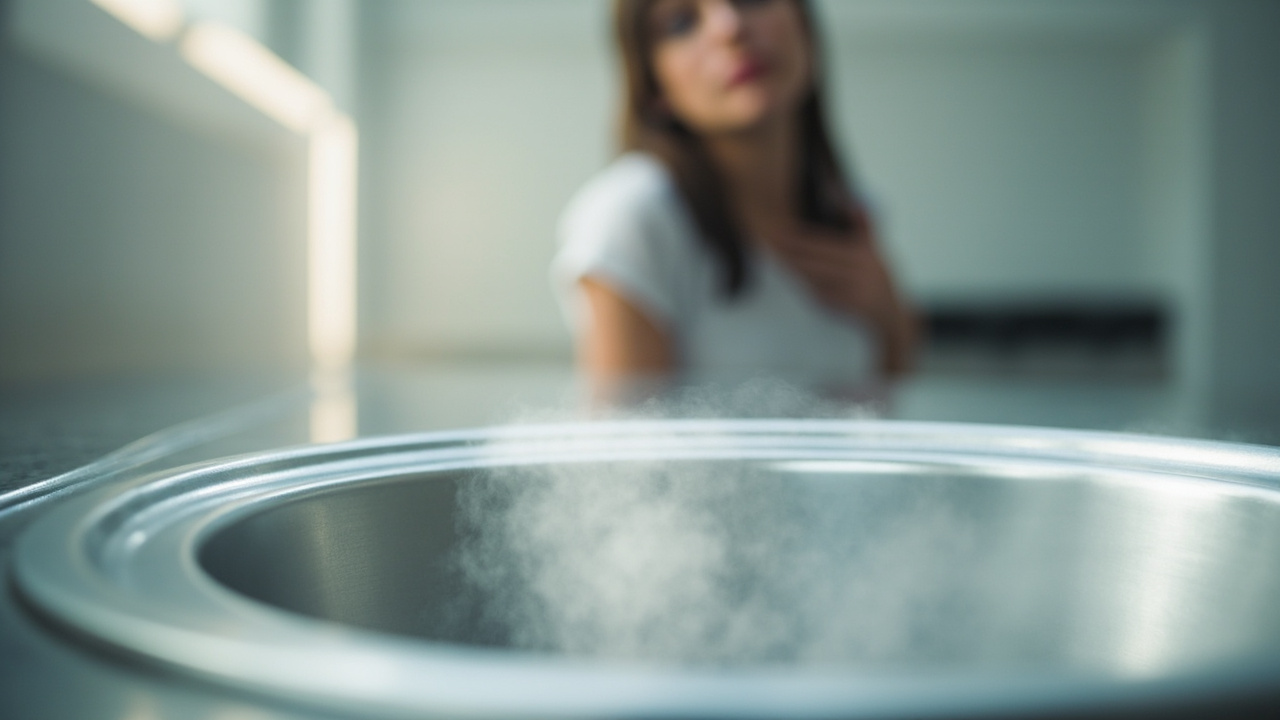
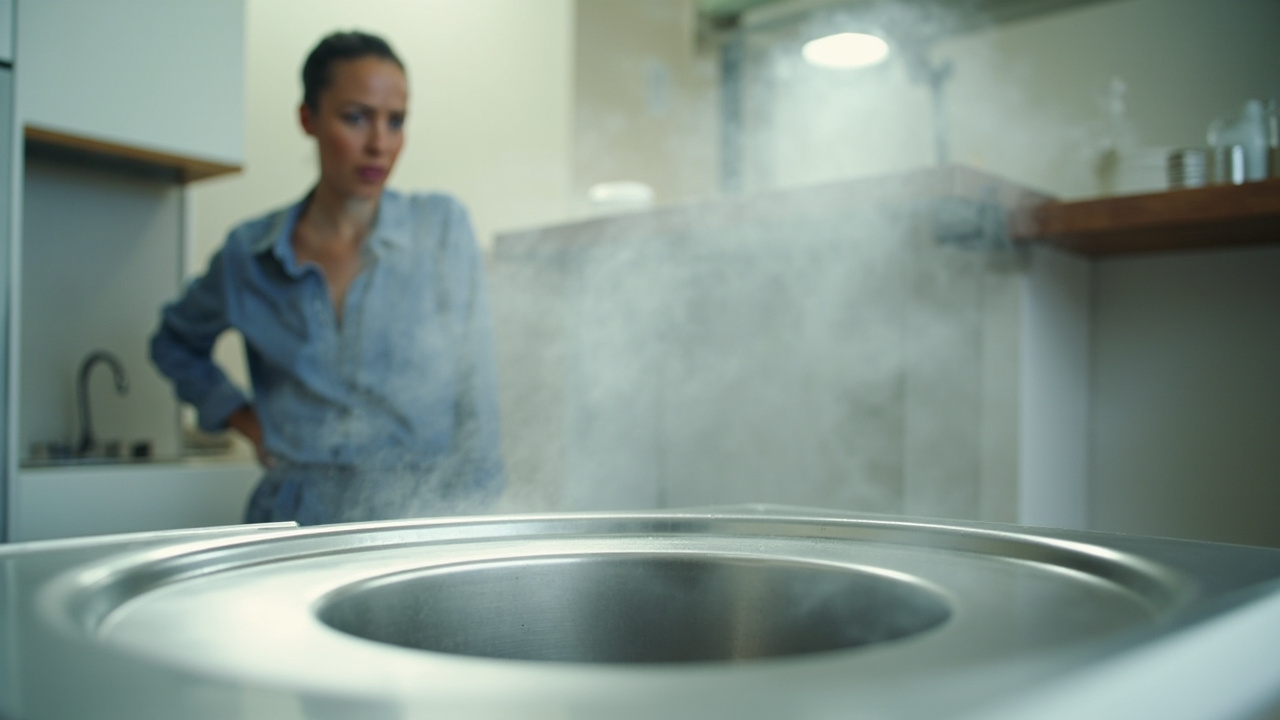
Next, we perform a smoke test when visual inspection proves inconclusive. We introduce non-toxic theatrical smoke into your drain system at the main cleanout. The smoke travels through your pipes and escapes wherever openings exist. Cracked pipes buried in your slab foundation, separated joints behind walls, and compromised vent flashings on your roof all reveal themselves when smoke appears where it should not.

We also use fiber-optic drain cameras to inspect the interior condition of your pipes. The camera shows us exactly what's happening inside your drain lines. We document scale buildup, grease accumulation, root intrusion, and corrosion that creates bacterial breeding grounds. This footage helps you understand the problem and shows you why certain repairs are necessary.

For persistent odors without obvious sources, we test your main sewer line connection. A broken or improperly sealed connection at the municipal main allows sewer gases to migrate through soil and enter your home through foundation cracks. This scenario is common in older Cincinnati neighborhoods where clay sewer laterals have deteriorated.

Once we identify the source, we explain your options clearly. Repairs might include P-trap replacement, vent pipe installation, drain line sectional repair, or full sewer lateral replacement. We provide transparent information about what each option accomplishes and why we recommend specific solutions for your situation.

What Happens During Your Odor Elimination Service

Smelly Drains & Sewer Odors in Cincinnati | Expert Diagnosis and Permanent Odor Elimination
01

Initial Assessment

Our technician arrives within your scheduled window and performs a complete odor source evaluation. We test all drain fixtures, check vent pipe configuration, and document every location where you smell sewer gas. This thorough assessment typically takes 45 to 90 minutes depending on your home's size and plumbing complexity. You receive a detailed explanation of our findings before any work begins.
02

Source Elimination

We address the root cause using the appropriate repair method. This might involve replacing dried-out P-traps, installing missing air admittance valves, sealing cracked drain pipes, or removing biofilm accumulation through hydro-jetting. We use professional-grade materials that meet Cincinnati building code requirements. All drain connections are tested for proper flow and verified odor-free before we consider the job complete.
03

Verification and Prevention

After repairs are complete, we conduct final testing to confirm odor elimination. We run water through all affected drains and monitor for any remaining sewer gas smell. You receive specific maintenance recommendations to prevent future odor problems. We explain which fixtures need regular use to maintain P-trap seals and identify warning signs that indicate developing issues before they become emergencies.

Why Cincinnati Homeowners Choose Keystone Plumbing for Drain Odor Problems

Drain odor problems require more than surface-level fixes. You need a plumber who understands how Cincinnati's aging infrastructure, soil conditions, and climate factors contribute to persistent sewer gas issues.

We have worked in every Cincinnati neighborhood, from historic homes in Hyde Park to newer construction in Anderson Township. We know which drain configurations were common in different building eras and where problems typically develop. When you call us about stinky bathroom drains in a 1920s bungalow, we already know to check for undersized vent pipes and deteriorated cast iron stacks. That institutional knowledge saves you time and reduces diagnostic costs.

Our technicians carry specialized equipment that most plumbers do not stock on standard service trucks. Fiber-optic cameras, smoke testing equipment, and combustible gas detectors let us diagnose problems that other companies miss. When another plumber tells you they cannot find the source of your sewage smell, we often locate it within the first hour using tools specifically designed for odor investigation.

We also prioritize education over sales pressure. You receive honest information about what's causing your unpleasant drain odors and realistic expectations about repair outcomes. If your problem stems from a municipal sewer issue rather than your private plumbing, we tell you that upfront and help you navigate the proper channels with Cincinnati Metropolitan Sewer District.

Our repair methods focus on permanent solutions. We do not push unnecessary services, but we also do not recommend temporary fixes that waste your money. If your sewer lateral needs replacement, we explain why spot repairs will fail and what full replacement accomplishes. If a simple P-trap replacement solves your foul sewer gas odors, we do exactly that and nothing more.

You also get responsive service when odor problems disrupt your household. We maintain adequate staffing to handle emergency calls without making you wait days for an available technician. Most diagnostic appointments happen within 24 hours of your call.

What You Can Expect from Your Service Call

Fast Response Times

We schedule most diagnostic visits within 24 hours of your call. Our technicians arrive during your scheduled two-hour window and contact you en route with an accurate arrival time. You are not waiting around all day wondering when help will arrive. Emergency situations that pose health risks or involve active sewage leaks receive same-day priority scheduling. We understand that living with sewer gas odors affects your quality of life, so we treat your service request with appropriate urgency.

Thorough Diagnostic Process

Your technician examines every potential odor source before recommending repairs. We test drain traps, inspect vent pipes, examine cleanout access points, and verify proper waste line connections. When needed, we deploy cameras or smoke testing to investigate hidden areas behind walls or under concrete slabs. You receive a written assessment that explains exactly what we found, where the problem exists, and what repair options address it effectively. We answer your questions in plain language without plumbing jargon that obscures the truth.

Permanent Odor Elimination

Our repairs target the root cause of sewer gas infiltration, not just the symptoms. When we replace a failed P-trap, install proper venting, or repair a cracked drain line, you get lasting results. We use quality materials that meet or exceed Cincinnati building code requirements. All work is tested before we leave your property. You can verify that unpleasant drain odors are gone and understand why the problem will not return. We do not leave jobs half-finished or recommend follow-up treatments that generate additional service calls.

Clear Maintenance Guidance

After completing repairs, your technician explains how to prevent future odor problems. You learn which drains need regular use to maintain trap seals, how to recognize early warning signs of vent pipe issues, and when to schedule preventive maintenance. We provide realistic guidance based on your specific plumbing configuration and household usage patterns. If periodic drain cleaning helps extend the life of your repairs, we tell you the appropriate frequency for your situation. You receive written maintenance recommendations you can reference later when questions arise.

Frequently Asked Questions

You Have Questions,
We Have Answers

How to get rid of sewer smell in drains? +

Start by checking your drain traps. Run water in rarely used sinks, tubs, and floor drains to refill the P-trap, which blocks sewer gas from entering your home. If the smell persists, pour a mixture of hot water and dish soap down the drain to flush bacteria buildup. For kitchen sinks, grind citrus peels in the disposal. If odors continue after these steps, you likely have a venting issue, cracked drain line, or buildup deep in the system. Cincinnati homes with older cast iron pipes often develop interior corrosion that traps debris and creates persistent smells.

How to find where sewer smell is coming from? +

Walk through your home and sniff near every drain fixture, including floor drains in basements and laundry rooms. Check under sinks for visible leaks or dried-out P-traps. Go outside and inspect vent pipes on your roof for blockages or damage. Many Cincinnati homes have vents obstructed by leaves or animal nests. If the smell is stronger near one fixture, that's your culprit. If it's throughout the house, you may have a main sewer line issue or broken vent stack. A smoke test by a plumber can pinpoint hidden leaks in walls or under slabs.

Why does my drain smell bad but no blockage? +

You have bacteria feeding on organic matter stuck to your drain walls. Hair, soap scum, grease, and food particles create a biofilm that produces hydrogen sulfide gas, which smells like rotten eggs. Kitchen drains accumulate grease. Bathroom drains trap hair and soap. Even without a full clog, this slimy layer thrives in dark, damp pipes. Cincinnati's hard water makes the problem worse by leaving mineral deposits that catch debris. Another cause is a dry P-trap in a guest bathroom or basement drain. Run water in all fixtures weekly to keep traps sealed.

Can I fix a sewage smell myself? +

You can handle simple fixes like refilling dry P-traps or cleaning visible drain gunk with hot water and baking soda. But if the smell persists, you need a plumber. Attempting DIY repairs on vent pipes, cracked drain lines, or sewer line issues can make problems worse and violate local code. Cincinnati requires licensed plumbers for most underground or in-wall work. Misdiagnosing the source wastes time and money. Sewer gas contains methane and hydrogen sulfide, which are hazardous in high concentrations. If you smell it consistently, get a professional inspection. Safety and accuracy matter here.

What is best to put down smelly drains? +

Hot water and dish soap work well for light maintenance. Pour a pot of boiling water down the drain, followed by a few squirts of dish soap, then more hot water. For tougher smells, use a half cup of baking soda followed by a cup of white vinegar. Let it fizz for 15 minutes, then flush with hot water. Avoid chemical drain cleaners. They corrode pipes, especially older cast iron common in Cincinnati homes. For garbage disposals, grind ice cubes and citrus peels. Monthly maintenance keeps biofilm from building up and creating odors.

How to tell if your sewer line is clogged? +

Watch for multiple drains backing up at once. If your toilet gurgles when you run the washing machine, or your shower drains slowly when you flush, your main sewer line has a blockage. Other signs include water pooling around your basement floor drain or soggy spots in your yard above the sewer line. You may also notice a persistent sewage smell inside or near your foundation. Cincinnati's clay soil shifts with freeze-thaw cycles and can crack or misalign older sewer pipes, allowing tree roots to invade. A camera inspection confirms the blockage location and severity.

What's the average cost to fix a sewer smell? +

Most sewer smell fixes range from simple trap refills at no cost to several thousand dollars for major repairs. Cleaning a clogged vent stack or replacing a wax ring under a toilet runs a few hundred dollars. Repairing a cracked drain line in a wall or under a slab costs more, depending on access. Main sewer line issues requiring excavation or trenchless lining can reach into the thousands. The cost depends on the root cause, accessibility, and whether you need permits. Get a camera inspection first. Guessing leads to wasted money on the wrong fix.

What are signs of a broken sewer line? +

Look for sewage backups in your lowest drains, usually the basement or first-floor bathroom. You may see sinkholes or soggy areas in your yard where the pipe runs. Lush green patches of grass over the sewer line indicate a leak feeding the soil. Inside, you'll smell sewage near walls or floors. Cracks in foundation walls can also signal ground shifting from a broken line. Cincinnati's freeze-thaw cycles and tree roots from mature neighborhoods stress older clay and cast iron pipes. If multiple fixtures back up simultaneously, your main line is compromised and needs immediate attention.

What does a failing septic system smell like? +

A failing septic system smells like raw sewage near your drain field or tank. You'll notice the odor strongest outside, especially after rain or when the ground is saturated. Inside, drains may gurgle or drain slowly. You might see standing water or soggy soil in your yard above the drain field. Grass over the septic area may grow unusually green and thick. If you live in a rural part of Hamilton or Clermont County with a septic system, high water tables and clay soil can cause drainage problems. Septic failures need immediate professional attention to avoid contaminating groundwater.

Should I call a plumber for a sewer smell? +

Yes. Sewer smells indicate a problem that rarely fixes itself. Even if the odor seems minor, it signals a dry trap, venting issue, pipe crack, or sewer line problem. Sewer gas contains methane and hydrogen sulfide, both health hazards. Cincinnati's older housing stock, especially in neighborhoods with cast iron or clay pipes, makes professional diagnosis critical. A plumber can run a camera inspection, perform a smoke test, and identify the exact cause. Waiting allows small issues to become expensive emergencies. If you've refilled traps and cleaned drains but the smell persists, call a licensed plumber immediately.

How Cincinnati's Clay Soil Affects Sewer Line Integrity and Indoor Odors

Cincinnati sits on expansive clay soil that shifts with moisture changes throughout the year. When clay absorbs water during spring rains, it swells and exerts pressure on buried sewer pipes. During summer dry spells, the same clay shrinks and creates voids beneath pipes. This constant movement stresses pipe joints and cracks older clay or cast iron sewer laterals. Once these underground breaks develop, sewer gases escape into surrounding soil and migrate through foundation cracks into your basement or crawlspace. The rotten egg smell from plumbing seems to appear randomly, but it directly correlates with soil movement patterns unique to our region. Many Cincinnati homeowners discover their indoor odor problem actually originates from compromised sewer lines buried five feet underground.

Working with a plumber who understands Cincinnati's specific infrastructure challenges makes a measurable difference in diagnosis accuracy. We know which neighborhoods still have original clay sewer laterals from the 1950s and which areas upgraded to PVC during recent MSD projects. This local knowledge helps us identify probable failure points before we start invasive diagnostics. We also stay current with Cincinnati building code updates and MSD connection requirements, so any repairs we complete meet current standards for inspection approval. When you need permit-required work, we handle the filing process and schedule inspections at appropriate project stages. You get repairs done correctly the first time without code violation complications that create future resale problems.
Plumbing Services in The Cincinnati Area

We are proud to serve the entire area, providing exceptional plumbing services to our community. Our service area covers all of the city and its surrounding neighborhoods. Use the map to see our location and get directions, or simply give us a call to schedule a service. Our team is always ready to travel to your location to address your plumbing needs quickly and efficiently, ensuring you receive the prompt service you deserve.

Address:
Keystone Plumbing Cincinnati, 71 E Hollister St, Cincinnati, OH, 45219

Additional Services We Offer

Our news updates

Latest Articles & News from The Blogs

The Best Way to Add a Bidet to Your Glendale Home Without a Full Remodel Adding a bidet to your…

The Best Way to Add a Bidet to Your Glendale Home Without a Full Remodel

The Best Way to Add a Bidet to Your Glendale Home Without a Full Remodel Adding a bidet to your…

Why a Whole House Repiping Project in St. Bernard is a Smart Investment

Why a Whole House Repiping Project in St. Bernard is a Smart Investment If you own a home in St.…

Do You Know Exactly Where the Main Water Shut-Off Valve is in Your Silverton Home?

Do You Know Exactly Where the Main Water Shut-Off Valve is in Your Silverton Home? A burst pipe can dump…

Contact Us

You deserve to breathe clean air in your own home. Call Keystone Plumbing Cincinnati now at (513) 717-2899 for expert drain odor diagnosis and permanent elimination. We will locate the source of your sewage smell and fix it right the first time.