Menu

Commercial Kitchen Plumbing in Cincinnati – Minimize Downtime with Code-Compliant Industrial Systems

From grease interceptors to high-capacity water lines, get industrial-grade restaurant plumbing services engineered for health code compliance and 24/7 operational reliability in Cincinnati's food service industry.

Slider Image 1
Slider Image 2
Slider Image 3
Slider Image 4
Slider Image 5
Slider Image 7
Slider Image 8
Slider Image 9
Slider Image 10
Slider Image 11

Why Commercial Kitchen Plumbing Failures Cost You More Than Repair Bills

A backed-up floor drain at 6 PM on a Friday does not just shut down your dish pit. It forces you to close the kitchen, send staff home, cancel reservations, and risk a health department visit. In Cincinnati's competitive food service market, a single plumbing failure can cost you thousands in lost revenue before you even call a plumber.

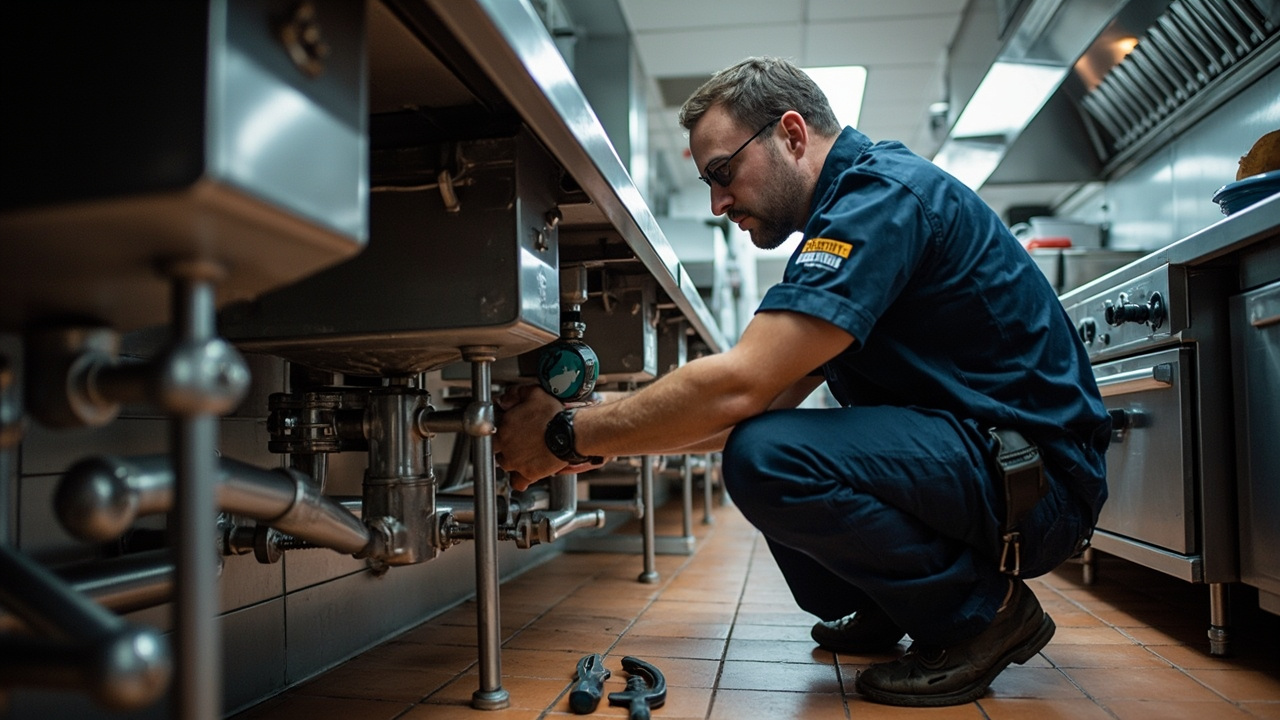
Commercial kitchen plumbing operates under stress that residential systems never see. You are running 180-degree dishwashers, dumping gallons of grease-laden water through drains, and cycling water heaters that supply everything from three-compartment sinks to prep stations. When a 4-inch cast iron drain line corrodes or a grease trap backs up, you do not have time to wait for a residential plumber who has never touched industrial kitchen plumbing.

Cincinnati's aging building stock adds another layer of risk. Many restaurant spaces in Over-the-Rhine, Downtown, and Northside occupy buildings built before modern plumbing codes. Cast iron stacks crack. Galvanized supply lines corrode. Undersized grease interceptors fail inspections. The Hamilton County Health Department does not care that your building is 100 years old. They care that your food service plumbing meets current code.

You need a commercial kitchen plumber who understands trap-to-vent distances, fixture unit calculations, and the difference between a passive grease interceptor and a hydromechanical unit. You need someone who can work after hours, coordinate with health inspectors, and get you back online before your next shift. Professional kitchen plumbing is not about fixing leaks. It is about protecting your ability to operate.

Why Commercial Kitchen Plumbing Failures Cost You More Than Repair Bills
How Industrial Kitchen Plumbing Systems Differ from Standard Commercial Work

How Industrial Kitchen Plumbing Systems Differ from Standard Commercial Work

Restaurant plumbing services require engineering, not just pipe fitting. A commercial kitchen generates more wastewater in one dinner shift than most office buildings produce in a week. That volume demands properly sized waste lines, correctly sloped drain piping, and grease management systems that actually work.

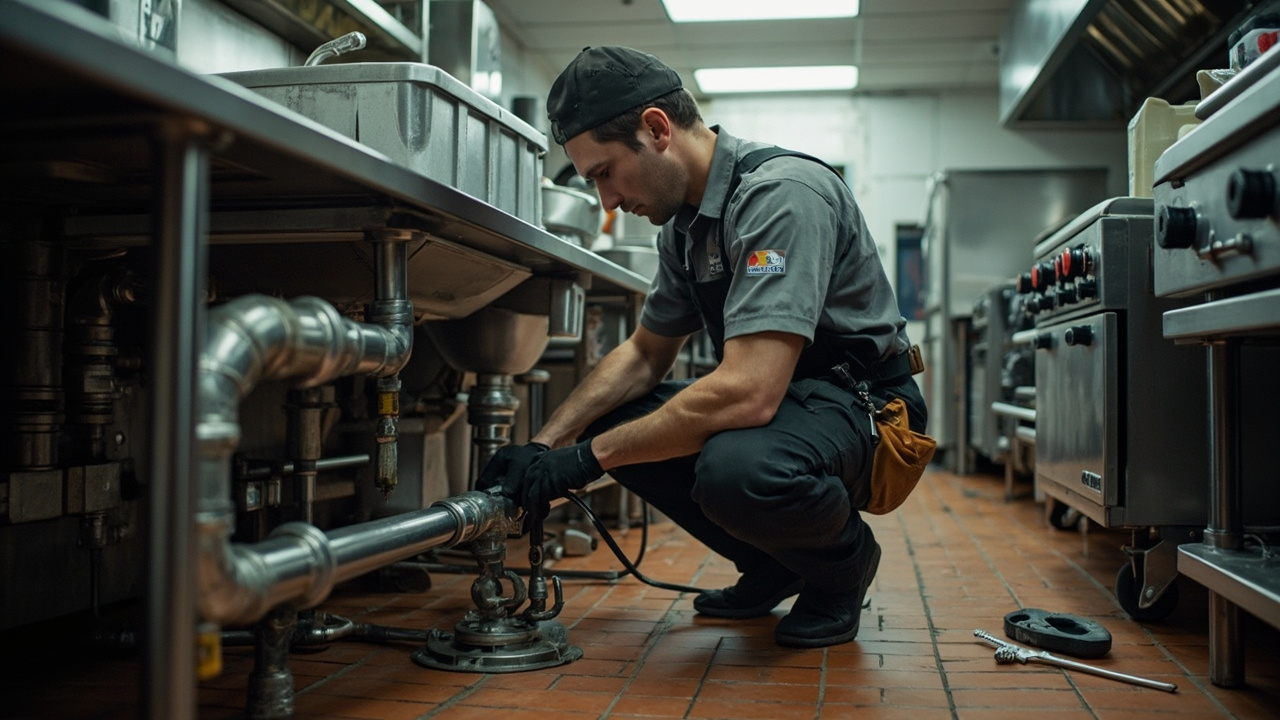
Start with your drain system. Every fixture in a commercial kitchen produces a specific number of fixture units based on flow rate. A three-compartment sink is not the same as a mop sink. A floor drain in the cook line handles different waste than a prep sink drain. We calculate total fixture units, apply the correct drainage fixture unit (DFU) tables, and size your waste lines accordingly. Undersized drains cause backups. Oversized drains do not self-scour and lead to buildup.

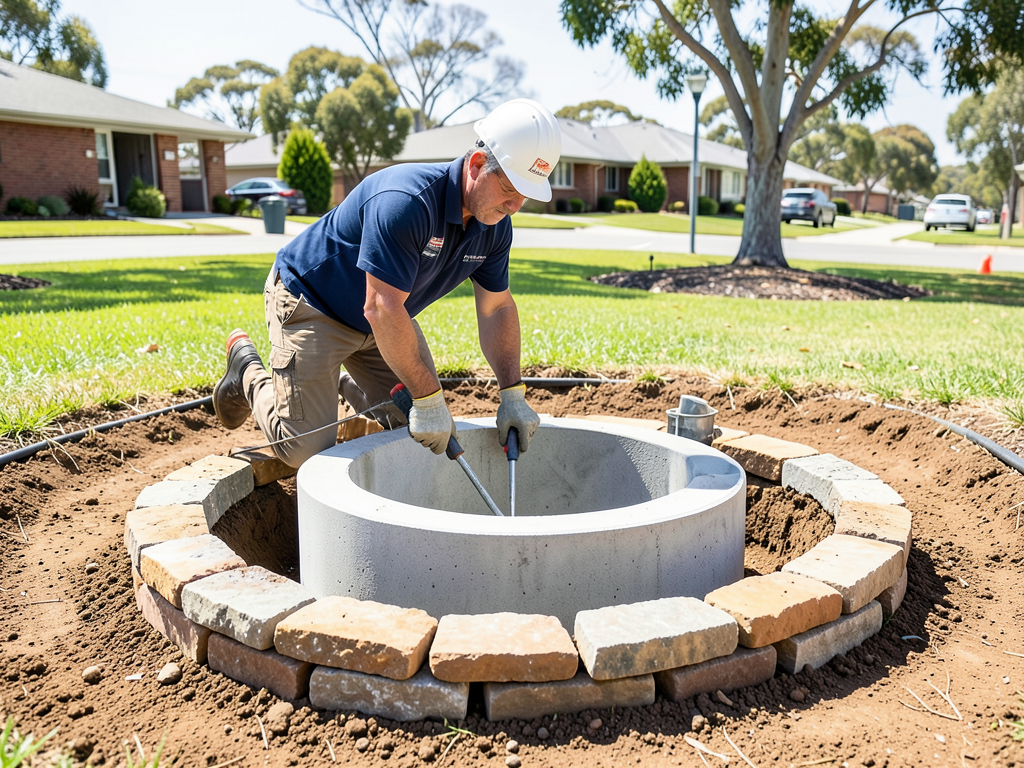
Grease management is where most food service plumbing systems fail. Hamilton County requires grease interceptors on any fixture that discharges food waste. The size depends on your fixture flow rates and whether you are installing a passive concrete interceptor outside or a hydromechanical unit inside. We measure your actual dishwasher GPM, calculate retention time, and spec the correct interceptor. An undersized unit will fail inspection. An incorrectly vented unit will release sewer gas into your kitchen.

Your water supply system operates differently too. Commercial kitchens need dedicated hot water loops to maintain temperature at distant fixtures, pressure-reducing valves to protect equipment, and backflow prevention to keep contaminated water out of the city supply. We install thermostatic mixing valves on hand sinks, size water heaters for peak demand, and ensure your supply lines can handle the pressure cycling from automatic dishwashers. This is industrial kitchen plumbing, and it requires precision.

What Happens During a Commercial Kitchen Plumbing Installation

Commercial Kitchen Plumbing in Cincinnati – Minimize Downtime with Code-Compliant Industrial Systems
01

Site Assessment and Code Review

We walk your space with a fixture count sheet and measure existing drain locations, water supply points, and clearances. We review Hamilton County Health Department requirements for your specific operation type. We identify conflicts with electrical, HVAC, and structural elements. We calculate total fixture units and determine whether your existing building drain can handle the additional load. You get a marked-up floor plan showing every drain, vent, and supply line before we touch a pipe.
02

Rough-In and Inspection Coordination

We rough in all drain, waste, vent, and supply piping before you install equipment or close walls. Every trap is set at the correct height for your specific fixtures. Every vent is sized per code and terminates above the roofline. We install grease interceptors with proper vent termination and cleanout access. We coordinate inspections with the city and health department before covering any piping. You do not get surprised by a failed inspection after your equipment is already in place.
03

Equipment Connection and Final Testing

We connect every fixture to its trap and supply. We pressure-test hot and cold lines to 150 PSI. We fill every drain line and verify proper slope and venting. We run your dishwasher through a full cycle, check your ice machine connections for leaks, and verify that floor drains handle peak flow. We provide as-built drawings showing final pipe locations and sizes. You open with a system engineered for your actual kitchen operation, not guesswork.

Why Cincinnati Restaurant Owners Choose Local Commercial Plumbing Expertise

Cincinnati's food service industry is built on relationships and reputation. When you call a plumber at 9 PM because your dish machine is flooding the kitchen, you need someone who answers, shows up, and fixes it right. Keystone Plumbing Cincinnati has been inside more commercial kitchens in this city than most contractors will see in a career.

We know the building stock in each neighborhood. Over-the-Rhine spaces often have shared waste stacks that serve multiple floors. Downtown buildings may have grease interceptors in basement chases with limited access. Northside and Clifton restaurants occupy converted residential buildings with undersized supply lines. We have worked in all of them. We know where the shutoffs are, how the systems are laid out, and what shortcuts previous contractors took that will cause you problems.

We understand local inspection requirements. Hamilton County Health inspectors expect specific grease trap sizes based on your menu and seating capacity. They want to see air gaps on prep sinks, backflow preventers on ice machines, and properly vented floor drains. We have worked with the same inspectors for years. We know what they check, what they flag, and how to pass the first time.

We stock parts for commercial equipment. When your dishwasher solenoid fails or your pre-rinse spray valve breaks, we do not need to order it and come back next week. We carry Ansul system-compatible fixtures, commercial faucet cartridges, and high-temp hoses. We keep you running.

Your business depends on operational reliability. You cannot afford a plumber who treats your restaurant like a residential job. You need someone who speaks the language of fixture units, venting distances, and grease retention time. You need a commercial kitchen plumber who has been doing this work in Cincinnati long enough to know every building quirk, every inspector preference, and every supplier in town.

What to Expect When You Work with Us

Emergency Response and After-Hours Availability

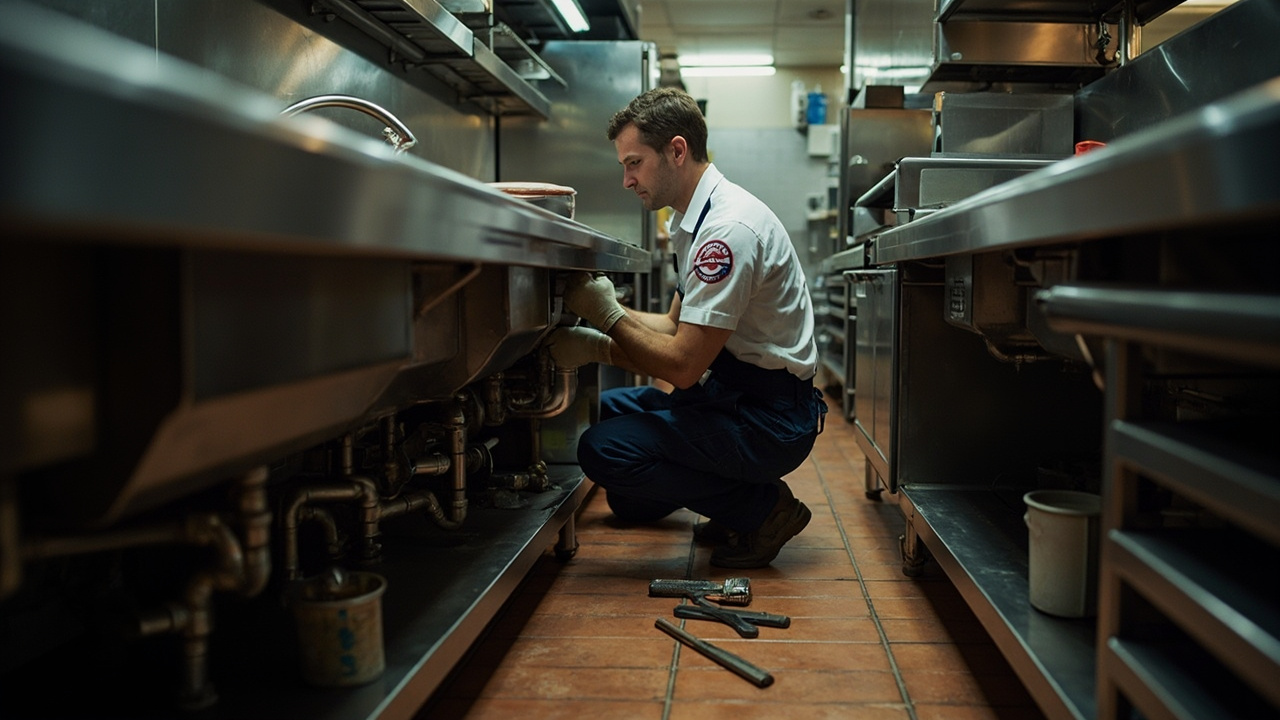
Commercial kitchens do not operate on business hours, and neither do we. When a drain backs up during dinner service or a water line bursts overnight, you need a plumber who answers the phone and shows up with the tools to fix it. We respond to emergency calls within two hours. We carry camera equipment to diagnose drain blockages, high-pressure water jetters to clear grease buildup, and spare parts for common failures. We coordinate with your staff to minimize disruption to service. If you need to stay open while we work, we stage repairs between shifts or work in sections to keep stations operational. You get fast response because every hour of downtime costs you money.

Comprehensive System Evaluation and Transparent Recommendations

We do not guess. We assess. Before we recommend any repair or replacement, we run camera inspections through your drain lines, pressure test supply piping, and evaluate fixture conditions. You get a written report with photos showing exactly what we found. We explain what needs immediate attention, what can wait, and what options you have. If your grease trap is undersized, we show you the calculations and explain the code requirement. If your hot water system cannot keep up with demand, we measure recovery rate and recommend appropriately sized equipment. You make decisions based on data, not sales pressure. We provide cost factors for different approaches and let you choose what makes sense for your operation.

Code-Compliant Installation with Documentation

Every installation meets current Ohio plumbing code and Hamilton County Health Department requirements. We pull permits, coordinate inspections, and provide documentation for your records. You get as-built drawings showing pipe sizes, slopes, and locations. We photograph installations before walls close so you have a reference if you ever need to access piping. We label shutoffs and cleanouts. We provide operation and maintenance instructions for grease interceptors and backflow preventers. When the health inspector shows up, you have everything documented and compliant. No surprises. No violations. No callbacks because something was not done right the first time.

Preventive Maintenance Programs and Long-Term Support

Restaurant plumbing systems need regular maintenance to stay operational. Grease traps require pumping and cleaning on a schedule based on your volume. Drain lines need periodic jetting to prevent buildup. Water heaters need flushing to remove sediment. We offer scheduled maintenance programs that keep your system running between crises. We track your grease trap pumping schedule, remind you when service is due, and coordinate with waste haulers. We inspect fixtures, test backflow preventers, and catch small problems before they shut you down. You get priority scheduling, after-hours availability, and a plumber who already knows your system. We keep detailed service records so every technician who walks into your kitchen knows the history and layout.

Frequently Asked Questions

You Have Questions,
We Have Answers

What type of plumbing is used in commercial buildings? +

Commercial buildings use heavy-duty copper, PEX, or CPVC supply lines paired with cast iron or PVC drain systems. The choice depends on building codes, water pressure demands, and tenant requirements. Cincinnati's aging infrastructure and hard water conditions favor corrosion-resistant materials like copper Type L for longevity. Multi-tenant buildings require zone isolation valves and backflow prevention assemblies to meet Ohio Plumbing Code standards. Commercial kitchens add grease interceptors and high-temperature discharge piping. Your system must handle simultaneous fixture use across multiple floors without pressure loss, which requires professional load calculations and proper pipe sizing.

Are floor drains required in commercial kitchens? +

Yes. Ohio Building Code mandates floor drains in commercial kitchens to manage wastewater, prevent slip hazards, and contain equipment leaks. Cincinnati health inspectors specifically verify drain placement near dishwashers, three-compartment sinks, and ice machines during permit inspections. Drains must connect to grease interceptors before entering the municipal sewer system to comply with Metropolitan Sewer District regulations. Proper floor slope and drain grate sizing prevent standing water that creates liability issues. Restaurants in flood-prone areas near the Ohio River may require additional backwater valves to prevent sewage backups during heavy rain events common to the region.

How much does a commercial kitchen setup cost? +

Commercial kitchen plumbing costs vary based on equipment count, grease interceptor size, gas line complexity, and existing infrastructure conditions. Budgets typically allocate funds for rough-in piping, fixture installation, grease management systems, and backflow prevention devices required by Cincinnati regulations. Older buildings in Over-the-Rhine or Downtown often need costly sewer lateral upgrades to meet current Metropolitan Sewer District flow requirements. New construction offers cost advantages over retrofits. Code compliance inspections and permit fees add to total project expenses. Professional design prevents expensive change orders. Request detailed quotes that separate materials, labor, and required system components for accurate financial planning.

What plumbing is needed for a kitchen? +

Commercial kitchens require hot and cold water supply lines, drainage systems with grease interceptors, gas piping for equipment, and dedicated water lines for ice machines and dishwashers. You need floor drains, mop sinks, three-compartment sinks, and pre-rinse spray valves that meet flow rate standards. Backflow prevention assemblies protect Cincinnati's water supply from contamination. Proper venting prevents drainage issues and satisfies Ohio Plumbing Code requirements. High-temperature discharge piping handles dishwasher outputs. Equipment placement determines pipe routing and impacts installation costs. Professional load calculations ensure adequate water pressure during peak operations when multiple fixtures run simultaneously.

How Cincinnati's Aging Infrastructure and Health Code Standards Affect Restaurant Plumbing

Cincinnati's restaurant districts occupy some of the oldest commercial buildings in the region. Over-the-Rhine, Downtown, and Northside spaces were built between 1880 and 1940, long before modern plumbing codes addressed high-volume food service operations. These buildings have cast iron waste stacks that corrode from the inside, galvanized supply lines that restrict flow, and shared drain systems that serve multiple tenants. When you convert a retail space or former residential building into a commercial kitchen, you are not just adding fixtures. You are asking a 100-year-old system to handle grease loads, high-temperature discharges, and fixture counts it was never designed for. Hamilton County Health Department inspectors know this, and they hold you to current standards regardless of building age. You need industrial kitchen plumbing expertise that understands both the limitations of historic infrastructure and the requirements of modern food service codes.

Local expertise matters when your business depends on passing inspections and staying open. We have worked with Hamilton County Health Department inspectors on hundreds of restaurant projects. We know the specific grease interceptor sizing formulas they use, the air gap requirements for different fixture types, and the documentation they expect. We have relationships with local suppliers who stock NSF-rated fixtures and commercial-grade components. We understand Cincinnati building codes, which sometimes differ from state minimums on vent sizing and drain slopes. When you hire a commercial kitchen plumber who has been working in this city for years, you are not just getting a pipe fitter. You are getting someone who knows how to navigate local regulations, source parts quickly, and deliver professional kitchen plumbing that meets every requirement the first time.
Plumbing Services in The Cincinnati Area

We are proud to serve the entire area, providing exceptional plumbing services to our community. Our service area covers all of the city and its surrounding neighborhoods. Use the map to see our location and get directions, or simply give us a call to schedule a service. Our team is always ready to travel to your location to address your plumbing needs quickly and efficiently, ensuring you receive the prompt service you deserve.

Address:
Keystone Plumbing Cincinnati, 71 E Hollister St, Cincinnati, OH, 45219

Additional Services We Offer

Our news updates

Latest Articles & News from The Blogs

Why a Whole House Repiping Project in St. Bernard is a Smart Investment If you own a home in St.…

Why a Whole House Repiping Project in St. Bernard is a Smart Investment

Why a Whole House Repiping Project in St. Bernard is a Smart Investment If you own a home in St.…

Do You Know Exactly Where the Main Water Shut-Off Valve is in Your Silverton Home?

Do You Know Exactly Where the Main Water Shut-Off Valve is in Your Silverton Home? A burst pipe can dump…

Protecting the Exposed Plumbing in Your Madisonville Crawl Space From Rodents and Cold

Protecting the Exposed Plumbing in Your Madisonville Crawl Space From Rodents and Cold \n\n Exposed pipes in Madisonville crawl spaces…

Contact Us

Do not wait for a backup to shut you down. Call (513) 717-2899 now to schedule a system evaluation. We respond fast, work around your schedule, and deliver solutions that keep your kitchen running.