

Menu

Septic Tank Emergency Pumping in Cincinnati – Fast Response When Minutes Matter

When your septic system backs up into your home or yard, you need septic tank emergency pumping now. We dispatch trucks within the hour across Cincinnati, stopping sewage damage before it spreads.

Slider Image 1
Slider Image 2
Slider Image 3
Slider Image 4
Slider Image 5
Slider Image 7
Slider Image 8
Slider Image 9
Slider Image 10
Slider Image 11

Why Septic Emergencies Hit Cincinnati Homes Without Warning

You smell sewage in your basement. Raw waste is pooling in your yard. Your toilets won't flush. This is not a tomorrow problem. This is a right-now crisis.

Cincinnati's clay soil creates unique septic challenges. The Queensgate and Madisonville areas sit on dense clay that drains poorly. When heavy rain saturates the ground, septic drainfields can't absorb effluent. The tank fills faster than it can empty. Pressure builds. Then the system fails, and sewage backs up into your home or bubbles to the surface.

Older neighborhoods near Hyde Park and Mount Lookout still have septic systems installed in the 1960s and 1970s. These tanks were designed for smaller households. Modern water usage from dishwashers, washing machines, and extra bathrooms overwhelms aging infrastructure. The tank hits capacity, and you have hours before serious damage occurs.

Freezing temperatures during January and February can crack tank lids or freeze distribution boxes. When the thaw comes in March, you discover the damage the hard way. A backed-up toilet at 2 a.m. A flooded laundry room. Standing sewage in your crawlspace.

You need emergency septic pumping service that understands Cincinnati's soil conditions and seasonal stress on septic systems. You need a 24 hour septic pump out crew that can arrive fast, assess the damage, and stop the contamination before it destroys flooring, drywall, or your family's health. Immediate septic tank emptying is not a luxury. It is damage control.

Why Septic Emergencies Hit Cincinnati Homes Without Warning
How We Execute Urgent Septic Tank Cleaning Under Pressure

How We Execute Urgent Septic Tank Cleaning Under Pressure

When you call for same day septic pumping, our dispatch logs your address and tank access location. We route the nearest vacuum truck to your property. No waiting for a callback. No 48-hour appointment windows. You get a truck en route while you're still on the phone.

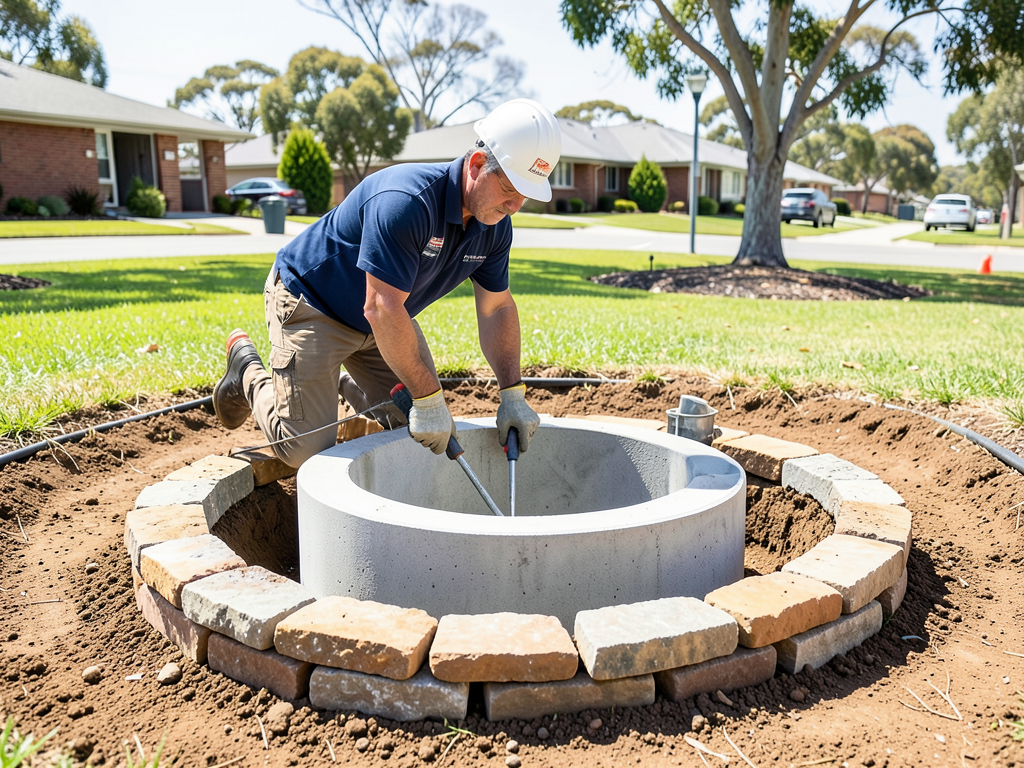
Our technicians arrive with high-capacity pumps that can empty a 1,000-gallon tank in under 30 minutes. We locate your tank lid, remove the cover, and begin extraction immediately. We pump the entire tank, not just the liquid layer. Sludge and scum layers get removed completely so the system can function again.

While pumping, we inspect the inlet and outlet baffles for clogs or damage. We check the distribution box for cracks or sediment buildup. If tree roots have infiltrated the tank or drainfield lines, we identify the access point and document the issue. You get a verbal assessment on-site, not a vague report mailed three days later.

We also pump the effluent filter if your system has one. Clogged filters cause back pressure that triggers false alarms and early system failure. Cleaning the filter restores normal flow and prevents another emergency next month.

Once the tank is empty, we test the inlet line for blockages. If your main sewer line is clogged between the house and tank, pumping alone won't fix the problem. We clear the blockage with a sewer snake or hydro jet so wastewater can flow freely.

We replace the tank lid securely and mark the location for future service. You get a pumping receipt with the date, gallons removed, and condition notes. This documentation is critical if you need to file an insurance claim or prove maintenance history during a home sale.

What Happens During Your Emergency Septic Service Call

Septic Tank Emergency Pumping in Cincinnati – Fast Response When Minutes Matter
01

Immediate Dispatch and Arrival

You call our emergency line at any hour. We confirm your address and septic emergency details. Our nearest vacuum truck is dispatched within minutes. You receive an estimated arrival time, usually under 60 minutes for most Cincinnati metro areas. We prioritize active sewage backups and outdoor contamination. Our technicians call when they're five minutes out so you can unlock gates or clear access paths to the tank.
02

Tank Pumping and Inspection

We locate your septic tank, remove the lid, and begin pumping all contents, including sludge and scum layers. Our high-volume pumps clear residential tanks in 20 to 40 minutes. While pumping, we inspect baffles, filters, and the tank structure for damage or root intrusion. If your drainfield or distribution box shows signs of failure, we document it and explain your options on-site. No upselling. Just facts about what we see.
03

System Restoration and Documentation

After pumping, we test your system to confirm normal function. We replace the tank lid securely and mark the location for future access. You receive a detailed service receipt showing gallons pumped, condition notes, and any issues found. If repairs are needed, we provide a written estimate before leaving. Your system is operational again, and you have the documentation you need for insurance, health department compliance, or resale records.

Why Cincinnati Homeowners Call Us When Septic Systems Fail

When sewage is backing up into your home, you need a company that picks up the phone and sends a truck, not a voicemail system and a callback in six hours. We staff emergency crews around the clock because septic failures don't wait for business hours.

Our technicians know Cincinnati's septic landscape. We've pumped tanks in Anderson Township's rolling hills where access requires long hoses and creative maneuvering. We've serviced properties in Colerain Township where older systems lack modern risers and require digging to access lids. We've handled backups in Mount Washington during heavy storms when saturated drainfields can't accept any more effluent.

We also understand Hamilton County Health Department regulations for septic system maintenance and replacement. If your system is failing and needs repair, we know the permit process and can guide you through the next steps. We work with local excavators and soil engineers when drainfield replacement is necessary. You get honest answers, not scare tactics.

Our vacuum trucks are equipped with high-capacity pumps and long hoses to reach tanks in difficult locations. Steep driveways, fenced backyards, and tanks buried under landscaping don't slow us down. We've seen every tank configuration Cincinnati builders used over the past 60 years, from single-chamber concrete tanks to modern two-chamber fiberglass systems.

We also pump commercial septic systems for restaurants, churches, and small businesses. If you operate a business in an area without municipal sewer access, we can schedule preventive pumping to avoid health code violations and operational shutdowns. Emergency commercial pumping gets priority dispatch because we know your business can't afford downtime.

What You Can Expect From Our Emergency Septic Response

Rapid Response Times

We answer emergency calls immediately, day or night. No answering service. No callbacks. You speak with a dispatcher who logs your address and sends the nearest available truck. Most Cincinnati metro calls get a truck on-site within 45 to 90 minutes, depending on traffic and location. Areas like Blue Ash, Norwood, and Loveland typically see faster response times due to our truck positioning. During severe weather or high call volume, we prioritize active sewage backups and health hazards first. You receive an estimated arrival time when you call, and our technician updates you if delays occur.

On-Site Assessment and Diagnosis

Our technicians don't just pump and leave. We inspect your tank for structural damage, baffle deterioration, and effluent filter clogs. We check the inlet line for blockages between the house and tank. If roots have penetrated the tank or distribution box, we identify the entry point and explain your repair options. We test the system after pumping to confirm normal operation. If your drainfield is failing or saturated, we explain the symptoms and recommend next steps. You get a verbal assessment on-site and a written summary on your service receipt. No surprise bills. No diagnostic fees unless you request advanced camera inspection of your drainfield lines.

Complete Tank Evacuation

We pump the entire tank, removing all sludge, scum, and liquid waste. Partial pumping leaves buildup that accelerates future failures. Our vacuum trucks have the capacity to handle residential tanks up to 1,500 gallons and commercial systems up to 3,000 gallons. We clean effluent filters and inspect outlet baffles to ensure unobstructed flow to the drainfield. The goal is complete evacuation so your system resets to optimal capacity. You're not paying for a half-done job. You're paying for a tank that's ready to function properly again. We document the gallons removed on your receipt for your maintenance records.

Follow-Up and Maintenance Planning

After emergency pumping, we recommend a pumping schedule based on your household size and tank capacity. Most residential systems need pumping every three to five years. Larger families or homes with garbage disposals need more frequent service. We can schedule your next pumping in advance to prevent future emergencies. If we identified issues during the emergency visit, like a damaged baffle or failing drainfield, we provide a written estimate for repairs. We don't sell services you don't need. If your system is healthy after pumping, we tell you. If it's failing, we explain why and what your options are. You make the decision. We just give you the facts.

Frequently Asked Questions

You Have Questions,
We Have Answers

How much is an emergency septic pump? +

Emergency septic pumping in Cincinnati typically costs more than routine service due to after-hours response. Standard pumping ranges from $300 to $600 for most residential tanks, but emergency calls outside business hours can add $100 to $300 to that base price. The total depends on tank size, accessibility, and severity of the backup. If sewage is flooding your basement or yard, call immediately. Waiting increases property damage and health risks. Many Cincinnati providers offer 24/7 emergency response. Get the problem fixed now and worry about the bill later when your family is safe.

How long can a septic go without pumping? +

A typical household septic tank needs pumping every three to five years. Going longer risks solid waste building up and clogging your drainfield, which costs thousands to repair. Cincinnati's clay soils drain slowly, making regular pumping even more critical here. If you have a garbage disposal or a larger household, pump every two to three years. Missing pumping schedules leads to backups, sewage odors, and standing water in your yard. If you cannot remember your last pump-out, schedule an inspection immediately. Preventive pumping is cheaper than emergency repairs and drainfield replacement.

What is considered a septic emergency? +

A septic emergency means sewage is backing up into your home, pooling in your yard, or creating immediate health hazards. Signs include toilets overflowing, drains gurgling and refusing to empty, foul sewage smell inside your house, or wet spots with black water in your lawn. These situations demand immediate action. Sewage contains dangerous bacteria that threaten your family's health. Do not wait until morning if you see these signs at night. Cincinnati homeowners dealing with backups need 24/7 emergency pumping to stop contamination and property damage. Turn off water usage and call a professional immediately.

How do I empty my septic tank without pumping? +

You cannot safely empty a septic tank without pumping equipment. Septic tanks contain toxic gases like methane and hydrogen sulfide that can kill you in seconds. The tank also holds disease-causing bacteria and viruses. Professional pumpers use vacuum trucks, proper ventilation, and safety gear. Trying DIY methods like siphoning or bailing risks fatal gas exposure, drowning, or serious illness. Cincinnati homeowners should never enter or attempt to manually empty a septic tank. If you need emergency service, call a licensed professional with proper equipment. Your life is worth more than the service call fee.

What are the signs that your septic tank is full? +

Your septic tank is full when you notice slow drains throughout the house, toilets that flush weakly or back up, gurgling sounds from drains, sewage odors inside or outside, or standing water and soggy patches near the drainfield. You might see bright green grass over the tank area from nutrient-rich wastewater surfacing. In Cincinnati homes, basement backups often signal a full or failing system. If multiple drains act up simultaneously, your tank likely needs immediate pumping. Do not ignore these warnings. A full tank can damage your drainfield and require expensive repairs beyond simple pumping.

How much does it cost to empty a 1500 gallon septic tank? +

Pumping a 1500-gallon septic tank in Cincinnati typically costs $350 to $550 for routine service. Emergency after-hours pumping adds extra fees. The final price depends on tank accessibility, how full the tank is, and whether the technician encounters complications like a buried or hard-to-locate lid. If your tank has not been pumped in years, expect the higher end of that range. Tanks buried deep or located far from truck access cost more due to extra hose length needed. Regular pumping every three to five years keeps costs predictable and prevents expensive emergency calls.

Can a septic tank go 20 years without being pumped? +

No. A septic tank cannot safely go 20 years without pumping. Solid waste accumulates and eventually clogs the outlet baffle and drainfield, causing complete system failure. You will face sewage backups into your home and a drainfield replacement costing $5,000 to $20,000. Cincinnati's heavy clay soils make drainfield recovery nearly impossible once clogged. Even if your system seems fine, solids build up silently. After 20 years without service, your tank is a ticking time bomb. Schedule pumping immediately if you have gone this long. You are risking catastrophic failure and massive repair bills.

How much does it typically cost to pump a septic tank? +

Routine septic pumping in Cincinnati costs $300 to $600 for most residential systems. The price varies based on tank size, usually 1000 to 1500 gallons for single-family homes. Larger tanks or difficult access increases the cost. Emergency pumping outside normal business hours adds $100 to $300 to the base price. If the technician must locate a buried lid or dig to access the tank, expect additional charges. Regular pumping every three to five years is cheaper than emergency calls and prevents expensive drainfield repairs. Get quotes from licensed providers and confirm they include disposal fees.

How many loads of laundry a day are safe to do with a septic tank? +

Limit laundry to one or two loads per day with a septic system. Spacing out loads prevents overwhelming your drainfield with too much water at once. Cincinnati's clay soils drain slowly, so your system needs time to absorb wastewater between uses. Running five loads back-to-back floods the drainfield and pushes solids into the drain lines before they settle in the tank. Spread laundry throughout the week instead of doing it all on weekends. Use high-efficiency washers that consume less water. If you must do multiple loads, wait several hours between cycles to protect your system.

Does Ridex really work in septic tanks? +

Ridex and similar additives are unnecessary for healthy septic systems. Your tank already contains billions of bacteria that break down waste naturally. These products do not reduce pumping frequency or prevent backups. Some additives can harm your system by breaking down solids too quickly, pushing grease and sludge into the drainfield where they cause clogs. The Ohio EPA does not recommend septic additives. Save your money and stick to proper maintenance: pump every three to five years, conserve water, and avoid flushing harmful chemicals. Regular pumping is the only proven way to maintain your septic system in Cincinnati.

How Cincinnati's Clay Soil and Seasonal Rain Create Septic Emergencies

Cincinnati sits on Alfisol clay soil that drains slowly and swells when wet. During spring storms in April and May, saturated drainfields can't absorb effluent. The septic tank fills faster than the ground can accept wastewater. Pressure builds, and sewage backs up into basements or surfaces in yards. Older neighborhoods in Westwood, Price Hill, and Clifton have aging septic systems that were never designed for modern water usage. When a system hits capacity during heavy rain, you need immediate septic tank emptying before contamination spreads through your home. The clay soil also makes it harder to replace drainfields because the percolation rate is poor. Emergency septic pumping service buys you time to plan repairs without living in a sewage disaster.

Cincinnati homeowners in areas without city sewer access depend on local septic professionals who understand Hamilton County Health Department regulations and soil conditions. We've worked in every neighborhood from Anderson Township to Green Township. We know which areas have high water tables that stress septic systems. We know where bedrock is shallow and limits drainfield options. When you call for urgent septic tank cleaning, you get technicians who have seen Cincinnati's unique septic challenges and know how to solve them fast. Local expertise matters when sewage is flooding your basement at midnight. You need someone who can navigate your property, find your tank, and fix the problem, not a franchise crew guessing where to dig.
Plumbing Services in The Cincinnati Area

We are proud to serve the entire area, providing exceptional plumbing services to our community. Our service area covers all of the city and its surrounding neighborhoods. Use the map to see our location and get directions, or simply give us a call to schedule a service. Our team is always ready to travel to your location to address your plumbing needs quickly and efficiently, ensuring you receive the prompt service you deserve.

Address:
Keystone Plumbing Cincinnati, 71 E Hollister St, Cincinnati, OH, 45219

Additional Services We Offer

Our news updates

Latest Articles & News from The Blogs

Why a Whole House Repiping Project in St. Bernard is a Smart Investment If you own a home in St.…

Why a Whole House Repiping Project in St. Bernard is a Smart Investment

Why a Whole House Repiping Project in St. Bernard is a Smart Investment If you own a home in St.…

Do You Know Exactly Where the Main Water Shut-Off Valve is in Your Silverton Home?

Do You Know Exactly Where the Main Water Shut-Off Valve is in Your Silverton Home? A burst pipe can dump…

Protecting the Exposed Plumbing in Your Madisonville Crawl Space From Rodents and Cold

Protecting the Exposed Plumbing in Your Madisonville Crawl Space From Rodents and Cold \n\n Exposed pipes in Madisonville crawl spaces…

Contact Us

Every minute you wait, contamination spreads. Call Keystone Plumbing Cincinnati at (513) 717-2899 right now. We'll dispatch a truck to your property immediately and restore your septic system before the damage gets worse.