Menu

Sediment Buildup in Pipes in Cincinnati | Expert Diagnosis and Complete Line Restoration

When mineral deposits and calcium buildup choke your water lines, Keystone Plumbing Cincinnati uses advanced diagnostic equipment and proven descaling methods to restore full flow and protect your plumbing investment across the greater Cincinnati metro.

Slider Image 1
Slider Image 2
Slider Image 3
Slider Image 4
Slider Image 5
Slider Image 7
Slider Image 8
Slider Image 9
Slider Image 10
Slider Image 11

Why Cincinnati Water Creates Serious Sediment Problems in Your Pipes

You turn on the faucet and the water pressure is weak. The water heater makes popping sounds. Your dishes have white film. These are not random problems. They point to sediment buildup in pipes, and Cincinnati's water chemistry makes this issue worse than in many other regions.

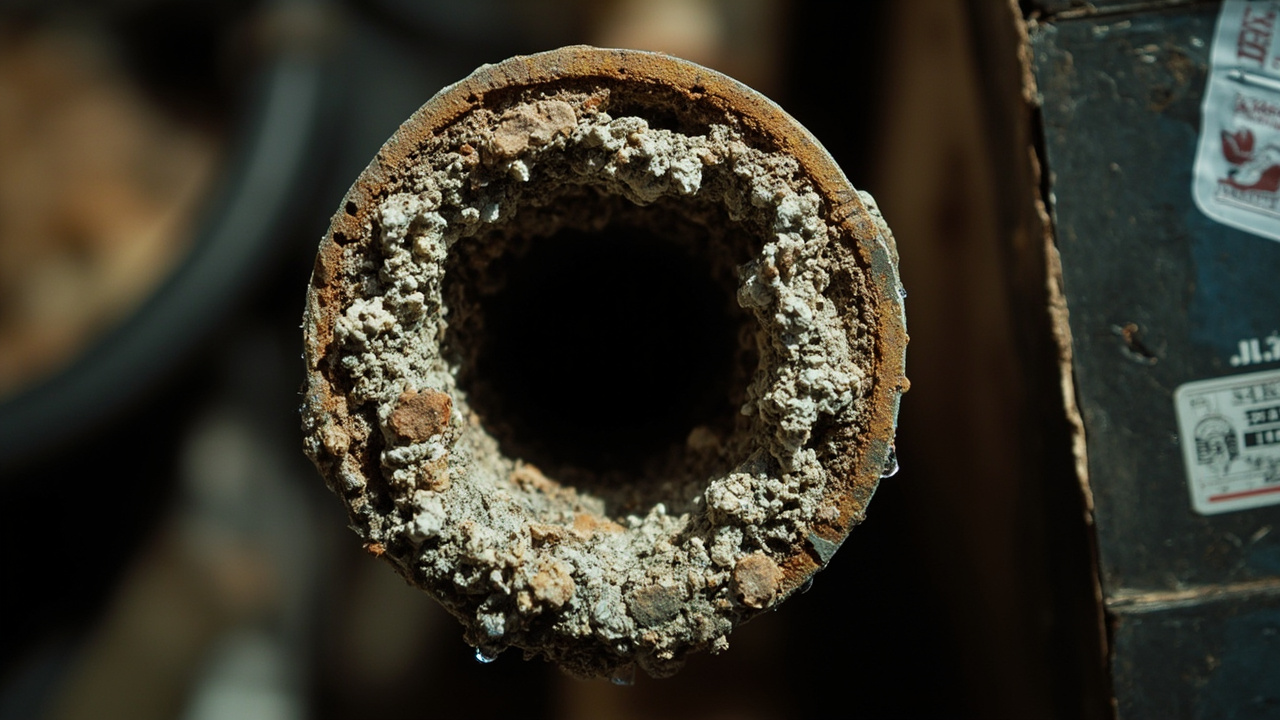
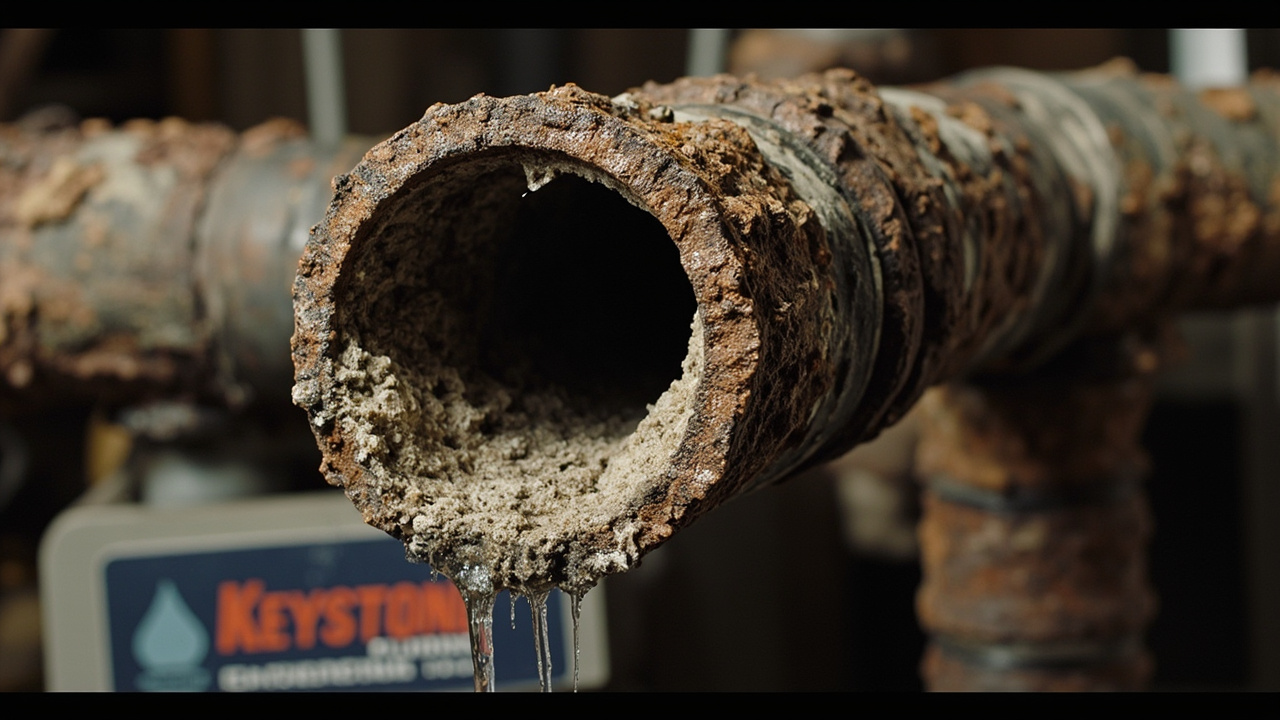
The Greater Cincinnati Water Works draws from the Ohio River and the Great Miami Aquifer. Both sources contain elevated levels of calcium and magnesium. When this hard water flows through your pipes, it leaves behind mineral deposits that accumulate over months and years. The calcium buildup in water lines reduces the interior diameter of pipes, sometimes by half or more in older homes.

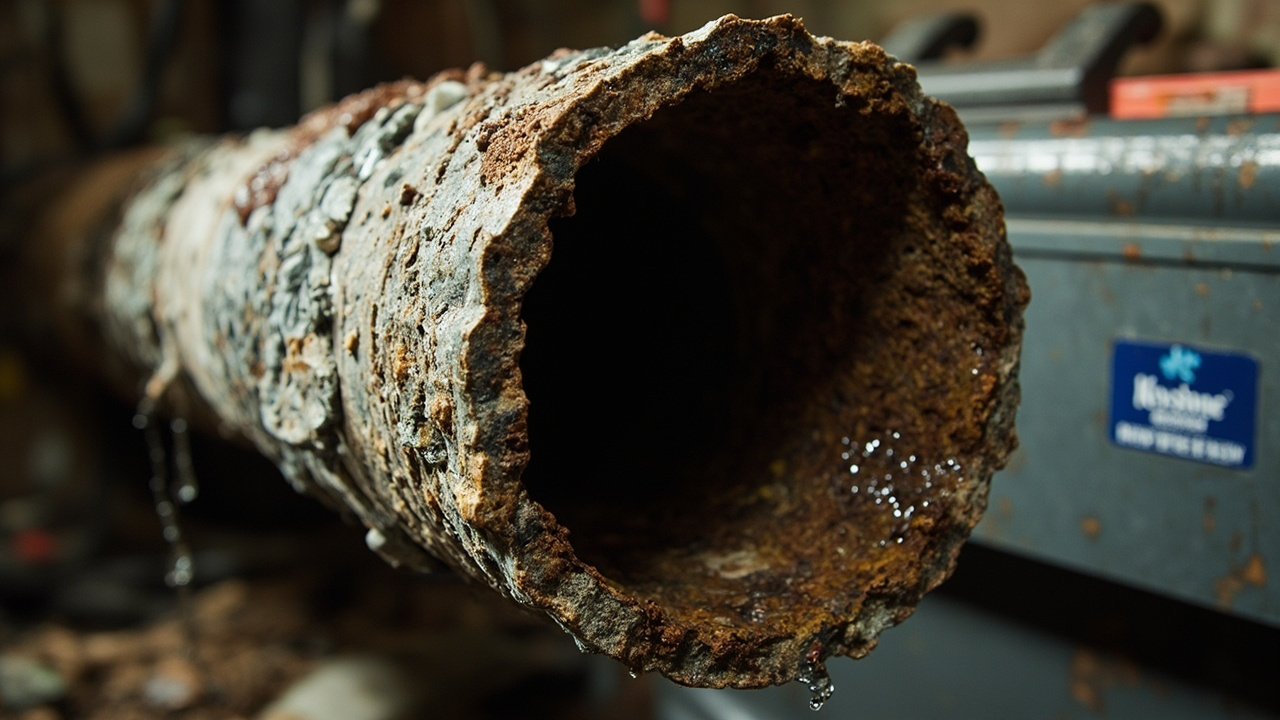
Homes in neighborhoods like Hyde Park, Mount Lookout, and Oakley built before 1980 often have galvanized steel pipes. These corrode from the inside, creating rough surfaces where limescale accumulation accelerates. The result is a progressive narrowing that reduces water pressure, increases energy costs, and creates breeding grounds for bacteria.

Hard water pipe scaling does not just affect old homes. New construction throughout Hamilton County faces the same mineral load. The water hardness in Cincinnati ranges from 12 to 16 grains per gallon, which qualifies as very hard. Every gallon that passes through your system deposits trace amounts of calcium carbonate. Over time, pipe calcification problems become visible in reduced flow, discolored water, and premature failure of fixtures and appliances.

The freeze-thaw cycles we experience in winter make matters worse. Water expands when it freezes. In pipes already narrowed by sediment, this creates pressure points that can crack the line or break loose chunks of scale that block aerators and valves downstream.

Why Cincinnati Water Creates Serious Sediment Problems in Your Pipes
How Professional Descaling and Pipe Restoration Work

How Professional Descaling and Pipe Restoration Work

Fixing sediment buildup in pipes requires more than a bottle of descaler from the hardware store. Chemical treatments sold to homeowners rarely reach the concentrations needed to dissolve years of mineral deposits, and they can damage certain pipe materials if misapplied.

Keystone Plumbing Cincinnati uses a diagnostic-first approach. We start with a video camera inspection of your lines. This reveals the location and severity of calcium buildup, identifies pipe material, and shows whether corrosion or other damage is present. The camera does not lie. You see exactly what we see, and we base our recommendations on evidence, not guesswork.

For moderate limescale accumulation in plumbing, we use hydro-jetting equipment that sends high-pressure water streams through the pipes. The force strips away mineral deposits without damaging the pipe walls. The system includes forward-facing jets that clear blockages and rear-facing jets that scour the interior surface clean. We adjust pressure based on pipe material. Copper can handle higher pressure than PVC or older galvanized steel.

When pipe calcification problems are severe, or when the pipes themselves are degraded, partial or complete repiping becomes the better option. This sounds drastic, but trying to salvage pipes with wall thickness reduced by 60 percent often costs more in repeated service calls than replacing the affected sections once.

We also evaluate your water heater. Sediment collects at the bottom of the tank, reducing efficiency and causing the popping sounds you hear. Flushing the tank removes loose sediment, but if the buildup is baked onto the heating elements, replacement parts or a new unit may be necessary. We give you the options and let you decide based on your budget and timeline.

What Happens When You Call Us About Sediment in Your Lines

Sediment Buildup in Pipes in Cincinnati | Expert Diagnosis and Complete Line Restoration
01

Camera Inspection and Testing

We insert a fiber-optic camera into your plumbing system through an access point like a cleanout or drain. The camera travels through the pipes and transmits live video to a monitor. You watch with us as we identify mineral deposits, check pipe condition, and measure the interior diameter. We also test water hardness at the tap to confirm the mineral load your system handles daily.
02

Descaling or Pipe Replacement

If the pipes are structurally sound, we use hydro-jetting to remove the calcium buildup. The high-pressure water scours the interior clean and flushes the debris out through the drain system. If the camera reveals corroded or paper-thin pipe walls, we replace the damaged sections with new copper or PEX tubing. We isolate the work area to keep disruption minimal and complete the job in one visit when possible.
03

Water Quality Verification

After descaling or repiping, we test water pressure at multiple fixtures to confirm full flow is restored. We run the system through several cycles to clear any remaining loose debris. Before we leave, we discuss water softener options to slow future buildup. You get clear water, strong pressure, and a plumbing system that works the way it should for years to come.

Why Cincinnati Homeowners Trust Keystone Plumbing for Pipe Restoration

Cincinnati's housing stock includes everything from pre-war bungalows in Northside to modern subdivisions in West Chester. Each era of construction used different pipe materials, and each material responds differently to hard water and descaling methods. We know the difference because we work in these neighborhoods every day.

Homes built in the 1950s and 1960s often have galvanized steel pipes. These corrode from the inside out, and the rough interior surface accelerates limescale accumulation. Hydro-jetting can clear the scale, but if the underlying pipe is compromised, you will face the same problem again within months. We tell you the truth about pipe condition so you can make an informed decision.

Newer homes in Mason, Blue Ash, and Montgomery often have copper or PEX piping. Copper resists corrosion but still accumulates mineral deposits over time. PEX does not corrode, but sediment can build up at connection points and valves. We adjust our approach based on what your home actually has, not what we assume.

We also understand local water conditions. The Greater Cincinnati Water Works treats the supply to meet EPA standards, but treatment does not remove hardness minerals. Those stay in the water and deposit in your pipes. If you live in an area served by a private well, your water may be even harder depending on the aquifer geology. We test on-site and tailor our recommendations to your specific situation.

Keystone Plumbing Cincinnati does not sell you services you do not need. If a simple flush will solve the problem, we do that. If you need repiping, we explain why and show you the evidence. You get transparency, not a sales pitch.

What You Can Expect When We Address Your Sediment Problem

Response Time and Scheduling

We schedule diagnostic visits within 24 to 48 hours of your call. If you have no water flow due to a complete blockage, we prioritize your call and arrive the same day. Most inspections take one to two hours, depending on the size of your home and the complexity of your plumbing layout. If descaling is the solution, we often complete the work during the same visit. Repiping projects require additional time and may take one to three days depending on the scope.

Diagnostic Process and Findings

The camera inspection provides a clear picture of what is happening inside your pipes. We show you the footage and explain what you are seeing. You will see the mineral deposits, the remaining pipe diameter, and any corrosion or damage. We test water pressure at multiple points to measure the impact of the buildup. We also check your water heater for sediment accumulation. The entire diagnostic process is transparent. You make decisions based on evidence, not guesswork.

Restored Flow and System Performance

After we complete the descaling or repiping, you will notice immediate improvement in water pressure. Showers run stronger. Faucets fill containers faster. Appliances like dishwashers and washing machines operate more efficiently because they receive adequate flow. If we replace pipe sections, the new lines will not accumulate scale at the same rate as the old ones, especially if you install a water softener. You get a system that works correctly and stays that way longer.

Follow-Up and Preventive Measures

We recommend a water softener for most Cincinnati homes because it addresses the root cause of mineral buildup. Softeners exchange calcium and magnesium ions for sodium ions, which do not form scale. This protects your pipes, water heater, and fixtures from future accumulation. We can install a whole-house system or a point-of-use unit depending on your needs and budget. We also suggest annual water heater flushing to prevent sediment from compacting at the bottom of the tank.

Frequently Asked Questions

You Have Questions,
We Have Answers

How do you flush sediment out of pipes? +

Turn off your water heater and let it cool for a few hours. Attach a garden hose to the drain valve at the bottom of the tank and run it outside or to a floor drain. Open the drain valve and flush until the water runs clear. For whole-house pipe flushing, shut off your main water supply, open all faucets starting from the highest floor, then turn the main back on. Let water run for 15 to 20 minutes. Cincinnati's hard water accelerates sediment buildup, so flush your water heater twice per year to prevent clogging and efficiency loss.

What causes sediment in water pipes? +

Sediment comes from mineral deposits in your water supply, rust from aging pipes, and debris that enters through the municipal system. Cincinnati sits in a region with hard water due to limestone bedrock, which means high calcium and magnesium content. These minerals settle in your water heater tank and cling to pipe walls over time. Corroding galvanized pipes common in older Cincinnati homes also contribute iron oxide and scale. Sand, silt, and organic matter can enter through compromised well systems or during water main breaks, which settle in low points throughout your plumbing system.

How long does it take to run water to get sediment out? +

For a single fixture, run cold water for three to five minutes after initial sediment appears. After water heater maintenance or municipal work, run all cold water taps simultaneously for 10 to 15 minutes. Hot water lines need 15 to 20 minutes since sediment travels through your water heater first. If you see persistent cloudiness or grit after 20 minutes, shut off the water and call a plumber. Cincinnati experiences occasional water main breaks that stir up system-wide sediment. Your water utility may issue boil advisories with flushing instructions during these events.

Is it okay to pour boiling water down drains in the house to clean them? +

Boiling water works for metal and cast iron drains but can damage pipe joints and seals in older homes. The bigger issue is that boiling water alone does not clear blockages. It may temporarily melt grease, but the grease will resolidify further down the line and cause worse clogs. For slow drains, use a plunger or drain snake first. Cincinnati's aging housing stock includes many homes with lead joints and old rubber gaskets that soften under extreme heat. Skip the boiling water and use enzymatic drain cleaners or call a plumber for persistent drainage problems.

How do plumbers descale pipes? +

Plumbers use hydro jetting equipment that sends high-pressure water streams up to 4,000 PSI through your pipes to break apart scale and flush it out. For severe mineral buildup, they may use mechanical cable machines with cutting heads designed to scrape pipe walls. Chemical descaling solutions work for moderate cases but require careful application to avoid pipe damage. Cincinnati homes built before 1970 often have galvanized pipes with heavy scale accumulation. A camera inspection determines the best descaling method and whether pipe replacement makes more sense than repeated descaling efforts.

Is it okay to pour boiling water down PVC pipes? +

No. PVC pipes have temperature ratings between 140 and 160 degrees Fahrenheit depending on the schedule rating. Boiling water reaches 212 degrees and can warp PVC, loosen solvent-welded joints, and cause eventual leaks. The risk increases at elbows and joints where stress concentrates. Most Cincinnati homes built after 1980 have PVC drain lines under sinks and in basement rough-ins. Use hot tap water instead, which typically stays below 120 degrees. For stubborn clogs in PVC systems, use a plunger, drain snake, or enzyme-based cleaner that breaks down organic matter safely.

What are two things you should never flush down a toilet? +

Never flush wipes or feminine hygiene products. Wipes labeled flushable do not break down like toilet paper. They snag on pipe joints, collect other debris, and form blockages that require professional removal. Feminine hygiene products absorb water and expand, creating immediate clogs in your drain line or sewer lateral. Cincinnati's combined sewer system in older neighborhoods means these items can also contribute to sanitary sewer overflows during heavy rain. These blockages often occur at the transition from your home's cast iron stack to the clay sewer lateral, requiring excavation to clear.

How do I get rid of calcium build up in my pipes? +

Calcium deposits require acidic solutions or mechanical removal. For water heaters, drain the tank and add a descaling solution designed for potable water systems, let it sit, then flush thoroughly. For supply lines, whole-house descaling requires a plumber to isolate sections and circulate descaling agents. Hydro jetting physically removes heavy deposits from drain lines. Cincinnati's hard water makes calcium buildup inevitable. Install a water softener to prevent future accumulation. For severe cases in older galvanized pipes, replacement with PEX or copper often costs less long-term than repeated descaling treatments.

How much does it cost to clear a blockage? +

Simple drain clogs cost between $150 and $300 for augering or snaking. Main line stoppages requiring hydro jetting or camera inspection run $350 to $800. Prices vary based on clog location, access difficulty, and time of service. Emergency calls, weekend work, and after-hours service increase costs. Cincinnati's older neighborhoods with mature tree roots and clay sewer laterals often face recurring blockages that need more extensive clearing. Severe blockages requiring excavation or pipe repair start at $2,000. Get multiple quotes and ask whether the plumber includes camera inspection to identify the root cause.

How much does a plumber charge to flush it? +

Water heater flushing typically costs $100 to $200 as part of annual maintenance. Whole-house pipe flushing after construction or sediment events runs $150 to $350 depending on home size and number of fixtures. If you need sediment removal combined with descaling or hydro jetting, expect $300 to $600. Many Cincinnati plumbers include basic flushing with water heater tune-ups. DIY flushing costs nothing but time if you have a garden hose and outdoor drainage access. Schedule professional flushing every two years in Cincinnati due to hard water conditions that accelerate sediment accumulation.

How Cincinnati's Water Hardness Accelerates Pipe Scaling and System Failure

Cincinnati sits at the confluence of multiple water sources, and all of them carry high mineral content. The Ohio River picks up limestone and dolomite as it flows through Kentucky and Ohio. The Great Miami Aquifer runs through bedrock rich in calcium carbonate. The result is water that consistently measures between 12 and 16 grains per gallon of hardness. Over time, this mineral load creates visible scale on faucets and hidden buildup inside pipes. Homes in Anderson Township, Milford, and Loveland often report faster accumulation because they draw from deeper aquifer zones with even higher mineral concentrations.

Keystone Plumbing Cincinnati has worked in every neighborhood across Hamilton and Clermont counties. We know which areas have the oldest infrastructure, which subdivisions installed what pipe materials, and how local water chemistry interacts with each system. This experience lets us diagnose problems faster and recommend solutions that last. We are not a national chain following a script. We are local plumbers who understand Cincinnati water, Cincinnati homes, and Cincinnati building practices. When you call us, you get someone who has solved this exact problem dozens of times in homes just like yours.
Plumbing Services in The Cincinnati Area

We are proud to serve the entire area, providing exceptional plumbing services to our community. Our service area covers all of the city and its surrounding neighborhoods. Use the map to see our location and get directions, or simply give us a call to schedule a service. Our team is always ready to travel to your location to address your plumbing needs quickly and efficiently, ensuring you receive the prompt service you deserve.

Address:
Keystone Plumbing Cincinnati, 71 E Hollister St, Cincinnati, OH, 45219

Additional Services We Offer

Our news updates

Latest Articles & News from The Blogs

The Best Way to Add a Bidet to Your Glendale Home Without a Full Remodel Adding a bidet to your…

The Best Way to Add a Bidet to Your Glendale Home Without a Full Remodel

The Best Way to Add a Bidet to Your Glendale Home Without a Full Remodel Adding a bidet to your…

Why a Whole House Repiping Project in St. Bernard is a Smart Investment

Why a Whole House Repiping Project in St. Bernard is a Smart Investment If you own a home in St.…

Do You Know Exactly Where the Main Water Shut-Off Valve is in Your Silverton Home?

Do You Know Exactly Where the Main Water Shut-Off Valve is in Your Silverton Home? A burst pipe can dump…

Contact Us

Weak water pressure and mineral buildup will not fix themselves. Call Keystone Plumbing Cincinnati at (513) 717-2899 to schedule a camera inspection and find out exactly what is happening in your pipes. We give you answers, not guesses.