Menu

Preventative Commercial Maintenance in Cincinnati | Minimize Downtime and Protect Your Facility Investment

Comprehensive commercial plumbing maintenance plans designed to identify failures before they disrupt operations, reduce emergency repair costs, and extend system lifespan across Cincinnati's diverse commercial facilities.

Slider Image 1
Slider Image 2
Slider Image 3
Slider Image 4
Slider Image 5
Slider Image 7
Slider Image 8
Slider Image 9
Slider Image 10
Slider Image 11

Why Cincinnati Commercial Facilities Cannot Afford Reactive Plumbing Management

Cincinnati's commercial real estate market operates under constant pressure. Your plumbing infrastructure runs 24/7, subjected to the Ohio River Valley's freeze-thaw cycles that stress pipes, corrode fixtures, and compromise backflow prevention devices. The region's hard water accelerates mineral buildup in water heaters and boiler systems. One catastrophic failure during peak business hours costs you far more than months of routine commercial plumbing inspections.

Most commercial property managers operate on a break-fix model. A pipe bursts. Production stops. Tenants complain. Emergency plumbers charge premium rates while your facility bleeds revenue. This approach fails basic risk management principles.

Preventive commercial plumbing services shift the equation. Scheduled commercial plumbing upkeep identifies worn gaskets, corroding pipes, failing pressure regulators, and compromised drainage systems before they cascade into business-interrupting failures. In Cincinnati's mixed-use developments along the riverfront and industrial corridors near I-75, facility downtime directly impacts revenue per square foot.

Commercial plumbing maintenance plans provide predictable operating costs. You budget maintenance as a fixed expense rather than gambling on emergency repair timing. For multi-tenant buildings, restaurants, medical facilities, and manufacturing operations throughout Greater Cincinnati, this predictability matters. Your plumbing infrastructure represents a capital investment. Commercial plumbing service agreements protect that investment through systematic inspection, documentation, and targeted intervention.

The question is not whether your systems will fail. The question is whether you will control when and how they fail.

Why Cincinnati Commercial Facilities Cannot Afford Reactive Plumbing Management
How Strategic Commercial Plumbing Maintenance Delivers ROI

How Strategic Commercial Plumbing Maintenance Delivers ROI

Effective preventive commercial plumbing services start with baseline documentation. We map your entire plumbing infrastructure, age, installation dates, materials, and previous failure points. For Cincinnati facilities, this includes assessing whether you have galvanized steel piping common in pre-1980 construction or modern PEX and copper systems.

Routine commercial plumbing inspections follow a risk-based protocol. High-risk components receive quarterly attention. Water heaters, backflow preventers, sewage ejector pumps, and grease traps demand frequent inspection. Lower-risk elements move to semi-annual or annual schedules. This stratification maximizes inspection efficiency while focusing resources where failures carry the highest consequence.

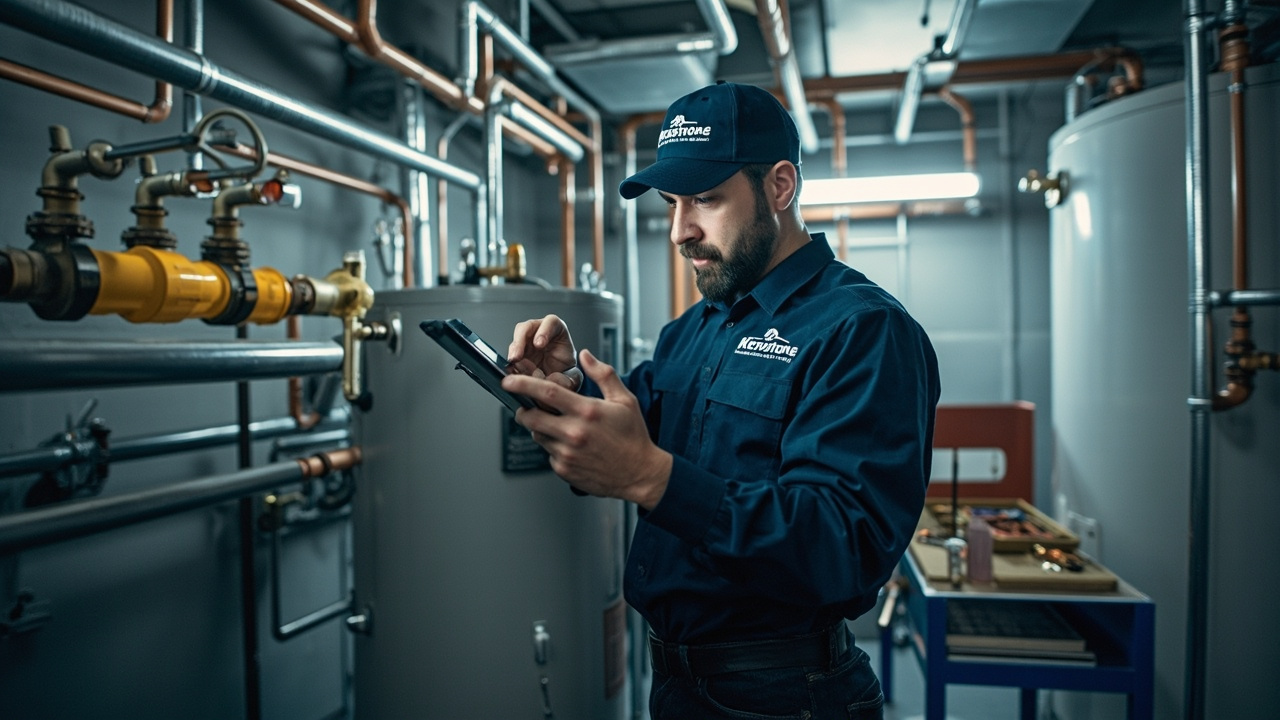
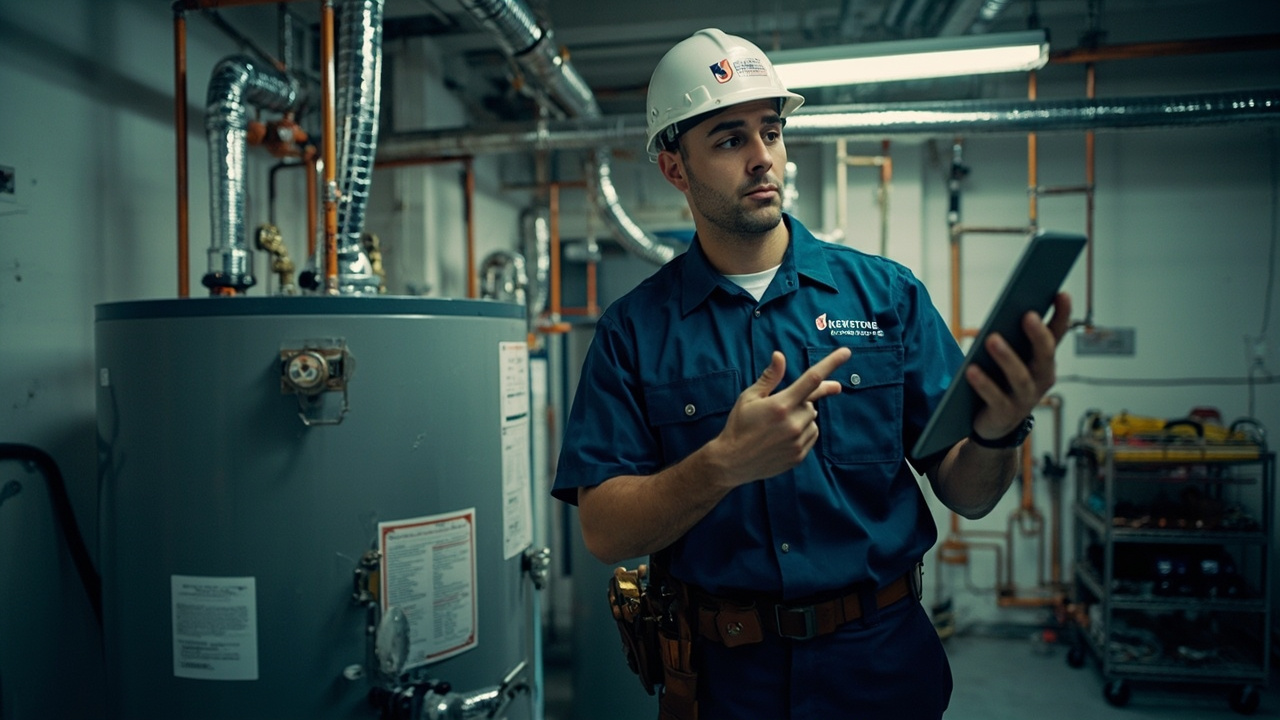
During each inspection cycle, technicians measure water pressure at multiple test points, inspect exposed piping for corrosion indicators, test temperature and pressure relief valves, verify backflow preventer function, and assess drainage flow rates. We document findings with date-stamped photographs and pressure readings. This creates a trend analysis baseline. When pressure drops or corrosion accelerates, you see the degradation curve before it reaches critical failure.

Commercial plumbing maintenance plans include targeted component replacement. A failing pressure regulator gets replaced during scheduled maintenance, not at midnight when it grenades and floods your mechanical room. A water heater showing sediment buildup and reduced efficiency gets flushed or replaced during a planned service window, not during lunch rush at your restaurant.

For Cincinnati facilities with multiple buildings or complex process water systems, scheduled commercial plumbing upkeep integrates with your facility management software. You receive inspection reports, compliance documentation for insurance audits, and replacement forecasts that inform capital planning cycles.

What Happens During Your Commercial Maintenance Visit

Preventative Commercial Maintenance in Cincinnati | Minimize Downtime and Protect Your Facility Investment
01

Comprehensive System Assessment

Technicians arrive during your specified service window with facility-specific documentation from previous visits. We systematically inspect every scheduled component, starting with critical infrastructure like main water service, pressure regulation, and backflow prevention. Each inspection point receives a pass or flag status. Water pressure gets measured at fixture groups. Exposed piping gets inspected for corrosion, leaks, or stress indicators. Drainage systems get flow-tested to identify developing clogs before they cause backups.
02

Preventive Service and Documentation

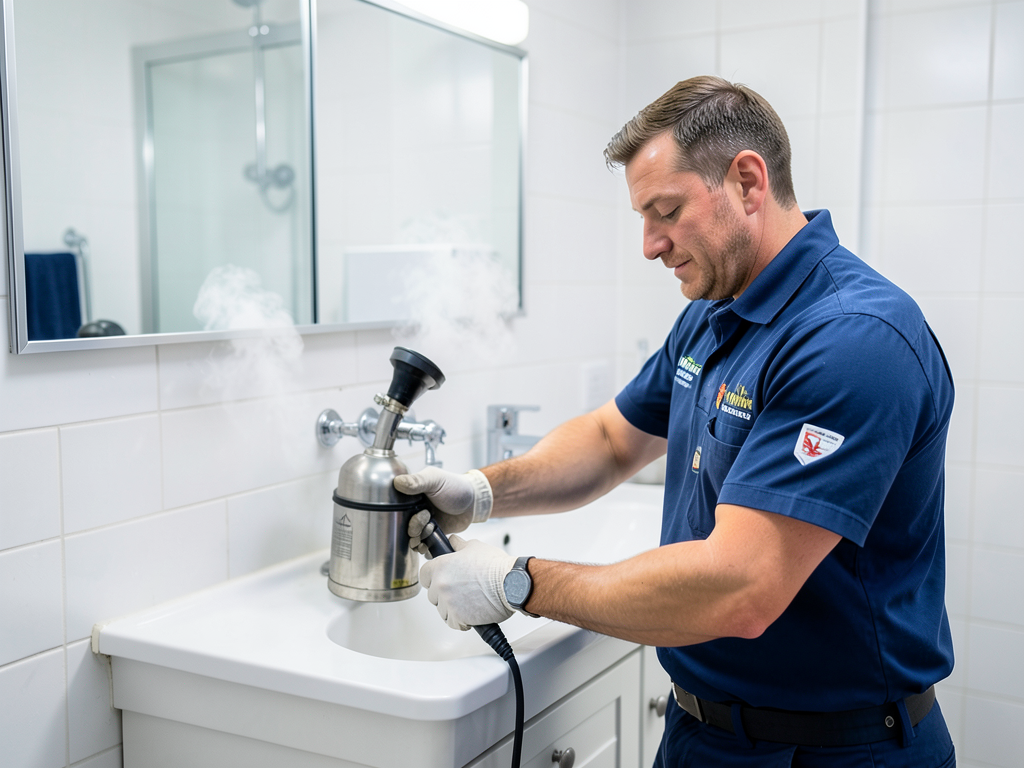
Components within service parameters receive preventive maintenance. Water heaters get flushed to remove sediment. Pressure relief valves get tested. Backflow preventers get rebuilt if they are due for service. Drainage systems receive enzymatic treatment to prevent grease and organic buildup. Grease traps get pumped on schedule. Every action gets documented with timestamps, measurements, and photographic evidence. This documentation satisfies health department requirements and insurance compliance for commercial facilities throughout Hamilton County.
03

Priority Reporting and Planning

You receive a detailed service report within 24 hours. The report flags any components requiring near-term attention, provides cost estimates for recommended repairs or replacements, and forecasts when major systems will need capital replacement. This allows you to schedule repairs during low-occupancy periods and budget for replacements during your next fiscal planning cycle. For multi-location operators, reports roll up into portfolio-level dashboards showing system health across all Cincinnati properties.

Why Cincinnati Facility Managers Choose Keystone Plumbing Cincinnati

Cincinnati's commercial building stock spans 150 years. You have historic structures in Over-the-Rhine with cast iron drainage stacks, mid-century industrial facilities with galvanized steel supply lines, and modern LEED-certified buildings with advanced water management systems. Each era presents distinct maintenance challenges. Generic maintenance checklists fail because they ignore these architectural and material variables.

Keystone Plumbing Cincinnati brings facility-specific expertise. We understand how Cincinnati's clay soil affects below-grade plumbing. We know which downtown buildings still operate on combined sewer systems and how that impacts backflow prevention requirements. We recognize that facilities near the Ohio River face different water quality challenges than properties in the upland areas of Hyde Park or Blue Ash.

Commercial plumbing service agreements with Keystone include priority emergency response. When an unexpected failure occurs despite preventive maintenance, you move to the front of the dispatch queue. Your Saturday pipe burst gets the same rapid response as your Tuesday morning service call. For restaurants, medical facilities, and manufacturing operations where downtime carries four-figure hourly costs, this priority access matters.

Our maintenance documentation satisfies regulatory requirements. Health department inspections, insurance audits, and tenant improvement due diligence all require plumbing system verification. Your maintenance records provide third-party validation of proper system care, which protects you during liability claims and demonstrates proper facility stewardship.

We scale with your portfolio. Single-location operators receive the same systematic approach as regional property management firms overseeing dozens of Cincinnati buildings. Service intervals, reporting formats, and billing structures adapt to your facility management protocols.

What Your Commercial Maintenance Plan Includes

Flexible Service Scheduling

Maintenance visits occur during your specified windows. We schedule around your operational requirements, whether that means early morning service before your facility opens, evening visits after close, or weekend appointments. For 24/7 operations like medical facilities or data centers, we coordinate maintenance during low-activity periods. Service frequency adapts to your facility risk profile. High-traffic commercial kitchens need monthly grease trap service and quarterly drain line inspection. Office buildings operate on semi-annual or annual inspection cycles. Manufacturing facilities with process water requirements get customized schedules based on production cycles and water usage patterns.

Risk-Based Inspection Protocol

Every inspection follows a documented protocol specific to your facility type and equipment inventory. Water heaters receive sediment inspection, anode rod assessment, and temperature-pressure relief valve testing. Backflow preventers get functional testing per Ohio EPA requirements. Drainage systems receive camera inspection when warranted by age or symptoms. Exposed piping gets corrosion assessment using standardized rating scales. Pressure regulators get tested under load conditions. Sewage ejector pumps receive float switch testing and discharge line inspection. Each checkpoint generates pass or advisory status with supporting measurements. This systematic approach ensures nothing gets overlooked due to technician experience variance or time pressure.

Transparent Condition Reporting

Post-service reports include date-stamped photographs, pressure readings, temperature measurements, and functional test results for every inspected component. Advisories explain why a component requires attention, the consequence of inaction, and the recommended timeline for repair or replacement. Cost estimates accompany every recommendation so you can make informed decisions. Reports track trends across multiple visits. When water pressure drops 8 PSI over three inspections, you see the degradation pattern. When a water heater efficiency declines quarter over quarter, replacement timing becomes data-driven rather than reactive. This documentation provides defendable records for insurance claims, tenant disputes, and regulatory compliance verification.

Predictable Cost Structure

Commercial plumbing maintenance plans operate on fixed monthly or quarterly fees. You budget maintenance as a predictable operating expense rather than facing surprise emergency repair bills. Plans include scheduled inspection visits, routine preventive service like water heater flushing and drain treatment, priority emergency response, and discounted rates on any required repairs identified during inspection. For multi-building portfolios, we provide consolidated billing and reporting. Plan terms adapt to your fiscal calendar. Annual agreements provide cost stability. Multi-year contracts lock in pricing for budget forecasting. As your facility ages or your operation expands, service intervals adjust to match evolving risk profiles without requiring new contract negotiation.

Frequently Asked Questions

You Have Questions,
We Have Answers

What are the 5 types of preventive maintenance? +

The five types of preventive maintenance include time-based maintenance, which runs on fixed schedules like monthly inspections. Usage-based maintenance triggers after specific operating hours or cycles. Predictive maintenance uses sensors and data to catch failures before they occur. Condition-based maintenance monitors equipment performance in real time. Prescriptive maintenance combines data analysis with recommendations for action. Commercial properties in Cincinnati benefit most from blended approaches that account for Ohio's freeze-thaw cycles and humidity swings, which accelerate wear on HVAC systems, plumbing lines, and roofing components. Your maintenance type depends on equipment criticality and downtime cost.

What is considered commercial maintenance? +

Commercial maintenance covers all scheduled and reactive work needed to keep business facilities operational and compliant. This includes HVAC system servicing, plumbing inspections, electrical panel checks, roofing assessments, and fire suppression testing. For Cincinnati properties, maintenance must address seasonal demands like boiler readiness before winter and cooling system prep for humid summers. The scope also includes code compliance inspections, emergency repairs, and equipment replacements. Commercial maintenance protects asset value, minimizes unplanned downtime, and reduces liability exposure. It differs from residential work in scale, complexity, and regulatory requirements specific to Ohio commercial building codes.

What are the 7 elements of preventive maintenance? +

The seven elements of preventive maintenance include inspection, which identifies potential failures. Detection catches early-stage problems before they escalate. Correction addresses minor issues immediately. Prevention stops problems from occurring through scheduled servicing. Lubrication reduces friction and wear on moving parts. Adjustment fine-tunes equipment for optimal performance. Cleaning removes debris that causes inefficiency or failure. Cincinnati commercial properties face unique challenges from Ohio River valley humidity and industrial particulate matter, which accelerates fouling in HVAC filters and roof drains. A comprehensive preventive program addresses all seven elements on equipment-specific schedules to maximize uptime and extend asset life.

How much does preventive maintenance cost for commercial HVAC? +

Commercial HVAC preventive maintenance costs vary based on system size, complexity, and service frequency. Factors include tonnage capacity, number of zones, accessibility, and equipment age. Cincinnati properties typically require more aggressive maintenance due to high humidity and temperature extremes that stress compressors and heat exchangers. Costs increase with specialized equipment like chillers, boilers, or rooftop units requiring crane access. Service agreements typically bundle inspections, filter changes, refrigerant checks, and minor repairs. Budget planning should account for seasonal demands and emergency reserve capacity. Request detailed proposals that itemize labor, parts, and trip charges to compare value accurately.

What are the 4 P's of maintenance? +

The four P's of maintenance are Prevention, Prediction, Prescription, and Performance. Prevention stops failures through scheduled tasks like filter changes and belt replacements. Prediction uses data analysis and monitoring to forecast problems before they occur. Prescription recommends specific corrective actions based on equipment condition and failure risk. Performance measures maintenance effectiveness through uptime metrics, energy efficiency, and cost per square foot. Cincinnati commercial operators benefit from this framework by aligning maintenance strategies with business continuity goals. The approach shifts focus from reactive repairs to proactive asset management, reducing emergency callouts and extending equipment lifecycles in demanding Midwest climate conditions.

What is the 10% rule of preventive maintenance? +

The 10% rule suggests allocating 10% of equipment replacement cost annually for preventive maintenance. This guideline helps commercial property managers budget appropriately for routine servicing that extends asset life. A properly maintained commercial HVAC system or boiler can last 50% longer than neglected equipment, justifying the investment. In Cincinnati, where seasonal temperature swings stress mechanical systems, adherence to this rule prevents catastrophic failures during peak demand periods. The 10% benchmark covers inspections, consumables, minor repairs, and labor. Underfunding maintenance creates deferred liabilities that compound over time, ultimately costing more in emergency repairs and premature replacements.

What qualifies as preventive maintenance? +

Preventive maintenance includes any scheduled task designed to keep equipment running and prevent unexpected failures. This covers inspections, cleaning, lubrication, adjustments, minor repairs, and component replacements performed on time-based or usage-based intervals. Examples include quarterly HVAC filter changes, annual boiler inspections, monthly roof drain clearing, and biannual electrical panel thermography. In Cincinnati, preventive work must account for freeze-thaw damage to plumbing systems and corrosion from humid conditions. The work is planned, budgeted, and performed during scheduled downtime rather than as emergency response. Proper documentation tracks completion and identifies trending issues before they cause business interruption.

What should a commercial landlord pay for? +

Commercial landlords typically pay for structural repairs, roof replacements, exterior maintenance, common area upkeep, and major system components like HVAC units and water heaters. Responsibility depends on lease structure. Triple net leases shift most maintenance costs to tenants. Gross leases place more burden on landlords. Ohio law requires landlords to maintain habitable conditions and comply with building codes. Cincinnati landlords must address weather-related issues like ice dam prevention and proper drainage given regional precipitation patterns. Lease agreements should clearly define maintenance obligations, capital expenditure thresholds, and emergency repair procedures. Landlords remain liable for code violations regardless of tenant responsibilities.

What are the 7 types of maintenance? +

The seven types of maintenance are preventive maintenance, which stops problems through scheduled tasks. Predictive maintenance uses data to forecast failures. Corrective maintenance fixes identified issues before failure occurs. Reactive maintenance responds to unexpected breakdowns. Condition-based maintenance triggers work based on equipment status. Predetermined maintenance follows manufacturer schedules. Reliability-centered maintenance prioritizes critical assets. Cincinnati commercial facilities typically blend multiple types based on equipment importance and failure consequences. HVAC systems may use predictive monitoring while less critical equipment follows time-based schedules. The mix depends on downtime costs, safety considerations, and regulatory requirements specific to your facility type and Ohio commercial building standards.

What are the six requirements for preventive maintenance? +

The six requirements for preventive maintenance include accurate equipment inventory documenting all assets requiring service. Detailed task lists specify what work gets performed on each asset. Scheduling protocols define when and how often tasks occur. Resource allocation ensures adequate staffing, tools, and parts availability. Documentation systems track completion, findings, and costs. Performance metrics measure program effectiveness through uptime and cost analysis. Cincinnati commercial properties must also maintain compliance records for Ohio building inspectors and insurance carriers. Computerized maintenance management systems help organize these requirements. Without proper structure, preventive programs fail to deliver ROI and devolve into reactive firefighting that increases costs and downtime.

How Cincinnati's Infrastructure Age Demands Proactive Commercial Plumbing Management

Cincinnati's commercial building inventory reflects over a century of development. Properties constructed before 1960 often contain galvanized steel supply lines and cast iron drainage stacks now reaching end-of-service life. The city's clay soil composition causes differential settling that stresses rigid piping systems. Buildings in flood-prone areas near the Ohio River face periodic water table elevation that can compromise below-grade plumbing. Downtown facilities connected to combined sewer systems must maintain functional backflow prevention to comply with Metropolitan Sewer District regulations. Scheduled commercial plumbing upkeep identifies these aging infrastructure vulnerabilities before they cascade into code violations or business interruptions.

Hamilton County building departments require backflow preventer testing for commercial facilities on annual or semi-annual schedules depending on hazard classification. Health departments mandate grease trap maintenance documentation for food service operations. Insurance carriers increasingly require proof of preventive maintenance as a condition of coverage for water damage claims. Commercial plumbing service agreements with Keystone provide the systematic documentation that satisfies these regulatory and contractual requirements. Our familiarity with Cincinnati's municipal code requirements, MSD regulations, and local inspection standards ensures your facility remains compliant while minimizing the administrative burden on your property management team.
Plumbing Services in The Cincinnati Area

We are proud to serve the entire area, providing exceptional plumbing services to our community. Our service area covers all of the city and its surrounding neighborhoods. Use the map to see our location and get directions, or simply give us a call to schedule a service. Our team is always ready to travel to your location to address your plumbing needs quickly and efficiently, ensuring you receive the prompt service you deserve.

Address:
Keystone Plumbing Cincinnati, 71 E Hollister St, Cincinnati, OH, 45219

Additional Services We Offer

Our news updates

Latest Articles & News from The Blogs

Why a Whole House Repiping Project in St. Bernard is a Smart Investment If you own a home in St.…

Why a Whole House Repiping Project in St. Bernard is a Smart Investment

Why a Whole House Repiping Project in St. Bernard is a Smart Investment If you own a home in St.…

Do You Know Exactly Where the Main Water Shut-Off Valve is in Your Silverton Home?

Do You Know Exactly Where the Main Water Shut-Off Valve is in Your Silverton Home? A burst pipe can dump…

Protecting the Exposed Plumbing in Your Madisonville Crawl Space From Rodents and Cold

Protecting the Exposed Plumbing in Your Madisonville Crawl Space From Rodents and Cold \n\n Exposed pipes in Madisonville crawl spaces…

Contact Us

Protect your facility investment and eliminate surprise plumbing failures. Call (513) 717-2899 now to schedule your initial system assessment. We will audit your current plumbing infrastructure, identify risk factors, and build a maintenance plan that fits your operational requirements and budget constraints.