
Menu

Plumbing Repair Cost Guide 2026 in Cincinnati – Transparent Pricing Before the Work Begins

Get accurate 2026 plumbing repair pricing for Cincinnati homes and businesses with our comprehensive Plumbing Repair Cost Guide 2026, detailing service rates, common repair costs, and what drives pricing in the Greater Cincinnati area.

Slider Image 1
Slider Image 2
Slider Image 3
Slider Image 4
Slider Image 5
Slider Image 7
Slider Image 8
Slider Image 9
Slider Image 10
Slider Image 11

Why Cincinnati Property Owners Search for Plumbing Repair Costs

You need to budget for a repair, but every plumber you call gives you a vague range or refuses to discuss pricing until they arrive. That frustration drives thousands of Cincinnati homeowners and business owners to search for a plumbing repair price list every year.

Cincinnati's unique challenges make accurate pricing even more critical. The Ohio River Valley's freeze-thaw cycles stress copper supply lines and cause slab leaks in older Clifton and Mount Adams homes. Our clay soil shifts with seasonal moisture changes, cracking cast iron drain lines in pre-1970 properties throughout Oakley and Hyde Park. High mineral content in our municipal water supply accelerates sediment buildup in water heaters, shortening their lifespan and increasing the frequency of repairs.

When you search for average plumber costs 2026 or plumbing service rates 2026, you want transparency. You need to know if that slab leak will cost hundreds or thousands. You want to understand whether repiping a bathroom is worth the investment or if a targeted repair makes more sense.

The 2026 plumbing repair pricing landscape reflects increased material costs, updated code requirements for lead-free fixtures, and the growing complexity of modern plumbing systems. PEX repiping costs differ significantly from copper. Tankless water heater repairs require specialized diagnostic equipment that traditional tank units do not.

This guide provides real context for how much plumbers charge in 2026, what drives those costs in Cincinnati specifically, and how to evaluate quotes you receive. You will understand the difference between a service call, diagnostic fee, and repair labor. You will know which repairs justify the expense and which signal it is time to replace rather than repair.

Why Cincinnati Property Owners Search for Plumbing Repair Costs
How Plumbing Repair Costs Are Structured in 2026

How Plumbing Repair Costs Are Structured in 2026

Plumbing repair pricing breaks down into three core components: the diagnostic fee, labor rate, and materials markup. Understanding this structure helps you evaluate any quote you receive.

The diagnostic fee covers the plumber's travel time, initial assessment, and equipment used to identify the problem. In Cincinnati, this typically includes a visual inspection, pressure testing, and often camera inspection of drain lines. A thermal imaging camera can detect hidden slab leaks without excavation. A hydrostatic test reveals whether a foundation leak exists in the sewer line or the supply system. These diagnostic tools cost thousands of dollars, and the fee partially offsets that investment.

Labor rates reflect the plumber's skill level, overhead costs, and demand. A journeyman plumber costs less per hour than a master plumber, but complex repairs require master-level expertise. Replacing a fill valve in a toilet requires basic skills. Repairing a concealed shower valve in a 1920s Mount Adams home with plaster walls and unknown pipe routing requires experience and problem-solving ability. Emergency calls after hours or on weekends carry premium rates because you are paying for immediate availability.

Material costs include not just the parts but the markup that covers procurement, warranty administration, and inventory risk. A plumber who stocks a complete truck with 500 different parts can fix your issue in one visit. That convenience costs more than a handyman who drives to the supply house mid-job.

The 2026 plumbing repair price list reflects these realities. Flat-rate pricing has become more common, where you pay a fixed price for a defined scope of work. This protects you from hourly overruns but requires the plumber to accurately diagnose the issue upfront. Time-and-materials pricing bills you for actual hours worked plus parts, which can be more economical for straightforward repairs but riskier for complex issues.

Cincinnati's plumbing service rates in 2026 also reflect code compliance requirements. Any work on water supply lines now requires lead-free materials under federal Safe Drinking Water Act amendments. Backflow prevention devices must be installed on certain fixtures. These regulations increase material costs but protect your health.

Three Steps to Understanding Your Plumbing Repair Quote

Plumbing Repair Cost Guide 2026 in Cincinnati – Transparent Pricing Before the Work Begins
01

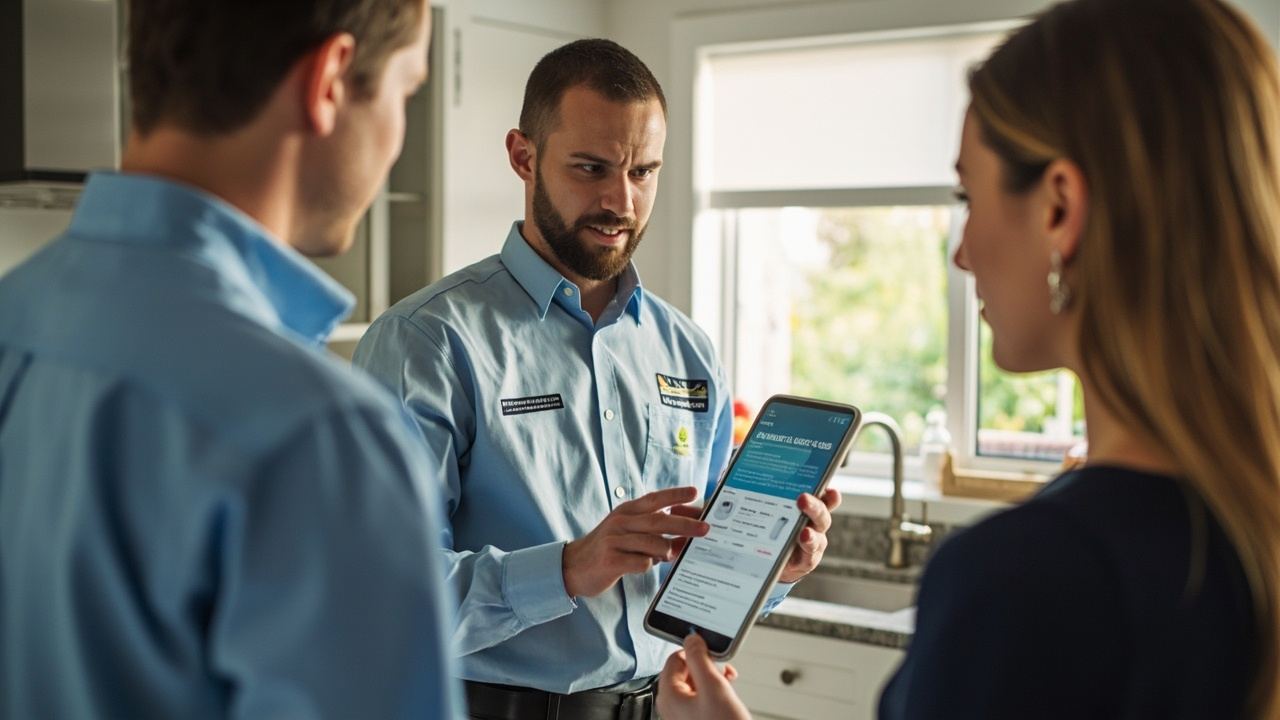
Request Itemized Estimates

Ask every plumber to break down their quote into diagnostic fees, labor hours or flat-rate pricing, and material costs with specific part numbers. This transparency lets you compare apples to apples across multiple bids. An itemized estimate also reveals whether the plumber plans to use contractor-grade fixtures or builder-grade components. For recurring issues like drain clogs, ask whether the estimate includes camera inspection to identify root causes rather than just clearing the symptom.
02

Compare Scope Carefully

Two plumbers can quote vastly different prices for what seems like the same job because they define the scope differently. One might include drywall repair and paint matching after accessing a pipe behind a wall. Another might quote the plumbing work only, leaving you to hire a separate contractor for wall restoration. Ask every plumber to specify exactly what their price includes, what permits they will pull, and what site cleanup entails. Scope creep drives bills higher than initial quotes when expectations are not aligned upfront.
03

Verify Code Compliance

The cheapest quote may skip required permits or use non-compliant materials to undercut competitors. Ask whether the estimate includes permit fees and inspections. Verify that water heater replacements include expansion tanks if required by local code. Confirm that any gas line work will be pressure tested and inspected. Code-compliant work protects your home's value and ensures your insurance coverage remains valid. An unpermitted repair can create liability if you ever sell your property or file a claim after water damage.

Why Cincinnati Pricing Reflects Local Market Conditions

Cincinnati's plumbing repair costs reflect factors unique to the Tri-State region. Our aging housing stock creates specific challenges that newer markets do not face. Over 40 percent of Cincinnati homes were built before 1970, when galvanized steel supply lines and cast iron drains were standard. These materials fail predictably, creating consistent demand for repiping and drain line replacement.

The Ohio River Valley's soil composition affects foundation plumbing differently than stable bedrock regions. Our expansive clay soils swell when wet and shrink when dry, stressing rigid pipe connections under slabs. This cyclical movement causes pinhole leaks in copper and cracks in cast iron that require excavation and foundation penetration repairs. These complex jobs cost more than simple fixture replacements.

Cincinnati's winter freeze risk also drives repair costs. Any exterior hose bib, irrigation line, or poorly insulated crawl space pipe can freeze and burst during January cold snaps when temperatures drop below 20 degrees for extended periods. Emergency calls during freeze events command premium pricing because every plumber in the region is overwhelmed with simultaneous failures.

Local permit requirements add costs that other markets may not have. The City of Cincinnati requires permits for water heater replacements, backflow preventer installations, and any work on building sewers. Suburban jurisdictions like Mason and West Chester have their own code amendments. A plumber operating across Hamilton, Clermont, and Warren counties must navigate multiple regulatory frameworks, and that complexity factors into pricing.

Material availability affects costs as well. Supply chain disruptions that began in 2020 have not fully resolved. Certain fixtures, valves, and pipe materials face extended lead times. Plumbers who maintain larger inventories can complete jobs faster but must charge more to cover carrying costs. Those who order parts as needed may offer lower quotes but longer project timelines.

Keystone Plumbing Cincinnati understands these regional factors because we have navigated them for years. We know which older neighborhoods have original galvanized lines and which developments used copper. We stock parts for both modern PEX systems and vintage fixtures found in historic Cincinnati homes. That local knowledge translates into accurate quotes and fewer surprise costs mid-project.

What to Expect When Evaluating Plumbing Repair Costs

Response Time and Scheduling Transparency

Reputable plumbers provide clear scheduling windows and honor quoted response times. For non-emergency repairs, expect quotes within 24 to 48 hours after the initial assessment. Complex jobs requiring permits may need additional time for plan review and approval. Emergency services command premium rates but should arrive within two hours for true crises like sewer backups or burst supply lines. Ask upfront whether the quoted price includes same-day service or if immediate response carries a surcharge. Transparency about timing helps you plan and prevents frustration when a plumber cannot start work immediately due to permit delays or parts availability.

Diagnostic Process and Assessment Fees

Professional plumbers invest in diagnostic tools that locate problems without destructive exploration. Camera inspection identifies drain line damage without excavating your yard. Acoustic leak detection pinpoints slab leaks without breaking up flooring. Pressure testing isolates leaks in supply systems. These diagnostic methods cost more upfront but save money by targeting repairs precisely. Expect to pay a diagnostic fee that may be credited toward the repair if you proceed. This fee typically covers one to two hours of assessment time. Ask what diagnostic tools the plumber will use and whether the assessment includes a written report with photos or video evidence of the problem.

Quality of Materials and Installation Standards

Material quality directly affects repair longevity and future costs. Brass valves outlast plastic. Copper supply lines last decades longer than CPVC in most applications. PEX offers flexibility that prevents freeze damage but requires proper installation to avoid kinks. Ask which brands and grades the plumber stocks. Verify that fixtures meet WaterSense efficiency standards if you want to reduce utility bills. Installation standards matter as much as parts quality. Joints must be properly soldered, solvent-welded, or crimped according to manufacturer specifications. Ask whether the plumber will pressure test supply line repairs before closing walls. Quality installation prevents callbacks and future leaks that cost more to fix than doing it right initially.

Warranty Coverage and Service Follow-Up

Manufacturer warranties cover defective parts, but installation warranties cover workmanship. Ask for written documentation of both. Parts warranties typically range from one year for basic components to lifetime coverage for premium fixtures. Labor warranties should cover the installation for a minimum of one year. Understand what voids the warranty, such as improper maintenance or modifications by other contractors. Reputable plumbers stand behind their work and will return to address any installation-related issues without additional charges during the warranty period. Ask whether the company offers maintenance plans that include annual inspections, priority scheduling, and discounted repairs. These plans can reduce long-term costs by catching small issues before they become expensive failures.

Frequently Asked Questions

You Have Questions,
We Have Answers

How to price out plumbing work? +

To price plumbing work, start by assessing the scope: is it a repair, replacement, or installation? Calculate material costs, labor hours, and overhead. Factor in the age of your pipes, access difficulty, and Cincinnati's hard water conditions that accelerate wear. Get three written estimates from licensed plumbers. Ask for a breakdown that lists parts, labor rate per hour, disposal fees, and any permit costs. Expect higher prices for emergency calls or weekend work. Compare line-by-line, not just the bottom number. A detailed quote protects you from surprise charges.

How much does a plumbing repair cost? +

Plumbing repair costs vary widely. A simple faucet washer replacement may run under a hundred dollars. Fixing a slab leak or repiping a section of galvanized pipe can cost thousands. In Cincinnati, typical service calls start with a trip charge plus hourly labor. The final price depends on problem complexity, material choice (PEX versus copper), accessibility, and urgency. Older homes in neighborhoods like Over-the-Rhine often need extra work due to outdated systems. Always request an upfront estimate. Transparent pricing prevents sticker shock and helps you budget correctly.

How should I be pricing my plumbing projects? +

Price your plumbing projects by calculating all direct costs: pipes, fittings, fixtures, and consumables. Add labor hours multiplied by your hourly rate, which should reflect your skill level and local market. Include overhead like insurance, vehicle costs, and tools. Factor in Cincinnati's clay soil conditions that complicate underground work. Add a profit margin that sustains your business. Be transparent with clients. Itemize materials, labor, permits, and disposal fees. Competitive pricing matters, but undercharging hurts your reputation and sustainability. Charge what the work is worth while staying fair to the customer.

Is it normal for a plumber to charge for a quote? +

Yes, charging for a quote is common, especially for complex diagnostics. Many Cincinnati plumbers charge a service fee that covers travel and initial inspection. This fee often applies toward the repair if you proceed. Simple estimates for standard installs may be free. Charging for quotes filters out price shoppers and compensates the plumber's expertise. Ask upfront if the quote is free or paid. A paid diagnostic is fair when the plumber must run a camera scope through sewer lines or test pressure in hidden pipes. Professional time has value.

What is the 135 rule for plumbing? +

The 135 rule refers to a rough guideline for pricing labor in service trades, not a universal plumbing code. Some contractors multiply material cost by 1.35 to cover markup and overhead. Others interpret it as charging 135 percent over base costs for labor and profit. This rule varies by region and trade. In Cincinnati, plumbers typically use hourly rates or flat-rate books instead. Focus on transparent, itemized pricing rather than formulas. Ask your plumber how they calculate charges. Clear communication beats industry shorthand every time.

How to quote for a plumbing job? +

To quote a plumbing job, start with a thorough site inspection. Identify all materials needed: pipe type, fittings, fixtures, and fasteners. Calculate labor hours based on job complexity and access challenges. In Cincinnati, account for older housing stock, narrow crawl spaces, and potential code upgrades. Add permit fees if required. Include disposal costs for old fixtures or contaminated water. Factor in your hourly labor rate and overhead. Provide a written, itemized quote with a validity period. Break down costs clearly so the customer understands where their money goes.

What is the most expensive plumbing job? +

Whole-house repiping is often the most expensive plumbing job. Replacing all water lines in a Cincinnati home can cost tens of thousands, depending on square footage, pipe material (copper or PEX), and wall access. Sewer main replacement is similarly costly, especially if excavation cuts through driveways or landscaping. Homes with cast iron stacks or galvanized lines face higher bills. Emergency flood mitigation after a burst pipe adds water damage restoration. Complex jobs require permits, inspections, and significant labor. The price reflects the scale and invasiveness of the work.

Does homeowners insurance cover water pipe repair? +

Homeowners insurance usually covers sudden, accidental pipe damage, like a burst pipe from freezing. Gradual leaks from wear, corrosion, or neglect are typically excluded. Cincinnati's freeze-thaw cycles can cause pipes to crack, which may qualify for coverage. Review your policy's water damage section carefully. Some insurers require proof of regular maintenance. If a covered event causes damage, file a claim quickly. Preventable issues like slow leaks under a sink or deteriorating galvanized pipes are your responsibility. Keep maintenance records to support claims when needed.

Can a plumber make $100,000 a year? +

Yes, a skilled plumber in Cincinnati can earn six figures. Master plumbers with their own businesses, those specializing in commercial work, or techs handling complex installations and emergency calls often exceed $100,000 annually. Income depends on experience, licensure, service area, and business model. Plumbers who invest in training, offer 24/7 service, and build strong reputations command higher rates. Residential service plumbers working for companies may earn less, but overtime and bonuses boost income. The trade offers solid earning potential for those willing to work hard and continually improve their skills.

What are the 5 C's of pricing? +

The 5 C's of pricing are Cost, Customer, Competition, Channel, and Capacity. Cost covers materials, labor, and overhead. Customer focuses on perceived value and willingness to pay. Competition analyzes what other Cincinnati plumbers charge for similar work. Channel refers to how you deliver your service (residential versus commercial, emergency versus scheduled). Capacity considers your workload and ability to take on jobs profitably. Balancing these factors helps you set fair, competitive prices that sustain your business. Smart pricing reflects real costs while meeting market expectations and maintaining quality.

How Cincinnati's Hard Water and Aging Infrastructure Affect Your 2026 Repair Costs

Cincinnati's municipal water supply contains high levels of calcium and magnesium that create hard water conditions throughout Hamilton County and surrounding areas. This mineral content accelerates sediment accumulation in tank water heaters, reducing efficiency and shortening lifespan. Scale buildup clogs aerators, restricts flow through fixtures, and damages valve seats. Homes without water softeners face more frequent faucet cartridge replacements and showerhead failures. The average plumber costs 2026 figures for Cincinnati include higher-than-national-average rates for descaling services and premature water heater element replacement. Older neighborhoods like Northside and Price Hill, served by century-old distribution mains, often experience additional sediment from pipe corrosion that compounds hard water issues and drives up annual maintenance expenses.

Local expertise matters when evaluating plumbing repair pricing 2026 in Cincinnati because regional building practices affect repair complexity. Many homes in East Walnut Hills and Columbia-Tusculum feature plaster walls over wood lath, requiring careful access techniques to avoid extensive damage when reaching concealed plumbing. Victorian-era homes downtown often have cast iron stacks and galvanized branch lines that cannot simply be patched when they fail. A plumber familiar with Cincinnati's architectural history knows when a targeted repair is feasible and when full replacement is the only durable solution. This knowledge prevents underpriced quotes that lead to change orders and budget overruns mid-project. Choosing a plumber who understands how much plumbers charge 2026 in this specific market ensures you receive realistic estimates based on local material costs, permit fees, and the actual labor required for Cincinnati's unique housing stock.
Plumbing Services in The Cincinnati Area

We are proud to serve the entire area, providing exceptional plumbing services to our community. Our service area covers all of the city and its surrounding neighborhoods. Use the map to see our location and get directions, or simply give us a call to schedule a service. Our team is always ready to travel to your location to address your plumbing needs quickly and efficiently, ensuring you receive the prompt service you deserve.

Address:
Keystone Plumbing Cincinnati, 71 E Hollister St, Cincinnati, OH, 45219

Additional Services We Offer

Our news updates

Latest Articles & News from The Blogs

The Best Way to Add a Bidet to Your Glendale Home Without a Full Remodel Adding a bidet to your…

The Best Way to Add a Bidet to Your Glendale Home Without a Full Remodel

The Best Way to Add a Bidet to Your Glendale Home Without a Full Remodel Adding a bidet to your…

Why a Whole House Repiping Project in St. Bernard is a Smart Investment

Why a Whole House Repiping Project in St. Bernard is a Smart Investment If you own a home in St.…

Do You Know Exactly Where the Main Water Shut-Off Valve is in Your Silverton Home?

Do You Know Exactly Where the Main Water Shut-Off Valve is in Your Silverton Home? A burst pipe can dump…

Contact Us

Stop guessing what your plumbing repair will cost. Call Keystone Plumbing Cincinnati at (513) 717-2899 for a transparent, itemized estimate based on your specific situation. We diagnose accurately, quote fairly, and complete the work right the first time.