Menu

Emergency Basement Flooding Pump-Out in Cincinnati – 24/7 Response Within 60 Minutes

When your basement floods, every minute counts. We dispatch emergency basement water removal crews around the clock to Cincinnati homes, stopping structural damage and mold growth before it spreads.

Slider Image 1
Slider Image 2
Slider Image 3
Slider Image 4
Slider Image 5
Slider Image 7
Slider Image 8
Slider Image 9
Slider Image 10
Slider Image 11

Why Cincinnati Basements Flood Without Warning

Your basement is underwater. The panic is real. In Cincinnati, basement flooding happens fast and without mercy.

The Ohio River Valley sits in a natural floodplain. When spring storms dump three inches of rain in two hours, the water has nowhere to go but down. Clay soil dominates the greater Cincinnati metro. Clay does not absorb water. It repels it. That water pools against your foundation, finds the smallest crack, and rushes in.

Older homes in neighborhoods like Mount Adams, Walnut Hills, and Over-the-Rhine were built before modern waterproofing standards existed. Many still have limestone or sandstone foundations. Water cuts through those materials like a knife. Sump pumps fail. Sewers back up during heavy rain. Broken discharge lines dump water right back where it started.

You are standing in six inches of water. Your furnace is submerged. Your electrical panel is at risk. Mold spores start growing within 24 hours. This is not a problem you can fix with a wet vac and a fan. You need emergency basement water removal before structural damage sets in.

Flooded basement extraction service is not just about getting the water out. It is about preventing collapse, stopping contamination, and saving what can still be saved. Cincinnati's humidity makes everything worse. Once water gets in, it does not leave on its own. You need industrial pumps, extraction tools, and someone who understands how water behaves in Ohio soil.

Why Cincinnati Basements Flood Without Warning
How Professional Pump-Out Stops Damage in Its Tracks

How Professional Pump-Out Stops Damage in Its Tracks

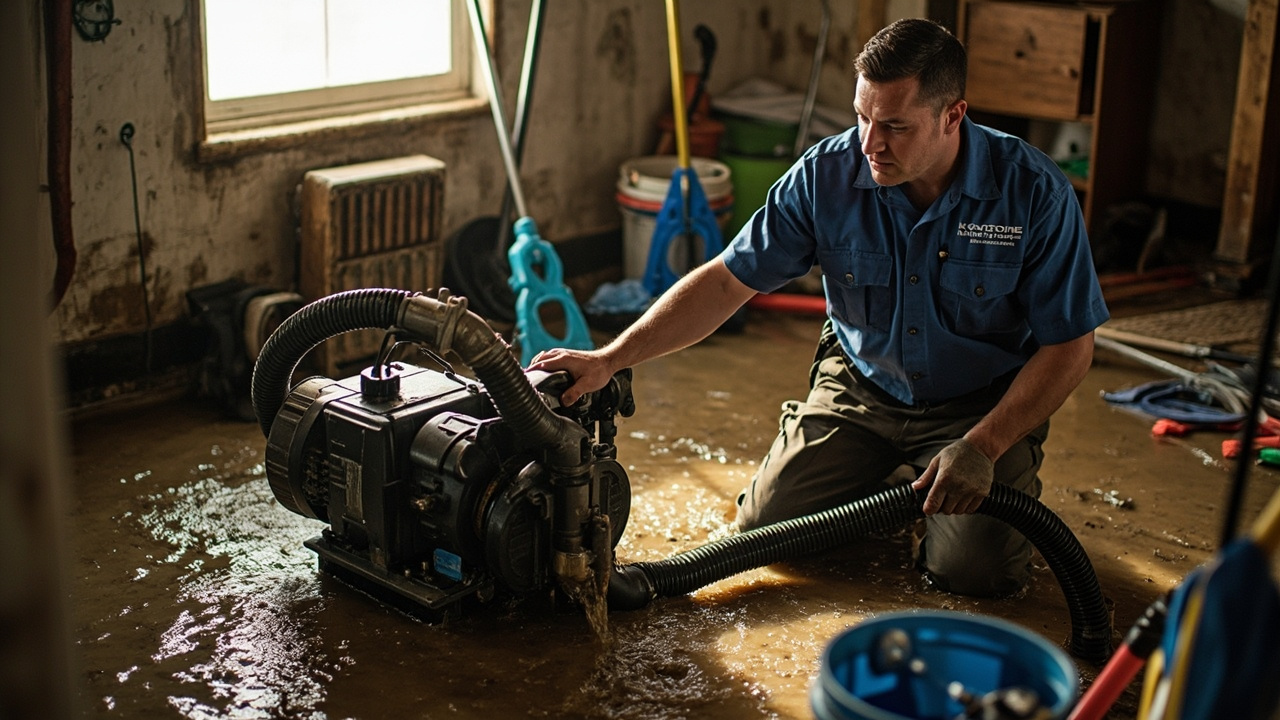
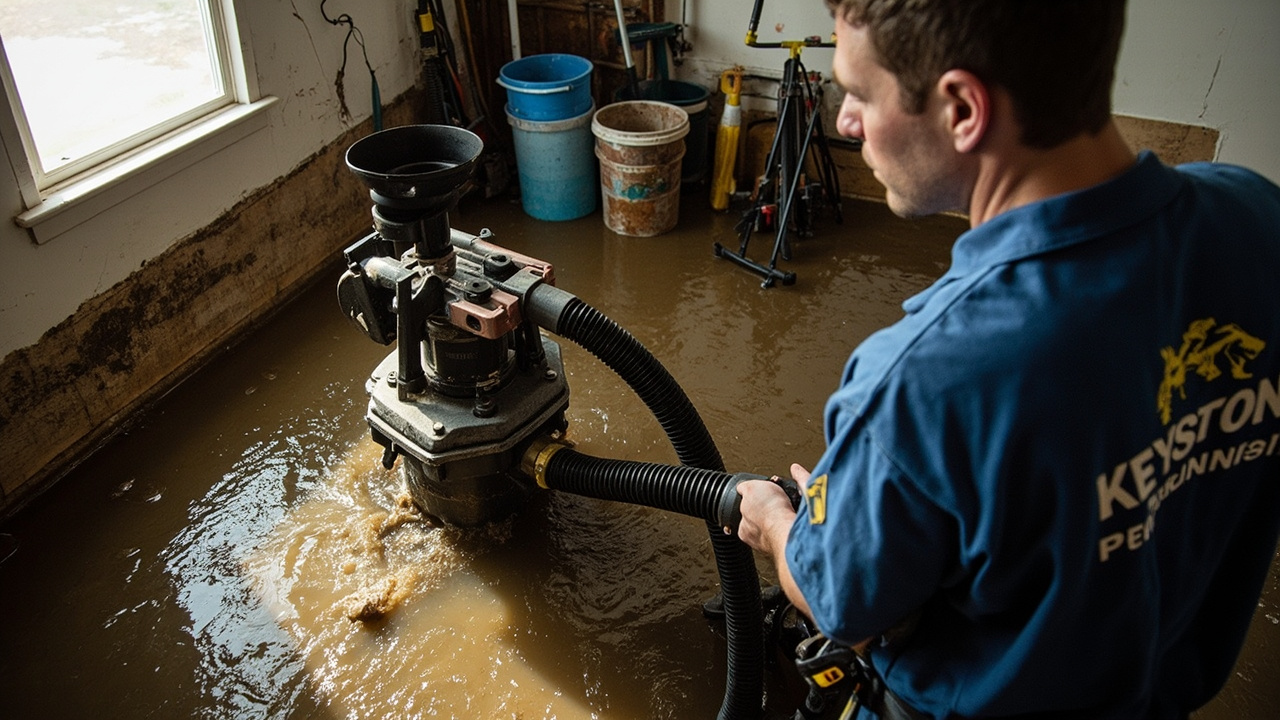
We do not show up with a shop vac and hope for the best. Emergency flood pumping requires commercial-grade equipment and a clear understanding of hydrostatic pressure.

When we arrive, we assess the water level and source. Standing water creates pressure against your foundation walls. If we pump too fast, the sudden release can cause wall buckling. We control the extraction rate. Gas-powered trash pumps handle heavy volume. Submersible pumps target deep pockets. We position equipment to remove water without destabilizing your structure.

Next, we address the water source. If a sump pump failed, we bypass it. If a sewer backed up, we isolate the contamination zone. If groundwater is seeping through cracks, we map the entry points. You cannot stop a flood if you do not stop the source.

After extraction, we deploy industrial air movers and dehumidifiers. Concrete holds moisture. Drywall wicks it up. Wood swells. If we leave your basement wet, mold grows and structural rot begins. We measure moisture levels with thermal imaging and hygrometers. We do not guess. We verify.

Flooded basement water removal services must account for contamination. Category 1 water is clean. Category 2 is gray water from appliances. Category 3 is black water from sewage. Each requires different handling. We treat contaminated areas with antimicrobial agents and remove materials that cannot be salvaged. Carpet padding, drywall below the waterline, and insulation get removed.

This is not restoration. This is emergency stabilization. We stop the crisis so you can make decisions about repairs with a clear head.

What Happens When You Call for Emergency Pump-Out

Emergency Basement Flooding Pump-Out in Cincinnati – 24/7 Response Within 60 Minutes
01

Immediate Dispatch and Assessment

You call. We answer. No voicemail. No callbacks. We dispatch a crew within 15 minutes. While the truck rolls, we walk you through immediate safety steps. Turn off power if you can do it safely. Do not wade through water if your electrical panel is submerged. We arrive with pumps, extraction tools, and moisture meters. The first step is understanding what we are dealing with. Water depth, contamination level, and structural risk get assessed before we touch a switch.
02

Controlled Water Extraction

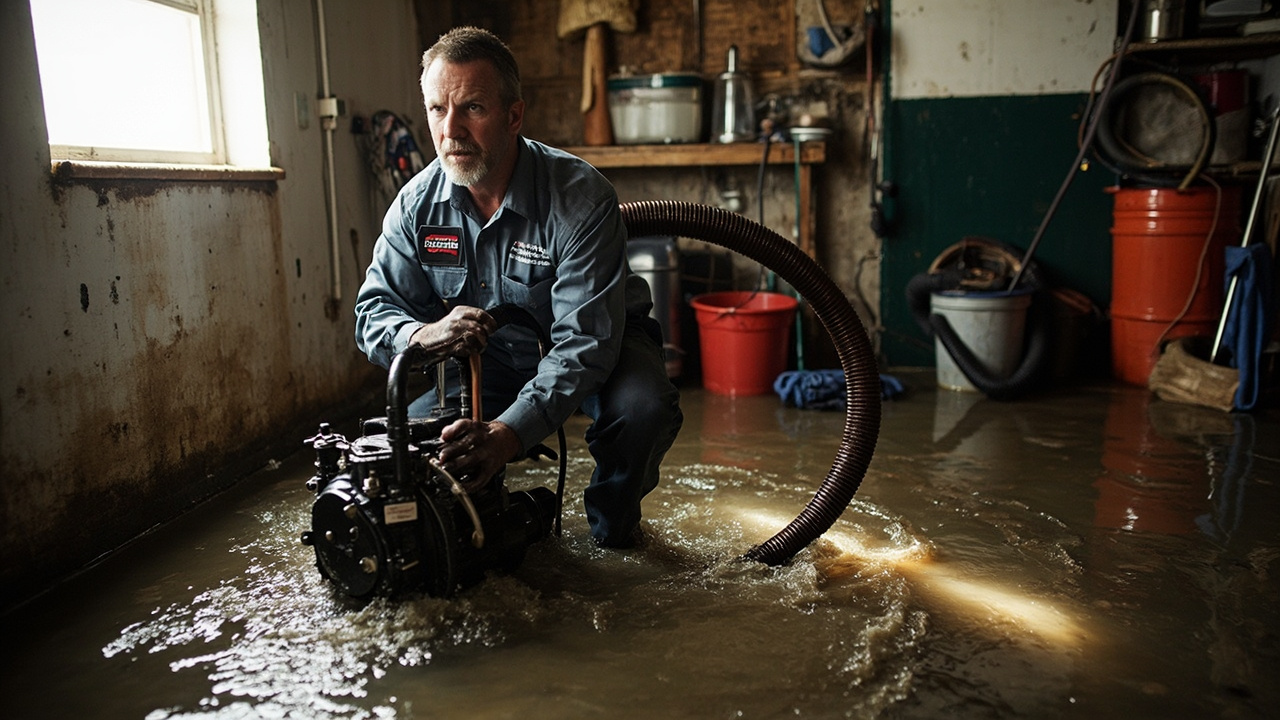
We position submersible pumps at the lowest points and start extraction in stages. If your basement holds four feet of water, we do not yank it all out in 20 minutes. Rapid pressure changes crack walls. We pump in intervals, monitoring foundation movement with a level. Truck-mounted vacuums handle the final inches. Every corner gets cleared. We check for hidden water under staircases, behind furnaces, and inside utility closets. Standing water you cannot see will destroy your home just as fast.
03

Drying and Contamination Control

Once the water is out, we set up air movers and commercial dehumidifiers. Fans run for 48 to 72 hours depending on humidity levels. We monitor moisture content in walls and floors with digital meters. If contamination is present, we apply EPA-approved antimicrobials and remove unsalvageable materials. You get a detailed report of what was done, what needs to happen next, and what your insurance adjuster needs to see. We document everything with photos and moisture readings.

Why Cincinnati Homeowners Call Us First

When your basement floods at 2 a.m., you do not have time to research. You need someone who answers the phone and shows up fast.

We know Cincinnati. We have pumped out basements in Oakley, Hyde Park, and Anderson Township. We understand how the terrain affects drainage. Homes on hills get different flooding than homes in valleys. We have worked in century-old basements with stone walls and brand-new construction with failed sump systems. Every situation is different.

Local knowledge matters. Cincinnati enforces specific building codes for basement waterproofing. We know what inspectors expect. If you file an insurance claim, we document every step to support your case. We have worked with every major insurance carrier in the tri-state area. We know what they cover and what they deny.

Speed is everything. Water damage doubles every hour. We do not make you wait until morning. We do not tell you to call back during business hours. We are already on the road while you are still on the phone. Our trucks carry enough equipment to handle most residential jobs without a return trip. We do not show up unprepared.

You are not hiring a plumber who does basement work on the side. This is what we do. Emergency flood pumping is not an add-on service. It is a core competency. Our techs train on water damage protocols. They understand mold growth timelines, structural risks, and contamination zones.

Trust is earned in a crisis. When your home is underwater, you need someone who treats it like their own. We do not upsell. We do not disappear after the check clears. We stabilize your property and give you a clear path forward.

What to Expect When We Arrive

Response Time and Availability

We dispatch within 15 minutes of your call. Most Cincinnati-area homes get service within 60 minutes. We operate 24 hours a day, 365 days a year. Holidays, weekends, and middle-of-the-night emergencies get the same response. We do not charge extra for after-hours service. The price is the price. Our trucks stay stocked and ready. We do not waste your time running to a supply house while your basement fills with water. When we say we are coming, we are already on the way.

Initial Assessment and Safety Check

The first thing we do is assess safety. If electrical panels are submerged, we do not enter until power is secured. We check for structural instability. Waterlogged drywall and buckling floors are warning signs. We measure water depth, test contamination levels, and identify the source. You get a clear explanation of what happened, why it happened, and what needs to happen next. We do not use scare tactics. We give you the facts. You make the decisions. We execute the plan.

Extraction and Drying Results

You will see results within the first hour. Water levels drop fast once pumps are running. After extraction, we measure moisture content in walls, floors, and ceilings. Drying equipment runs until readings hit safe levels. We do not leave early. We verify dryness with thermal imaging and hygrometers. You get photos and documentation showing before and after moisture levels. This is critical for insurance claims. We make sure you have everything you need to file and get paid.

Follow-Up and Documentation

After the emergency is over, we provide a full report. This includes photos, moisture readings, equipment used, and time on site. If insurance is involved, we coordinate with your adjuster. We explain what caused the flood and what repairs are needed. Some companies disappear after the job. We stay available for questions. If secondary issues arise, we come back. Follow-up is part of the service. You are not on your own once the water is gone.

Frequently Asked Questions

You Have Questions,
We Have Answers

How to pump water out of a flooded basement? +

Shut off power to the basement at your circuit breaker first. If water is over 2 inches deep, call a professional with industrial pumps. For shallow water, use a submersible pump with a discharge hose that drains away from your foundation. Place the pump at the lowest point. Do not pump faster than 2 feet per day to avoid foundation wall collapse from pressure changes. Cincinnati's clay soil expands when wet, creating extra wall pressure. Move valuables to dry areas and document damage for insurance before you start pumping.

How much does it cost to pump out a flooded basement? +

Basic pump-out runs $500 to $1,500 for most Cincinnati basements. Factors include water depth, square footage, and access difficulty. Standing water over 4 feet or sewage backup costs more due to equipment needs and disposal requirements. Emergency 24/7 service adds fees. If you need mold prevention treatment or structural drying afterward, expect additional charges. Most contractors assess your situation on-site before quoting. Insurance may cover costs if the flood resulted from a covered peril like burst pipes or sewer backup with the right endorsement.

How long does it take to pump water out of a basement? +

A standard basement takes 2 to 8 hours to pump out, depending on water volume and pump capacity. Industrial pumps move 50 to 100 gallons per minute. You must pump slowly to prevent foundation damage. Remove no more than 2 feet of water per day. Cincinnati's clay soil creates hydrostatic pressure against walls. If you drain too fast, exterior soil pressure can crack or bow basement walls inward. Deeper flooding may require multi-day pump-outs. After pumping, drying the space completely takes 3 to 5 days with dehumidifiers and air movers.

What kind of pump do I need to pump water out of my basement? +

You need a submersible sump pump or trash pump rated for at least 3,000 gallons per hour for basement flooding. Choose a 1/2 HP or larger motor. The pump must handle solids up to 1/2 inch if debris is present. Use a garden hose or discharge pipe that extends 20 feet from your foundation. For sewage backup or deep water over 3 feet, professionals use gas-powered trash pumps or truck-mounted vacuum systems. Regular sump pumps fail during power outages, which happen often during Cincinnati storms. Always have a battery backup system.

How to remove 2 inches of water from a basement? +

Use a wet-dry shop vacuum for 2 inches or less. Empty it frequently as you work from the lowest point outward. Push water toward a floor drain if available. Squeegees and towels help remove remaining moisture. After extraction, run fans and dehumidifiers for 48 hours minimum. Cincinnati's humidity slows drying, especially in summer. Pull up wet carpet and padding immediately. Baseboards and drywall may need removal if water sat for over 24 hours. Document everything with photos before cleanup for insurance claims. Sanitize all surfaces touched by floodwater to prevent bacteria growth.

What to do immediately after a basement flood? +

Cut power to the basement immediately. Do not enter standing water with electricity on. Call your insurance company and a professional pump-out service. Take photos and video of all damage before moving items. Remove valuables to dry areas if safe. Do not start cleanup until you document everything. If sewage is present, evacuate and call professionals immediately. Open windows if weather permits to start air circulation. Cincinnati's clay soil holds moisture, so water may keep seeping in until pumped. Place sandbags or barriers at entry points if rain continues. Time is critical to prevent mold.

Will insurance pay for a flooded basement? +

It depends on your policy and the water source. Standard homeowners insurance covers sudden pipe bursts or appliance failures. It does not cover groundwater seepage, sewer backups, or sump pump failures unless you bought specific endorsements. Cincinnati sits in a flood zone near the Ohio River, so separate flood insurance through FEMA may be required for natural flooding. Review your declarations page or call your agent immediately. Document all damage with photos. Most policies require prompt notification. Water damage coverage is complex, so read your policy exclusions carefully before filing.

Do plumbers fix flooded basements? +

Yes. Licensed plumbers handle flooded basements caused by plumbing failures like burst pipes, water heater ruptures, or drain backups. They locate the water source, make repairs, and often provide pump-out services or partner with water restoration companies. Cincinnati plumbers understand local soil conditions that cause foundation cracks and pipe failures. They assess whether your sump pump failed or if sewer lines backed up due to city main issues. Plumbers also install backwater valves and sump pump systems to prevent future flooding. For groundwater seepage unrelated to plumbing, you may need a waterproofing contractor instead.

Does insurance cover basement flooding from a sump pump? +

Standard homeowners insurance does not cover sump pump failure or resulting basement flooding. You need a separate sump pump failure endorsement or rider added to your policy. This optional coverage is inexpensive but must be purchased before failure occurs. It covers water damage when the pump breaks, loses power, or becomes overwhelmed during heavy rain. Cincinnati experiences sudden downpours that overload sump systems. Some policies cap coverage at $5,000 to $10,000. Battery backup sump pumps reduce risk during power outages. Check your policy now and add coverage if absent. Flood insurance through FEMA does not cover sump failures either.

How likely is mold after water damage? +

Mold starts growing within 24 to 48 hours after water damage in Cincinnati's humid climate. If your basement stayed wet longer than one day, mold is probable. Porous materials like drywall, insulation, carpet, and wood absorb water quickly and become mold breeding grounds. Basements below grade stay damp naturally, accelerating growth. You may not see mold immediately, but spores spread fast behind walls and under flooring. Professional drying and dehumidification within 24 hours significantly reduces risk. If water sat over 48 hours, hire a certified mold inspector before finishing cleanup. Mold causes health issues and reduces home value.

How Cincinnati's Clay Soil and Flood Zones Make Basement Flooding Worse

Cincinnati sits in the Ohio River Valley, where clay soil dominates the landscape. Clay does not drain. It holds water against foundations like a sponge pressed to a wall. When storms hit, water has nowhere to go but into your basement. The city experiences flash flooding during spring and summer storms. Older neighborhoods built before modern drainage codes are especially vulnerable. Emergency basement water removal is not optional here. It is essential. Homes in Clifton, Columbia-Tusculum, and Price Hill see repeat flooding because the ground cannot absorb the volume. Professional flooded basement extraction service removes water before it saturates walls and compromises structural integrity.

Cincinnati enforces strict building codes for new construction, but older homes were not built to the same standards. Many basements in historic districts lack proper waterproofing. Local plumbers who understand these older systems know where water enters and how to stop it fast. We work with insurance adjusters familiar with Cincinnati flood patterns. We know what documentation they require. Choosing a local provider means faster response times and familiarity with neighborhood-specific challenges. When you call for basement water pump out service, you get a team that has worked on homes just like yours. We know the terrain, the soil, and the common failure points.
Plumbing Services in The Cincinnati Area

We are proud to serve the entire area, providing exceptional plumbing services to our community. Our service area covers all of the city and its surrounding neighborhoods. Use the map to see our location and get directions, or simply give us a call to schedule a service. Our team is always ready to travel to your location to address your plumbing needs quickly and efficiently, ensuring you receive the prompt service you deserve.

Address:
Keystone Plumbing Cincinnati, 71 E Hollister St, Cincinnati, OH, 45219

Additional Services We Offer

Our news updates

Latest Articles & News from The Blogs

Why a Whole House Repiping Project in St. Bernard is a Smart Investment If you own a home in St.…

Why a Whole House Repiping Project in St. Bernard is a Smart Investment

Why a Whole House Repiping Project in St. Bernard is a Smart Investment If you own a home in St.…

Do You Know Exactly Where the Main Water Shut-Off Valve is in Your Silverton Home?

Do You Know Exactly Where the Main Water Shut-Off Valve is in Your Silverton Home? A burst pipe can dump…

Protecting the Exposed Plumbing in Your Madisonville Crawl Space From Rodents and Cold

Protecting the Exposed Plumbing in Your Madisonville Crawl Space From Rodents and Cold \n\n Exposed pipes in Madisonville crawl spaces…

Contact Us

Your basement will not dry itself. Every hour you wait, the damage spreads. Call (513) 717-2899 now. We answer immediately. We dispatch fast. We stop the flood and stabilize your home before it gets worse.