
Menu

Emergency Water Shut-Off Service in Cincinnati – Licensed Technicians Dispatched in Under 60 Minutes

When a burst pipe, failed valve, or flooding emergency strikes your Cincinnati home or business, every second counts. Our emergency water line shut off specialists respond immediately to stop water damage before it spreads through your property.

Slider Image 1
Slider Image 2
Slider Image 3
Slider Image 4
Slider Image 5
Slider Image 7
Slider Image 8
Slider Image 9
Slider Image 10
Slider Image 11

Why Water Emergencies Escalate Fast in Cincinnati Properties

Water does not wait. A burst supply line releases up to eight gallons per minute. In the time it takes to find your main water valve shut off location, you can lose 240 gallons into your walls, floors, and foundation.

Cincinnati's older housing stock complicates the problem. Many homes in neighborhoods like Over-the-Rhine, Northside, and Mt. Adams were built between 1890 and 1950. The emergency main water valve shut off in these properties sits in crawl spaces, buried under decades of storage, or corroded into place. When a pipe fails at 2 a.m., you cannot afford to spend 20 minutes searching for a valve that might not turn.

Our 24 hour water supply shut off service eliminates that panic. We know where valves hide in Cincinnati's historic homes. We know which meter pits flood during spring storms. We know that newer construction in Mason and West Chester uses quarter-turn ball valves, while older properties in Clifton and Hyde Park still run gate valves that require 15 full rotations to close.

The freeze-thaw cycles we experience from December through March create additional risk. Temperatures drop into the teens, then spike into the 40s within 48 hours. That expansion and contraction fatigues copper joints and PEX connections. When they fail, you need urgent water turn off service before the water reaches your electrical panel or furnace.

We arrive prepared for the specific challenges of Cincinnati plumbing systems. Our trucks carry the tools to operate corroded valves, access buried meter pits, and stop water flow when standard shut-off points fail.

Why Water Emergencies Escalate Fast in Cincinnati Properties
How We Stop Water Flow When Standard Methods Fail

How We Stop Water Flow When Standard Methods Fail

Most homeowners attempt the main shut-off first. That works when the valve operates correctly. In our experience responding to emergency water line shut off calls across Cincinnati, roughly 40 percent of main valves are either seized, partially functional, or inaccessible.

We approach every rapid water stop service call with three contingency options. Option one targets the fixture isolation valve. If a toilet supply line fails, we shut the angle stop. If a water heater ruptures, we close the cold water inlet. This stops flow to the problem area while maintaining water service to the rest of your property.

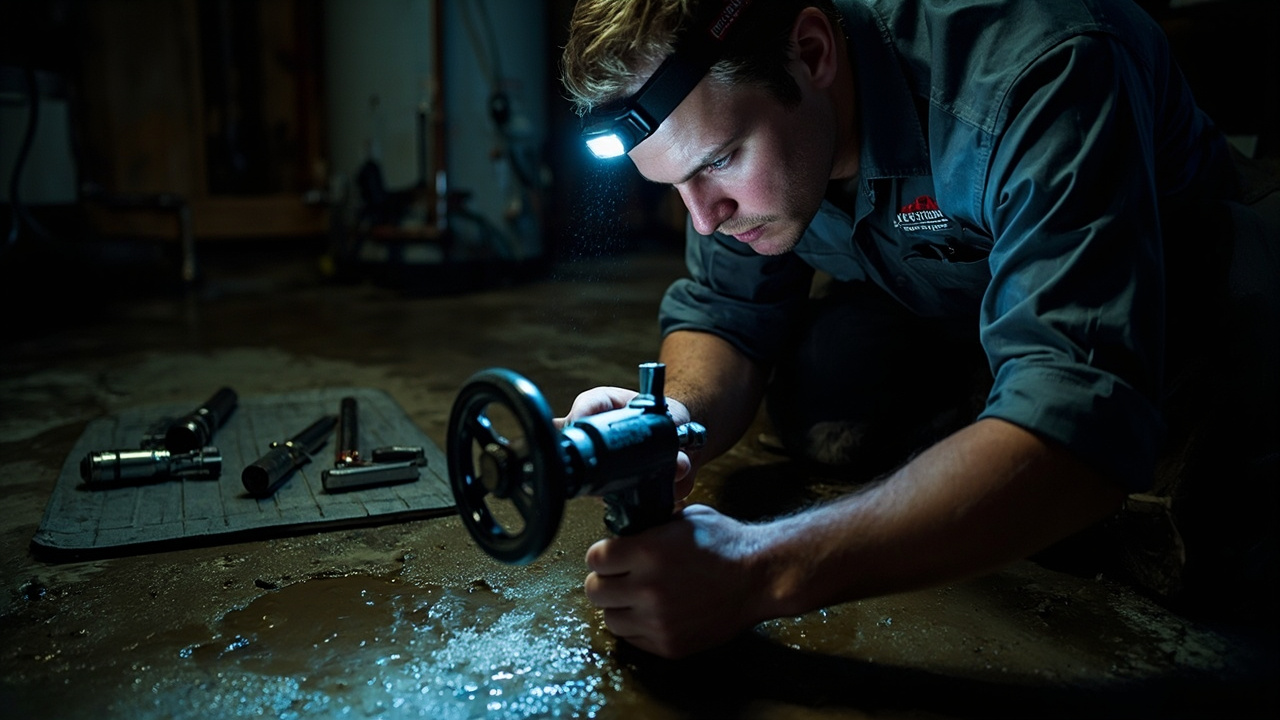
Option two addresses the main house valve. We carry penetrating oil, valve wrenches sized for both standard and oversized stems, and pipe clamps rated for residential supply pressure. If your valve is frozen, we apply controlled force to break corrosion without snapping the stem. If the valve bonnet leaks when turned, we can pack the gland or apply an emergency clamp while the valve remains partially open.

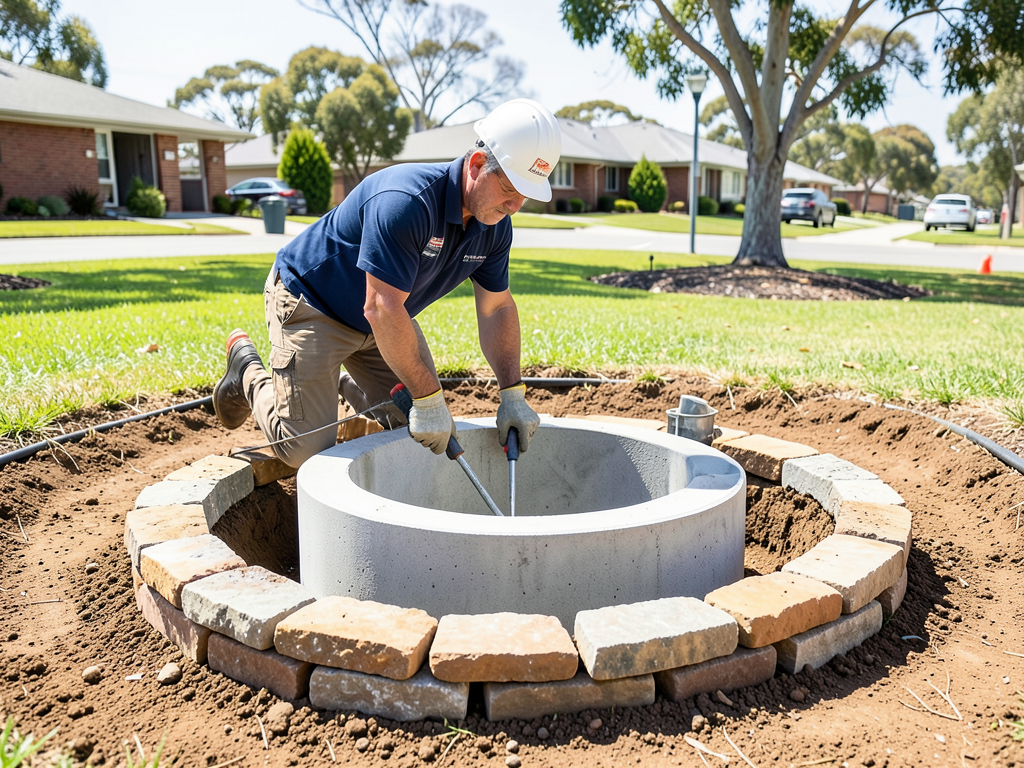
Option three targets the curb stop or meter valve. These valves sit between the street main and your house, either in a meter pit or buried near the property line. We carry meter keys in multiple sizes and extension rods to reach valves in deep pits. Cincinnati Water Works meters typically sit 3 to 5 feet below grade. We access them regardless of flooding, frozen ground, or overgrown landscaping.

When all mechanical shut-offs fail, we isolate the damaged section using pipe freezing equipment or emergency compression fittings. The goal remains the same: stop water damage within minutes of arrival, not hours.

What Happens When You Call for Emergency Water Shut-Off

Emergency Water Shut-Off Service in Cincinnati – Licensed Technicians Dispatched in Under 60 Minutes
01

Immediate Dispatch and Assessment

You call our emergency line. We answer, not a voicemail system. You describe the situation while our dispatcher locates the nearest available technician. We ask three questions: Where is water coming from? Can you access your main valve? Is water near electrical equipment? This information determines our response priority. A technician is dispatched to your location within five minutes of your call.
02

Water Flow Isolation

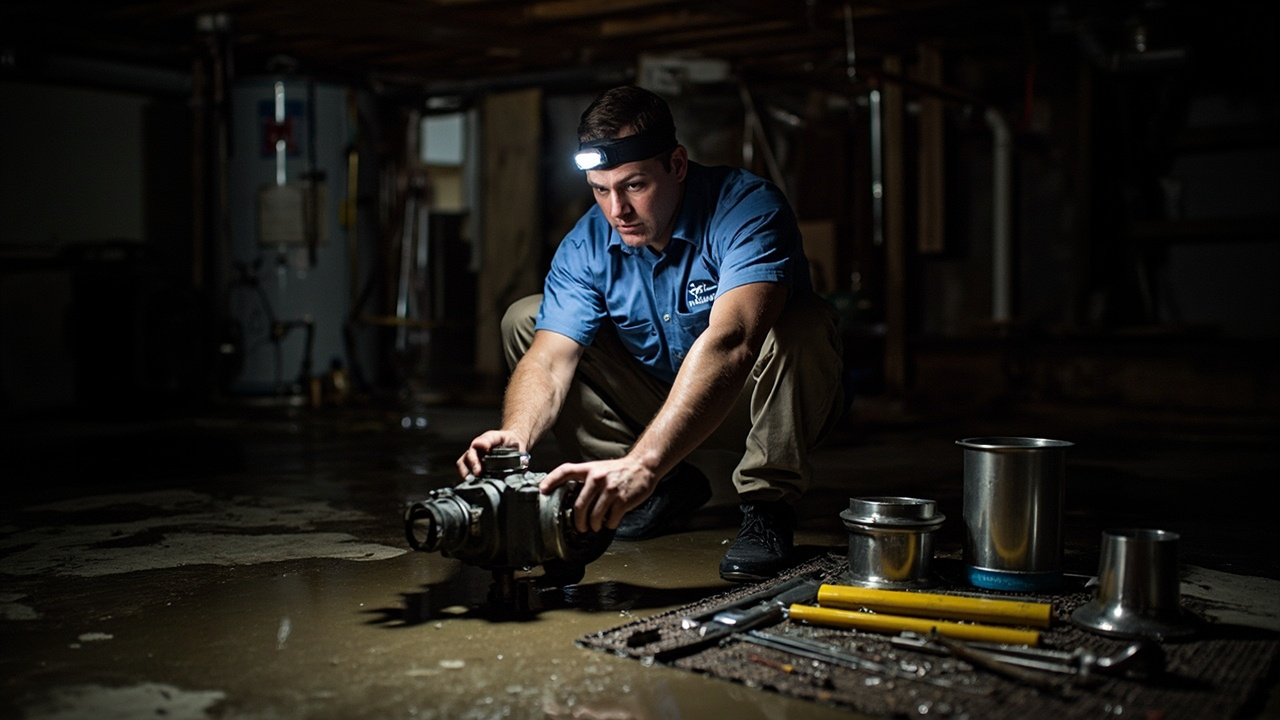
Our technician arrives with valve tools, pipe clamps, and isolation equipment. We locate your main shut-off first. If it operates, we close it immediately. If not, we move to the meter valve or apply isolation techniques at the point of failure. Water stops flowing within minutes of our arrival. We then assess secondary damage risks like standing water near HVAC equipment, electrical panels, or gas lines.
03

Repair Planning and Restoration

Once water stops, we explain what failed and why. You receive a written estimate for permanent repair. We can often complete simple repairs immediately, like replacing a failed supply line or angle stop. Complex failures, such as corroded main valves or in-wall pipe leaks, are scheduled for same-day or next-day repair. We restore your water service as quickly as safety allows.

Why Cincinnati Properties Require Local Water Emergency Expertise

Generic plumbing knowledge does not cut it during water emergencies in Cincinnati. You need technicians who understand how this city's infrastructure behaves under stress.

Cincinnati Water Works operates a combined gravity and pumped distribution system. Pressure varies by elevation and neighborhood. Homes in the hills above Columbia Parkway experience higher static pressure than properties in the Mill Creek Valley. That pressure difference affects how violently pipes fail and how quickly water spreads through a structure.

We have shut off water in every type of Cincinnati building: pre-Civil War townhomes with hand-fitted brass valves, post-war ranch homes with buried meter pits, and modern condos with manifold systems. We know that historic properties in Mt. Adams often have shared shut-offs serving multiple units. We know that homes built in the 1970s frequently have polybutylene supply lines that fail without warning. We know that newer subdivisions in Liberty Township and Deerfield Township use PEX that can freeze in exterior walls during January cold snaps.

This knowledge matters when you are standing in rising water at 3 a.m. You do not have time for a technician to figure out your system. You need someone who has seen it before and knows exactly where to go.

Keystone Plumbing Cincinnati has responded to thousands of emergency water shut-off calls across Hamilton, Butler, Warren, and Clermont counties. Our technicians train specifically on the building types, valve configurations, and infrastructure challenges unique to southwestern Ohio. We do not learn your system during the emergency. We already know it.

We also understand local code requirements for valve replacement and system upgrades. When we perform a permanent repair following an emergency shut-off, the work meets current Cincinnati building codes. That protects you during future inspections and home sales.

What You Can Expect During an Emergency Water Shut-Off Call

Response Time and Availability

We answer emergency calls 24 hours a day, seven days a week, including holidays. A real person answers your call within three rings. No phone trees. No callbacks. Our average dispatch time from call to technician en route is under five minutes. Average arrival time for Cincinnati metro calls is 45 to 60 minutes, depending on traffic and your location. We prioritize active flooding calls above all other work. If you have water pouring into your home, you are our first priority.

On-Site Evaluation and Communication

Our technician introduces himself, assesses the situation, and explains the plan before touching anything. You are told what valve we are targeting, why, and what will happen when we close it. If we encounter complications, such as a seized valve or inaccessible meter pit, we explain your options in plain language. We do not upsell during emergencies. The focus is stopping water and preventing additional damage. Once water stops, we walk you through the cause of failure and provide a written estimate for permanent repair.

Immediate Damage Mitigation

Stopping water is step one. Step two is reducing secondary damage. We help you identify standing water risks near electrical equipment, gas appliances, and structural wood. We explain what needs immediate attention versus what can wait. If you need water extraction or emergency drying services, we can coordinate those vendors. If insurance documentation is necessary, we provide photographs and written descriptions of the failure. Our goal is to leave your property stable and safe.

Follow-Up Repair and Prevention

Emergency shut-offs are temporary solutions. Permanent repair follows. We schedule that work based on your availability and the severity of the failure. Simple repairs, like replacing a failed supply line or angle stop, happen immediately if parts are on the truck. Complex repairs, such as main valve replacement or concealed pipe leaks, are scheduled within 24 to 48 hours. We also offer whole-house valve upgrades, pressure regulation, and leak detection services to prevent future emergencies. You receive a written summary of recommended preventive measures after every emergency call.

Frequently Asked Questions

You Have Questions,
We Have Answers

How much does an emergency water shut off cost? +

Emergency water shut-off service in Cincinnati typically costs between $150 and $400, depending on time of day and access difficulty. After-hours calls, weekends, and holidays increase the cost. If your main valve is corroded, stuck, or buried under landscaping, expect higher fees. Stop a burst pipe first, ask questions later. Water damage escalates fast in Cincinnati's humid climate, promoting mold growth within 24 to 48 hours. Most plumbers waive the trip charge if you proceed with repairs. Focus on stopping the flood now, not the bill.

How do I shut off water in an emergency? +

Locate your main water shut-off valve immediately. In Cincinnati homes, it sits where the main line enters your house, usually in the basement near the water heater or along an exterior wall. Turn the valve clockwise until tight. If it's a lever-style ball valve, rotate it 90 degrees. If the valve won't budge, don't force it. Corroded valves snap easily. Call a plumber immediately to avoid breaking the valve and losing all control. Stop using water fixtures until the line is secured.

Is no running water considered an emergency? +

Yes. No running water is an emergency in Cincinnati. You cannot flush toilets, wash hands, cook, or prevent fire hazards. If a burst pipe caused the shutoff, water damage spreads fast. If the city cut your water for non-payment, you face health code violations. Elderly residents and families with young children face immediate health risks. Call a plumber if the issue is on your property. Contact Greater Cincinnati Water Works if the problem is at the curb or meter. Do not wait.

How long are you allowed to be without water? +

Cincinnati health codes do not set a specific time limit, but habitability laws require functional plumbing. If you're without water for more than 24 hours due to landlord negligence, document everything and contact the Hamilton County Health Department. For homeowners, insurance may cover temporary housing if a burst pipe makes your home uninhabitable. Prolonged outages risk pipe freezing in winter or hygiene violations. Act fast. Most emergency plumbers in Cincinnati respond within two hours to restore water service.

Can I shut my own water off? +

Yes, but only if you know where the valve is and it's accessible. Homeowners in Cincinnati should locate and test their main shut-off valve annually. Turn it clockwise to close, counterclockwise to open. If the valve is stuck, corroded, or leaking when you touch it, stop immediately. Forcing a seized valve can snap the stem, flooding your basement with no way to stop it. In that case, call a plumber. You'll also need to shut off the water heater to prevent tank damage.

How much does it cost to put in a water shut off valve? +

Installing a new main water shut-off valve in Cincinnati costs between $300 and $800, depending on pipe material, location, and accessibility. Copper and PEX lines are easier to work with than old galvanized steel. If the valve is in a crawl space or buried outside near the curb, labor increases. Some Cincinnati homes built before 1970 have valves rusted into the open position. Replacing it now prevents a middle-of-the-night emergency when a pipe bursts and you have no shutoff control.

Should I call a plumber to shut off water? +

Yes, if the valve is stuck, leaking, or you're unsure of its location. A plumber has the tools to shut off corroded valves without breaking them. If you're dealing with a burst pipe, slab leak, or water heater failure, a plumber can isolate the problem and prevent whole-house shutoff. Cincinnati's older housing stock, especially in neighborhoods like Over-the-Rhine and Clifton, often has hidden or inaccessible valves. Calling a plumber saves time, prevents further damage, and ensures the shutoff is done correctly.

Where is the emergency water shutoff at my house? +

Check your basement first. The main shut-off valve in Cincinnati homes is usually located where the water line enters your house, near the water heater, furnace, or along the foundation wall facing the street. Look for a round wheel valve or a lever-style ball valve. In homes without basements, check the crawl space, utility closet, or garage. Older homes may have the valve outside in a buried meter pit near the curb. Test it once a year to ensure it still works.

How do I shut main water off to my house? +

Find the main valve where the water line enters your home. Turn the valve clockwise (righty-tighty) until it stops. If it's a lever-style ball valve, rotate it 90 degrees perpendicular to the pipe. If the valve resists, spray it with penetrating oil and wait five minutes, then try again gently. If it still won't move, stop. Forcing it can break the valve stem and cause uncontrolled flooding. Call a plumber immediately to handle a seized valve safely and restore shutoff control.

Is it illegal to live in a house with no running water? +

Yes, in Cincinnati. Ohio health codes and Hamilton County ordinances require habitable dwellings to have functional plumbing and potable running water. Living without water violates occupancy standards. Landlords face fines and potential eviction defenses if they fail to restore service. Homeowners risk code enforcement action and, in extreme cases, condemnation. If a burst pipe or valve failure caused the outage, fix it immediately. If the city shut off your water for non-payment, resolve it with Greater Cincinnati Water Works before health inspectors get involved.

Why Cincinnati's Aging Water Infrastructure Creates Shut-Off Emergencies

Cincinnati operates one of the oldest public water systems in the United States, with distribution mains dating back to the 1870s. While the city actively replaces aging lines, thousands of homes still connect to pre-1950 infrastructure. These older service lines use galvanized steel or lead joints that corrode over time. When street pressure spikes during main breaks or hydrant use, weakened connections fail. The combination of old interior plumbing and aging service lines makes rapid water stop service critical. A failure at the service line entry point can flood a basement in under 10 minutes.

Cincinnati's building codes require accessible main water shut-off valves in all new construction and major renovations. Older homes face no such requirement. That means thousands of properties across Hamilton County have shut-off valves that are buried, corroded, or simply unknown to the homeowner. Local expertise matters because technicians familiar with Cincinnati's housing stock know where to look. A plumber from outside the region might spend 20 minutes searching for a valve we can locate in under two minutes. That time difference prevents thousands of dollars in water damage.
Plumbing Services in The Cincinnati Area

We are proud to serve the entire area, providing exceptional plumbing services to our community. Our service area covers all of the city and its surrounding neighborhoods. Use the map to see our location and get directions, or simply give us a call to schedule a service. Our team is always ready to travel to your location to address your plumbing needs quickly and efficiently, ensuring you receive the prompt service you deserve.

Address:
Keystone Plumbing Cincinnati, 71 E Hollister St, Cincinnati, OH, 45219

Additional Services We Offer

Our news updates

Latest Articles & News from The Blogs

Why a Whole House Repiping Project in St. Bernard is a Smart Investment If you own a home in St.…

Why a Whole House Repiping Project in St. Bernard is a Smart Investment

Why a Whole House Repiping Project in St. Bernard is a Smart Investment If you own a home in St.…

Do You Know Exactly Where the Main Water Shut-Off Valve is in Your Silverton Home?

Do You Know Exactly Where the Main Water Shut-Off Valve is in Your Silverton Home? A burst pipe can dump…

Protecting the Exposed Plumbing in Your Madisonville Crawl Space From Rodents and Cold

Protecting the Exposed Plumbing in Your Madisonville Crawl Space From Rodents and Cold \n\n Exposed pipes in Madisonville crawl spaces…

Contact Us

Water does not wait. Every minute of delay means more damage to your floors, walls, and belongings. Call (513) 717-2899 now for immediate emergency water shut-off service anywhere in greater Cincinnati. We answer 24/7 and dispatch technicians within minutes.