Menu

Frozen Pipe Thawing & Repair in Cincinnati | Emergency Response Within 60 Minutes

24/7 emergency frozen pipe repair services that stop water damage fast. Our Cincinnati plumbers arrive equipped to thaw frozen water lines, restore flow, and prevent burst pipe disasters in your home or business.

Slider Image 1
Slider Image 2
Slider Image 3
Slider Image 4
Slider Image 5
Slider Image 7
Slider Image 8
Slider Image 9
Slider Image 10
Slider Image 11

Frozen Pipes Are a Crisis in Cincinnati's Freeze-Thaw Climate

Cincinnati sits in a dangerous freeze-thaw zone. Temperatures drop below freezing overnight, then climb above 32 degrees by afternoon. This cycling puts extreme stress on your water lines. Pipes in crawl spaces, exterior walls, and unheated basements are at constant risk.

When water freezes inside a pipe, it expands with 3,000 pounds per square inch of pressure. That force splits copper, PEX, and galvanized steel. You might not see the break immediately. The ice acts as a temporary plug. Once the pipe thaws, water floods your walls, ceilings, and floors.

The homes most at risk are older properties in neighborhoods like Northside, Price Hill, and Over-the-Rhine. These structures were built before modern insulation standards. Many still have uninsulated crawl spaces or exterior hose bibs without frost-proof valves.

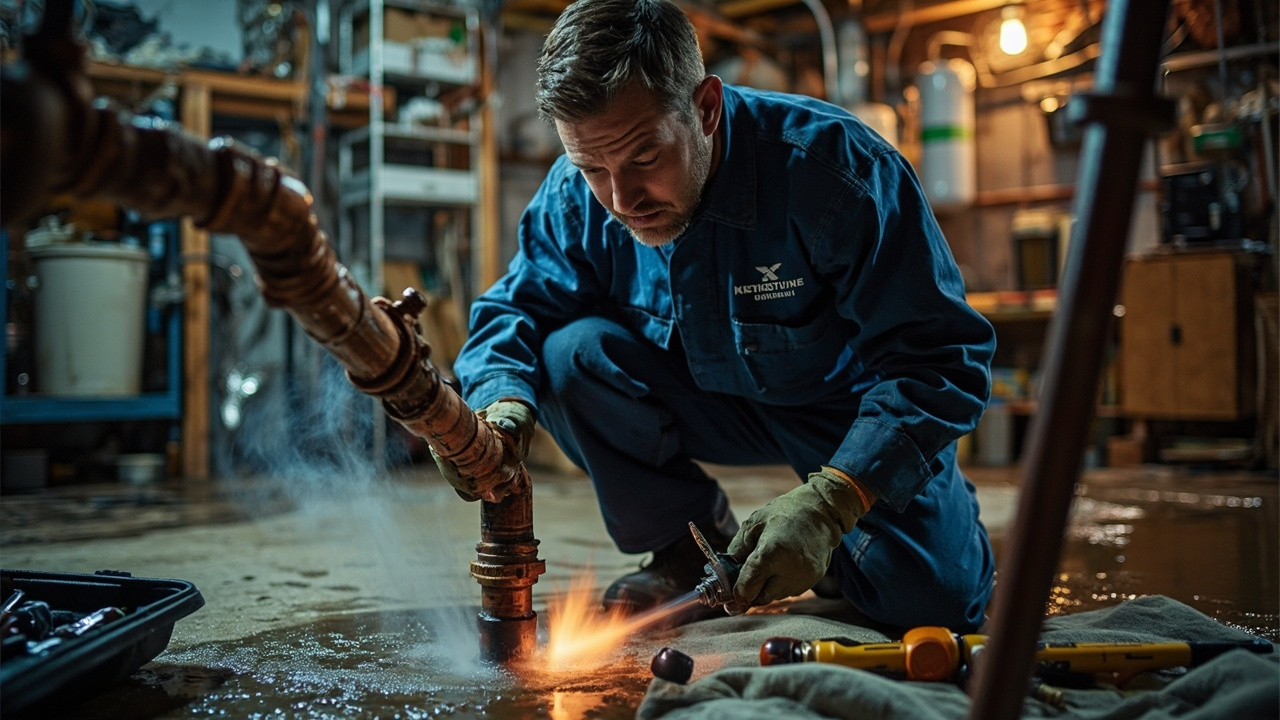
You need professional pipe thawing services the moment you turn on a faucet and nothing comes out. Do not use open flames, propane torches, or space heaters to unfreeze plumbing pipes. You will start a fire or cause the pipe to burst from rapid temperature change.

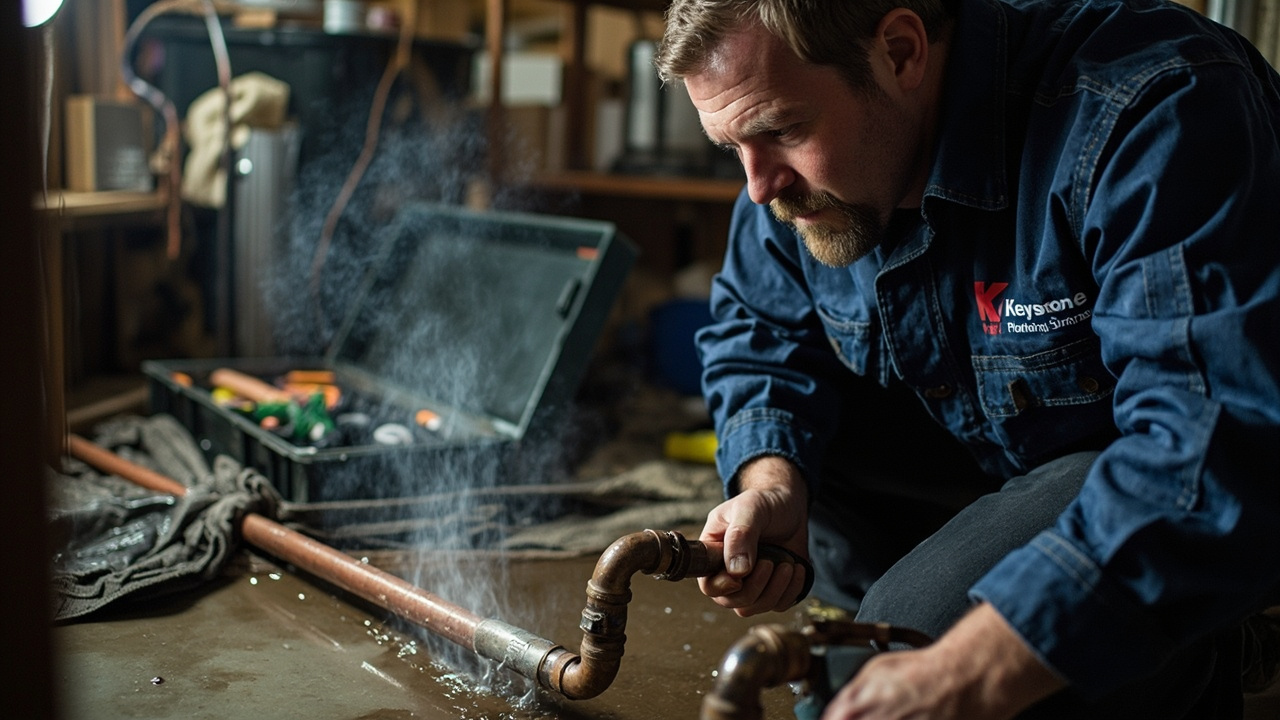
Emergency frozen pipe repair requires controlled heat application and pressure monitoring. We locate the frozen section with thermal imaging, apply gradual heat with electric thawing equipment, and monitor the line as flow returns. If the pipe has already split, we isolate the damaged section, drain the line, and complete the repair before water damage spreads.

Every minute counts when you need to fix frozen water pipes. Water damage costs spiral from hundreds to thousands of dollars within hours.

Frozen Pipes Are a Crisis in Cincinnati's Freeze-Thaw Climate
Our Controlled Thawing Process Prevents Pipe Bursts

Our Controlled Thawing Process Prevents Pipe Bursts

We do not guess where the freeze occurred. We use calibrated infrared thermal cameras to scan your plumbing system and identify the exact location of ice blockage. This eliminates wasted time and prevents unnecessary wall or ceiling removal.

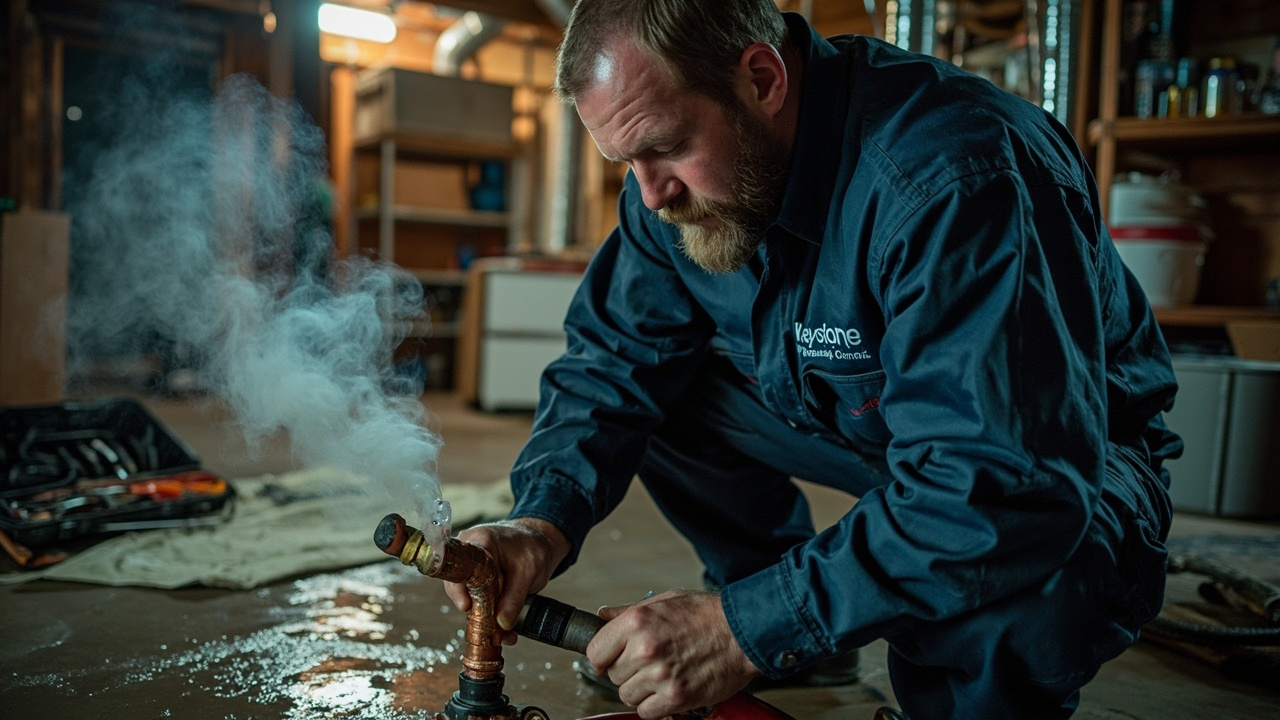
Once we locate the frozen section, we apply controlled electric heat wraps or hot water circulation. The key is gradual temperature increase. Rapid thawing causes thermal shock, which cracks pipes even if the ice did not. We monitor internal pressure with inline gauges to detect splits before they turn into floods.

For frozen water line repair in crawl spaces or basements, we also assess why the freeze happened. Was it a lack of heat tape? Failed insulation? An unprotected hose bib? We fix the root cause during the same visit.

If the pipe has already burst, we shut off the main water supply immediately, drain the affected line, and cut out the damaged section. We use compression fittings for copper, push-fit connectors for PEX, or soldered joints depending on your system. The repair is tested under full pressure before we leave.

Commercial properties get the same process at a larger scale. We coordinate with your facility manager to isolate affected zones, maintain operations in unaffected areas, and document all work for insurance and code compliance.

Our trucks carry pipe stock in all common sizes, heat wraps, insulation, and testing equipment. We complete most emergency frozen pipe repairs in a single visit. You do not wait days for parts or return appointments while your property sits vulnerable.

What Happens When You Call for Frozen Pipe Thawing

Frozen Pipe Thawing & Repair in Cincinnati | Emergency Response Within 60 Minutes
01

Immediate Dispatch and Assessment

You call (513) 717-2899 and speak to a live plumber, not an answering service. We ask targeted questions about your water flow, visible leaks, and property age. A fully stocked truck is dispatched to your Cincinnati location within 15 minutes. Our average arrival time is under 60 minutes, even during overnight calls or winter storms.
02

Thermal Imaging and Thawing

We scan your plumbing with infrared cameras to pinpoint the frozen section. Controlled electric heat or hot water circulation is applied to the blocked area. We monitor line pressure and temperature in real time to prevent thermal shock. If the pipe has split, we isolate the break, drain the line, and prepare for repair immediately.
03

Repair, Testing, and Prevention

Damaged sections are cut out and replaced with new pipe and fittings. The repair is pressure-tested to 80 PSI to confirm integrity. We install heat tape, add insulation, or relocate exposed lines to prevent future freezes. You receive a written summary of the work and recommendations to protect vulnerable areas before the next cold snap hits Cincinnati.

Why Cincinnati Residents Call Horizon Plumbing Seattle for Frozen Pipes

Cincinnati's plumbing challenges are specific. We work in homes built in the 1880s with uninsulated exterior walls and modern construction with PEX in unconditioned attics. We know which neighborhoods flood during freeze-thaw events and which properties still have galvanized supply lines that freeze faster than copper.

Our plumbers respond 24/7 because frozen pipes do not wait for business hours. We keep trucks stocked with heat tape, pipe insulation, and fittings in every diameter used in residential and light commercial buildings. You do not wait for parts orders or second trips.

We also understand the insurance claims process. Frozen pipe damage often falls under sudden and accidental water damage coverage, but documentation matters. We photograph the frozen section, the burst area, and the completed repair. You receive detailed invoices and repair summaries that satisfy adjusters and speed your reimbursement.

Local building codes in Cincinnati require backflow prevention on certain repairs and pressure testing after any invasive work. We pull permits when required and schedule inspections so your repair is compliant. DIY fixes or unlicensed work creates liability and complicates insurance claims.

Older homes in neighborhoods like Mount Adams, Clifton, and Hyde Park often have plumbing routed through exterior walls or unheated chases. We reroute lines, add heat trace cable, or install frost-proof hose bibs to eliminate repeat freeze events. You get a permanent fix, not a temporary patch.

Our goal is to restore your water service, stop damage, and prevent the next freeze before it happens.

What to Expect During Emergency Frozen Pipe Service

Rapid Response Time

We answer your call immediately and dispatch a truck within 15 minutes. Most frozen pipe emergencies in Cincinnati are reached within 60 minutes, including overnight and weekend calls. Our plumbers arrive with thermal cameras, thawing equipment, and pipe stock to complete the repair in one visit. You do not wait days while your property sits at risk or your water service remains shut off.

Diagnostic Precision

We locate frozen sections with infrared thermal imaging, not guesswork. This prevents unnecessary wall or ceiling removal and targets the exact problem area. We assess whether the pipe is intact or already split before we begin thawing. If a burst has occurred, we isolate the damaged section immediately to prevent flooding. You get an accurate diagnosis and a clear repair plan before work begins.

Permanent Repair Quality

All repairs are completed with code-compliant materials and tested under full water pressure before we leave. Burst sections are replaced with new pipe and fittings. We add heat tape, insulation, or frost-proof fixtures to prevent repeat freezes. Your water service is restored fully and safely. You receive documentation of the repair for insurance claims or property records.

Follow-Up and Prevention

After the emergency is resolved, we provide a written assessment of vulnerable areas in your plumbing system. You receive specific recommendations for heat tape installation, pipe insulation, or line rerouting to eliminate future freeze risk. We also offer seasonal inspections before winter to confirm your system is protected. No high-pressure upselling, just practical guidance to keep your pipes flowing through Cincinnati's coldest months.

Frequently Asked Questions

You Have Questions,
We Have Answers

How much do plumbers charge to unfreeze pipes? +

Emergency frozen pipe thawing in Cincinnati typically ranges based on severity and location. Service call fees cover diagnostics, while labor depends on pipe accessibility and whether walls or floors need opening. Crawl space or basement pipes cost less than interior wall access. After-hours or weekend emergency calls increase pricing. If the pipe has already burst, expect additional costs for water damage mitigation and pipe replacement. Most Cincinnati plumbers offer flat-rate pricing for transparency. Always confirm insurance coverage before work begins, as many homeowner policies cover sudden pipe failures but not gradual freeze damage from neglect.

What is the best way to thaw out a frozen pipe? +

Open the faucet first to relieve pressure and allow melted water to escape. Apply gentle heat directly to the frozen section using a hair dryer, heat lamp, or electric heating pad. Start from the faucet end and work backward toward the blockage. Never use open flames, propane torches, or high-heat sources that can crack pipes or ignite nearby materials. For pipes inside walls, increase room temperature and use infrared lamps. Cincinnati's older homes often have exposed pipes in crawl spaces where space heaters work well. If you cannot locate the freeze point or pipes remain frozen after 30 minutes, call a licensed plumber immediately.

What not to do when thawing frozen pipes? +

Never use open flames, blowtorches, or propane heaters near frozen pipes. The extreme heat causes pipe failure, starts fires, and damages surrounding materials. Do not ignore a frozen pipe and hope it resolves itself. Pressure builds as ice expands, leading to catastrophic bursts. Avoid closing faucets completely when thawing because trapped pressure needs an escape route. Do not thaw pipes without shutting off the main water valve if you suspect a rupture. Cincinnati's freeze-thaw cycles can hide cracks that only reveal themselves when ice melts. Never pour boiling water directly onto frozen pipes, as thermal shock splits metal and cracks PVC.

Can frozen pipes thaw without bursting? +

Yes, frozen pipes can thaw without bursting, but the risk remains high. Ice expands by roughly nine percent, creating immense pressure inside pipes. Older galvanized pipes in Cincinnati's historic neighborhoods are especially vulnerable. Copper and PEX handle expansion better but still fail under extreme conditions. The danger peaks when ice blocks trap water pressure between the blockage and a closed faucet. Even if pipes survive the freeze, micro-cracks can form and leak later. If your pipes freeze, open faucets immediately to relieve pressure and monitor closely during thawing. Call a plumber for inspection before assuming everything is safe.

Does homeowners insurance cover frozen pipes? +

Most homeowner policies cover sudden pipe bursts from freezing if you took reasonable precautions. Insurers expect you to maintain heat above 55 degrees and winterize vacant properties. Cincinnati's cold snaps make prevention documentation critical. If pipes freeze because you turned off heat or neglected known risks, your claim may be denied. Coverage typically includes water damage to walls, floors, and belongings, plus emergency plumbing repairs. Review your policy's deductible and exclusions before winter hits. Document all damage with photos immediately. Contact your insurer within 24 hours of discovery. Some policies require professional mitigation within 48 hours to prevent mold claims from being rejected.

Should I leave my faucet on if my pipes are frozen? +

Yes. Leave the frozen faucet open at a moderate flow, not just dripping. This relieves pressure as ice melts and prevents ruptures. The moving water helps thaw the blockage faster. Open both hot and cold taps if both lines are frozen. For faucets on exterior walls, this is critical in Cincinnati's older brick homes where pipes run through uninsulated cavities. If water starts flowing but stops again, the freeze point is further back in the line. Keep the faucet open until full pressure returns. If no water flows after two hours of applied heat, shut off your main valve and call a plumber immediately.

Can I let my pipes thaw on their own? +

You can let accessible pipes thaw naturally if temperatures rise above freezing and stay there, but this is risky. Cincinnati weather swings mean a 40-degree afternoon can drop to 15 degrees overnight, refreezing pipes and causing bursts. Passive thawing also takes hours, during which pressure builds dangerously. If pipes are frozen inside walls or under slabs, natural thawing without monitoring invites disaster. Always open faucets to relieve pressure even during natural thaws. For crawl space or basement pipes, use space heaters to accelerate the process safely. If temperatures remain below freezing or pipes stay blocked beyond six hours, call a professional.

Which faucets to drip during freeze? +

Drip faucets on exterior walls first, especially north-facing exposures in Cincinnati where sun never reaches. Prioritize upper floors since rising heat leaves them vulnerable. Focus on bathrooms and kitchens with plumbing in exterior walls, common in pre-1960s Cincinnati homes. If your home has an unheated crawl space, drip any faucet above it. Both hot and cold lines need flow, so open each tap slightly. A pencil-lead-thin stream is sufficient. Set drips when temperatures drop below 20 degrees or during sustained freezes. Forget about water bills. A burst pipe costs exponentially more than the extra gallons used overnight.

Can you pour hot water down the drain to thaw frozen pipes? +

No. Pouring hot water down drains does not effectively thaw frozen supply pipes. The water cools rapidly and only heats drain lines, which rarely freeze because they are empty between uses. Boiling water can crack porcelain fixtures and melt drain seals. If your drain is frozen, hot water may help, but supply line freezes require direct heat application to the pipe itself. Cincinnati's clay soil can freeze around exterior drain lines, but this is separate from your pressurized water supply. For frozen supply lines, access the pipe directly and apply controlled heat. Drains usually thaw naturally once ambient temperatures rise above freezing.

At what temperature should you let your faucets drip? +

Set faucets to drip when outdoor temperatures drop to 20 degrees or below, especially during overnight lows. Cincinnati's humidity makes wind chill worse, so factor that into your decision. If temperatures stay below freezing for more than six hours, start dripping. Homes built before 1980 with minimal insulation need drips at 25 degrees. Watch forecasts closely during January and February cold snaps. Once temperatures rise above 32 degrees and stay there for four hours, you can stop dripping. For vacant properties or extended absences, maintain heat at 55 degrees minimum and keep cabinet doors open under sinks to circulate warm air around pipes.

Why Cincinnati's Freeze-Thaw Cycle Makes Frozen Pipe Repair Critical

Cincinnati experiences 20 to 30 freeze-thaw cycles every winter. Temperatures drop below 32 degrees overnight, then rise into the 40s by afternoon. This constant cycling is harder on pipes than sustained deep freezes. Water expands and contracts repeatedly, weakening joints and stressing fittings. Homes in older neighborhoods with uninsulated crawl spaces or exterior wall plumbing are most vulnerable. Professional pipe thawing services are needed the moment flow stops to prevent burst pipes and catastrophic water damage.

Cincinnati enforces strict building codes for plumbing repairs, especially after freeze damage. Any invasive work on supply lines requires pressure testing and, in some cases, permits and inspections. Unlicensed repairs create liability issues and complicate insurance claims. We document all frozen water line repairs with photos, material receipts, and compliance records. This protects your property value and ensures your claim is processed without delays or denials.
Plumbing Services in The Cincinnati Area

We are proud to serve the entire area, providing exceptional plumbing services to our community. Our service area covers all of the city and its surrounding neighborhoods. Use the map to see our location and get directions, or simply give us a call to schedule a service. Our team is always ready to travel to your location to address your plumbing needs quickly and efficiently, ensuring you receive the prompt service you deserve.

Address:
Keystone Plumbing Cincinnati, 71 E Hollister St, Cincinnati, OH, 45219

Additional Services We Offer

Our news updates

Latest Articles & News from The Blogs

The Best Way to Add a Bidet to Your Glendale Home Without a Full Remodel Adding a bidet to your…

The Best Way to Add a Bidet to Your Glendale Home Without a Full Remodel

The Best Way to Add a Bidet to Your Glendale Home Without a Full Remodel Adding a bidet to your…

Why a Whole House Repiping Project in St. Bernard is a Smart Investment

Why a Whole House Repiping Project in St. Bernard is a Smart Investment If you own a home in St.…

Do You Know Exactly Where the Main Water Shut-Off Valve is in Your Silverton Home?

Do You Know Exactly Where the Main Water Shut-Off Valve is in Your Silverton Home? A burst pipe can dump…

Contact Us

Every minute without water increases your risk of burst pipes and flooding. Call Horizon Plumbing Seattle at (513) 717-2899 right now for emergency frozen pipe thawing and repair. Our Cincinnati plumbers are dispatched immediately, equipped to fix the problem, and available 24/7.