Menu

Industrial Pipe Repair in Cincinnati | Minimizing Downtime for Manufacturing and Processing Facilities

Horizon Plumbing Seattle delivers rapid industrial piping repair services for Cincinnati manufacturers, keeping production lines operational with minimal disruption to critical process piping systems.

Slider Image 1
Slider Image 2
Slider Image 3
Slider Image 4
Slider Image 5
Slider Image 7
Slider Image 8
Slider Image 9
Slider Image 10
Slider Image 11

Why Cincinnati Industrial Facilities Face Unique Piping Challenges

Cincinnati's position along the Ohio River creates specific challenges for industrial pipe systems. The region's high humidity combined with freeze-thaw cycles accelerates corrosion in carbon steel process piping. Chemical processing plants, food manufacturing facilities, and pharmaceutical operations throughout the greater Cincinnati metro deal with aggressive internal media that compound external weathering effects.

The clay soil characteristic of southwestern Ohio shifts during seasonal moisture changes, stressing underground industrial pipeline networks. Manufacturing facilities in Queensgate, Norwood, and the Evendale industrial corridor experience premature pipe failures due to ground movement that creates joint stress and wall thinning.

Cincinnati's industrial base relies on legacy infrastructure. Many process piping systems installed in the 1970s and 1980s now require industrial pipe restoration before catastrophic failure occurs. A ruptured steam line or failed chemical transfer pipe costs production facilities thousands per hour in lost output, contaminated product, and regulatory exposure.

Industrial piping repair services address specific failure modes. Pitting corrosion from chloride exposure, erosion from particulate-laden fluids, and thermal cycling fatigue all require different repair approaches. Cincinnati facilities need industrial pipe rehabilitation strategies that restore system integrity without requiring full replacement, which means extended shutdowns and capital expenditure that impacts quarterly performance.

Operators recognize the warning signs. Visible corrosion, pressure drops, vibration, unexplained temperature fluctuations, and small leaks indicate imminent failure. The question becomes whether to schedule controlled repairs or risk unplanned downtime.

Why Cincinnati Industrial Facilities Face Unique Piping Challenges
Advanced Industrial Pipeline Repair Methodology

Advanced Industrial Pipeline Repair Methodology

Industrial pipe restoration starts with comprehensive system assessment using ultrasonic thickness testing and visual inspection protocols. Technicians map remaining wall thickness, identify corrosion patterns, and classify damage severity across the entire affected zone. This data determines whether localized repair, sectional replacement, or composite reinforcement provides the optimal balance of longevity and cost.

For through-wall defects in non-critical service, composite wrap systems restore pressure-containing capability without hot work permits or system drainage. Epoxy-impregnated fiberglass sleeves cure in place, creating a structural layer that meets ASME PCC-2 repair standards. This approach works for pipes carrying water, wastewater, and low-temperature process fluids where code allows pressure-containing repairs.

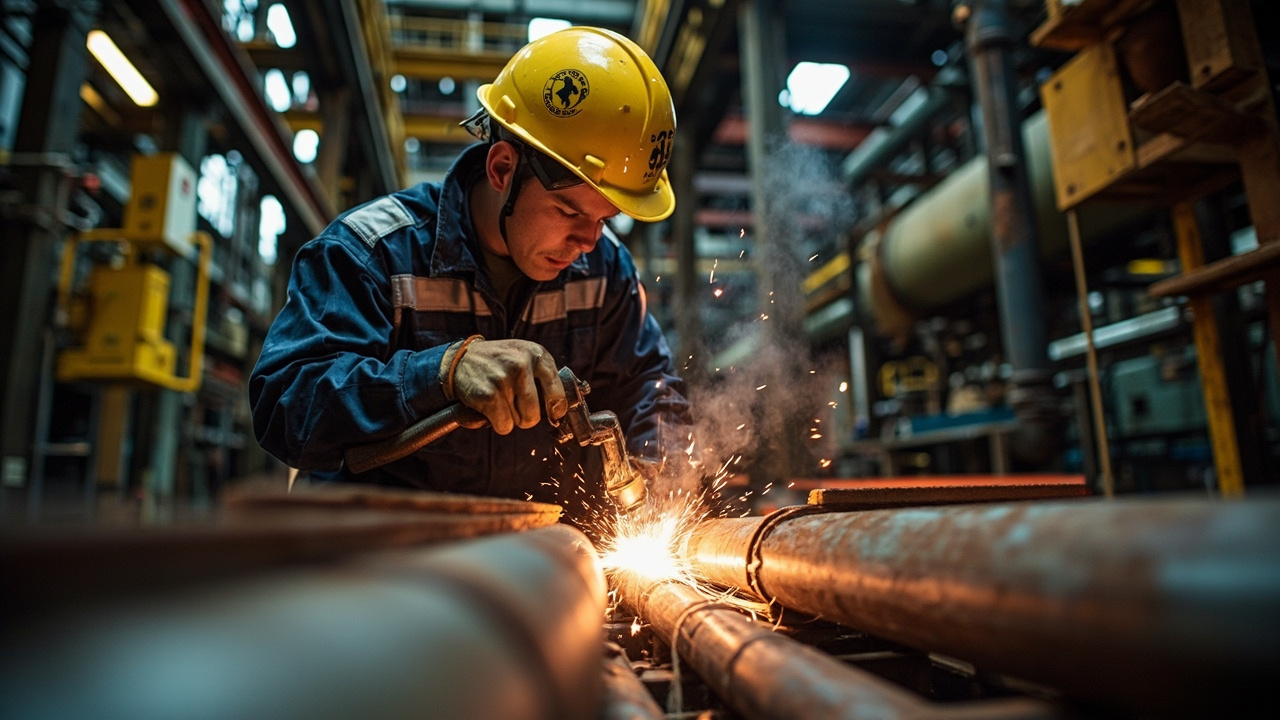
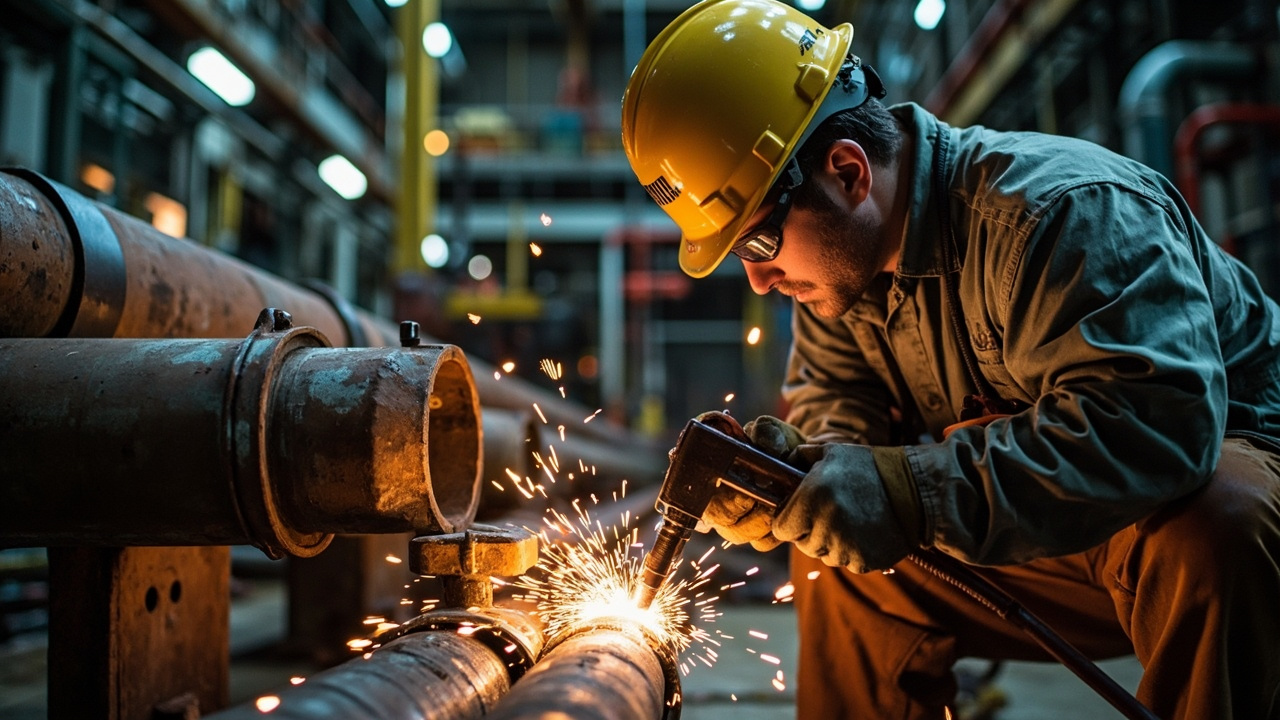
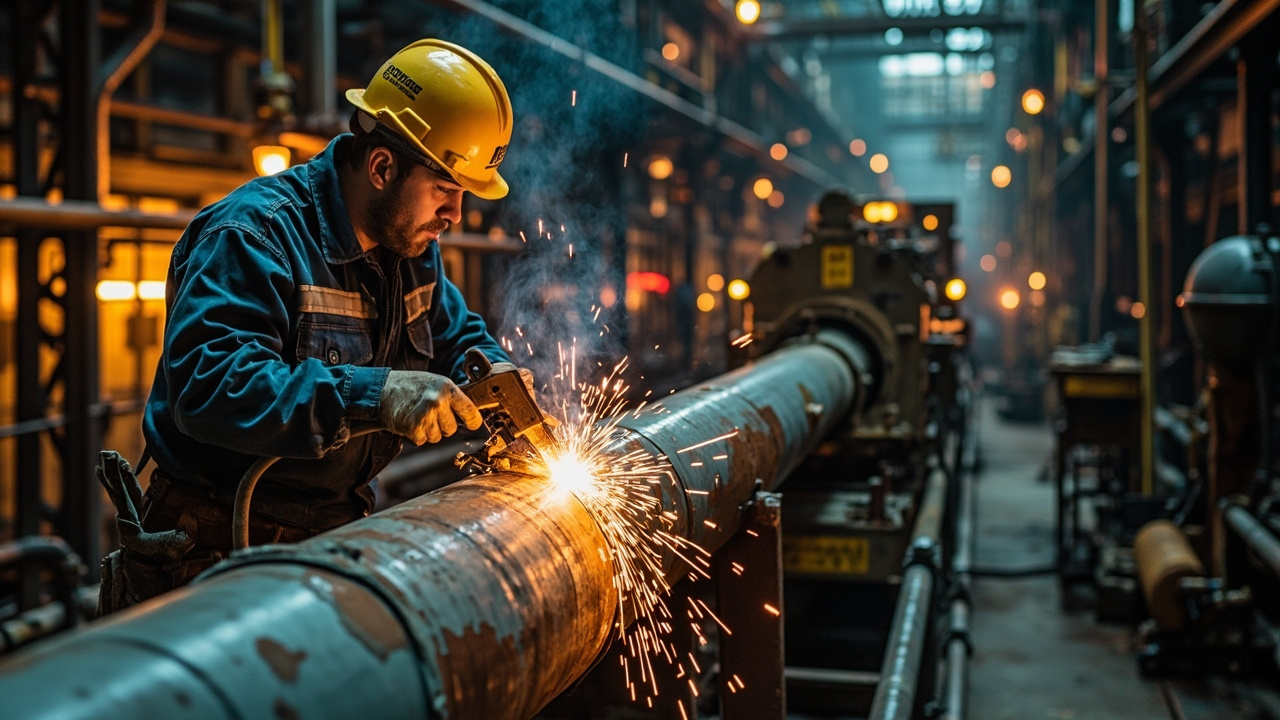
Critical steam, high-pressure, and hazardous chemical lines require welded repairs meeting ASME B31.3 process piping code. Technicians cut out corroded sections, bevel prep remaining pipe, and TIG weld schedule 40 or heavier replacement spools. Radiographic testing or ultrasonic examination verifies weld integrity before system re-pressurization.

Internal corrosion requires different tactics. Pneumatic cleaning removes scale and deposits. Epoxy lining systems then protect bare metal from further attack. For larger diameter headers and tanks, spray-applied coatings create seamless barriers against chemical exposure.

Underground industrial pipeline repair often involves excavation, but trenchless technologies reduce surface disruption. Pipe bursting replaces deteriorated clay or cast iron lines with HDPE, while cured-in-place pipe lining rehabilitates gravity drain systems without digging.

Each repair method balances downtime, code compliance, and service life extension. Manufacturing operations cannot afford guesswork. Detailed metallurgical analysis and engineering calculations determine the appropriate repair specification for each unique failure mode.

How Industrial Pipe Repair Projects Progress

Industrial Pipe Repair in Cincinnati | Minimizing Downtime for Manufacturing and Processing Facilities
01

Failure Assessment and Shutdown Coordination

Technicians conduct on-site evaluation using ultrasonic thickness gauges, thermal imaging, and pressure testing to map pipe condition. The assessment defines repair scope, required materials, and realistic timeline. Coordination with plant operations schedules the repair during planned maintenance windows or emergency shutdowns to minimize production impact. Detailed work plans address lockout-tagout requirements, confined space protocols, and hot work permits before mobilization.
02

Pipe Section Replacement or Rehabilitation

After system isolation and drainage, repair crews execute the selected methodology. Welded repairs involve precision cutting, fit-up, and qualified welding procedures followed by non-destructive examination. Composite repairs require surface preparation, resin application, and cure monitoring. Underground work may include excavation, shoring, and backfill compaction. All work follows applicable OSHA, EPA, and ASME standards while maintaining documentation for facility compliance records and future reference.
03

Pressure Testing and System Recommissioning

Completed repairs undergo hydrostatic pressure testing to 1.5 times operating pressure, verifying leak-tight integrity before returning equipment to service. Systems are slowly re-pressurized while monitoring for anomalies. Documentation packages include repair procedures, material certifications, weld reports, and test results for plant maintenance files. Facilities receive recommendations for inspection intervals and preventive maintenance strategies to maximize repair longevity and identify future problem areas before failures occur.

Why Cincinnati Manufacturers Choose Local Industrial Piping Expertise

Industrial pipe failures do not wait for business hours. Cincinnati manufacturers need repair partners who understand regional facility requirements and respond immediately when production stops. Horizon Plumbing Seattle maintains relationships with local supply houses stocking specialized pipe schedules, gasket materials, and repair products required for emergency industrial piping repair services.

Familiarity with Cincinnati's industrial base matters. Technicians who regularly service chemical plants in Evendale, food processing operations in Norwood, and pharmaceutical facilities along the Mill Creek corridor understand facility-specific challenges. They know which plants run continuous operations requiring live-tap repairs and which can schedule turnaround maintenance.

Local expertise extends to regulatory knowledge. Ohio EPA regulations govern industrial wastewater discharge, and Hamilton County requires specific permits for underground piping work. Repair contractors familiar with these requirements prevent compliance issues that delay projects or trigger enforcement actions.

The region's industrial heritage means aging infrastructure. Many Cincinnati manufacturing facilities operate equipment installed decades ago, using pipe materials and joining methods no longer common. Repair specialists who understand flanged unions, threaded connections, and obsolete alloy specifications can restore systems other contractors would replace due to unfamiliarity.

Response time directly impacts financial loss. A contractor located in Cincinnati reaches manufacturing facilities throughout the metro within an hour, not half a day. Equipment, materials, and qualified technicians arrive quickly, reducing the window between failure and repair completion.

Industrial pipe rehabilitation requires specific capabilities. Welders need ASME Section IX certifications for process piping. Non-destructive examination technicians must hold ASNT Level II credentials. Composite repair specialists require manufacturer training. These qualifications distinguish professional industrial contractors from general plumbing services.

What Cincinnati Facilities Should Expect from Industrial Pipe Repair

Emergency Response and Scheduled Maintenance Options

Industrial pipe failures happen without warning. Emergency response teams mobilize within hours, arriving with diagnostic equipment and common repair materials to stop leaks and assess damage extent. For planned maintenance, detailed scheduling coordinates with production calendars to minimize operational impact. Repair timelines vary based on pipe size, accessibility, and repair method. Small diameter welded repairs may complete in eight hours, while large header rehabilitation requires multi-day shutdowns. Accurate timeline estimates during assessment prevent surprises and allow facilities to plan production schedules around confirmed completion dates.

Comprehensive System Evaluation and Repair Specification

Assessment goes beyond the visible failure point. Technicians inspect adjacent piping for similar deterioration that may fail shortly after primary repairs complete. Ultrasonic thickness testing maps remaining wall across multiple locations, identifying sections requiring monitoring or proactive replacement. The evaluation considers fluid chemistry, operating temperature, pressure cycling, and vibration exposure to determine root cause. This analysis informs repair specifications that address underlying problems rather than treating symptoms. Detailed documentation includes metallurgical findings, measurement data, and engineering calculations justifying the selected repair approach for facility records and future reference.

Code-Compliant Repairs with Performance Documentation

Industrial pipe repairs must meet ASME B31.3 process piping code and other applicable standards. Welded repairs use qualified procedures, certified welders, and specified filler materials with documented mill certifications. Non-destructive examination verifies weld quality through radiography or ultrasonic testing performed by certified technicians. Composite repairs follow manufacturer specifications and ASME PCC-2 guidelines. Pressure testing validates repair integrity before system return to service. Complete documentation packages include repair procedures, material certifications, NDE reports, and pressure test results. This paper trail satisfies insurance requirements, regulatory inspections, and facility quality management systems while providing future maintenance teams with repair history.

Preventive Maintenance Planning and System Monitoring

Completed repairs represent one component of long-term asset management. Facilities receive inspection interval recommendations based on observed corrosion rates and operating conditions. Baseline thickness measurements from repairs establish reference points for future monitoring, allowing trending analysis that predicts remaining service life. For facilities with chronic piping issues, comprehensive condition assessments survey entire systems, prioritizing repairs by failure risk and operational impact. Preventive maintenance programs scheduled during planned shutdowns address multiple problem areas simultaneously, maximizing downtime efficiency. Monitoring protocols identify deterioration before catastrophic failure, converting emergency repairs into scheduled maintenance that costs less and disrupts operations minimally.

Frequently Asked Questions

You Have Questions,
We Have Answers

What is the average cost of pipe relining? +

Pipe relining costs vary based on pipe diameter, length, access points, and damage severity. For industrial facilities in Cincinnati, expect significant variation depending on whether you're addressing a 4-inch drain line or a 12-inch main. Factors affecting price include prep work, curing method, and downtime requirements. Commercial projects often require after-hours scheduling to avoid production disruption, which impacts labor costs. The scope of inspection, cleaning, and structural integrity testing also influences total expenditure. Request a site-specific assessment that accounts for your facility's operational constraints and local permitting requirements.

Is Orangeburg pipe illegal? +

Orangeburg pipe is not illegal to own or maintain in Ohio, but it cannot be used in new construction or replacement projects. This bituminous fiber pipe was installed in many Cincinnati industrial properties between 1940 and 1970. Building codes now prohibit its installation due to structural degradation issues and short lifespan. If your facility still has Orangeburg piping, you face increasing failure risk as the material deteriorates. During renovations or expansions requiring permits, inspectors will flag Orangeburg sections for replacement. Proactive replacement prevents production shutdowns and maintains code compliance.

What are pipe fixers called? +

Industrial pipe repair professionals are called pipefitters, plumbers, or pipe technicians, depending on specialization. Pipefitters typically handle high-pressure systems, process piping, and industrial applications in manufacturing facilities. Licensed plumbers address water supply, drainage, and waste systems. For commercial operations in Cincinnati, you need contractors with industrial endorsements who understand process interruption costs, safety protocols, and compliance requirements. Specialized technicians handle trenchless repairs, epoxy lining, and robotic cutting. The correct professional depends on your system type, operating pressures, and material specifications. Verify licensing matches your specific industrial application.

How much would it cost to repair a pipe? +

Industrial pipe repair costs depend on pipe size, material, location accessibility, repair method, and business disruption factors. A simple accessible joint repair differs significantly from confined space work requiring confined entry permits and safety equipment. Trenchless methods cost more upfront but minimize excavation, restoration, and downtime expenses. Emergency repairs requiring immediate mobilization and after-hours labor increase costs substantially. For Cincinnati industrial facilities, factor in operational shutdown costs when evaluating repair options. A comprehensive camera inspection identifies all issues before providing accurate scope and budget. Request itemized estimates that separate labor, materials, and business continuity considerations.

What is the disadvantage of pipe relining? +

Pipe relining's primary disadvantage is reduced internal diameter, which decreases flow capacity. The cured-in-place liner adds thickness to existing pipe walls, narrowing the passage. For industrial applications with calculated flow requirements, this reduction can impact system performance. Relining also requires relatively smooth, structurally sound host pipes. Severely collapsed, misaligned, or deteriorated sections may need traditional replacement. The process demands proper surface preparation and curing conditions. Temperature and humidity affect cure times, potentially extending facility downtime. Not all pipe materials accept epoxy bonding equally. Cost analysis must include long-term flow capacity impacts on production efficiency.

Will insurance pay for sewer line replacement? +

Insurance coverage for sewer line replacement depends on your commercial policy terms and failure cause. Most standard commercial property policies exclude gradual deterioration, wear, and maintenance issues. However, sudden catastrophic failures from covered perils like freezing, accidental damage, or backup-related property damage may receive partial coverage. For Cincinnati industrial facilities, business interruption riders may cover revenue loss during repairs. Review your policy's water and sewer endorsements carefully. Earth movement exclusions often apply to soil settlement damage. Submitting proper documentation, including inspection reports proving sudden failure versus neglect, strengthens claims. Consult your broker before major repairs.

Does all Orangeburg pipe have asbestos? +

Orangeburg pipe does not contain asbestos. This bituminous fiber product consists of wood pulp and coal tar pitch formed under heat and pressure. The asbestos confusion stems from the installation era, when asbestos-cement pipe was a competing product. However, the adhesives, joint sealants, or wrapping materials used during Orangeburg installation may contain asbestos, depending on installation date. Cincinnati industrial buildings from that period often have multiple pipe materials. Before demolition or major renovation, conduct material testing to identify any asbestos-containing materials in the surrounding infrastructure. Proper abatement protocols protect workers and maintain regulatory compliance.

In what states is straight pipe illegal? +

The term "straight pipe" typically refers to automotive exhaust modification, not plumbing systems. In plumbing context, all states require proper venting, trapping, and drainage configurations per International Plumbing Code adoptions. Ohio follows modified IPC standards. For industrial facilities in Cincinnati, you cannot eliminate required traps, vents, or backflow prevention devices. Direct discharge without proper treatment violates environmental regulations everywhere. If you mean direct-buried pipe without casing, requirements vary by application, soil conditions, and load factors. Consult local building officials for specific installation requirements. Code compliance protects your operational permits and liability exposure.

Can you patch an Orangeburg pipe? +

Patching Orangeburg pipe provides only temporary, unreliable fixes. The material's bituminous fiber composition deteriorates with age, becoming soft and deformed. Patches cannot restore structural integrity to compromised material. For Cincinnati industrial properties, temporary repairs may address immediate emergencies, but plan for replacement. The pipe's oval deformation and material breakdown prevent effective sealing. Any repair creates liability risk if failure causes production loss or property damage. Modern trenchless methods allow replacement without extensive excavation. Given Orangeburg's limited remaining service life, investing in patches delays inevitable replacement while maintaining failure risk. Replace compromised sections during planned maintenance windows.

What is the highest paid pipefitter? +

Pipefitter compensation varies by specialization, location, union status, and industry sector. Specialized positions in power generation, petrochemical facilities, or pharmaceutical manufacturing command premium rates. Steamfitters and high-pressure system specialists typically earn more than general pipefitters. In Ohio's industrial sector, experienced foremen and those with critical certifications earn competitive wages. Factors include shift differentials, travel requirements, and project complexity. For industrial facilities in Cincinnati, understand that specialized repair contractors charge rates reflecting expertise, equipment investment, and insurance costs. Compensation reflects the technical knowledge required for industrial system integrity and safety compliance.

How Ohio River Valley Conditions Accelerate Industrial Pipe Deterioration in Cincinnati

Cincinnati's location in the Ohio River Valley creates a microclimate that challenges industrial piping systems. Humidity averages 70 percent year-round, promoting external corrosion on carbon steel pipe even inside climate-controlled facilities. Winter temperatures regularly cycle above and below freezing, creating condensation that accelerates rust formation on uninsulated lines. The region's clay soil retains moisture, keeping buried industrial pipeline systems in constant contact with corrosive groundwater. Food processing plants, chemical manufacturers, and metal finishing operations throughout Hamilton County deal with these environmental factors that reduce pipe service life compared to drier climates. Process piping repair requirements increase as installations age beyond 20 years in these conditions.

Cincinnati's manufacturing sector includes specialized operations requiring industrial pipe restoration expertise uncommon in residential plumbing. Chemical plants handling corrosive media need contractors familiar with alloy piping and exotic materials. Food processors require sanitary welding that meets 3-A standards. Pharmaceutical facilities demand documentation traceability for FDA compliance. Horizon Plumbing Seattle understands these sector-specific requirements because we regularly service Cincinnati industrial facilities. Our technicians hold certifications for pressure piping work, confined space operations, and hazardous material handling. We maintain relationships with inspection agencies for required third-party verification, streamlining project approvals that delay contractors unfamiliar with industrial compliance requirements.
Plumbing Services in The Cincinnati Area

We are proud to serve the entire area, providing exceptional plumbing services to our community. Our service area covers all of the city and its surrounding neighborhoods. Use the map to see our location and get directions, or simply give us a call to schedule a service. Our team is always ready to travel to your location to address your plumbing needs quickly and efficiently, ensuring you receive the prompt service you deserve.

Address:
Keystone Plumbing Cincinnati, 71 E Hollister St, Cincinnati, OH, 45219

Additional Services We Offer

Our news updates

Latest Articles & News from The Blogs

Why a Whole House Repiping Project in St. Bernard is a Smart Investment If you own a home in St.…

Why a Whole House Repiping Project in St. Bernard is a Smart Investment

Why a Whole House Repiping Project in St. Bernard is a Smart Investment If you own a home in St.…

Do You Know Exactly Where the Main Water Shut-Off Valve is in Your Silverton Home?

Do You Know Exactly Where the Main Water Shut-Off Valve is in Your Silverton Home? A burst pipe can dump…

Protecting the Exposed Plumbing in Your Madisonville Crawl Space From Rodents and Cold

Protecting the Exposed Plumbing in Your Madisonville Crawl Space From Rodents and Cold \n\n Exposed pipes in Madisonville crawl spaces…

Contact Us

Every hour of unplanned downtime costs your operation revenue, product, and customer confidence. Call (513) 717-2899 now for immediate industrial pipe repair response or scheduled system assessment. Our Cincinnati-based team delivers the expertise your facility requires.