Menu

Your Complete Plumbing Inspection Checklist for Cincinnati Homes – Protect Your Property Before Problems Start

This residential plumbing checkup list helps Cincinnati homeowners spot issues early, prevent costly emergency repairs, and maintain a safe, efficient plumbing system year-round.

Slider Image 1
Slider Image 2
Slider Image 3
Slider Image 4
Slider Image 5
Slider Image 7
Slider Image 8
Slider Image 9
Slider Image 10
Slider Image 11

Why Cincinnati Homes Need Regular Plumbing Inspections

Cincinnati's unique climate and infrastructure create conditions that demand attention from homeowners. The freeze-thaw cycles common from December through March put stress on pipes, while summer humidity accelerates corrosion in exposed metal components. The region's hard water, fed by limestone aquifers beneath the Ohio Valley, leaves mineral deposits that slowly choke supply lines and damage fixtures.

Older neighborhoods like Mount Adams, Hyde Park, and Northside contain homes built between 1890 and 1950. Many still have original galvanized steel pipes that corrode from the inside out. The clay soil common to Hamilton County shifts during wet spring seasons, stressing sewer lines and creating belly sags where waste collects. Without a preventative plumbing maintenance checklist, small issues become expensive disasters.

A home plumbing inspection list catches these problems early. You spot a pinhole leak before it rots floor joists. You identify a slow drain before sewage backs up into your basement. You notice a water heater nearing failure before it floods your utility room. Regular inspections using a plumbing system inspection guide give you control over maintenance timing and costs. You choose when to fix issues instead of reacting to midnight emergencies.

The plumbing maintenance checklist approach saves money. Replacing a corroded shut-off valve costs far less than repairing water damage to finished spaces. Clearing a partial blockage is cheaper than excavating a collapsed sewer line under your driveway. Smart homeowners use a residential plumbing checkup list to stay ahead of problems, not chase them.

Why Cincinnati Homes Need Regular Plumbing Inspections
How Professional Plumbers Conduct Thorough System Inspections

How Professional Plumbers Conduct Thorough System Inspections

A comprehensive plumbing inspection follows a systematic approach that examines every component from the main water service to the final fixture. Technicians start at the point of entry, checking the main shut-off valve for operation and leaks. They verify proper pressure using a gauge, looking for readings outside the safe 45 to 80 psi range. High pressure damages fixtures and appliances. Low pressure signals supply line restrictions or failing pressure regulators.

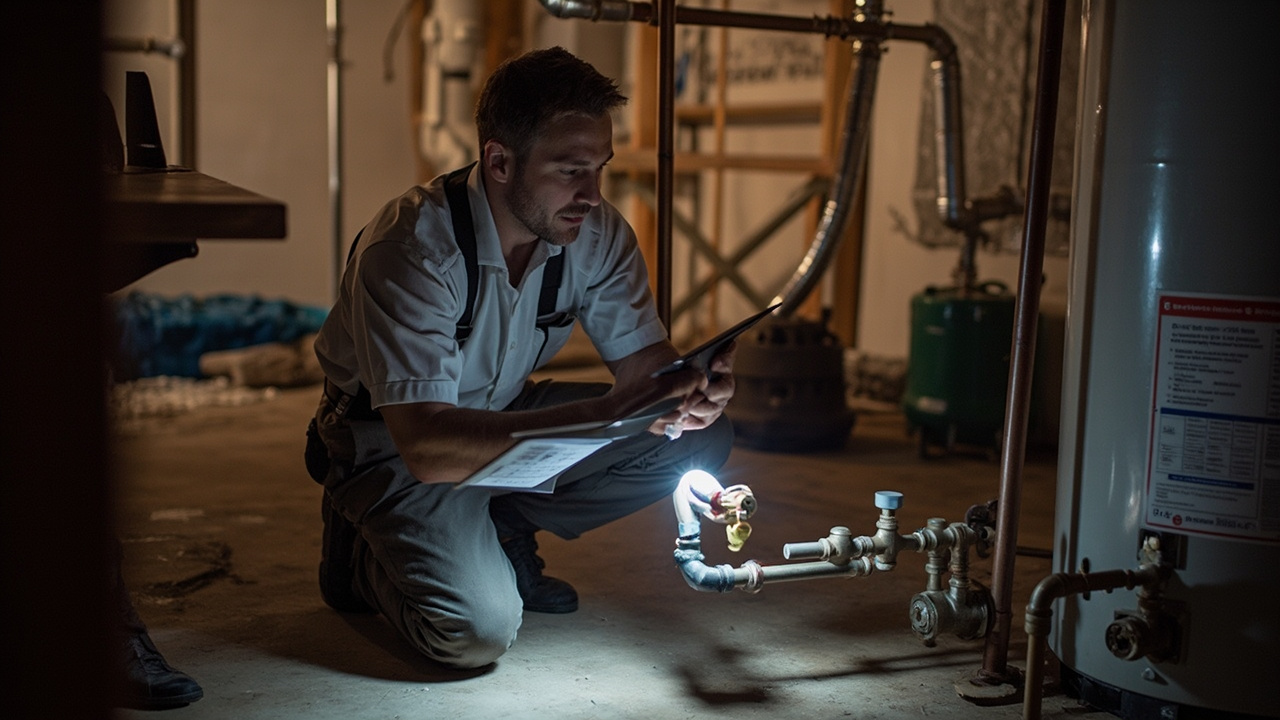
The supply system inspection moves through the home methodically. Technicians examine exposed pipes in basements and crawl spaces for corrosion, improper support spacing, and inadequate insulation. They check each fixture supply line for kinks, cracks, and proper connection. Shut-off valves at sinks, toilets, and appliances get cycled to verify they still function. Many homes have valves that have not moved in years. They seize and break when you need them during an emergency.

Drain and waste system inspection requires different techniques. Technicians run water at each fixture while monitoring drain speed and listening for gurgling sounds that indicate venting problems. They check cleanout access points and verify proper trap installation. In homes with basement floor drains, they pour water to refill traps that may have evaporated, allowing sewer gas into living spaces.

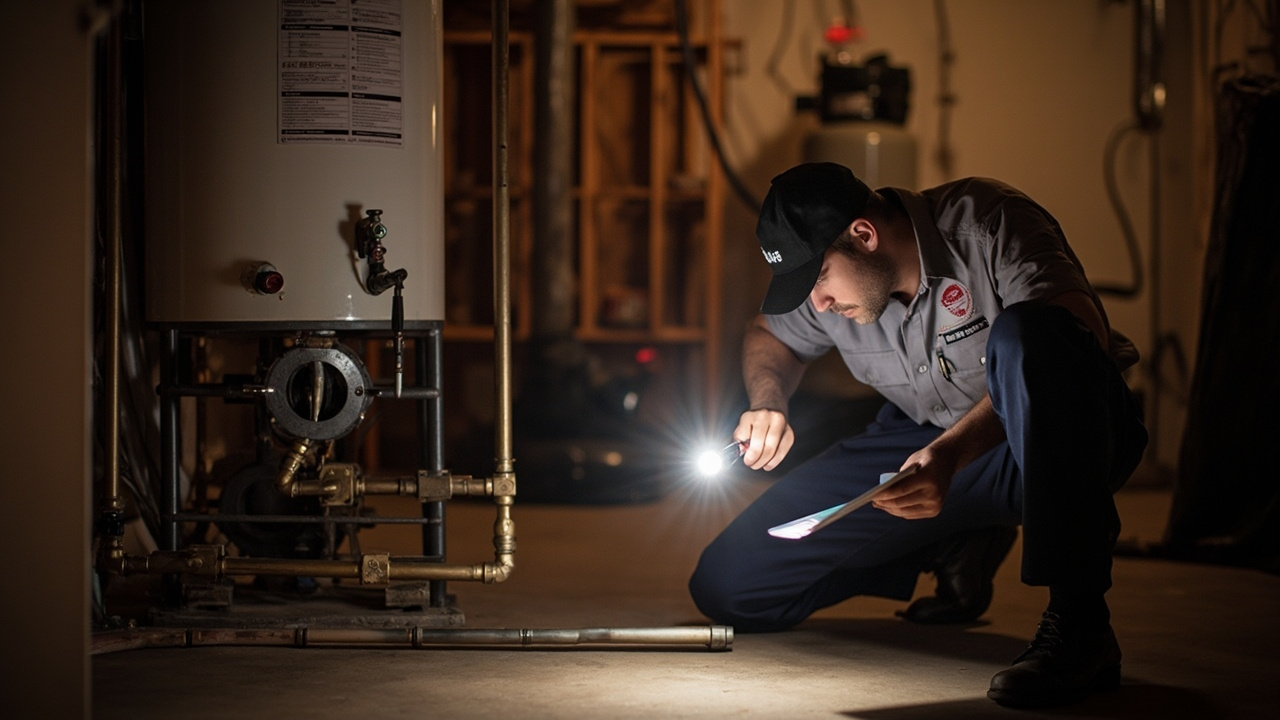
Water heater inspection covers the pressure relief valve, anode rod condition, sediment accumulation, and burner or element function. Sump pumps get tested under load conditions, not just the float switch. The entire plumbing maintenance checklist takes 90 minutes to two hours, depending on home size and system complexity. You receive a written report documenting current conditions and prioritizing recommended repairs.

What Happens During Your Home Plumbing Checkup

Your Complete Plumbing Inspection Checklist for Cincinnati Homes – Protect Your Property Before Problems Start
01

Visual System Assessment

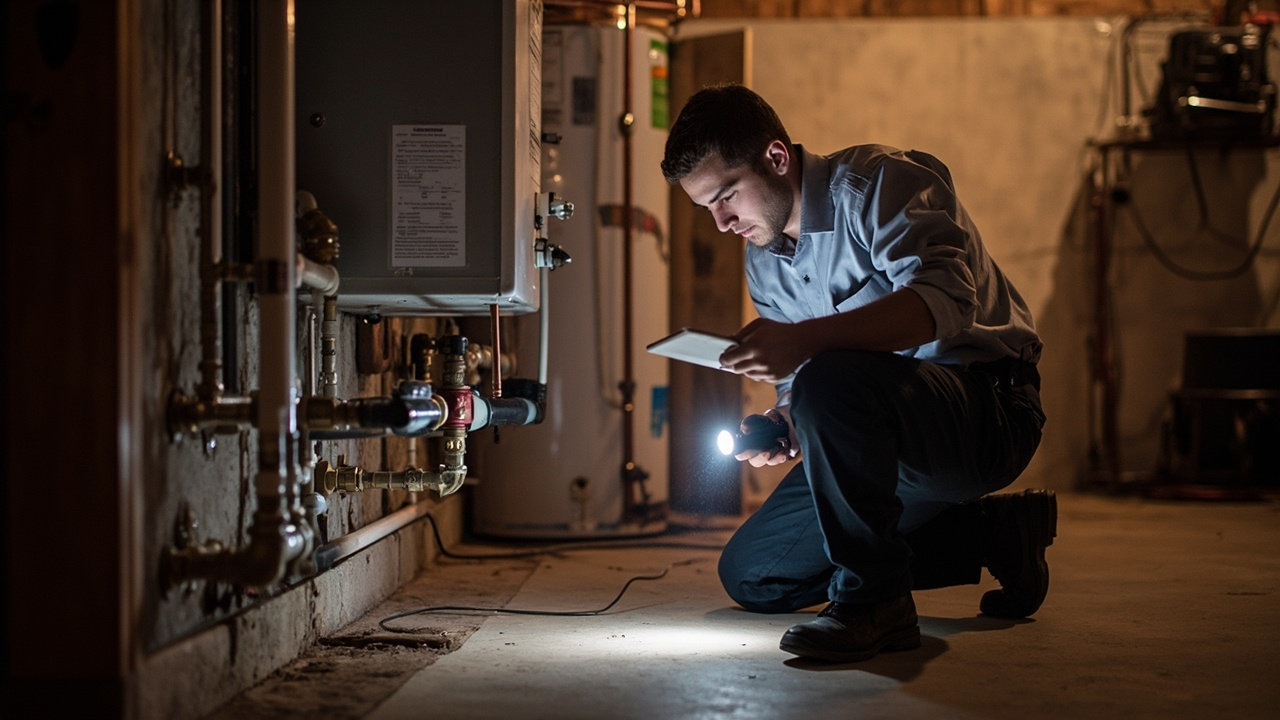
The technician walks through your home identifying all plumbing components, fixture locations, and access points. They photograph existing conditions and note the age and type of materials in use. This creates a baseline record for future comparisons. They locate main shut-offs, pressure regulators, and the water heater. In older Cincinnati homes, they also map out galvanized pipes that need replacement planning.
02

Functional Testing Protocol

Each component gets tested under actual use conditions. Faucets run at full flow while checking for pressure drops and leaks. Toilets flush while monitoring fill valve operation and checking for bowl cracks. Drains get loaded with water to verify proper flow rates. The water heater cycles through a heating phase while monitoring temperature rise and safety device function. Sump pumps run through complete cycles with measured discharge volume.
03

Documentation and Recommendations

You receive a detailed report with photos showing current conditions, measurements, and test results. The plumbing system inspection guide includes prioritized recommendations separating immediate safety concerns from preventative maintenance items. Each recommendation includes an explanation of why it matters and what happens if deferred. This gives you the information needed to make smart decisions about timing and budgeting for necessary work.

Why Cincinnati Homeowners Choose Local Plumbing Expertise

Cincinnati's plumbing challenges require knowledge that only comes from working in the area daily. Technicians who understand how Ohio's plumbing code differs from national standards catch violations that create liability during home sales. They know which neighborhoods still have clay sewer laterals prone to root intrusion and which areas have problematic soil conditions affecting outdoor plumbing.

Local experience matters when evaluating older homes. A technician familiar with Cincinnati's historic districts recognizes the difference between 1920s brass pipes worth preserving and 1950s galvanized steel that needs replacement. They understand how homes built before 1978 often have lead service lines or lead-soldered copper joints that require specific testing and remediation approaches.

Knowledge of regional water quality shapes inspection priorities. Hamilton County's hard water accelerates sediment buildup in water heaters, reducing efficiency and shortening service life. Technicians adjust their residential plumbing checkup list to focus on components most affected by local conditions. They check for scale buildup in supply lines, examine aerators for restriction, and evaluate whether water softening systems function properly.

Familiarity with local suppliers and parts availability speeds repairs when issues surface. A technician who knows which supply houses stock parts for older fixtures saves you time and money. They understand which repairs make sense given local labor and material costs, and which problems warrant full replacement instead of temporary fixes.

Keystone Plumbing Cincinnati brings this local knowledge to every inspection. Our technicians live and work in the communities we serve. We see the same issues in Hyde Park that we address in Mount Lookout because we understand the shared infrastructure and housing characteristics that create predictable patterns.

What Your Plumbing Inspection Includes

Scheduling and Service Timeline

Most inspections fit into a two-hour window that works around your schedule. We offer morning, afternoon, and early evening appointments throughout the week. The technician arrives with all necessary testing equipment and documentation tools. No waiting for parts or return visits unless you decide to address identified issues immediately. You receive the written report before the technician leaves, allowing you to ask questions while they are still on-site. This eliminates confusion and ensures you understand every finding.

Comprehensive Component Evaluation

The inspection covers every accessible plumbing component in your home. Supply lines get pressure tested and examined for corrosion. Drain lines get flow tested and checked for proper venting. Fixtures get operated through complete cycles. Water heaters receive detailed evaluation including sediment level assessment and safety device testing. Sump pumps run under load with discharge line inspection. Exterior hose bibs get checked for freeze damage and backflow prevention. The preventative plumbing maintenance checklist adapts to your home's specific configuration and age.

Detailed Reporting and Prioritization

You receive a comprehensive report with photos documenting current conditions. Findings organize into three categories: immediate attention needed, recommended within six months, and monitor for future planning. Each item includes a clear explanation of the issue, why it matters, and what happens if you delay action. The report gives you concrete information for budgeting and planning. You know which problems pose safety risks and which items you can address during routine maintenance. This removes the guesswork from home plumbing system management.

Follow-Up Support and Maintenance Planning

The inspection report becomes your maintenance planning tool. We recommend annual inspections to track changes over time, especially in homes with aging components. Between inspections, you can reference the report when questions arise about your plumbing system. If you choose to address identified issues, we provide detailed estimates with no obligation. The home plumbing inspection list serves as a roadmap for maintaining your system's reliability and protecting your property value. Many homeowners use the report during real estate transactions to demonstrate proper maintenance and system condition.

Frequently Asked Questions

You Have Questions,
We Have Answers

What does a plumbing inspection consist of? +

A plumbing inspection examines your entire water supply and drainage system. The plumber checks water pressure, tests all fixtures like faucets and toilets, inspects pipes for leaks or corrosion, and evaluates the water heater for safety and efficiency. In Cincinnati, inspectors pay close attention to sewer lines, since shifting clay soil and freeze-thaw cycles can crack underground pipes. The inspector also checks for code violations, proper venting, and signs of water damage. You receive a detailed report identifying current problems and potential issues that could cause expensive damage later.

What are the 5 main items you should inspect for at a drain detail? +

At a drain detail, inspect the drain opening for debris or obstructions that restrict flow. Check the trap for proper water seal and signs of leaks or corrosion. Examine the drain slope to confirm water flows downhill without pooling. Inspect pipe connections for leaks, loose fittings, or deterioration. Look for proper venting, which prevents slow drainage and sewer gas problems. Cincinnati homes with older galvanized pipes often show rust buildup inside drains, restricting flow. These five checkpoints help you catch drainage problems before they escalate into backups or water damage.

What are 5 very important things that are inspected in a home inspection? +

Home inspections focus on five critical systems. The plumbing system includes water supply, drainage, fixtures, and the water heater. The electrical system covers the panel, wiring, outlets, and grounding. The HVAC system includes heating, cooling, and ventilation components. The structural elements encompass the foundation, framing, and roof integrity. Finally, inspectors examine water intrusion risks like basement moisture, which is common in Cincinnati due to high humidity and clay soil that holds water. These five areas directly impact your safety, comfort, and the financial investment you are making in the property.

What should be included in the inspection checklist? +

A thorough plumbing inspection checklist should include water pressure testing at multiple fixtures, leak detection at all pipes and connections, drainage flow tests, water heater inspection for age and safety, sewer line camera inspection, fixture functionality checks, and code compliance verification. In Cincinnati, add foundation drain inspection since basement water intrusion is common. Include testing shut-off valves, checking for proper pipe insulation against winter freezing, examining exposed pipes for corrosion, and identifying outdated materials like polybutylene. Document everything with photos and detailed notes so you understand what needs immediate attention versus future monitoring.

What are the 7 steps of the inspection process? +

The inspection process follows seven clear steps. First, schedule the inspection at a convenient time when you can be present. Second, the inspector conducts a visual assessment of accessible plumbing components. Third, they test water pressure and flow rates throughout the system. Fourth, they inspect drainage and sewer lines, often using camera equipment. Fifth, they examine the water heater and supply lines for safety issues. Sixth, they document findings with photos and notes. Seventh, they provide a detailed report explaining problems, recommended repairs, and timeline urgency. This systematic approach ensures nothing gets overlooked.

How much should a plumbing inspection cost? +

Plumbing inspection costs vary based on scope and property size. A basic whole-house plumbing inspection typically ranges from affordable to moderate pricing. Adding sewer camera inspection increases the cost but provides valuable information about underground pipe condition, which matters in Cincinnati where clay soil movement damages lines. Older homes require more inspection time due to outdated materials and hidden issues. Commercial properties cost more than residential. The inspection investment prevents expensive surprises after you buy. Focus on finding a qualified, experienced plumber rather than choosing the cheapest option, since thoroughness matters more than price.

What is the biggest red flag in a home inspection? +

Active water leaks represent the biggest red flag in home inspections. You face immediate damage to framing, insulation, and finishes, plus potential mold growth in Cincinnati's humid climate. Major leaks signal deferred maintenance and possible hidden damage elsewhere. Other serious red flags include sewer line backups, failed water heaters, extensive galvanized pipe corrosion, and foundation cracks with water intrusion. Any issue involving water demands immediate attention because damage accelerates quickly. If the inspector finds active leaks or sewer problems, negotiate repairs before closing or walk away, since remediation costs escalate fast once water infiltrates structural components.

What is a 7 point inspection? +

A seven-point inspection is a focused assessment covering seven critical vehicle systems, not plumbing. The term comes from automotive service. In plumbing contexts, you want a comprehensive inspection that examines water supply, drainage, fixtures, water heater, sewer lines, venting, and code compliance. Do not confuse automotive terminology with plumbing services. When hiring a plumber in Cincinnati, ask specifically what the inspection covers. Request a detailed written report with photos. Avoid providers using vague marketing terms. You need a thorough plumbing assessment that identifies current problems and potential future issues requiring monitoring or preventive maintenance.

How much does a drain inspection cost? +

Drain inspection costs depend on the method and scope. A basic visual inspection of accessible drains costs less than advanced diagnostics. Camera inspection of sewer lines costs more but reveals hidden problems inside underground pipes that you cannot see otherwise. In Cincinnati, camera inspection is valuable because clay soil movement and tree root intrusion commonly damage sewer lines. Expect higher costs for longer sewer runs or difficult access points. The investment pays off by identifying expensive problems before you buy a property or before minor issues become major failures requiring emergency repairs and property damage restoration.

What items will fail a home inspection? +

Several plumbing issues will fail a home inspection. Active leaks at pipes, fixtures, or the water heater pose immediate damage risks. Sewer line backups or signs of raw sewage create health hazards. Insufficient water pressure indicates supply line problems. Missing or faulty shut-off valves violate safety codes. Cross-connections between potable water and contaminated sources fail immediately. In Cincinnati, inspectors flag basement seepage and foundation drainage failures since they cause ongoing water damage. Outdated materials like polybutylene pipes, corroded galvanized pipes, and improperly vented drains also fail. Any code violation affecting safety requires correction before closing.

How Cincinnati's Freeze-Thaw Cycles and Hard Water Affect Your Plumbing System

Cincinnati experiences 30 to 40 freeze-thaw cycles each winter as temperatures swing above and below 32 degrees. Water expands when it freezes, creating pressure that splits pipes and cracks fixtures. Outdoor hose bibs, pipes in exterior walls, and supply lines in unheated crawl spaces face the greatest risk. The region's hard water adds another layer of concern. Limestone deposits throughout the aquifer system create water that measures 180 to 280 parts per million total dissolved solids. This mineral-rich water leaves scale deposits that accumulate in water heaters, restrict supply lines, and damage fixture cartridges. A plumbing inspection checklist adapted to Cincinnati conditions focuses on these specific vulnerabilities. Technicians look for inadequate insulation, improper pipe placement, and scale buildup that indicates accelerating damage.

Cincinnati's housing stock includes thousands of homes built before modern plumbing codes existed. Many neighborhoods contain properties with original galvanized steel pipes, cast iron drains, and outdated fixture installations that no longer meet current standards. Local plumbers who understand the evolution of Cincinnati's building codes recognize grandfathered installations that remain legal but may need upgrades during remodeling. They know which older materials still perform adequately and which have reached the end of their service life. This expertise helps homeowners make informed decisions about when to preserve historic plumbing character and when to modernize for safety and reliability.
Plumbing Services in The Cincinnati Area

We are proud to serve the entire area, providing exceptional plumbing services to our community. Our service area covers all of the city and its surrounding neighborhoods. Use the map to see our location and get directions, or simply give us a call to schedule a service. Our team is always ready to travel to your location to address your plumbing needs quickly and efficiently, ensuring you receive the prompt service you deserve.

Address:
Keystone Plumbing Cincinnati, 71 E Hollister St, Cincinnati, OH, 45219

Additional Services We Offer

Our news updates

Latest Articles & News from The Blogs

Why a Whole House Repiping Project in St. Bernard is a Smart Investment If you own a home in St.…

Why a Whole House Repiping Project in St. Bernard is a Smart Investment

Why a Whole House Repiping Project in St. Bernard is a Smart Investment If you own a home in St.…

Do You Know Exactly Where the Main Water Shut-Off Valve is in Your Silverton Home?

Do You Know Exactly Where the Main Water Shut-Off Valve is in Your Silverton Home? A burst pipe can dump…

Protecting the Exposed Plumbing in Your Madisonville Crawl Space From Rodents and Cold

Protecting the Exposed Plumbing in Your Madisonville Crawl Space From Rodents and Cold \n\n Exposed pipes in Madisonville crawl spaces…

Contact Us

Stop guessing about your plumbing system's condition. Get clear answers and a prioritized action plan. Call Keystone Plumbing Cincinnati at (513) 717-2899 to schedule your comprehensive inspection. We serve all of Hamilton County with experienced technicians who understand local conditions.