Menu

Water Stains on Ceiling or Walls in Cincinnati – Expert Leak Diagnosis and Permanent Repair

When brown spots appear on your ceiling or damp patches spread across walls, you need more than surface fixes. Keystone Plumbing Cincinnati provides comprehensive leak detection and repair services that stop water stains at the source and prevent costly structural damage.

Slider Image 1
Slider Image 2
Slider Image 3
Slider Image 4
Slider Image 5
Slider Image 7
Slider Image 8
Slider Image 9
Slider Image 10
Slider Image 11

Why Water Stains Appear in Cincinnati Homes

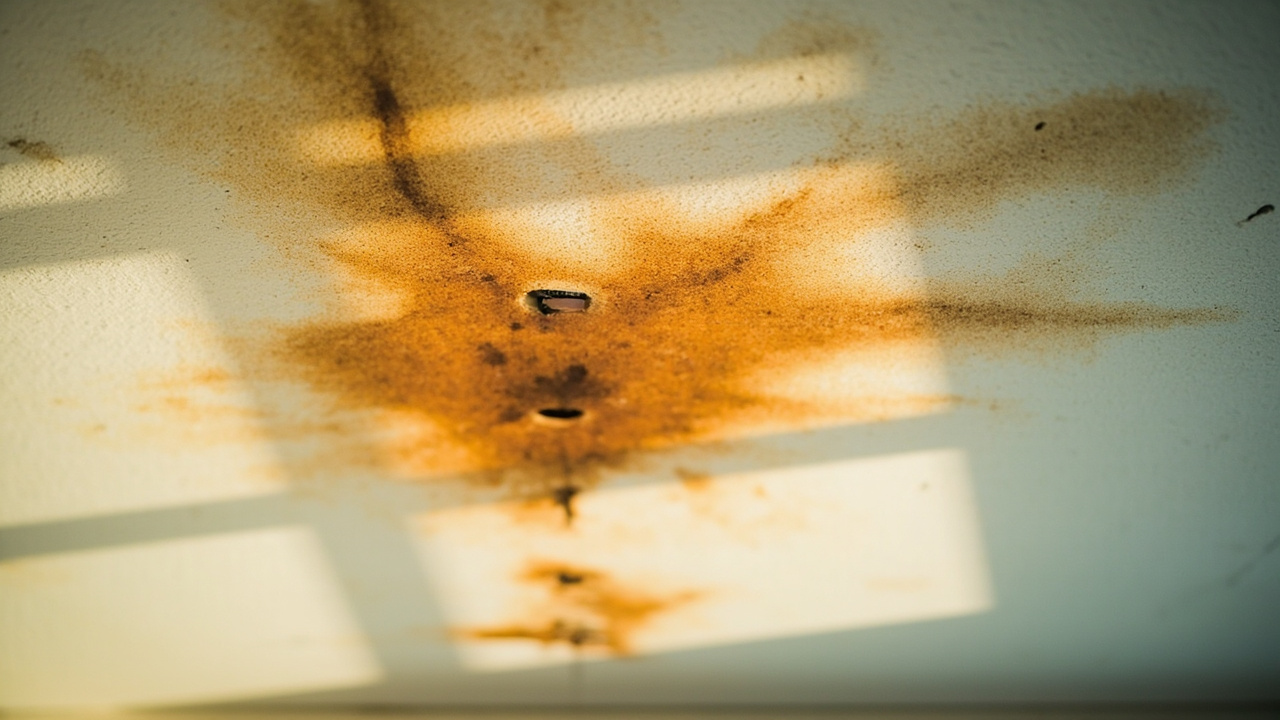
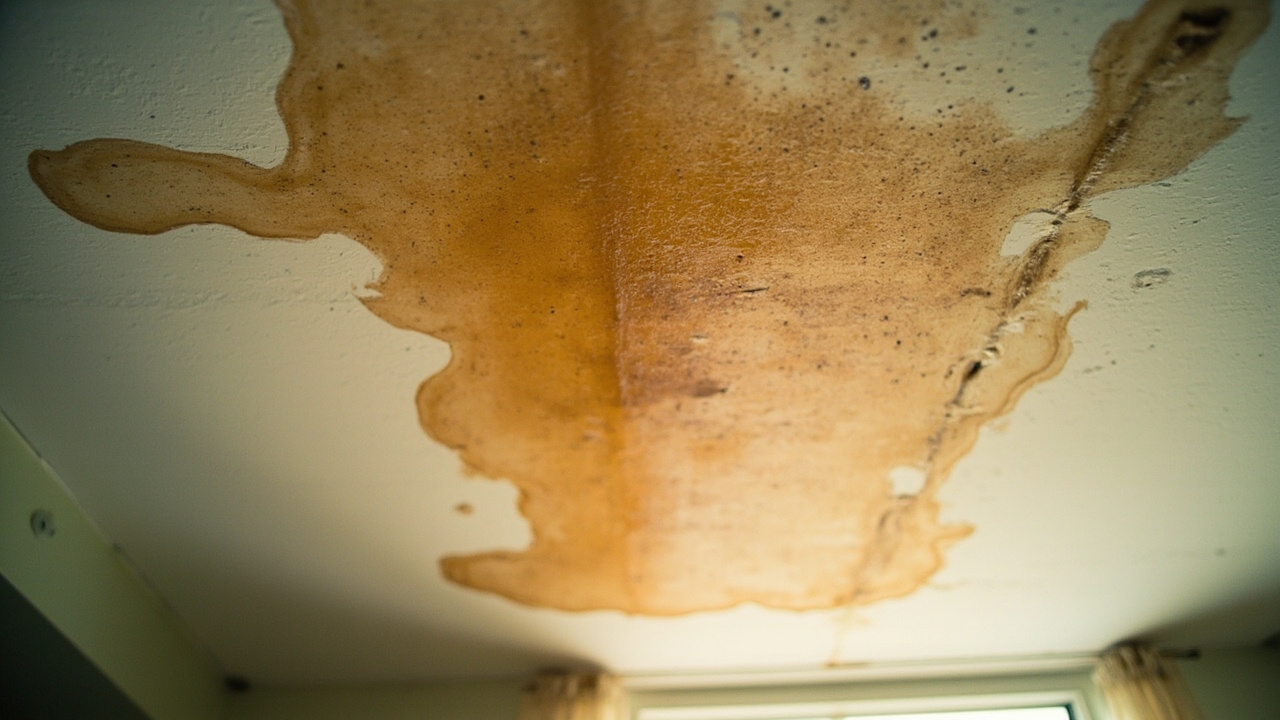
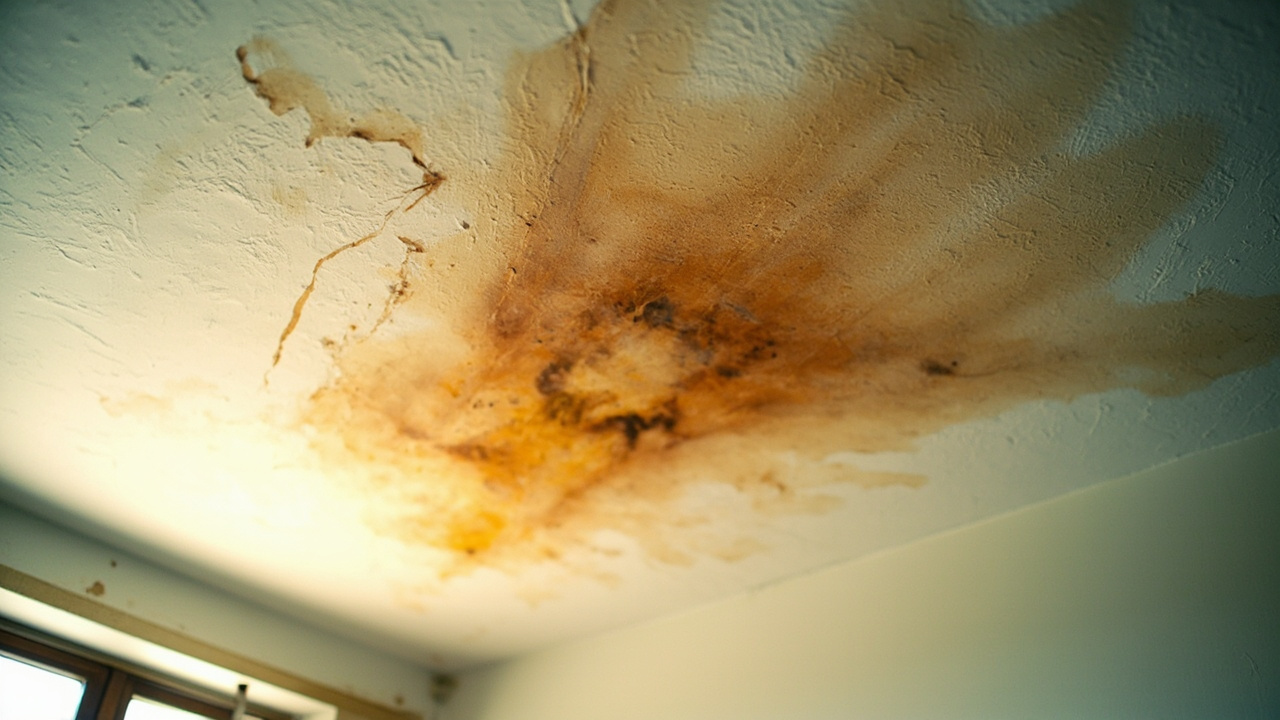
You walk into the room and notice it. A yellow water mark spreading across the ceiling. Brown spots appearing where yesterday there were none. Damp patches on walls that feel soft when you press them.

This is not cosmetic. Ceiling discoloration from leak indicates active water intrusion. The question is where it is coming from and how much damage already exists behind the drywall.

Cincinnati's freeze-thaw cycles create specific challenges for plumbing systems. When temperatures drop below freezing in January and February, then jump to 50 degrees by afternoon, pipes expand and contract. Joints weaken. Solder connections fail. What starts as a pinhole leak becomes a steady drip inside wall cavities.

The Ohio River Valley humidity makes it worse. Moisture does not evaporate quickly here. When water gets into drywall or ceiling joists, it stays. Mold growth begins within 48 hours. Wood rot follows. What started as moisture stains on drywall becomes a structural repair project if left unchecked.

Common causes in Cincinnati homes include failed supply line connections in second-floor bathrooms, corroded galvanized pipes in older neighborhoods like Mount Adams and Hyde Park, leaking shower pans in homes built before modern waterproofing standards, and condensation from uninsulated cold water lines in basements.

The stain you see is the symptom. The leak is the problem. Finding the exact source requires experience with how water travels through framing, how Cincinnati's clay soil shifts foundations, and how older plumbing systems fail.

Why Water Stains Appear in Cincinnati Homes
How We Find and Fix Hidden Leaks

How We Find and Fix Hidden Leaks

Most contractors want to cut holes until they find the problem. We use diagnostic tools first.

Thermal imaging cameras detect temperature differences behind walls. Active leaks show as cold spots where water evaporates. Moisture meters measure water content in drywall and framing without destructive testing. We map the wet areas, then trace backwards to find the source.

We check fixture connections first. Toilets, sinks, and tubs account for 60 percent of ceiling stains. Wax rings fail. Supply line ferrules crack. Drain connections loosen over time. These are quick fixes if caught early.

If fixtures check clean, we pressure test supply lines. We isolate sections of pipe, then watch gauges for pressure drops. A failing connection shows up immediately. This works for both copper and PEX systems common in Cincinnati homes.

For drain leaks, we use video inspection. A camera line runs through the drain system to check for cracks, separations, or failed joints. Older cast iron stacks in pre-1970 homes often crack at the hub connections. The leak runs down inside the wall, then spreads horizontally when it hits a floor plate.

Once we locate the source, repair method depends on access and pipe type. Accessible copper lines get cut out and re-soldered. PEX connections get new crimps or expansion fittings. Hidden lines sometimes require opening walls, but we minimize damage by cutting precise access panels that patch cleanly.

We also address secondary damage. Wet insulation gets removed. Drywall stays open until framing dries to below 15 percent moisture content. This prevents mold growth and ensures paint adhesion when repairs finish.

What Happens During a Water Stain Inspection

Water Stains on Ceiling or Walls in Cincinnati – Expert Leak Diagnosis and Permanent Repair
01

Initial Assessment and Mapping

We document every visible stain, measure moisture levels in affected areas, and identify the rooms and fixtures above the damage. Thermal imaging reveals hidden wet spots not yet visible. This creates a damage map that guides our investigation. We photograph everything for your records and insurance documentation if needed.
02

Source Identification and Testing

We inspect plumbing fixtures above the stain, pressure test supply lines in the affected zone, and use video cameras for drain inspection when symptoms suggest waste line failure. We trace water paths through framing to pinpoint exact failure points. Most leaks become obvious once we apply systematic testing protocols. We explain findings as we work so you understand what failed and why.
03

Repair and Verification

We complete the plumbing repair using appropriate materials for your system type, then run verification tests to confirm the leak stopped. We measure moisture levels again after 24 hours to ensure drying is progressing. You receive a detailed report of what failed, what we fixed, and what to monitor going forward. We coordinate with your contractor for drywall repairs if you need referrals.

Why Cincinnati Homeowners Choose Keystone Plumbing

Water damage does not wait. The longer moisture sits in building materials, the more expensive repairs become. We respond quickly because we understand the urgency.

Our diagnostic approach saves you money. Other companies start cutting walls and hope they find the problem. We use technology to pinpoint leaks before making a single cut. This means less drywall repair, less disruption, and lower total costs.

We know Cincinnati plumbing. Homes in Oakley have different systems than houses in Clifton. A 1920s bungalow in Northside has galvanized pipes that fail differently than copper in a 1980s ranch in Anderson Township. We have worked in every neighborhood and understand how local building practices affect plumbing longevity.

Cincinnati's clay soil shifts foundations. This movement stresses drain lines and causes separations at joints. We check for foundation-related damage as part of every leak investigation because we know what to look for in local conditions.

We also understand local code requirements. Hamilton County has specific standards for plumbing repairs. We pull permits when required and ensure all work meets inspection standards. This protects your home value and prevents issues during future sales.

You get honest answers. If the repair is simple, we tell you. If you need walls opened, we explain why and show you the evidence. We provide written estimates before starting work so you can make informed decisions.

We also coordinate with other trades when needed. If your leak caused electrical hazards or requires HVAC ductwork removal for access, we manage those relationships so you deal with one point of contact.

What to Expect From Our Leak Detection Service

Fast Response Times

We schedule inspections within 24 hours of your call in most cases. Active leaks get priority scheduling because delay increases damage. Our technicians arrive on time with diagnostic equipment ready. Most inspections take 60 to 90 minutes depending on home size and leak complexity. We provide findings and repair estimates before leaving so you can make decisions quickly. Emergency situations get same-day response when you need immediate water shutoff or damage control.

Thorough Diagnostic Process

Our inspection includes visual assessment of all stained areas, moisture readings at multiple points to map water spread, thermal imaging to find hidden dampness, pressure testing of supply lines in the affected zone, and fixture inspection above damaged ceilings. We check attic spaces for roof leaks that mimic plumbing problems. We inspect crawl spaces for ground water intrusion. We rule out all possible sources before recommending repairs. You receive a written report with photos and moisture readings.

Professional Repair Quality

Repairs use materials appropriate for your plumbing system and local code requirements. We match existing pipe types when possible. Copper repairs get proper flux and solder technique. PEX connections use expansion or crimp fittings per manufacturer specs. We test all repairs before closing walls. We leave work areas clean and provide photos of completed repairs before covering access points. All work meets Hamilton County plumbing code standards and passes inspection when permits are required.

Clear Next Steps

After plumbing repairs finish, we provide guidance on drying timelines and mold prevention. We recommend when to call drywall contractors based on moisture readings. We explain what to monitor and when to worry. If insurance is involved, we provide detailed documentation of the plumbing failure and repair costs. We follow up to verify moisture levels dropped to safe ranges before you close walls. We answer questions throughout the drying and reconstruction process.

Frequently Asked Questions

You Have Questions,
We Have Answers

Is a water stain on a ceiling serious? +

Yes. A water stain signals active or past moisture intrusion. Even if the leak stopped, water has already compromised your drywall, insulation, or framing. In Cincinnati, high humidity slows drying, which accelerates mold growth and wood rot. The source could be a roof leak, burst pipe, or failed bathroom seal. Ignoring the stain risks structural damage, electrical hazards, and mold spreading into your HVAC ducts. A small stain today can mean expensive repairs tomorrow. Get a plumber to inspect the area, identify the source, and assess hidden damage before it worsens.

How to tell if water is leaking behind a wall? +

Look for stains, discoloration, or bubbling paint on drywall. You might notice peeling wallpaper or a musty odor near baseboards. In Cincinnati homes with older plumbing, listen for a faint hissing or dripping sound behind walls. Check for warped or soft drywall, which means prolonged moisture exposure. Your water meter can help. Turn off all fixtures and appliances, then watch the meter. If it moves, water is escaping somewhere. A plumber can use thermal imaging or acoustic leak detection to pinpoint the exact location without tearing into walls.

Why do I have water spots on my ceiling but no leak? +

Condensation or high humidity often causes stains without an active leak. In Cincinnati, humid summers create moisture buildup in poorly ventilated attics or bathrooms. Warm indoor air hits cold surfaces, and water droplets form, staining ceilings. Old roof leaks can also leave residual stains after repairs. Another cause is HVAC condensation dripping from ducts or air handlers. Check your attic ventilation and insulation. A plumber or HVAC tech can inspect ducts, drain lines, and humidity levels to rule out hidden plumbing issues before you paint over the problem.

Can I just paint over a water stained ceiling? +

No. Painting over a water stain without fixing the source guarantees the stain will return. Moisture trapped in drywall or insulation will bleed through fresh paint within weeks. In Cincinnati, high humidity makes this worse. You must identify and repair the leak first, then let the area dry completely. Treat the stain with a stain-blocking primer to seal tannins and prevent bleed-through. If the drywall is soft or sagging, it needs replacement. Painting over damage hides a growing problem, risking mold, rot, and higher repair costs down the line.

How to know if a water stain on the ceiling is new or old? +

New stains appear darker, with defined edges and visible moisture. The drywall feels soft or damp to the touch. You might notice active dripping or wet spots. Old stains fade to yellow or brown, with crisp, dry edges. The surface feels firm. In Cincinnati homes, freeze-thaw cycles and summer humidity can reactivate old stains if the original leak was not fully repaired. Check your attic or crawlspace for water marks on framing or insulation. A plumber can use a moisture meter to measure current saturation levels and confirm whether the issue is active.

How much does it cost to fix a wet spot in a ceiling? +

Costs vary based on the leak source and damage extent. A simple drywall patch and paint runs a few hundred dollars. If the leak damaged framing, insulation, or electrical wiring, expect higher costs. Cincinnati homes with older plumbing or roof systems often need more extensive repairs. A plumber charges for leak detection, pipe repair, and water damage assessment. Insurance may cover some costs if the damage is sudden and accidental. Get multiple quotes. Address the problem quickly. Delaying repairs lets mold spread, increasing remediation costs and lowering your home value.

Can plumbers detect leaks behind walls? +

Yes. Plumbers use acoustic leak detection, thermal imaging, and moisture meters to locate hidden leaks without demolition. Acoustic tools amplify the sound of water escaping pressurized pipes. Thermal cameras detect temperature changes where water cools drywall. Moisture meters measure saturation levels in walls and ceilings. In Cincinnati, many older homes have plaster walls or complex framing, making detection tricky. A skilled plumber can pinpoint the leak, cut access holes only where needed, and minimize repair costs. This technology saves you from tearing out entire walls to find a small pipe crack.

Does home insurance cover leak detection? +

Most homeowner policies cover water damage from sudden, accidental leaks, like burst pipes or appliance failures. They usually do not cover gradual leaks from poor maintenance or wear. Leak detection itself is often not covered unless it is part of a covered claim. In Cincinnati, insurance adjusters scrutinize claims for mold or long-term damage. Document everything. Take photos of stains, water meters, and affected areas. Call a plumber to identify the source and provide a written report. This strengthens your claim and proves the damage was sudden, not neglect.

How long does it take for a water leak to cause mold? +

Mold can start growing within 24 to 48 hours in damp conditions. Cincinnati's humid climate accelerates this process, especially in poorly ventilated attics, basements, or bathrooms. Once mold spores take hold, they spread rapidly through drywall, insulation, and framing. You might smell a musty odor before you see visible growth. Hidden mold behind walls is common after undetected leaks. A plumber can identify the leak and assess moisture levels. If mold is present, you need professional remediation. Delaying repair turns a plumbing issue into a health hazard and expensive mold cleanup.

What are signs of a serious ceiling issue? +

Watch for sagging, bulging, or soft drywall, which signals structural damage. Cracks spreading from the stain indicate framing issues. Peeling paint, bubbling texture, or discoloration means prolonged moisture exposure. A musty smell suggests mold growth inside the ceiling cavity. In Cincinnati, ice dams and roof leaks are common in older neighborhoods, causing ceiling damage near exterior walls. If you see water pooling or active dripping, shut off water to the area and call a plumber immediately. Delaying inspection risks ceiling collapse, electrical hazards, or mold spreading throughout your home.

How Cincinnati's Clay Soil and Freeze-Thaw Cycles Cause Hidden Plumbing Failures

Cincinnati sits on expansive clay soil that swells when wet and shrinks when dry. This seasonal movement shifts foundations and stresses rigid drain lines. Cast iron stacks common in older neighborhoods crack at joints when soil settles unevenly. The freeze-thaw cycles make it worse. January temperatures drop to 20 degrees, then climb to 45 by afternoon. Copper supply lines expand and contract. Solder joints weaken. Pinhole leaks develop at elbows and tees where stress concentrates. These small leaks drip inside walls for months before stains appear on ceilings. By the time you notice yellow water marks or brown spots, significant hidden damage already exists in framing and insulation.

Keystone Plumbing Cincinnati understands these local conditions because we work in them daily. We know which neighborhoods have cast iron stacks prone to failure. We recognize foundation settlement patterns in different soil zones. We understand how homes built in different decades used different materials that fail in predictable ways. This local knowledge means faster diagnosis and accurate repairs. We also understand Hamilton County permit requirements and inspection standards. When your plumbing repair needs approval, we handle the process correctly. Choosing a plumber who knows Cincinnati building practices and soil conditions means fewer surprises and better long-term results.
Plumbing Services in The Cincinnati Area

We are proud to serve the entire area, providing exceptional plumbing services to our community. Our service area covers all of the city and its surrounding neighborhoods. Use the map to see our location and get directions, or simply give us a call to schedule a service. Our team is always ready to travel to your location to address your plumbing needs quickly and efficiently, ensuring you receive the prompt service you deserve.

Address:
Keystone Plumbing Cincinnati, 71 E Hollister St, Cincinnati, OH, 45219

Additional Services We Offer

Our news updates

Latest Articles & News from The Blogs

Why a Whole House Repiping Project in St. Bernard is a Smart Investment If you own a home in St.…

Why a Whole House Repiping Project in St. Bernard is a Smart Investment

Why a Whole House Repiping Project in St. Bernard is a Smart Investment If you own a home in St.…

Do You Know Exactly Where the Main Water Shut-Off Valve is in Your Silverton Home?

Do You Know Exactly Where the Main Water Shut-Off Valve is in Your Silverton Home? A burst pipe can dump…

Protecting the Exposed Plumbing in Your Madisonville Crawl Space From Rodents and Cold

Protecting the Exposed Plumbing in Your Madisonville Crawl Space From Rodents and Cold \n\n Exposed pipes in Madisonville crawl spaces…

Contact Us

Water stains get worse every day you wait. Call Keystone Plumbing Cincinnati at (513) 717-2899 for fast leak detection and expert repair. We pinpoint the source, stop the leak, and prevent future damage. Schedule your inspection today.