Menu

How to Shut Off Main Water Valve in Cincinnati – Know Where It Is Before You Need It

Learn exactly where to find your main water shut off valve, how to turn it off safely, and why knowing this simple step can prevent thousands in water damage when pipes burst or fixtures fail in your Cincinnati home.

Slider Image 1
Slider Image 2
Slider Image 3
Slider Image 4
Slider Image 5
Slider Image 7
Slider Image 8
Slider Image 9
Slider Image 10
Slider Image 11

Why Every Cincinnati Homeowner Needs to Know Their Main Shut Off Location

You wake up at 2 AM to the sound of water gushing from a burst pipe in your basement. Panic sets in. Every second counts. The difference between minor cleanup and catastrophic damage often comes down to one thing: knowing how to turn off main water supply fast.

Cincinnati homes face unique challenges. The freeze-thaw cycles we experience from November through March put constant stress on plumbing systems. When temperatures drop below 20 degrees, exposed pipes in crawl spaces and unheated basements are vulnerable. The clay soil common throughout Hamilton County shifts with seasonal moisture changes, creating stress on underground water lines that can lead to sudden failures.

Most water damage insurance claims in the Cincinnati metro area happen because homeowners could not locate or operate their main water shut off valve quickly enough. A burst washing machine hose releases roughly 650 gallons per hour. A failed water heater connection can flood a basement with 400 gallons in 30 minutes. When you know how to shut off water supply to home immediately, you stop the flood before it destroys flooring, drywall, and personal belongings.

The main shut off valve is your first line of defense. It controls all water flowing into your house. Turning off house water main takes 10 seconds if you know where it is and how it works. Most Cincinnati homes built before 1980 have gate valves that require multiple turns. Newer construction uses ball valves with quarter-turn operation. Both can seize up if not operated periodically. The valve might be in your basement near the water meter, in a crawl space, or in an exterior valve box near the street. Know yours before you need it.

Why Every Cincinnati Homeowner Needs to Know Their Main Shut Off Location
How to Locate and Operate Your Main Water Shut Off Valve

How to Locate and Operate Your Main Water Shut Off Valve

Finding your main shut off valve starts with understanding how water enters your home. The municipal water supply line runs from the street to your house. Where it enters your foundation, you will find your main shut off. In Cincinnati homes, this is most often in the basement along the front wall facing the street, typically within three feet of the water meter.

Look for a valve on a three-quarter inch or one-inch copper or PEX line. Older homes might have galvanized steel. The valve sits between the wall penetration and the meter. You might see two valves: one on the house side and one on the street side. The house-side valve is yours to operate. The street-side valve belongs to the water company.

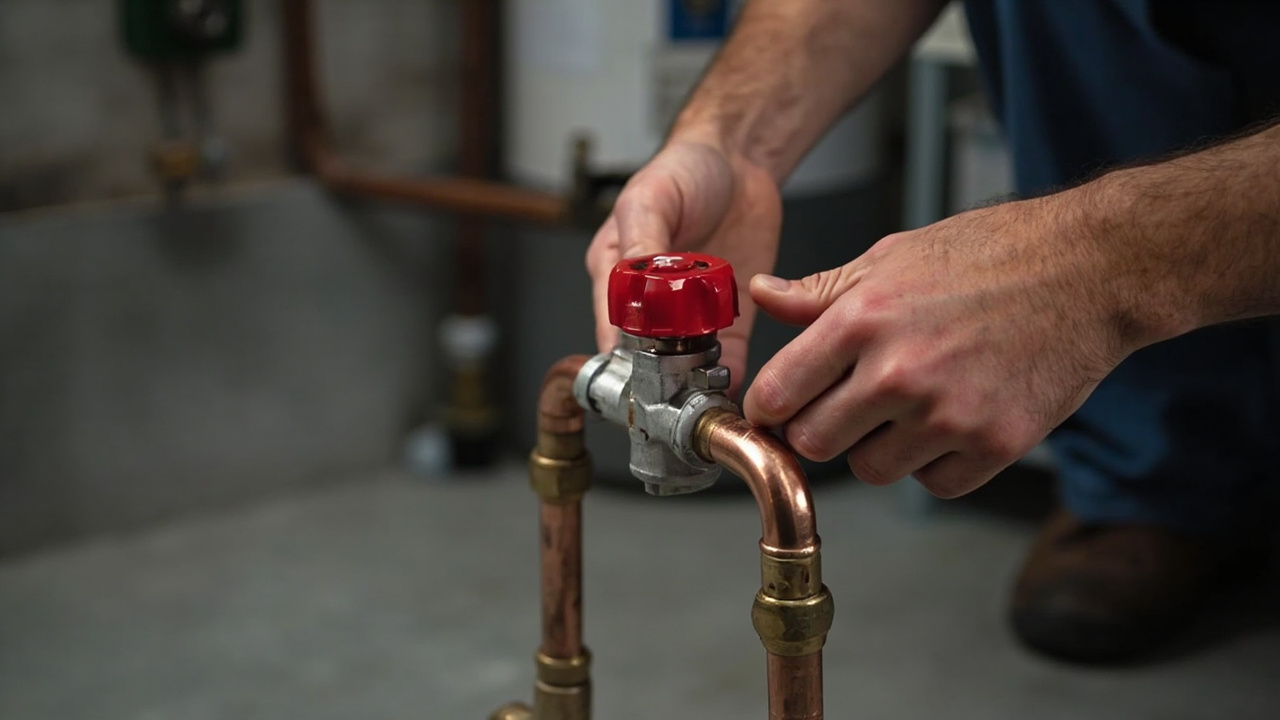
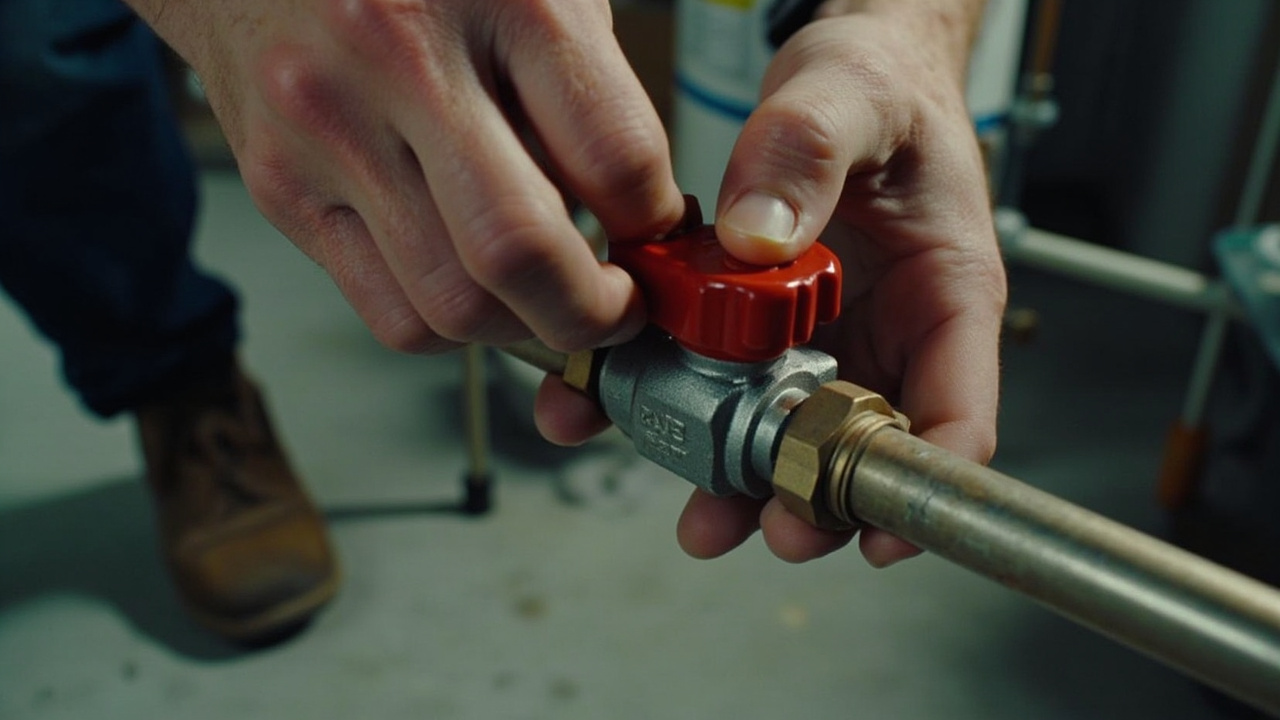
Gate valves look like a round wheel or oval handle on top of a cylindrical body. To close main water shut off valve with a gate valve, turn the handle clockwise until it stops. This can take 10 to 20 full rotations. Do not force it past the stopping point. You can damage the internal gate and cause leaks.

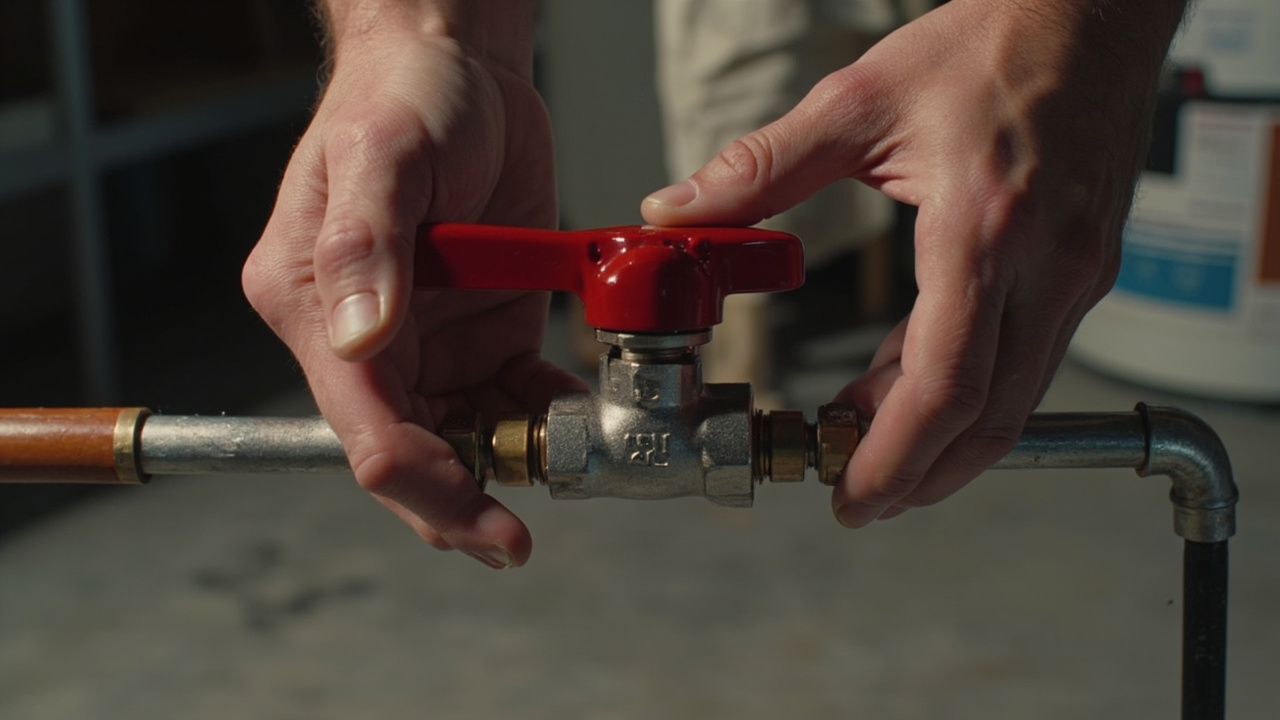
Ball valves have a lever handle. When the lever runs parallel to the pipe, water flows. To shut off water to the whole house with a ball valve, rotate the lever 90 degrees until it sits perpendicular to the pipe. This is a quarter-turn operation. Ball valves provide positive shutoff and are easier to operate in emergencies.

If your valve is stiff or corroded, do not force it during an emergency. You risk breaking the valve body and making the situation worse. Instead, shut off water at individual fixture valves to slow the leak, then call for emergency plumbing service. Regular valve maintenance prevents this. Exercise your main valve twice a year by opening and closing it fully. This keeps internal components from seizing.

What to Do When You Need to Shut Off Water Fast

How to Shut Off Main Water Valve in Cincinnati – Know Where It Is Before You Need It
01

Stop the Water Flow

Get to your main shut off valve immediately. If water is spraying or pooling, move quickly but carefully to avoid slipping. Turn a gate valve clockwise until completely closed. Rotate a ball valve handle 90 degrees perpendicular to the pipe. Do not apply excessive force. If the valve will not move, proceed to shut off individual fixture valves to reduce flow while you call for help.
02

Verify Complete Shutoff

After closing the main valve, open a faucet on the lowest floor of your home to release pressure and verify that water has stopped flowing. If water continues to run for more than 30 seconds, the valve has not closed completely. Check valve position again. Sediment or mineral buildup common in Cincinnati water can prevent full closure in neglected valves.
03

Assess and Prevent Damage

With water flow stopped, begin cleanup and assess damage extent. Take photos for insurance purposes. If the burst pipe or failed fixture is in a basement, move valuables to higher ground. Contact a licensed plumber to repair the source of the leak and inspect your main valve if it was difficult to operate or did not seal completely.

Why Cincinnati Homes Need Regular Valve Maintenance

Cincinnati water chemistry creates specific challenges for plumbing components. Our municipal water supply has moderate hardness levels, typically ranging from 120 to 180 parts per million. This mineral content causes calcium and lime deposits to accumulate inside valve bodies over time. Gate valves are particularly vulnerable. Sediment settles on the gate disc and prevents complete sealing. Rubber washers deteriorate faster in hard water conditions.

The Ohio Building Code requires accessible shut off valves, but it does not mandate regular maintenance. Most homeowners never touch their main valve until an emergency forces them to. By then, corrosion and mineral buildup can make the valve inoperable. A seized valve during a plumbing emergency turns a manageable situation into a disaster.

Homes in neighborhoods like Mount Lookout, Hyde Park, and Oakley often have plumbing systems installed between 1920 and 1960. Original gate valves in these homes are 60 to 100 years old. The packing glands leak. The stems corrode. The gates no longer seat properly. Replacement is the only reliable solution.

Professional plumbers in the Cincinnati area understand local water conditions and building stock. We see the same valve failures repeatedly: corroded brass bodies on homes near the Ohio River bottomlands where soil moisture is high, seized gates on hilltop properties in Mount Adams where water pressure exceeds 80 PSI, and cracked valve stems in Anderson Township homes with well water high in iron content.

Preventive maintenance means testing your valve twice a year and having it professionally inspected every three to five years. We verify complete shutoff capability, check for leaks at packing glands, and assess whether replacement is necessary. Modern ball valves provide superior reliability and longevity compared to old gate valves. Upgrading your main shut off is affordable insurance against emergency failure.

What Professional Valve Service Includes

Same-Day Availability for Valve Failures

When your main shut off valve fails during an emergency, you need immediate response. We dispatch plumbers to Cincinnati and surrounding Hamilton County locations within 90 minutes of your call. Emergency valve replacement typically takes 60 to 90 minutes once we arrive. We carry ball valve inventory for three-quarter inch through one-and-a-half inch copper, PEX, and CPVC lines. No waiting days for parts orders while your water remains shut off or your valve leaks.

Complete Valve Assessment and Testing

Professional valve inspection starts with visual examination of the valve body, stem, and packing gland for corrosion, cracks, or active leaks. We operate the valve through its full range of motion to assess ease of operation and verify complete shutoff. Water pressure testing confirms the valve seals properly under normal household pressure conditions. We check surrounding pipe condition, looking for signs of corrosion or stress that could lead to future failures. You receive straightforward assessment of whether your valve is reliable or needs replacement.

Professional Installation Standards

Valve replacement requires shutting off water at the curb stop, draining the system, cutting out the old valve, and installing the new valve with proper support and orientation. We use brass ball valves rated for potable water service and pressure ratings appropriate to Cincinnati municipal supply. All connections receive proper cleaning, flux application, and high-temperature silver solder for copper joints. PEX installations use expansion or crimp connections per manufacturer specifications. The system is pressure tested before restoration to service.

Education and Documentation

After valve service or replacement, we walk you through operation. You learn exactly how to turn the valve, how many rotations or degrees of movement to expect, and what complete closure feels like. We tag the valve with a service date label so future service providers know its age and type. You receive documentation of work performed, parts installed, and recommended maintenance intervals. For homes with difficult-to-access valves, we can install secondary shut offs in accessible locations for easier emergency operation.

Frequently Asked Questions

You Have Questions,
We Have Answers

How do I turn off my house main water valve? +

Locate your main water valve, usually in the basement near the front foundation wall or where the water line enters your home. Turn the valve clockwise (righty-tighty) until it stops. Gate valves require several full rotations, while ball valves only need a quarter turn. In Cincinnati homes, the valve often sits near your water meter. If you have a gate valve, do not force it. Older valves can seize. After shutting off the water, open a faucet on the lowest floor to drain residual pressure from your pipes.

Can I shut off my own water main? +

Yes, you can shut off your own water main. This is a basic homeowner skill every Cincinnati resident should know, especially for emergencies like burst pipes or major leaks. The process is straightforward. Turn the valve clockwise until it stops. You do not need special tools for most valves, though corroded or stuck valves may require a wrench. If your valve is difficult to turn or leaking, do not force it. Call a licensed plumber to replace it before you face an emergency and the valve fails completely.

Where is my main shut-off valve for water? +

In Cincinnati homes, your main shut-off valve is typically in the basement near the front wall where the water line enters from the street. Check near the water meter or along the foundation wall facing the street. In homes without basements, look in a crawl space, utility room, or garage. Some older properties have the valve in a ground box outside near the property line, though this is less common. The valve sits on the house side of the meter, between the meter and your home's plumbing system.

How do I shut off my main water system? +

Shutting off your main water system takes three steps. First, locate the main valve near your water meter or front foundation wall. Second, turn the valve clockwise until it stops completely. Gate valves need multiple full turns, while ball valves need just a quarter turn. Third, open a faucet on your lowest floor to release pressure and drain remaining water from the lines. This prevents water hammer and confirms the valve closed properly. The entire process takes under two minutes once you know where your valve sits.

Is it safe to shut off the main water valve? +

Yes, shutting off your main water valve is safe and often necessary during plumbing emergencies, repairs, or extended vacations. Turn it off completely to prevent water damage from leaks or bursts. In Cincinnati, shutting off water during winter freeze events protects your pipes. After turning it back on, open faucets slowly to prevent water hammer from sudden pressure surges. Do not leave water off for months without draining your water heater and pipes, as stagnant water can breed bacteria or cause sediment buildup in appliances.

What does a main water valve shut off look like? +

A main water valve looks like a round wheel (gate valve) or a lever handle (ball valve). Gate valves have a circular handwheel mounted on top of a brass or bronze body and require multiple clockwise turns to close. Ball valves have a straight lever handle that turns 90 degrees, parallel to the pipe when open and perpendicular when closed. Both connect directly to your water supply line, usually copper or PEX piping. In Cincinnati homes built before 1980, gate valves dominate. Newer construction typically uses ball valves for faster shutoff.

Cincinnati Freeze Cycles Make Valve Access Critical for Burst Pipe Response

Cincinnati experiences an average of 23 days per year with temperatures below 20 degrees. These deep freeze events cause pipe failures in unheated spaces, exterior hose bibs left connected, and supply lines running through exterior walls. The Ohio River valley creates humid conditions that make frost penetration unpredictable. Homes in low-lying areas near Mill Creek and the Little Miami River face higher freeze risk due to cold air pooling. When pipes burst during these freeze events, the main water shut off valve is your only defense against thousands of gallons flooding your home before help arrives.

Local plumbers who serve Cincinnati neighborhoods understand where valves are typically located in different housing stock types. We know that pre-war homes in Northside and Westwood often have main valves in basement coal rooms or behind later additions. Ranch homes built in the 1960s in Colerain Township frequently have crawl space valves that require access through exterior hatches. New construction in Liberty Township uses ball valves in mechanical rooms near water heaters. This local knowledge means faster location and service when you need emergency valve replacement or cannot find yours during a crisis.
Plumbing Services in The Cincinnati Area

We are proud to serve the entire area, providing exceptional plumbing services to our community. Our service area covers all of the city and its surrounding neighborhoods. Use the map to see our location and get directions, or simply give us a call to schedule a service. Our team is always ready to travel to your location to address your plumbing needs quickly and efficiently, ensuring you receive the prompt service you deserve.

Address:
Keystone Plumbing Cincinnati, 71 E Hollister St, Cincinnati, OH, 45219

Additional Services We Offer

Our news updates

Latest Articles & News from The Blogs

The Best Way to Add a Bidet to Your Glendale Home Without a Full Remodel Adding a bidet to your…

The Best Way to Add a Bidet to Your Glendale Home Without a Full Remodel

The Best Way to Add a Bidet to Your Glendale Home Without a Full Remodel Adding a bidet to your…

Why a Whole House Repiping Project in St. Bernard is a Smart Investment

Why a Whole House Repiping Project in St. Bernard is a Smart Investment If you own a home in St.…

Do You Know Exactly Where the Main Water Shut-Off Valve is in Your Silverton Home?

Do You Know Exactly Where the Main Water Shut-Off Valve is in Your Silverton Home? A burst pipe can dump…

Contact Us

Do not wait for an emergency to discover your main valve does not work. Call (513) 717-2899 now to schedule a valve inspection and testing service. We will verify your shut off is accessible and operational, or recommend replacement before failure leaves you defenseless against water damage.