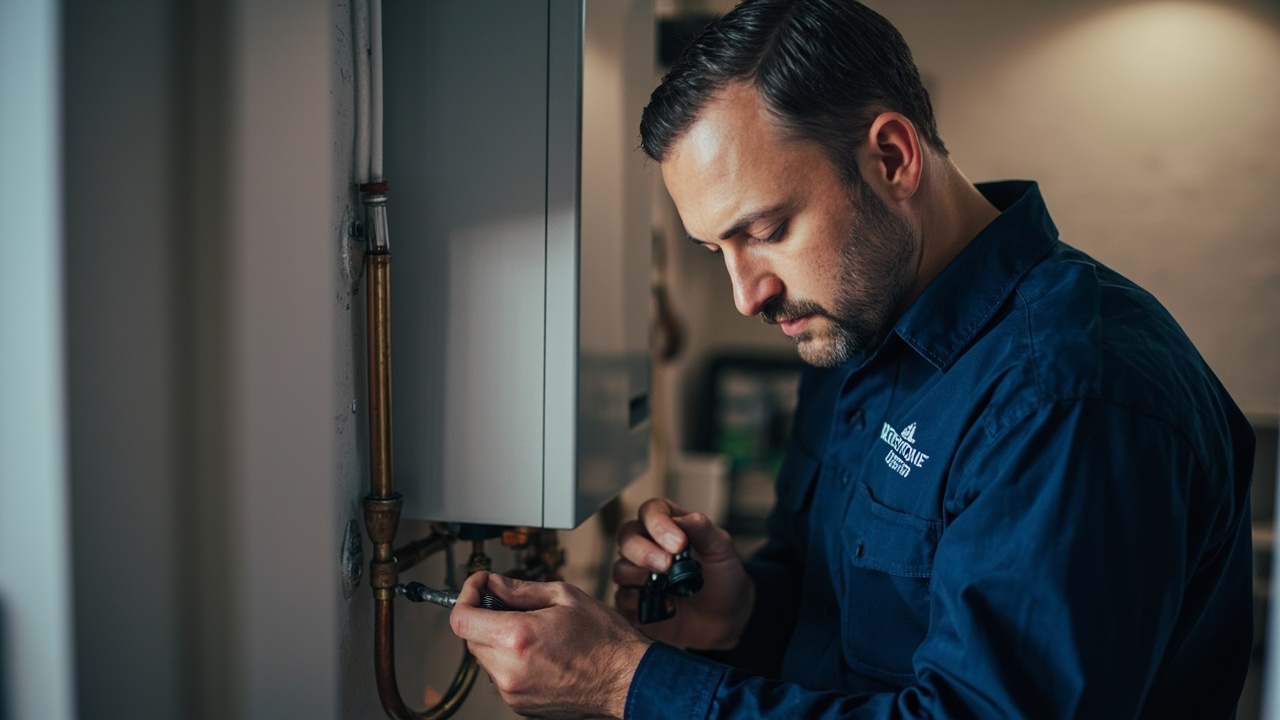
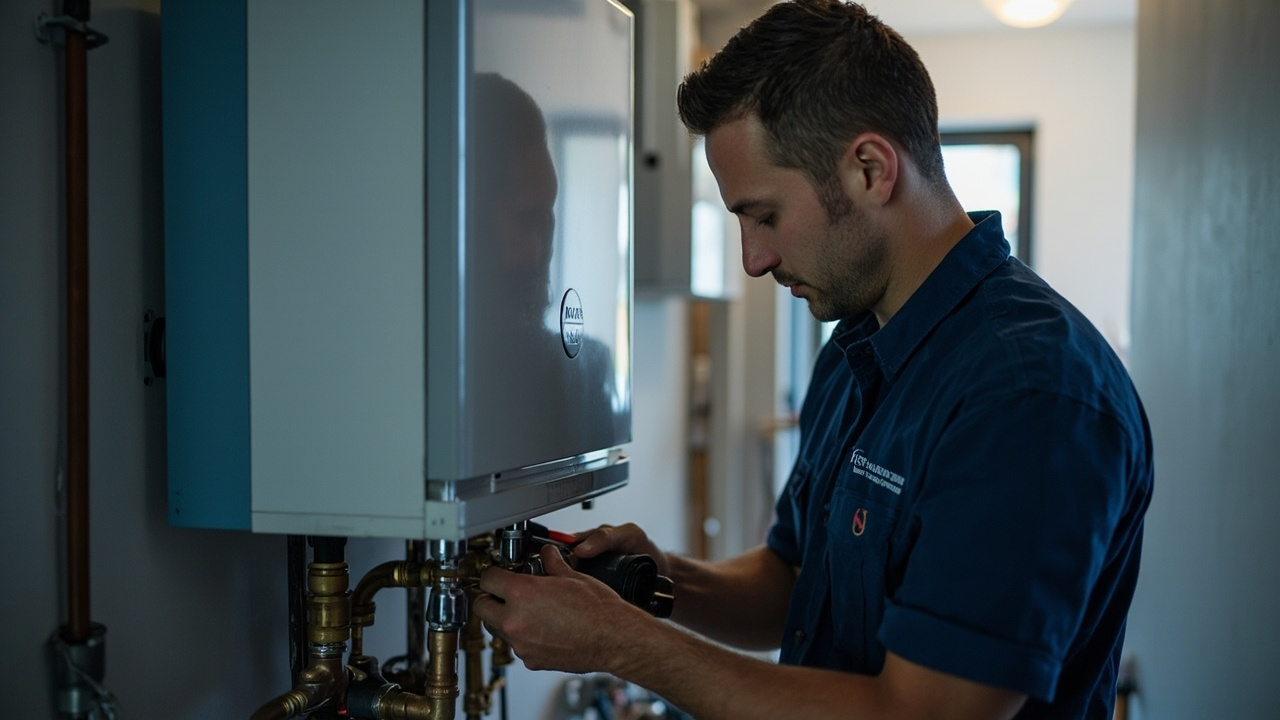
Greater Cincinnati's water supply contains 12 to 18 grains per gallon of hardness, classified as very hard by industry standards. This limestone-derived calcium and magnesium precipitates as scale when heated above 140 degrees inside tankless heat exchangers. The narrow passages required for efficient heat transfer make tankless units more vulnerable to scale buildup than traditional tank heaters. Homes without water softeners need descaling service every six to twelve months depending on usage patterns. Properties in Anderson, Montgomery, and Blue Ash areas often show faster scale accumulation due to localized geology. Proper tankless water heater maintenance with citric acid flushing prevents the flow restrictions and temperature fluctuations that lead to premature component failure.
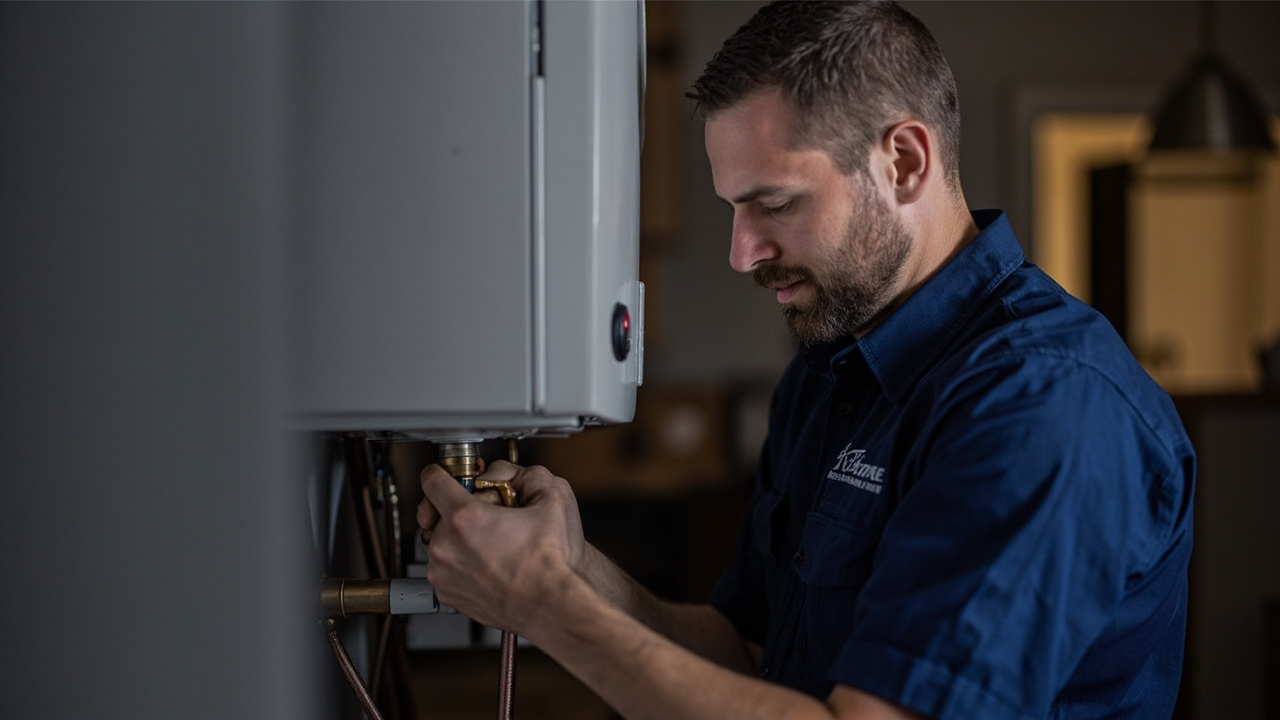
Cincinnati building codes govern tankless water heater installation through adopted versions of the International Residential Code and International Fuel Gas Code. Permits are required for most installations and replacements. Inspectors verify proper venting clearances, gas line sizing, electrical connections, and seismic restraints where applicable. Working with experienced local contractors who understand these requirements prevents failed inspections and potential safety hazards. The complexity of Cincinnati's mixed housing stock, from historic homes in Mount Adams to new developments in West Chester, demands adaptable installation approaches. Local expertise ensures your tankless water heater installation meets code requirements while delivering reliable performance specific to your property's existing infrastructure and water conditions.