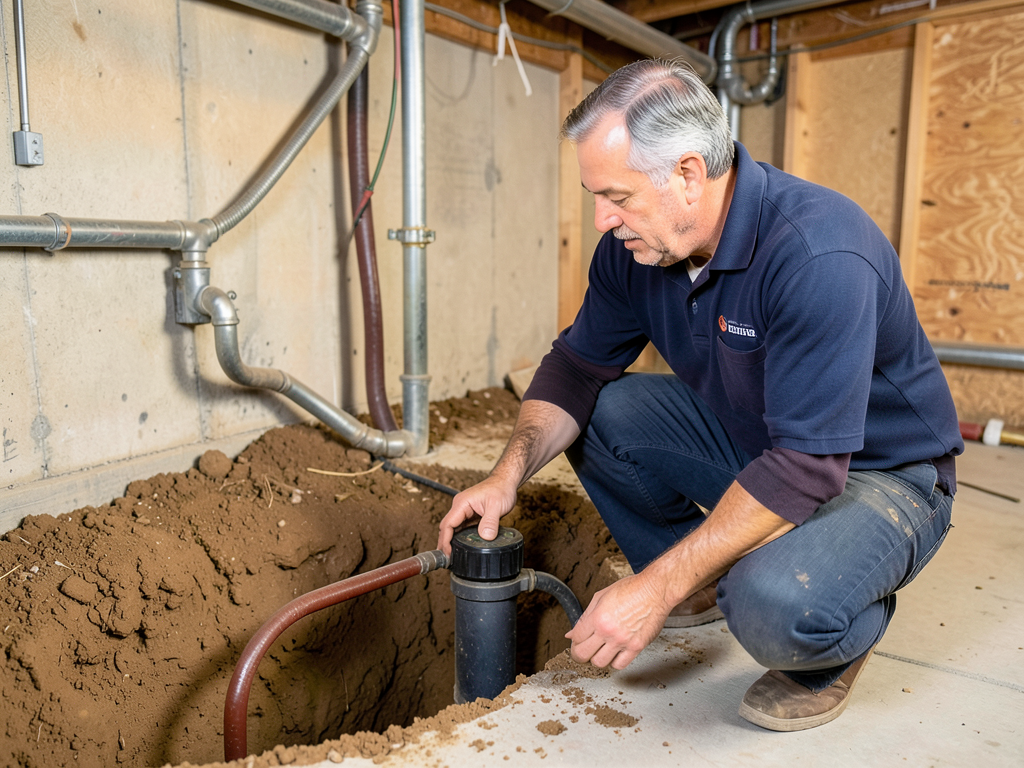


The clay soil throughout Hamilton County expands when wet and contracts during dry periods, creating constant movement around buried gas lines. This cycle stresses joints and fittings on underground gas pipe installations, especially where lines transition from buried to exposed at the foundation wall. Older properties in neighborhoods like Northside and Westwood often have original black iron gas piping that has corroded at the soil line where moisture and oxygen meet. The freeze-thaw pattern from November through March adds another stress factor as ground frost penetrates 18 to 24 inches deep, shifting soil and putting lateral pressure on rigid pipe sections that were never designed to flex.
Cincinnati building code has specific requirements for gas line installation depth, materials, and protection methods that reflect these local soil conditions. We know these standards because we work under them every day. Our familiarity with Duke Energy's service procedures means we can coordinate meter work efficiently and understand their requirements for pressure regulation at the point of delivery. When we perform gas leak repair or gas line replacement on your property, we are not learning on your job. We know which inspectors cover which parts of the city and what they prioritize during final inspection. That local knowledge keeps your project moving forward without delays or failed inspections.