
Menu

Whole Home Repiping in Cincinnati – Complete Plumbing System Replacement for Homes Built Before 1990

Keystone Plumbing Cincinnati specializes in full home repiping for older properties, replacing corroded galvanized steel and failing copper lines with modern PEX and copper systems that protect your property value and water quality.

Slider Image 1
Slider Image 2
Slider Image 3
Slider Image 4
Slider Image 5
Slider Image 7
Slider Image 8
Slider Image 9
Slider Image 10
Slider Image 11

Why Cincinnati Homes Need Whole House Repiping More Than Most Cities

Cincinnati sits on limestone bedrock, which creates naturally hard water with elevated calcium and magnesium levels. This mineral-rich water accelerates corrosion inside galvanized steel pipes, common in homes built before 1960 throughout Northside, Price Hill, and Westwood. The freeze-thaw cycles we experience each winter place additional stress on aging pipe joints, leading to pinhole leaks and sudden ruptures.

If your home was built before 1990, you are likely dealing with one of three aging pipe materials. Galvanized steel pipes corrode from the inside out, creating rust buildup that reduces water pressure and discolors your water. Copper pipes, while more durable, can still fail at solder joints, particularly in homes with aggressive water chemistry. Polybutylene pipes, installed in many Cincinnati subdivisions during the 1980s, are prone to sudden catastrophic failure.

The signs are clear. You notice brown or rust-colored water when you first turn on a faucet. Water pressure drops noticeably when multiple fixtures run simultaneously. You see water stains on ceilings or walls, indicating slow leaks inside your walls. Your water bill creeps up without explanation. These are not minor inconveniences. They are warnings that your plumbing infrastructure is failing.

A whole house repipe replaces all supply lines throughout your home, from the main water line entrance to every fixture. This is not a repair. This is a complete plumbing system replacement designed to give you 50-plus years of reliable service. House repiping eliminates the cycle of constant patch repairs and gives you control over your water quality and property protection.

Why Cincinnati Homes Need Whole House Repiping More Than Most Cities
How Full Home Repiping Works in Cincinnati Properties

How Full Home Repiping Works in Cincinnati Properties

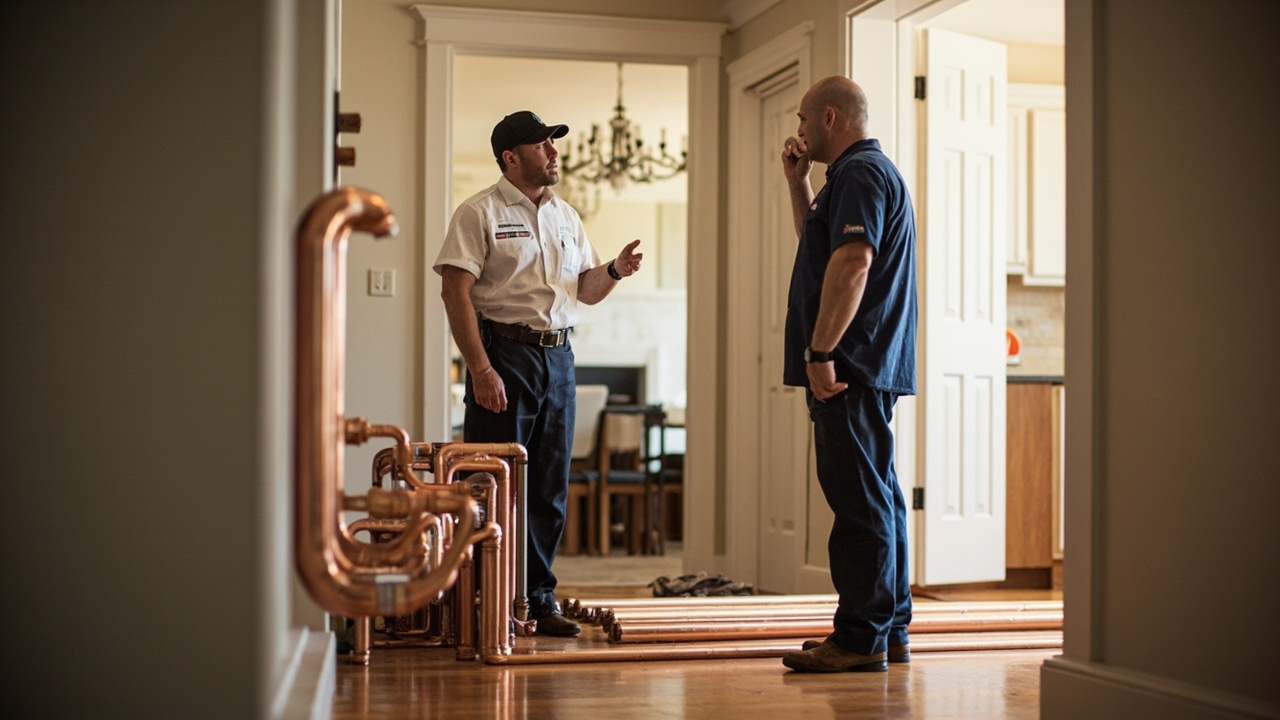
Replumbing a house requires surgical precision and detailed planning. We do not simply rip out old pipes and install new ones. We map your existing plumbing layout, identify the optimal routing for new supply lines, and determine access points that minimize wall and ceiling damage.

Modern whole house pipe replacement uses two primary materials. Cross-linked polyethylene, known as PEX, offers flexibility and freeze resistance. PEX pipes can bend around corners, reducing the number of joints and potential leak points. The material resists Cincinnati's hard water chemistry and will not corrode. We route PEX through attics, crawl spaces, and wall cavities using a manifold system that provides dedicated lines to each fixture, improving pressure and reducing wait time for hot water.

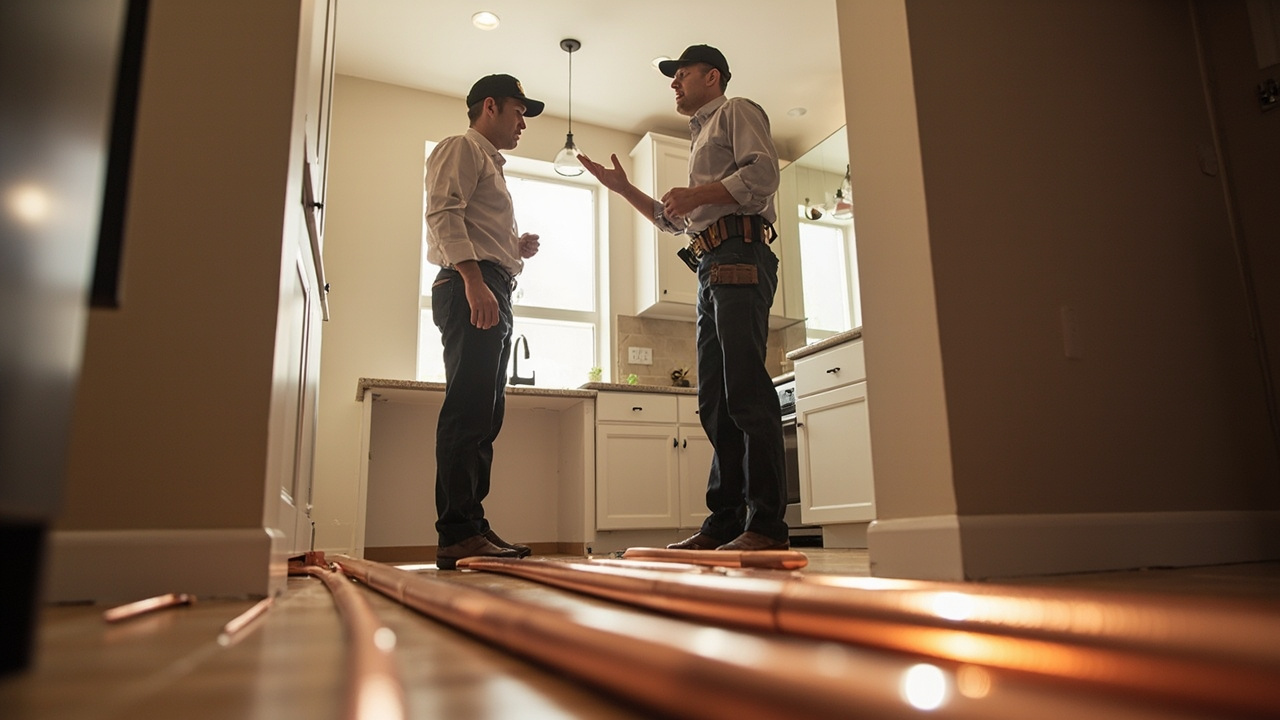
For homes where copper is preferred, we use Type L copper pipe with lead-free solder joints. Copper provides rigidity and works well in exposed applications like basements. The material has a proven track record in Cincinnati's water conditions when properly installed.

The installation process involves controlled demolition. We cut strategic access holes in walls and ceilings to reach old pipes. We remove the old supply lines in sections, then install new pipes using the most efficient routing. Each joint gets tested for leaks before we close walls. We pressure test the entire system at 100 PSI for a minimum of two hours to verify integrity.

We coordinate with your schedule to maintain water service. You will have working bathrooms and kitchen access throughout most of the project. We section the work to minimize disruption, completing one area before moving to the next. The typical full home repiping takes three to five days for a standard two-bathroom house, longer for larger properties with multiple levels.

What Happens During Your Home Repipe Project

Whole Home Repiping in Cincinnati – Complete Plumbing System Replacement for Homes Built Before 1990
01

Property Assessment and Planning

We inspect your existing plumbing layout, test water pressure at multiple fixtures, and examine pipe materials in accessible areas like your basement or crawl space. We measure wall cavities and identify the best routing paths for new supply lines. You receive a detailed scope of work that outlines access points, material specifications, and project timeline before any work begins.
02

Systematic Pipe Replacement

We install new supply lines room by room, maintaining water service to critical areas while we work. Old pipes get removed completely, not abandoned in walls. New pipes route through the most direct paths, reducing joints and improving flow. We install shutoff valves at key locations so future repairs affect only one area, not your entire house. Each section gets pressure tested before we move forward.
03

Final Testing and Restoration

After all new pipes are installed, we conduct a comprehensive system pressure test to verify every joint and connection. We flush the lines to remove any debris from installation. We restore access holes with new drywall, tape, and mud, leaving surfaces ready for your painter. You receive documentation of all work completed, including material specifications and pressure test results for your property records.

Why Cincinnati Homeowners Choose Keystone Plumbing for House Repiping

Whole house repiping is not a service you purchase frequently. You need a plumbing contractor who understands Cincinnati's housing stock, from the brick Colonials in Hyde Park to the shotgun houses in Over-the-Rhine. We have repiped homes throughout Hamilton County, and we understand the unique challenges each property type presents.

Older Cincinnati homes often have plaster walls over wood lath, not modern drywall. Cutting into these walls requires different tools and techniques to prevent extensive damage. Many homes have limited crawl space access, requiring creative routing through finished areas. Homes built on hillsides in Mount Adams or Clifton may have unusual plumbing configurations that require custom solutions.

We know Cincinnati's water chemistry. The Greater Cincinnati Water Works treats water from the Ohio River and local aquifers, but the limestone geology adds hardness. We select pipe materials and installation methods that account for these conditions. We understand local plumbing codes and permit requirements, ensuring your repipe passes inspection the first time.

The difference shows in our planning process. We spend more time in the assessment phase than most contractors because we know that proper planning prevents problems during installation. We identify potential obstacles before we start cutting walls. We discuss material options and explain the tradeoffs between PEX and copper so you can make an informed decision.

You are not hiring a crew that will disappear after installation. We operate locally, and we stand behind our work. When you call about a concern, you reach someone who knows your property and your specific installation. That accountability matters when you are investing in infrastructure that needs to last decades.

What to Expect from Your Whole Home Repiping Project

Project Timeline and Scheduling

A typical whole house repipe takes three to five days for a standard single-family home with two bathrooms. Larger homes or properties with multiple stories require additional time. We provide a detailed schedule before we start, outlining which areas we will work on each day. You will have bathroom and kitchen access throughout most of the project. We coordinate our work around your schedule, and we communicate any changes immediately. Most families stay in their homes during the repipe, though some choose to stay elsewhere for convenience.

Initial Property Evaluation

We conduct a thorough assessment of your existing plumbing system before providing a quote. This includes inspecting accessible pipes in your basement, crawl space, or utility areas. We test water pressure at multiple fixtures to identify restrictions. We examine your water heater connections and main supply line. We discuss your concerns about water quality, pressure, or recurring leaks. You receive a written proposal that outlines the scope of work, materials we will use, access points we will need, and total project cost with no hidden fees.

Quality of Completed Work

When we complete your house repiping, every fixture in your home receives water through new supply lines with no corrosion, no buildup, and no weak points. Water pressure improves noticeably because new pipes have full diameter flow with no restrictions. Hot water reaches fixtures faster because we minimize pipe runs and eliminate dead legs. You get clean water without rust or discoloration. Access holes are restored with new drywall, properly finished and ready for paint. Your property value increases because you can document a complete plumbing system replacement with materials designed to last 50-plus years.

Ongoing Support After Installation

After your whole house pipe replacement is complete, we provide documentation of all work performed, including material specifications and pressure test results. We explain how your new plumbing system works and identify shutoff valve locations for each zone. We remain available to address any questions or concerns that arise after installation. If you notice any issues with your new pipes, we respond quickly to assess and resolve them. We recommend annual water heater maintenance and periodic inspection of accessible pipes to catch any issues early, though properly installed PEX and copper systems require minimal maintenance.

Frequently Asked Questions

You Have Questions,
We Have Answers

How much does it cost to repipe a whole house? +

Whole home repiping costs vary based on home size, pipe material, and access difficulty. Factors include square footage, number of bathrooms, and whether you choose copper or PEX piping. Cincinnati's older housing stock, especially in neighborhoods like Over-the-Rhine and Hyde Park, often involves extra labor due to plaster walls and tight crawlspaces. A typical single-family home ranges from several thousand to mid-five figures. The scope includes tearing out old galvanized or corroded pipes and installing new water lines throughout. Get a detailed inspection and itemized estimate to understand your specific project needs and avoid surprise costs down the line.

How much does it cost to replace plumbing in an entire house? +

Replacing all plumbing in a house depends on home size, pipe material choice, and structural complexity. Cincinnati homes built before 1970 often have galvanized steel or cast iron pipes prone to corrosion and rust buildup. You'll pay for materials, labor, permits, and drywall repair after pipe installation. PEX piping costs less than copper but both offer long-term durability. Homes with basements, common in the Cincinnati area, sometimes allow easier access to main lines, reducing labor hours. Always request multiple quotes from licensed plumbers familiar with local building codes to compare scope and pricing before committing to the job.

Is it worth it to repipe your house? +

Yes, repiping is worth it if you face frequent leaks, low water pressure, or discolored water. Older Cincinnati homes with original galvanized pipes suffer from interior rust and blockages that restrict flow and contaminate water. Repiping prevents costly emergency repairs, water damage to floors and walls, and potential mold growth. It also increases home value and makes properties more attractive to buyers. If your home is over 50 years old and you're experiencing plumbing issues, repiping provides peace of mind and protects your investment. The upfront cost pays off through reliability, safety, and improved water quality for decades.

How much for a full replumb? +

A full replumb cost depends on home size, pipe material, and complexity. Cincinnati's housing variety, from compact bungalows in Northside to larger colonials in Indian Hill, creates a wide pricing range. Copper piping costs more than PEX but offers proven longevity. Labor includes removing old pipes, installing new lines, pressure testing, and patching walls or ceilings. Homes with slab foundations or limited crawlspace access require more time and skill. Permits and inspections add to the total. Request a detailed scope of work and transparent pricing from a licensed plumber to understand what the project includes and avoid hidden fees.

Does repiping lower insurance? +

Repiping can lower homeowners insurance premiums in some cases. Insurers view new plumbing as reduced risk for water damage claims, especially if you replace old galvanized or polybutylene pipes known for failures. Cincinnati's freeze-thaw cycles stress aging pipes, increasing leak potential. After repiping, contact your insurance agent to update your policy and request a discount. Some carriers require documentation like permits or receipts. While not every insurer offers discounts, the investment in new pipes reduces your claim risk and protects your home from catastrophic water damage, which saves money long-term even without premium reductions.

What is the most expensive plumbing job? +

Whole home repiping ranks among the most expensive plumbing jobs due to scope and labor intensity. The project involves accessing pipes behind walls, under floors, and in ceilings throughout the entire home. Cincinnati's older housing stock, with lath-and-plaster construction, adds demolition and restoration costs. Other costly jobs include sewer line replacement, especially if trenching through mature tree roots or navigating clay soil common in the region. Main line repairs under streets require permits and excavation. Bathroom gut renovations with full fixture replacement also run high. The key cost driver is labor hours and access difficulty, not just materials.

What is the cheapest way to repipe a house? +

The cheapest way to repipe a house is using PEX piping instead of copper and doing partial repiping where possible. PEX costs less per foot, installs faster, and works well in Cincinnati's temperature fluctuations. If only certain sections show corrosion or leaks, replace those runs instead of the entire system. Schedule work during off-peak seasons when plumbers have more availability. Keep walls and ceilings intact by routing pipes through basements or crawlspaces when accessible. Get multiple quotes from licensed plumbers to compare labor rates. Avoid cutting corners on quality, though, as poor workmanship leads to expensive repairs later.

Does homeowners insurance cover pipe replacement? +

Standard homeowners insurance typically does not cover pipe replacement due to age or wear. Policies cover sudden, accidental damage like burst pipes from freezing, but not gradual deterioration or maintenance issues. If a pipe bursts and damages your walls or floors, insurance may cover the resulting water damage but not the pipe repair itself. Cincinnati's winter freezes can cause covered burst pipe incidents, but corroded galvanized pipes fail from neglect, which is excluded. Review your policy details and ask your agent about coverage limits. Preventive repiping is your responsibility as a homeowner, not an insurable event.

How much does plumbing cost for a 2500 sq ft house? +

Plumbing costs for a 2,500 square foot house depend on whether you need full repiping, fixture replacement, or new construction rough-in. For whole home repiping in Cincinnati, expect costs based on bathroom count, pipe material, and access difficulty. Homes in areas like Mason or West Chester with basements allow easier pipe routing than slab foundations. New construction plumbing costs less than retrofit work due to open walls. Multi-story homes require more vertical piping and labor. The scope includes water supply lines, drain lines, and fixture connections. Get a detailed estimate based on your home's layout and specific needs.

What is the 30% rule for renovations? +

The 30% rule for renovations suggests that home improvement costs should not exceed 30% of your home's current value to maintain good return on investment. For example, if your Cincinnati home is worth $300,000, keep total renovation spending under $90,000. This rule helps prevent over-improving for your neighborhood. Repiping is infrastructure work that protects value but may not offer flashy ROI like kitchen remodels. However, in older Cincinnati neighborhoods, updated plumbing is expected by buyers and prevents deal-breaking inspection issues. Weigh the 30% guideline against necessity, especially for critical systems like plumbing, electrical, or roofing.

How Cincinnati's Hard Water and Freeze Cycles Damage Aging Pipes

Cincinnati's water supply contains 12 to 16 grains per gallon of hardness, significantly higher than the national average. This calcium and magnesium content reacts with galvanized steel pipes, accelerating interior corrosion and creating restrictive scale buildup. The Ohio River valley climate subjects pipes to winter temperatures that regularly drop below freezing, then warm above 40 degrees, creating expansion and contraction stress at joints. Homes in neighborhoods like Mount Lookout and Oakley, built during the post-war construction boom, face the combined effects of 60-plus years of hard water exposure and thousands of freeze-thaw cycles. This combination creates the perfect conditions for pipe failure, making whole house repiping essential for protecting your property and water quality.

Cincinnati enforces the International Plumbing Code with local amendments specific to Hamilton County. Any whole house repipe requires a permit and inspection to verify proper materials, correct pipe sizing, and adequate support. Working with a local plumbing contractor who understands these requirements prevents delays and failed inspections. We pull permits for every full home repiping project and coordinate inspection scheduling with Hamilton County building officials. Our familiarity with local inspectors and their specific focus areas means your project passes inspection the first time, avoiding costly rework or project delays that leave your walls open longer than necessary.
Plumbing Services in The Cincinnati Area

We are proud to serve the entire area, providing exceptional plumbing services to our community. Our service area covers all of the city and its surrounding neighborhoods. Use the map to see our location and get directions, or simply give us a call to schedule a service. Our team is always ready to travel to your location to address your plumbing needs quickly and efficiently, ensuring you receive the prompt service you deserve.

Address:
Keystone Plumbing Cincinnati, 71 E Hollister St, Cincinnati, OH, 45219

Additional Services We Offer

Our news updates

Latest Articles & News from The Blogs

Why a Whole House Repiping Project in St. Bernard is a Smart Investment If you own a home in St.…

Why a Whole House Repiping Project in St. Bernard is a Smart Investment

Why a Whole House Repiping Project in St. Bernard is a Smart Investment If you own a home in St.…

Do You Know Exactly Where the Main Water Shut-Off Valve is in Your Silverton Home?

Do You Know Exactly Where the Main Water Shut-Off Valve is in Your Silverton Home? A burst pipe can dump…

Protecting the Exposed Plumbing in Your Madisonville Crawl Space From Rodents and Cold

Protecting the Exposed Plumbing in Your Madisonville Crawl Space From Rodents and Cold \n\n Exposed pipes in Madisonville crawl spaces…

Contact Us

Call Keystone Plumbing Cincinnati at (513) 717-2899 to schedule your whole home repiping assessment. We provide detailed quotes with no surprise fees and complete projects on schedule. Your plumbing system should work for you, not against you.