Menu

Faucet & Sink Repair in Cincinnati | Fast Fixes for Every Fixture in Your Home

From dripping bathroom taps to clogged kitchen drains, Keystone Plumbing Cincinnati delivers precision faucet and sink repair for homes across the greater Cincinnati metro, restoring full function and stopping water waste fast.

Slider Image 1
Slider Image 2
Slider Image 3
Slider Image 4
Slider Image 5
Slider Image 7
Slider Image 8
Slider Image 9
Slider Image 10
Slider Image 11

Why Cincinnati Faucets and Sinks Fail Faster Than You Think

Cincinnati's hard water is brutal on your fixtures. High mineral content in the Ohio River watershed means calcium and magnesium build up inside faucet aerators, valve seats, and drain assemblies faster than in softer water regions. You see it as white scale on chrome. You feel it when the hot water handle sticks or the cold side drips all night.

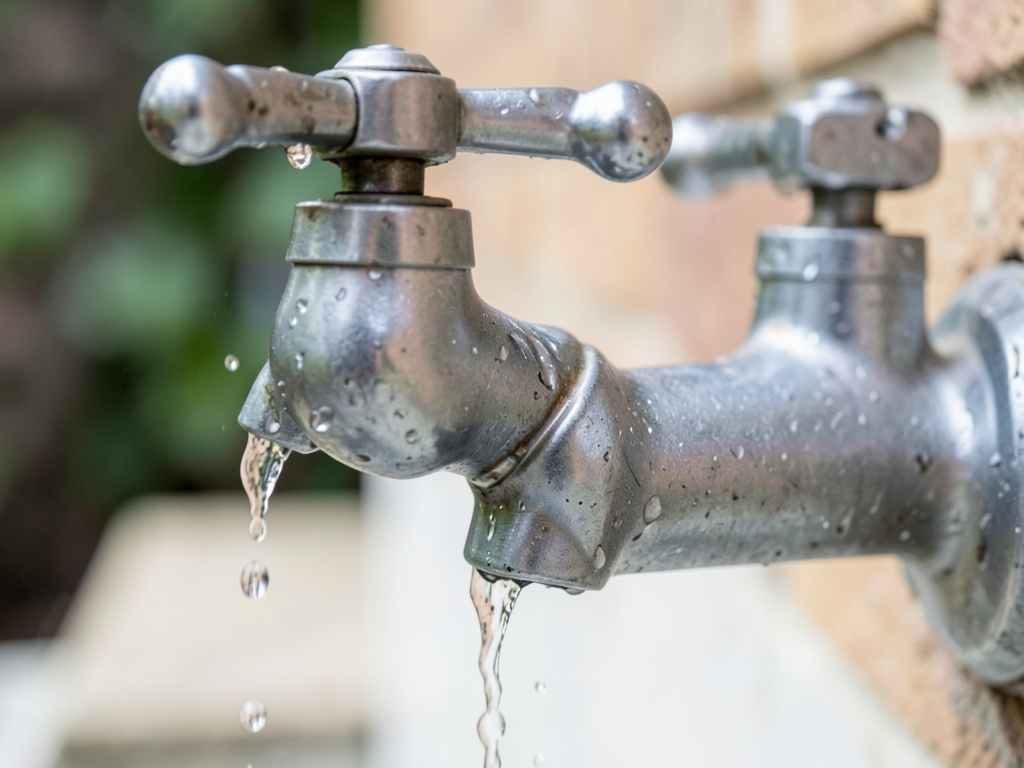
That drip is not just annoying. A single leaking faucet wastes up to 3,000 gallons per year. In a city where water and sewer rates climb annually, that leak costs you real money. Kitchen sink repair becomes urgent when you notice pooling under the cabinet or a slow drain that backs up during dinner prep. Bathroom faucet repair often starts as a minor annoyance but escalates to valve stem failure or corroded supply lines if ignored.

Freeze-thaw cycles in Cincinnati winters stress pipes and fixtures. When temperatures drop into the teens, water expands inside valve bodies and cracks ceramic disc cartridges. You wake up to a faucet that won't shut off or a sink that drains at a crawl because the P-trap froze overnight and shifted.

Fixing leaky faucets and broken tap repair is not a weekend project when you factor in Cincinnati's specific water chemistry and seasonal extremes. The wrong washer material or an improperly torqued compression nut turns a simple fix into a flooded vanity. Sink fixture repair demands an understanding of local supply line configurations and code-compliant shutoff valve placement. You need someone who knows how Cincinnati homes are plumbed.

Why Cincinnati Faucets and Sinks Fail Faster Than You Think
How We Diagnose and Repair Faucets and Sinks the Right Way

How We Diagnose and Repair Faucets and Sinks the Right Way

We start every job with a pressure test and a visual inspection of the supply lines, shutoff valves, and drain assembly. Most homeowners call about a drip, but the real issue is often upstream. A leaking faucet might trace back to a failed angle stop or a corroded braided supply hose. We check water pressure at the fixture and compare it to your home's main line. High pressure accelerates wear on cartridge seals and O-rings.

For kitchen sink repair, we inspect the basket strainer, tailpiece, and continuous waste assembly. Cincinnati homes built before 1990 often have galvanized drain pipes that corrode from the inside out. If your sink drains slow, we scope the line to check for buildup or pipe failure before we pull the trap. No guessing.

Bathroom faucet repair requires identifying the valve type first. Compression, cartridge, ball, and ceramic disc faucets all fail differently. We carry OEM parts for Moen, Delta, Kohler, American Standard, and Pfister because aftermarket components do not seal properly in high-mineral water. We replace valve seats, springs, and cartridges as matched sets to prevent premature failure.

Broken tap repair often means dealing with a seized bonnet nut or a corroded stem that snaps when you try to turn it. We use penetrating oil and controlled heat to avoid damaging the fixture body. If the faucet is beyond repair, we recommend a replacement that matches your existing hole configuration and handles Cincinnati's water profile. We do not upsell you into a full remodel when a cartridge swap solves the problem.

What Happens When You Call Us for Faucet or Sink Repair

Faucet & Sink Repair in Cincinnati | Fast Fixes for Every Fixture in Your Home
01

Initial Assessment

We arrive with a full diagnostic toolkit and start by shutting off the water supply at the fixture or main line. You walk us through the problem while we inspect the faucet body, handles, spout, and drain assembly. We test water pressure, check for leaks under the sink, and identify the valve type. This takes 10 minutes and tells us exactly what parts and labor the job requires.
02

Repair or Replace

If the cartridge, O-ring, or valve seat is worn, we replace it with an OEM part that matches your faucet model. For sink fixture repair, we pull the drain assembly, clean out mineral buildup, and reseal it with plumber's putty or silicone. If the faucet body is cracked or the finish is corroded beyond repair, we explain your replacement options and install a new unit that fits your existing sink holes.
03

Testing and Cleanup

We turn the water back on and run the faucet through hot and cold cycles to confirm no leaks at the base, handles, or supply connections. We check drain flow and inspect under the sink for moisture. You get a clear explanation of what we fixed, why it failed, and how to maintain it. We haul away old parts and leave your sink area cleaner than we found it.

Why Cincinnati Homeowners Choose Keystone Plumbing for Faucet and Sink Repairs

We have been fixing leaky faucets and repairing kitchen and bathroom sinks in Cincinnati long enough to know how local water conditions affect fixture longevity. Hard water is a constant issue here, and we stock parts that resist mineral buildup better than standard hardware store components. Our trucks carry valve cartridges, supply lines, and drain assemblies for the most common faucet brands in Cincinnati homes.

You do not wait three days for an appointment. We schedule most repairs within 24 hours and often arrive same-day for urgent leaks. A dripping faucet might seem minor, but it wastes water, damages cabinet finishes, and signals bigger problems in your supply line or valve assembly. We treat every call with the same urgency because we know what a small leak can become if ignored.

Our technicians understand Cincinnati's plumbing codes and the quirks of homes in neighborhoods like Hyde Park, Mount Adams, and Oakley. Older homes have brass fittings and lead-free solder joints that require specific techniques. Newer builds in West Chester or Mason use PEX supply lines and quick-connect fittings that fail differently. We adjust our approach based on your home's age and plumbing configuration.

We give you a flat-rate price before we start work. No surprises. If we find a secondary issue like a corroded shutoff valve or a cracked P-trap, we explain the problem and the cost to fix it. You decide if you want it done now or later. We do not pressure you into unnecessary work, and we do not start a job without your approval on the final price.

What You Get When We Handle Your Faucet or Sink Repair

Fast Response Times

Most faucet and sink repairs are handled within 24 hours of your call. We keep common parts in stock so we do not need to order components or make a second trip. If you have an active leak causing water damage, we prioritize your job and often arrive the same day. Our goal is to stop the problem fast and restore normal function to your kitchen or bathroom without dragging the job across multiple visits. You schedule a time that works for you, and we show up on time with everything we need to complete the repair in one visit.

Thorough Fixture Diagnosis

We do not assume the obvious problem is the only problem. A dripping faucet might be a worn cartridge, but it could also be high water pressure or a failing pressure-reducing valve upstream. We test the entire system before we pull parts. For kitchen sink repair, we inspect the garbage disposal connection, dishwasher drain line, and vent stack to make sure a slow drain is not caused by a clog further down the line. You get a clear explanation of what failed, why it failed, and what we recommend to prevent it from happening again.

Durable, Code-Compliant Repairs

We use manufacturer-spec parts and follow Cincinnati building codes for all installations. That means lead-free brass fittings, properly rated supply lines, and code-compliant shutoff valves. We do not cut corners with universal parts that wear out in six months. When we replace a faucet cartridge or rebuild a drain assembly, we use components designed for Cincinnati's hard water and pressure conditions. The repair lasts because we use the right parts and install them correctly. You get a fixture that works like new and holds up under daily use.

Clear Maintenance Guidance

After we finish the repair, we walk you through basic maintenance steps to extend the life of your faucet and sink. That includes cleaning aerators every few months to prevent mineral buildup, checking supply lines for corrosion, and knowing when to call us instead of forcing a stuck handle. We explain warning signs like reduced water pressure, whistling noises, or slow drainage so you can catch problems early. You do not need to guess when something is wrong. We give you the knowledge to spot issues before they turn into emergencies.

Frequently Asked Questions

You Have Questions,
We Have Answers

How much do plumbers charge to fix a faucet? +

Plumbers in Cincinnati typically charge between a service call fee and an hourly rate for faucet repairs. Costs depend on the issue, the faucet type, and whether parts need replacing. A simple washer replacement runs less than a full cartridge swap or valve seat repair. Older homes in neighborhoods like Mount Adams or Hyde Park often have outdated fixtures that complicate repairs, increasing labor time. Most jobs finish within an hour. Call a licensed plumber for an upfront quote. Avoid flat-rate quotes over the phone without a visual inspection, the diagnosis matters.

How can I get my faucet to stop dripping? +

A dripping faucet usually means a worn washer, O-ring, or cartridge. For compression faucets, shut off the water supply, remove the handle, and replace the rubber washer inside the valve seat. Cartridge faucets need the entire cartridge pulled and swapped. If you see mineral buildup from Cincinnati's hard water, clean the valve seat with vinegar. Tighten all connections after reassembly. If the drip persists, the valve seat itself may be corroded or pitted. That requires reseating or replacement. Call a plumber if you lack the tools or confidence.

How do I know if my faucet cartridge needs replacing? +

If your faucet leaks from the spout even when fully closed, the cartridge likely failed. Other signs include difficulty turning the handle, inconsistent water temperature, or reduced water flow. Single-handle faucets in Cincinnati homes often use ceramic disc or cartridge valves that wear out after years of mineral exposure. Remove the handle and inspect the cartridge for cracks, discoloration, or calcium buildup. If cleaning does not restore function, replace it. Match the brand and model exactly. Cartridges are not universal. A plumber can identify the correct part fast.

What does spraying WD-40 in a faucet do? +

Spraying WD-40 into a faucet loosens mineral deposits and lubricates moving parts like cartridges or valve stems. It helps free stuck handles or stubborn screws during disassembly. However, WD-40 is not a long-term fix. It does not repair worn washers, damaged O-rings, or cracked cartridges. Cincinnati's hard water causes calcium and lime buildup that WD-40 temporarily dissolves, but the problem returns. Use it as a short-term aid during repairs, not a permanent solution. For persistent issues, replace the faulty component or call a plumber to diagnose the root cause.

How much does Home Depot charge to replace a faucet? +

Home Depot's installation services for faucet replacement vary by location and complexity. Expect charges for labor, removal of the old faucet, and installation of the new one. They subcontract to local installers, so pricing depends on the contractor and the job scope. Undermount sinks, widespread faucets, or corroded supply lines add cost. Cincinnati homeowners should compare quotes from independent licensed plumbers who often match or beat big-box pricing and provide faster service. Always confirm whether the quote includes haul-away, supply line replacement, and any necessary valve work before committing.

What is the average lifespan of a faucet? +

A quality faucet lasts 15 to 20 years with proper maintenance. Budget models may fail in 8 to 10 years. Lifespan depends on water quality, usage frequency, and build quality. Cincinnati's hard water accelerates wear on internal components like cartridges, washers, and aerators. Brass and stainless steel bodies outlast plastic or zinc alloy. Single-handle cartridge faucets typically need cartridge replacement every 10 years. Compression faucets require washer changes more often. Regular cleaning and prompt repairs extend life. If your faucet predates 2005, consider upgrading to a water-efficient model.

What is the most common cause of a dripping faucet? +

A worn washer or O-ring causes most dripping faucets. In compression faucets, the rubber washer inside the valve seat deteriorates from repeated use and hard water exposure. When it no longer seals tightly, water leaks past and drips from the spout. Cartridge and ceramic disc faucets drip when internal seals crack or mineral deposits prevent proper closure. Cincinnati's high mineral content speeds up seal degradation. Replacing the washer or cartridge stops the drip. Ignoring it wastes water and can damage the valve seat, requiring costlier repairs.

Is a dripping faucet a plumbing emergency? +

A dripping faucet is not an emergency, but it is not harmless. It wastes water, raises utility bills, and can damage the valve seat or basin over time. Rust stains and mineral buildup follow. If the drip comes from the base or handle, not the spout, you may have a cracked cartridge or loose connection that worsens fast. In Cincinnati's older homes, a persistent leak can signal corroded supply lines or valve failure. Schedule a repair soon. A small drip turns into a steady stream without warning, causing water damage and higher costs.

How to remove a bathroom faucet handle with no visible screws? +

Many modern faucet handles hide screws under decorative caps or buttons. Pry off the cap with a flathead screwdriver or utility knife, then unscrew the exposed screw. Some handles use a setscrew on the underside or back, requiring an Allen wrench. If you see no screws at all, the handle likely twists off counterclockwise or pulls straight up after loosening a collar. Cincinnati's older homes may have corroded screws that snap during removal. Apply penetrating oil and let it sit before forcing anything. If stuck, call a plumber to avoid breaking the fixture.

Can I replace a faucet cartridge myself? +

Yes, if you have basic tools and can identify the correct replacement cartridge. Shut off the water supply, remove the handle and retaining clip, then pull the old cartridge straight out. Install the new one in the same orientation and reassemble. Cincinnati's hard water makes cartridges stick, so use pliers carefully. Mismatched cartridges cause leaks or handle malfunction. If you strip threads, crack the housing, or cannot locate the shutoff valve, stop and call a plumber. DIY saves money on simple swaps, but mistakes cost more to fix than hiring a pro upfront.

How Cincinnati's Hard Water Accelerates Faucet and Sink Problems

Cincinnati pulls most of its water from the Ohio River and local aquifers, both of which carry high mineral loads. Calcium and magnesium dissolve into the supply and deposit inside valve seats, aerators, and drain pipes. You see it as white crust on your faucet spout and feel it when the handle requires more force to turn. Over time, mineral buildup corrodes rubber washers, clogs aerator screens, and etches valve cartridges. Faucet and sink repair in Cincinnati is not just about fixing broken parts. It is about addressing the root cause, which is often water chemistry, not wear and tear.

Keystone Plumbing Cincinnati knows how local water conditions affect your fixtures because we work on homes across Hamilton County every day. We understand which faucet brands hold up best in hard water and which drain configurations clog fastest. Our technicians are trained on Cincinnati's residential plumbing codes and the specific challenges of homes in older neighborhoods like Clifton and Columbia-Tusculum, where galvanized pipes and outdated supply lines are still common. When you hire a local plumber who knows this city, you get repairs that last because we account for the unique factors that cause fixtures to fail here.
Plumbing Services in The Cincinnati Area

We are proud to serve the entire area, providing exceptional plumbing services to our community. Our service area covers all of the city and its surrounding neighborhoods. Use the map to see our location and get directions, or simply give us a call to schedule a service. Our team is always ready to travel to your location to address your plumbing needs quickly and efficiently, ensuring you receive the prompt service you deserve.

Address:
Keystone Plumbing Cincinnati, 71 E Hollister St, Cincinnati, OH, 45219

Additional Services We Offer

Our news updates

Latest Articles & News from The Blogs

Why a Whole House Repiping Project in St. Bernard is a Smart Investment If you own a home in St.…

Why a Whole House Repiping Project in St. Bernard is a Smart Investment

Why a Whole House Repiping Project in St. Bernard is a Smart Investment If you own a home in St.…

Do You Know Exactly Where the Main Water Shut-Off Valve is in Your Silverton Home?

Do You Know Exactly Where the Main Water Shut-Off Valve is in Your Silverton Home? A burst pipe can dump…

Protecting the Exposed Plumbing in Your Madisonville Crawl Space From Rodents and Cold

Protecting the Exposed Plumbing in Your Madisonville Crawl Space From Rodents and Cold \n\n Exposed pipes in Madisonville crawl spaces…

Contact Us

Call Keystone Plumbing Cincinnati at (513) 717-2899 to schedule your faucet or sink repair. We respond fast, diagnose accurately, and fix it right the first time. No guessing. No return trips. Just reliable repairs that last.