

Menu

Slab Leak Detection & Repair in Cincinnati | Expert Diagnosis Before the First Shovel Hits Concrete

Precision electronic leak detection and minimally invasive slab leak repair protect your foundation without tearing apart your home. Serving Cincinnati homeowners with advanced leak location technology and targeted concrete slab water leak repair.

Slider Image 1
Slider Image 2
Slider Image 3
Slider Image 4
Slider Image 5
Slider Image 7
Slider Image 8
Slider Image 9
Slider Image 10
Slider Image 11

Why Cincinnati Homes Face Hidden Threats Under Their Concrete Slabs

You notice a warm spot on your floor. Your water bill jumped 40% last month. You hear water running when nothing's turned on. These are the warning signs of a slab leak, and they're more common in Cincinnati than most homeowners realize.

Cincinnati's expansive clay soil creates a perfect storm for foundation leak detection and repair needs. The Ohio Valley's freeze-thaw cycles cause soil expansion and contraction that shifts concrete slabs, stressing the copper and PEX water lines running beneath your foundation. When temperatures drop below freezing 40 to 50 days per year, then spike to 90-degree summer heat, your home's foundation moves. The pipes embedded in that concrete move with it.

Older homes in neighborhoods like Mount Adams, Clifton, and Hyde Park were built with copper supply lines cast directly into concrete slabs. These homes, constructed before building codes changed in the 1980s, are reaching the age where corrosion and pressure stress cause pinhole leaks and full line failures. You can't see the problem until damage spreads to flooring, drywall, or your foundation itself.

Under slab plumbing repair isn't just about fixing a leak. It's about stopping mold growth in your subfloor, preventing foundation cracking, and avoiding thousands in structural damage. Cincinnati's relatively high water table in low-lying areas near the Mill Creek and Ohio River compounds the problem. When a slab leak goes undetected, groundwater pressure can worsen the damage, causing concrete erosion beneath your home. The warm, damp environment creates ideal conditions for mold to spread through floor joists and wall cavities.

Fixing leaks under foundation requires precise detection before any concrete gets cut. Guesswork leads to multiple access points, destroyed flooring, and unnecessary repair costs.

Why Cincinnati Homes Face Hidden Threats Under Their Concrete Slabs
How We Pinpoint Slab Leaks Without Destroying Your Home

How We Pinpoint Slab Leaks Without Destroying Your Home

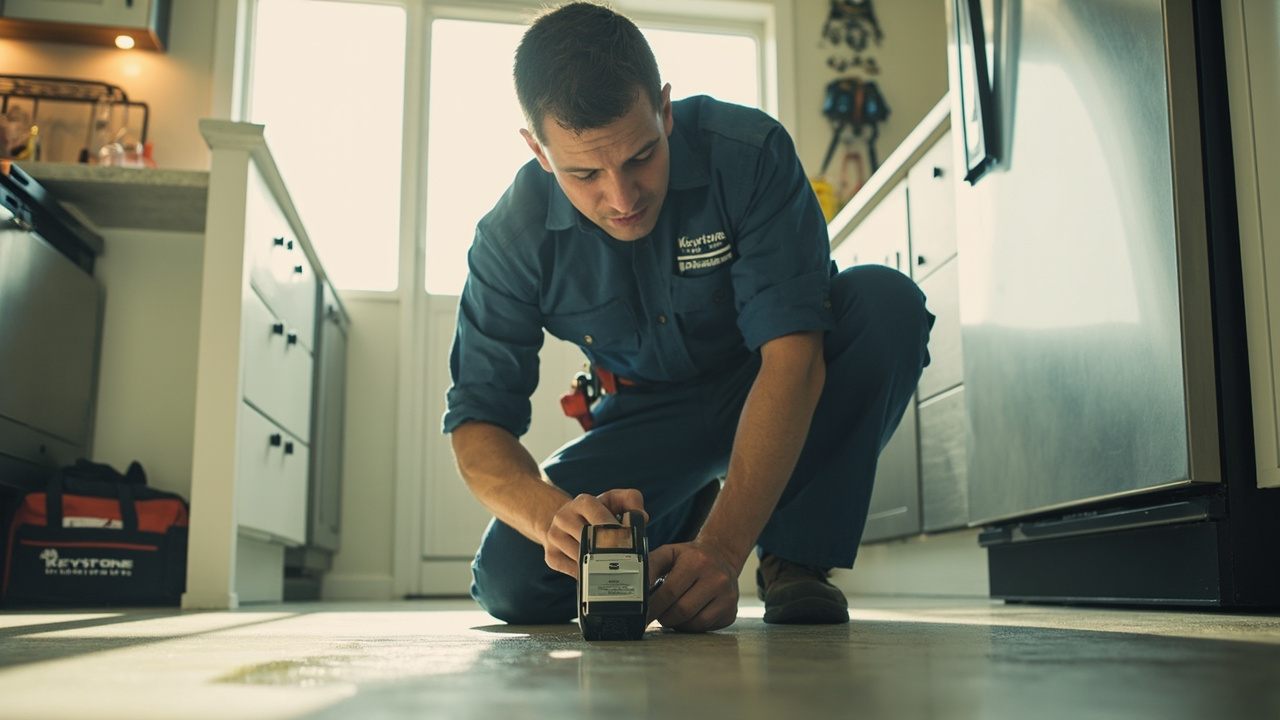
Slab foundation leak services start with electronic leak detection, not jackhammers. We use a combination of acoustic listening devices, pressure testing, and infrared thermal imaging to locate the exact leak point beneath your concrete. This eliminates exploratory demolition and targets the smallest possible access area.

Our acoustic amplification equipment detects the high-frequency sound of water escaping pressurized supply lines through concrete. We map your plumbing layout using the home's original construction records or by tracing visible supply points. After isolating sections of your under-slab system, we pressurize each zone and listen for leak signatures. The sound profile tells us if you're dealing with a pinhole leak, a corroded coupling, or a full line break.

Thermal imaging confirms the acoustic findings. We scan your floor surface for temperature differentials. Hot water supply leaks create warm zones. Cold water leaks show as cool spots on the infrared camera. We mark the exact location before a single tool touches your concrete.

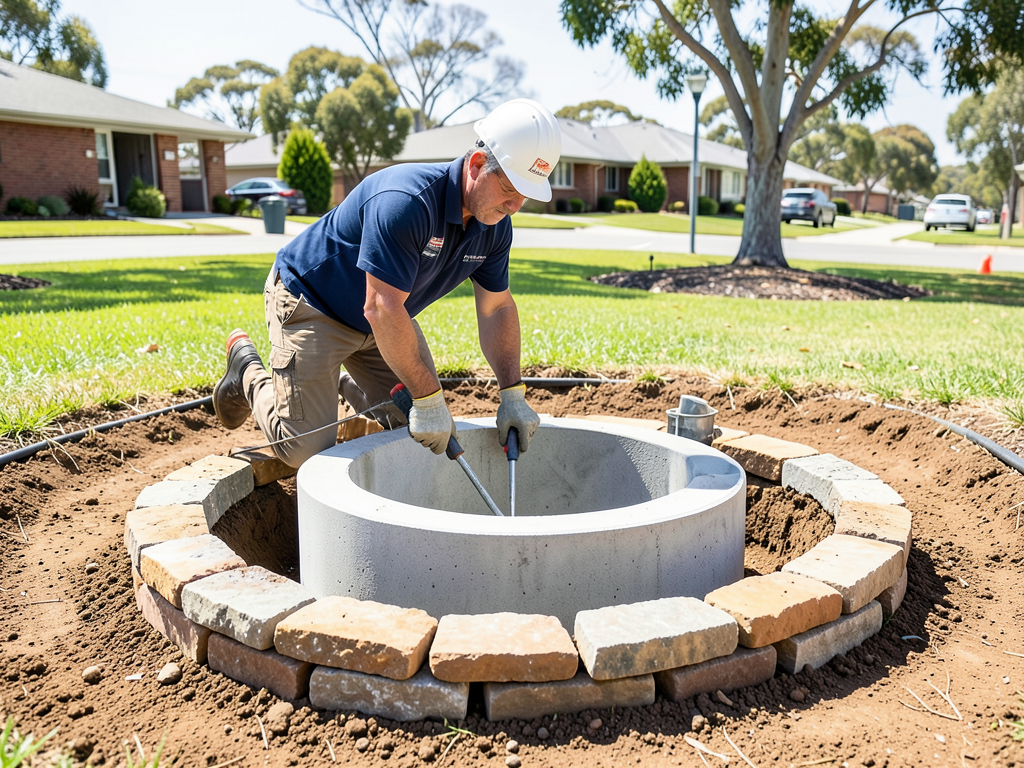
For concrete slab water leak repair, we cut precision access ports through your flooring and foundation, typically 12 to 18 inches square. This gives us room to excavate beneath the slab, expose the damaged pipe section, and make permanent repairs without demolishing entire rooms. If the leak affects a long pipe run or multiple points show corrosion, we discuss rerouting options that bypass the slab entirely. Rerouting runs new supply lines through walls or the attic, abandoning the damaged under-slab section and eliminating future break risks in that zone.

After repairs, we pressure test the system at 150 psi for 30 minutes to verify integrity. Then we restore concrete, subfloor, and finish flooring to match existing conditions. You get documentation of the work, including photos of the damaged pipe section and the completed repair.

What Happens During Your Slab Leak Service Appointment

Slab Leak Detection & Repair in Cincinnati | Expert Diagnosis Before the First Shovel Hits Concrete
01

Initial Leak Detection Survey

We arrive with electronic detection equipment and begin mapping your home's under-slab plumbing. You'll see us use acoustic listening devices at access points like hose bibs, shutoff valves, and water heater connections. We isolate your hot and cold supply systems, then pressurize each zone individually. Thermal imaging follows, scanning floor surfaces for temperature anomalies. This non-invasive survey typically takes 60 to 90 minutes and identifies the leak's precise location before we discuss access and repair options with you.
02

Targeted Access and Repair

After confirming the leak location, we cut a minimal access opening through your flooring and concrete slab. This gives us room to excavate the soil beneath, expose the damaged pipe, and cut out the failed section. We install a new pipe segment using compression couplings or PEX expansion fittings, depending on your existing plumbing material. If corrosion is widespread or multiple leaks are likely, we'll recommend rerouting the supply line through accessible areas to prevent future slab breaks. This step takes two to four hours depending on repair complexity.
03

Testing and Restoration

We pressure test the repaired section at 150 psi for 30 minutes, monitoring for pressure drop or audible leaks. Once verified, we backfill the excavation beneath your slab, pour new concrete to match your foundation thickness, and restore your subfloor and finish flooring. You receive documentation with photos of the damaged pipe, the repair work, and the completed restoration. We also provide a written summary of findings and recommendations for monitoring other under-slab sections that may be approaching end-of-life.

Why Cincinnati Homeowners Trust Local Expertise for Slab Leak Repairs

Slab leak repair isn't a service you want to trust to a technician unfamiliar with Cincinnati's construction methods and soil conditions. Homes built in the 1960s through 1980s in neighborhoods like Green Hills, Anderson Township, and West Chester have specific under-slab plumbing configurations that differ from newer construction. Knowing these patterns speeds diagnosis and prevents unnecessary exploratory work.

Keystone Plumbing Cincinnati has worked on foundation leak detection and repair across every Cincinnati neighborhood. We understand how the local clay soil behaves during seasonal changes. We know which subdivisions used copper supply lines cast in concrete and which used PEX or CPVC in conduit sleeves. This knowledge lets us predict failure points and recommend proactive solutions before small leaks become catastrophic breaks.

Cincinnati's building codes and permit requirements for under slab plumbing repair vary by jurisdiction. Hamilton County, Warren County, and Clermont County each have specific expectations for concrete cutting, excavation depth, and backfill materials. We handle permit acquisition and coordinate inspections, so you don't deal with code enforcement delays or failed inspections due to improper restoration methods.

Local expertise also means we know the right concrete contractors, flooring specialists, and structural engineers if your slab leak has caused foundation movement or cracking. Slab leaks that run undetected for months can erode soil beneath your foundation, creating voids that cause settlement and cracking. We coordinate with local foundation repair specialists when structural issues require attention beyond plumbing repairs.

You also get faster response because we're local. When you discover a slab leak, time matters. Every hour of delay means more water damage, higher utility bills, and increased risk of mold growth. We dispatch from our Cincinnati location and arrive equipped with the detection technology and repair materials needed to solve your problem in one visit. No waiting for parts shipments or second appointments for equipment we should have brought the first time.

What to Expect When You Call for Slab Leak Service

Response Time and Availability

Slab leaks cause damage every minute they go unrepaired. We prioritize these calls and typically arrive within two to four hours for active leaks causing visible water damage or flooding. For suspected leaks based on high water bills or warm floor spots, we schedule detection appointments within 24 hours. Our trucks carry acoustic detection equipment, thermal cameras, and core drilling tools, so we're prepared to diagnose and begin repairs during the first visit. If your leak requires concrete cutting and you need time to prepare the area or relocate furniture, we'll help you shut off the affected supply line to stop water flow until repairs begin. You won't wait days while damage spreads and your water bill climbs.

The Detection and Assessment Process

Before we cut into your concrete, we verify the leak's exact location using multiple detection methods. You'll see us use acoustic amplifiers at your water heater, hose bibs, and supply shutoffs. We'll isolate hot and cold lines, pressurize them individually, and listen for leak sounds transmitted through your slab. Thermal imaging follows, showing us temperature variations on your floor surface. We mark the leak location with high confidence before discussing access options. If you have multiple leaks or extensive corrosion, we'll recommend the most cost-effective solution, whether that's individual repairs or rerouting supply lines to bypass the slab entirely. You get a clear explanation of what we found, why it failed, and what repair approach makes sense for your specific situation and budget.

Repair Quality and Completion Standards

We don't just stop the leak. We restore your home to pre-damage condition. After repairing the pipe and pressure testing the system, we pour concrete to match your slab thickness and composition. Subfloor replacement uses properly rated plywood or OSB sheathing. We coordinate finish flooring with your existing materials, whether that's hardwood, tile, or carpet. If your slab leak caused secondary damage like baseboard warping or drywall staining, we'll document it and help you work with your insurance adjuster. You receive a detailed invoice with photos of the damaged pipe section, the repair work, and the completed restoration. The documentation includes recommendations for monitoring other under-slab sections that may be nearing end-of-life based on what we observed during the repair.

Follow-Up and Future Prevention

After completing your slab foundation leak services, we provide guidance on monitoring for future issues. If your home's under-slab plumbing is reaching the end of its service life, we'll explain the warning signs to watch for and discuss whole-house repiping options that eliminate future slab leak risks. We recommend annual leak detection surveys for homes over 30 years old with original copper supply lines. These surveys catch developing leaks before they cause damage, saving you thousands in restoration costs. We also provide water pressure testing if high pressure contributed to your pipe failure. Many Cincinnati homes receive water pressure above 80 psi, which accelerates pipe wear and increases leak risk. Installing a pressure regulator extends your plumbing system's life and prevents future breaks.

Frequently Asked Questions

You Have Questions,
We Have Answers

How much do slab leaks cost to repair? +

Slab leak repair costs depend on location, severity, and access difficulty. Minor epoxy pipe repairs typically start around a few hundred dollars. If the leak requires breaking through concrete, rerouting pipes, or extensive foundation work, costs increase significantly. Cincinnati homes with older cast iron or copper pipes under the slab often need complete line rerouting, which raises the price. Clay soil expansion and contraction in the area can worsen damage over time, making early detection critical. Get a professional leak detection assessment first. This prevents unnecessary demolition and gives you an accurate repair scope before work begins.

Does homeowners insurance cover slab leak repair? +

Homeowners insurance may cover slab leak damage if it results from sudden, accidental pipe failure. Policies typically cover resulting damage like flooring, drywall, or mold remediation, but not the actual pipe repair itself. Gradual leaks from wear, corrosion, or poor maintenance are usually excluded. Cincinnati homeowners should review their policy for coverage limits and exclusions. Document everything with photos, water bills, and professional inspection reports. File your claim quickly after discovery. Insurance adjusters look for proof the leak was sudden and unforeseeable, not the result of deferred maintenance or aging infrastructure you ignored.

How much should a leak detection cost? +

Professional slab leak detection typically costs between a modest service fee and a few hundred dollars, depending on home size and complexity. Cincinnati plumbers use electronic amplification, infrared cameras, and pressure testing to pinpoint leaks without unnecessary demolition. This upfront cost saves you thousands by avoiding exploratory jackhammering in the wrong spot. Many local companies apply the detection fee toward your repair if you hire them for the work. Avoid cheap or free detection offers. They often lack the precision equipment needed for accurate location, leading to more invasive repairs and higher final costs. Invest in accurate detection first.

How do plumbers find slab leaks? +

Plumbers use multiple technologies to locate slab leaks without demolition. Electronic amplification equipment listens for the sound of water escaping under pressure through concrete. Infrared cameras detect temperature changes where water pools beneath the slab. Pressure testing isolates which line is leaking before pinpointing the exact spot. In Cincinnati, where homes often have both copper and older galvanized lines under slabs, these tools prevent costly guesswork. Experienced plumbers combine methods for accuracy. They mark the slab surface with the leak location, allowing targeted access. This precision minimizes floor damage and keeps repair costs lower than exploratory digging.

What is the cheapest way to fix a slab leak? +

The cheapest slab leak fix is epoxy pipe lining for small pinhole leaks in accessible lines. This seals the leak from inside without breaking concrete. However, cheap does not mean best. If corrosion is widespread or the pipe section is failing, spot repairs just delay the inevitable. Rerouting the line through walls or attic space avoids future slab breaks and often proves more cost effective long term. Cincinnati homes with shifting clay soil face repeated slab stress. A cheap patch today may fail again within months. Evaluate the full pipe condition before choosing the lowest price option. Durability matters.

What is the lifespan of a slab leak repair? +

Slab leak repair lifespan depends on the method used. Epoxy pipe lining lasts 10 to 20 years if the surrounding pipe is stable. Copper repiping or PEX rerouting can last 50 years or more with proper installation. Spot repairs on corroded lines often fail again within a few years as adjacent sections deteriorate. Cincinnati homes with older cast iron or galvanized pipes under the slab should consider whole line replacement rather than patching. Clay soil movement stresses pipes continuously. If your home has had multiple slab leaks, the entire line is likely compromised. Replace it once and avoid repeated costly repairs.

What not to say to a homeowners insurance adjuster? +

Never admit fault, exaggerate damage, or speculate about causes when speaking to an insurance adjuster. Stick to facts. Do not say the leak has been ongoing for months or that you ignored warning signs like higher water bills. Avoid phrases like "I think" or "maybe." Do not agree to settlements on the spot. Cincinnati homeowners should let the adjuster inspect, then review the claim details with a contractor before accepting payment. Never sign a release without understanding what coverage you are waiving. Document everything in writing. Adjusters work for the insurance company, not you. Be polite but precise.

What happens if you have a water leak under your slab? +

A water leak under your slab erodes soil, creating voids that cause foundation settling, cracks, and structural damage. You will notice warm spots on floors, unexplained water bills, low water pressure, or damp carpets. In Cincinnati, where clay soil naturally expands and contracts, the added moisture accelerates foundation movement and cracking. Mold grows in trapped moisture beneath flooring. Left untreated, slab leaks compromise your home's structural integrity and indoor air quality. Shut off your water main if you suspect a slab leak. Call a licensed plumber immediately for detection and repair. Delaying worsens damage and increases costs exponentially.

How long after water damage can you claim on insurance? +

Most homeowners insurance policies require you to report water damage as soon as you discover it. Exact claim windows vary by insurer, but waiting weeks or months reduces your chances of coverage approval. Adjusters look for prompt action after discovery. In Cincinnati, mold can develop within 48 hours in humid conditions, complicating claims. Document the damage immediately with photos and timestamps. Contact your insurance company the same day you find the leak. Keep records of water bills, repairs, and communications. Delays signal neglect, which insurers use to deny claims. Act fast to protect your coverage and your home.

Do insurance companies cover leak detection? +

Insurance companies rarely cover the cost of leak detection itself. They view detection as routine maintenance, similar to inspections. However, if detection reveals a sudden, accidental leak and resulting damage is covered, insurers may reimburse detection fees as part of the overall claim. Cincinnati homeowners should pay for detection upfront, then submit receipts with the damage claim. Some policies include equipment breakdown coverage that pays for detection in specific scenarios. Read your policy carefully. Most plumbers apply detection fees toward repair costs if you hire them, softening the financial impact. Detection saves money by preventing unnecessary demolition and guesswork.

How Cincinnati's Clay Soil and Freeze-Thaw Cycles Accelerate Slab Leak Development

Cincinnati sits on expansive clay soil that swells when wet and shrinks when dry. This seasonal movement shifts concrete slabs, stressing the water supply lines embedded beneath your foundation. Winter freeze-thaw cycles compound the problem. When temperatures drop below freezing 40 to 50 times per winter, then warm to 50 or 60 degrees, the soil expands and contracts repeatedly. Your slab moves with it, flexing the rigid copper pipes cast in concrete. Over 20 to 30 years, this stress creates fatigue points where pipes develop pinhole leaks or full breaks. Homes in areas with poor drainage or high water tables, common near the Mill Creek and Little Miami River floodplains, experience accelerated corrosion due to constant soil moisture contact.

Fixing leaks under foundation in Cincinnati requires understanding these local soil conditions and construction methods. Homes built before 1985 in neighborhoods like Westwood, North Avondale, and Oakley typically have copper supply lines cast directly in concrete without protective sleeves. Modern codes require conduit sleeves that allow pipes to move independently of the slab, reducing stress and leak risk. When we repair older under-slab systems, we apply current best practices even if the original installation didn't meet today's standards. This means using flexible PEX connections where possible, installing pressure regulators if your water pressure exceeds 80 psi, and recommending whole-house repiping when multiple failure points indicate systemic corrosion. Local expertise matters because we've seen how Cincinnati homes age and where failures occur most frequently.
Plumbing Services in The Cincinnati Area

We are proud to serve the entire area, providing exceptional plumbing services to our community. Our service area covers all of the city and its surrounding neighborhoods. Use the map to see our location and get directions, or simply give us a call to schedule a service. Our team is always ready to travel to your location to address your plumbing needs quickly and efficiently, ensuring you receive the prompt service you deserve.

Address:
Keystone Plumbing Cincinnati, 71 E Hollister St, Cincinnati, OH, 45219

Additional Services We Offer

Our news updates

Latest Articles & News from The Blogs

The Best Way to Add a Bidet to Your Glendale Home Without a Full Remodel Adding a bidet to your…

The Best Way to Add a Bidet to Your Glendale Home Without a Full Remodel

The Best Way to Add a Bidet to Your Glendale Home Without a Full Remodel Adding a bidet to your…

Why a Whole House Repiping Project in St. Bernard is a Smart Investment

Why a Whole House Repiping Project in St. Bernard is a Smart Investment If you own a home in St.…

Do You Know Exactly Where the Main Water Shut-Off Valve is in Your Silverton Home?

Do You Know Exactly Where the Main Water Shut-Off Valve is in Your Silverton Home? A burst pipe can dump…

Contact Us

Call (513) 717-2899 right now for same-day slab leak detection in Cincinnati. We arrive with the equipment needed to pinpoint your leak and begin repairs immediately. Don't let water damage destroy your foundation, flooring, and home value while you wait.