Menu

Backflow Prevention & Testing in Cincinnati – Certified Compliance Inspections That Keep Your Water Supply Safe

Annual backflow certification protects Cincinnati residents and businesses from contaminated water. Our state-certified technicians perform backflow assembly testing that meets Ohio EPA regulations and safeguards public health.

Slider Image 1
Slider Image 2
Slider Image 3
Slider Image 4
Slider Image 5
Slider Image 7
Slider Image 8
Slider Image 9
Slider Image 10
Slider Image 11

Why Cincinnati Properties Need Annual Backflow Testing

Cincinnati's water distribution system serves hundreds of thousands of homes and businesses connected to the Greater Cincinnati Water Works. Every cross-connection between your plumbing and the municipal supply creates a contamination risk. When water pressure drops, due to a main break on Reading Road or high demand during summer months, untreated water can reverse flow back into the public system.

Ohio requires annual backflow preventer inspection for commercial properties, irrigation systems, fire suppression lines, and any facility with chemical feed equipment. The Ohio Environmental Protection Agency mandates that certified testers document backflow device testing to verify proper operation. Properties in Oakley, Hyde Park, and downtown Cincinnati with underground irrigation or restaurant grease traps face the highest risk.

Backflow assembly testing identifies failed check valves, compromised air gaps, and pressure vacuum breaker defects before contamination occurs. A malfunctioning device can allow fertilizers from lawn systems, industrial chemicals from cooling towers, or stagnant water from fire lines to enter the drinking water supply. Greater Cincinnati's aging infrastructure, with water mains dating to the 1920s in neighborhoods like Over-the-Rhine, makes pressure fluctuations more frequent.

Annual backflow certification protects your property from civil liability and keeps Cincinnati's water safe. The testing process takes 20 to 40 minutes per device. Compliance keeps you off the Greater Cincinnati Water Works violation list and prevents mandatory disconnection from municipal water service.

Why Cincinnati Properties Need Annual Backflow Testing
How Professional Backflow Testing Protects Your Property

How Professional Backflow Testing Protects Your Property

Backflow prevention compliance requires calibrated test equipment and state certification. We use differential pressure test kits with accuracy within 0.2 PSI to measure check valve tightness, relief valve opening point, and air inlet valve operation. Each backflow preventer inspection follows the University of Southern California Foundation for Cross-Connection Control testing procedures adopted by Ohio.

Our technicians test reduced pressure zone assemblies, double check valve assemblies, pressure vacuum breakers, and atmospheric vacuum breakers. We measure inlet pressure, create controlled backpressure conditions, and verify that both check valves close completely. The relief valve must open within specifications to dump contaminated water before it reaches the supply line.

We document serial numbers, manufacturer data, test results, and repair recommendations on Ohio EPA-approved forms. Cincinnati requires these records for commercial kitchens in Montgomery, medical facilities in Clifton, and any property with an irrigation system exceeding six zones. We submit compliance reports directly to Greater Cincinnati Water Works within 10 days of testing.

Failed devices receive immediate repair or replacement recommendations. Common failures include debris in check valve seats, worn relief valve springs, and corroded test cocks. We source repair kits for Watts, Febco, Wilkins, and Ames assemblies. Most repairs complete the same day as testing.

Our testing schedule aligns with your annual deadline. Cincinnati properties receive violation notices 60 days before disconnection. We coordinate backflow device testing during off-peak hours for restaurants and healthcare facilities to avoid operational disruption. You receive certified documentation proving compliance the day we complete testing.

What Happens During Your Backflow Test Appointment

Backflow Prevention & Testing in Cincinnati – Certified Compliance Inspections That Keep Your Water Supply Safe
01

Device Location and Preparation

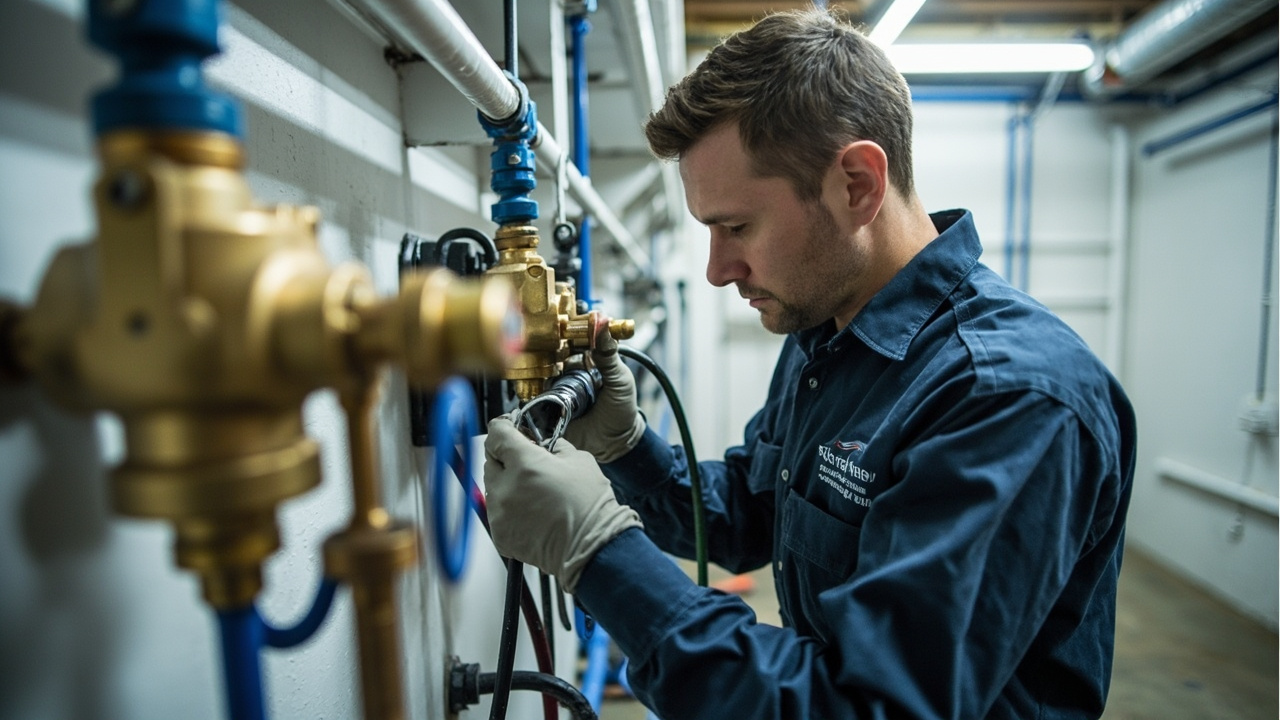
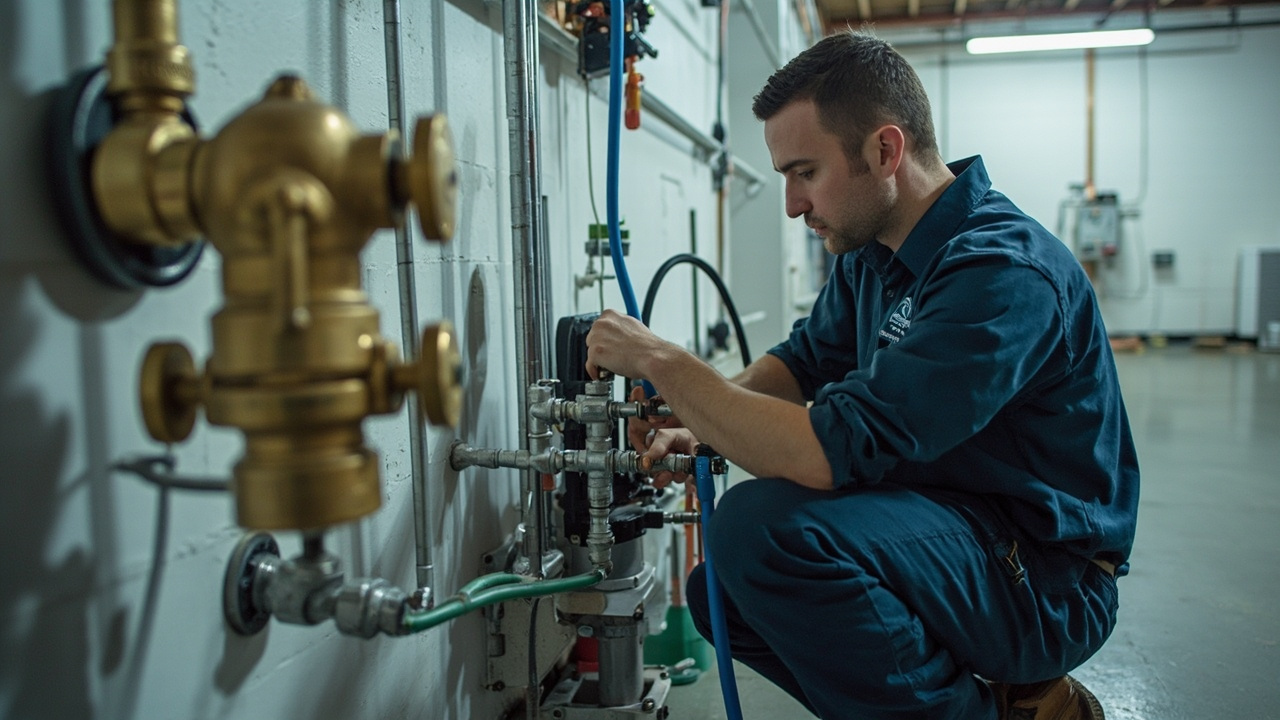
We identify all testable assemblies on your property, including irrigation lines, fire suppression systems, and auxiliary water connections. Our technician verifies serial numbers match your Greater Cincinnati Water Works compliance records and confirms the device type requires annual certification. We shut off downstream water flow and attach calibrated test equipment to the four test cocks on your backflow assembly.
02

Pressure Testing and Measurement

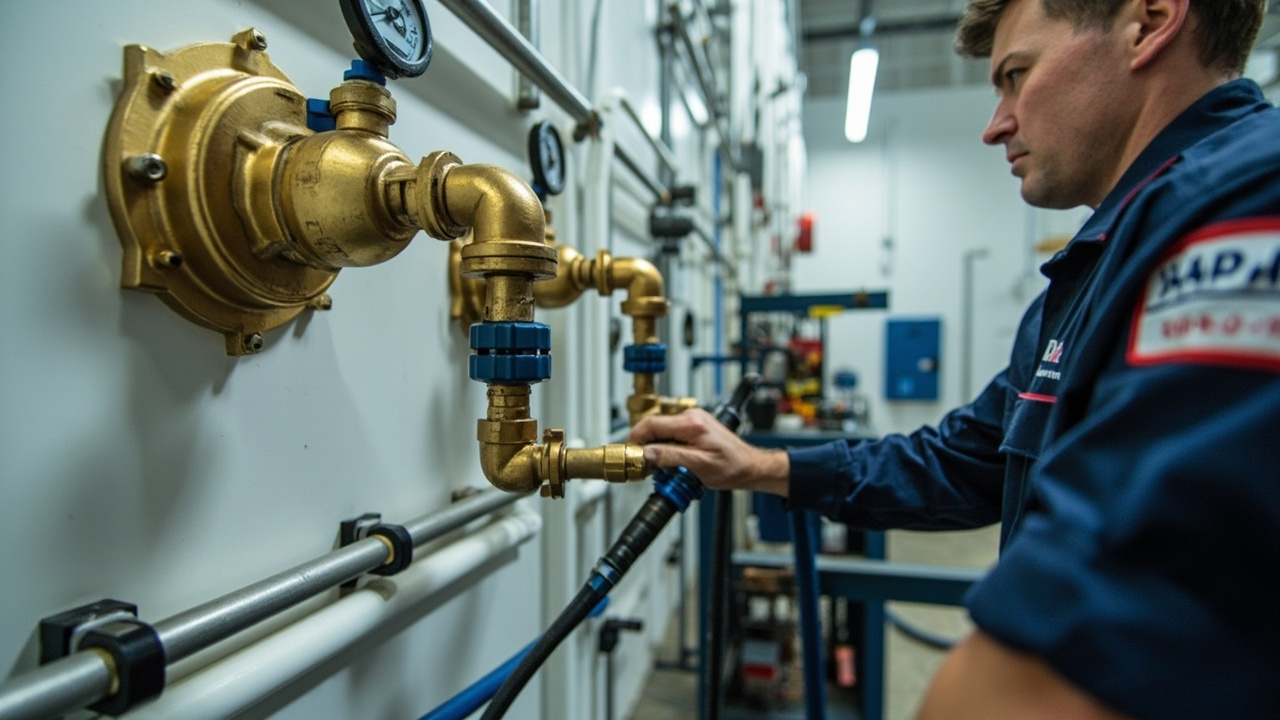
We measure static inlet pressure, then create controlled backpressure to test check valve number two. The differential pressure gauge measures closure tightness within 0.1 PSI. We repeat the process for check valve number one and verify the relief valve opens at the correct differential. Each test point receives three measurements to confirm consistent operation. The entire assembly must meet manufacturer specifications and Ohio EPA standards.
03

Documentation and Compliance Filing

You receive a completed Ohio EPA test report with pass or fail status for each assembly. We photograph the device serial number and test gauge readings for your records. Passing assemblies receive a dated compliance tag attached to the device. We file your certification with Greater Cincinnati Water Works and provide a digital copy for your maintenance files. Failed devices receive a written repair quote and deadline for retesting.

Why Cincinnati Businesses Choose Certified Backflow Specialists

Ohio requires backflow testers to complete 32 hours of training and pass the Ohio EPA certification exam. Our technicians hold current Ohio Backflow Prevention Device Tester credentials and recertify every three years. We maintain $2 million in liability coverage specific to cross-connection control work.

Greater Cincinnati Water Works maintains a violation database for properties with expired or failed backflow tests. Properties on the list face mandatory water disconnection after 90 days. We track your annual deadline and send reminders 60 days before expiration. Our scheduling system prioritizes properties approaching their compliance date.

Cincinnati's mixed-use developments in neighborhoods like Walnut Hills and Northside often have multiple testable assemblies. A single property might have backflow devices on the domestic water line, irrigation system, fire sprinkler connection, and boiler makeup water. We test all assemblies during one appointment and coordinate with property managers to access mechanical rooms and exterior valve boxes.

We understand Cincinnati's plumbing code amendments and Greater Cincinnati Water Works cross-connection control program requirements. The city requires annual testing for any property with landscape irrigation, regardless of zone count. Medical and dental offices need testable assemblies on equipment water lines. We help property owners identify which devices require certification and which connections need upgraded backflow protection.

Our test equipment receives annual calibration traceable to NIST standards. Inaccurate gauges produce false pass results that leave your property vulnerable to contamination and liability. We maintain calibration certificates for all differential pressure test kits and replace equipment every five years. You get accurate measurements that reflect true device performance.

What to Expect from Your Backflow Testing Service

Fast Scheduling and Same-Week Testing

We schedule backflow assembly testing within three business days of your call. Most single-device tests complete in 30 minutes. Properties with multiple assemblies receive a dedicated two-hour appointment window. We coordinate access with building managers and business owners to test during low-traffic periods. Emergency compliance testing for properties facing disconnection receives priority scheduling. You receive appointment confirmation via text message with our technician's arrival window. We call 30 minutes before arrival.

Thorough Device Assessment and Documentation

Our backflow preventer inspection includes visual assessment of the assembly installation, test cock condition, and shutoff valve operation. We verify proper clearance above grade and adequate drainage for the relief valve discharge. The test process measures both check valve closure, relief valve opening point, and air inlet operation for vacuum breakers. You receive a detailed report showing all pressure readings, pass or fail status, and photographs of the device. We note any installation defects that don't meet current code requirements.

Certified Compliance Reporting to the City

We submit your passing test results directly to Greater Cincinnati Water Works within 48 hours. You receive a compliance certificate showing your next annual deadline and a copy of the filed report. The dated tag attached to your device provides visible proof of current certification for building inspectors. Failed assemblies receive a written repair quote with specific failed components identified. We coordinate retest appointments after repairs complete. Your digital compliance file remains accessible through our customer portal for insurance and audit requests.

Repair Coordination and Annual Reminders

We maintain records of your test dates and send automatic reminders 90 days before your next annual deadline. Properties with failed devices receive priority scheduling for retesting after repairs. We stock common repair kits for reduced pressure zone assemblies and double check valves to complete most repairs the same day. Major component failures requiring assembly replacement receive detailed quotes with manufacturer part numbers. We coordinate backflow device testing with your regular plumbing maintenance schedule to minimize service calls. Multi-property managers receive consolidated compliance tracking for all Cincinnati locations.

Frequently Asked Questions

You Have Questions,
We Have Answers

What is backflow prevention testing? +

Backflow prevention testing checks whether a device installed on your water line is working correctly. The device stops contaminated water from flowing backward into the clean water supply. During the test, a certified technician attaches gauges to the backflow preventer and measures pressure readings at specific test points. They simulate real-world conditions to verify each internal valve and check valve seals properly. If the device fails, it gets repaired or replaced immediately. Cincinnati requires annual testing on commercial properties and irrigation systems to protect public water quality. The test takes about 15 to 30 minutes and results get filed with the Greater Cincinnati Water Works.

Is backflow testing really necessary? +

Yes. Backflow testing protects your drinking water and the entire municipal supply. Without a functioning backflow preventer, contaminated water from irrigation systems, fire suppression systems, or industrial processes can reverse flow into the clean water line. This happens during pressure drops, pipe breaks, or heavy water use in Cincinnati neighborhoods. Ohio regulations and Greater Cincinnati Water Works mandate annual testing for commercial buildings, multi-family housing, and properties with irrigation systems. Residential homes with underground sprinklers also need testing. Skipping the test risks water contamination and puts you out of compliance. The city can issue fines or disconnect water service until you test and certify the device.

Can I test my own backflow preventer? +

No. Ohio requires a state-certified backflow prevention assembly tester to perform the test. You need specialized training, certification through the Ohio EPA, and calibrated test equipment that costs thousands of dollars. The test involves precise pressure measurements and interpreting technical data to determine if internal components function correctly. Certified testers also carry liability insurance if something goes wrong during testing. Attempting your own test voids compliance with Greater Cincinnati Water Works and leaves you unprotected legally. Even professional plumbers without backflow certification cannot legally perform the test. You must hire a certified technician who submits official test results to the water utility on your behalf.

Do all plumbers do backflow testing? +

No. Backflow testing requires specific state certification beyond a standard plumbing license. Many plumbers focus on installation, repairs, and general plumbing work without pursuing backflow tester credentials. The certification involves classroom training, hands-on testing practice, and passing a state exam through the Ohio EPA. Testers also maintain calibrated gauges and keep up with continuing education. When you need backflow testing in Cincinnati, confirm the plumber holds active Ohio backflow tester certification. Some plumbing companies employ certified testers on staff, while others refer you to specialists. Always ask for certification proof before scheduling. Hiring an uncertified plumber for testing leaves you non-compliant and wastes money.

What happens if I don't do backflow testing? +

You face fines, water shutoff, and contamination risk. Greater Cincinnati Water Works tracks annual testing compliance and sends violation notices to property owners who skip testing. Continued non-compliance results in escalating fines and potential water service disconnection until you test and certify the device. Beyond penalties, a failed backflow preventer puts contaminated water into your drinking supply. Chemicals, fertilizers, bacteria, and industrial waste can backflow during pressure changes. You also create liability if contaminated water reaches neighboring properties or the municipal system. Commercial properties risk health department violations and business closures. Testing costs far less than fines, water restoration after contamination, or legal fees from liability claims.

Why is backflow testing so expensive? +

Backflow testing is not expensive when you consider what goes into it. Certified testers invest in specialized training, state certification, continuing education, and expensive calibrated test equipment requiring annual recalibration. They also carry liability insurance and submit compliance paperwork to the water utility on your behalf. The test involves technical skill to accurately measure differential pressure, check valve tightness, and air inlet function. Most Cincinnati properties pay between industry-standard rates for annual testing. Compare that to fines from Greater Cincinnati Water Works, water service disconnection fees, or contamination cleanup costs. The test protects public health and keeps you compliant. Quality testing from a certified professional is worth the investment.

Do all houses have a backflow valve? +

No. Not all residential homes have backflow preventers. Ohio and Cincinnati require them on properties with higher contamination risks. Homes with underground irrigation systems, fire sprinkler systems, or auxiliary water connections need backflow devices. Older homes built before modern plumbing codes may lack backflow protection entirely. Commercial buildings, medical facilities, restaurants, and industrial properties almost always require backflow preventers. If you have a backflow device, you will see it on your main water line near the meter or where the irrigation system connects. It looks like a brass or bronze assembly with test ports and shutoff valves. Contact Greater Cincinnati Water Works if you are unsure whether your property requires one.

How much does it cost to test a backflow device? +

Testing costs vary based on device type, accessibility, and property complexity. Simple residential backflow preventers on irrigation systems typically cost less than larger commercial assemblies with multiple zones. Prices also depend on whether the device is easy to access or buried underground. Most certified testers in Cincinnati charge a flat rate per device. Expect to pay slightly more for same-day or emergency testing. Some companies bundle testing with repairs if the device fails. Annual testing contracts sometimes offer discounts for properties with multiple devices. Request quotes from certified backflow testers and confirm the price includes filing test results with Greater Cincinnati Water Works. Avoid uncertified testers offering suspiciously low prices.

How long does a water backflow test take? +

Most backflow tests take 15 to 30 minutes per device. The exact time depends on the type of backflow preventer, accessibility, and whether the device passes or fails. Reduced pressure zone assemblies and double check valves have different test procedures. If the technician finds the device partially blocked with debris or stuck valves, the test takes longer while they diagnose the issue. Easy-to-access devices above ground test faster than units in pits or vaults. The tester also spends a few minutes documenting results and filling out compliance forms for Greater Cincinnati Water Works. If repairs are needed, expect additional time for parts and labor. Schedule testing during business hours to avoid delays.

Do all states require backflow testing? +

No. Backflow testing requirements vary by state and local water utility. Ohio requires backflow prevention and annual testing under state plumbing code and EPA regulations. Greater Cincinnati Water Works enforces these rules for properties connected to the municipal water system. Some states have stricter requirements, while others leave it to local jurisdictions. States with agricultural or industrial contamination risks tend to mandate testing more aggressively. Even within Ohio, different water utilities may have slightly different rules about device types and testing frequency. Cincinnati property owners must follow Ohio EPA regulations and Greater Cincinnati Water Works policies. Check with your local water utility if you own property outside Cincinnati to confirm testing requirements.

How Cincinnati's Water Infrastructure Increases Backflow Risk

Greater Cincinnati Water Works operates over 3,000 miles of distribution mains serving Hamilton County. The system includes elevated storage tanks in Mount Auburn and Price Hill that maintain pressure across varying terrain. When crews repair water main breaks, common during winter freeze-thaw cycles along Columbia Parkway and Reading Road, pressure drops create temporary siphon conditions. Properties downhill from repairs face higher backflow risk during these events. Cincinnati's combined sanitary and storm sewer system in older neighborhoods adds urgency to backflow prevention compliance. Any cross-connection failure during a pressure event can introduce untreated water into the distribution system.

Cincinnati's 2019 plumbing code update strengthened backflow prevention requirements for commercial properties and irrigation systems. The Greater Cincinnati Water Works cross-connection control program requires annual certification for over 15,000 testable assemblies across the service area. Local certified testers understand the specific documentation requirements and submission deadlines that differ from state standards. We work with Cincinnati's water quality staff to resolve compliance issues and help property owners navigate the violation notice process. Our familiarity with local mechanical permit requirements ensures new backflow installations meet inspection standards the first time.
Plumbing Services in The Cincinnati Area

We are proud to serve the entire area, providing exceptional plumbing services to our community. Our service area covers all of the city and its surrounding neighborhoods. Use the map to see our location and get directions, or simply give us a call to schedule a service. Our team is always ready to travel to your location to address your plumbing needs quickly and efficiently, ensuring you receive the prompt service you deserve.

Address:
Keystone Plumbing Cincinnati, 71 E Hollister St, Cincinnati, OH, 45219

Additional Services We Offer

Our news updates

Latest Articles & News from The Blogs

Why a Whole House Repiping Project in St. Bernard is a Smart Investment If you own a home in St.…

Why a Whole House Repiping Project in St. Bernard is a Smart Investment

Why a Whole House Repiping Project in St. Bernard is a Smart Investment If you own a home in St.…

Do You Know Exactly Where the Main Water Shut-Off Valve is in Your Silverton Home?

Do You Know Exactly Where the Main Water Shut-Off Valve is in Your Silverton Home? A burst pipe can dump…

Protecting the Exposed Plumbing in Your Madisonville Crawl Space From Rodents and Cold

Protecting the Exposed Plumbing in Your Madisonville Crawl Space From Rodents and Cold \n\n Exposed pipes in Madisonville crawl spaces…

Contact Us

Avoid water disconnection and protect Cincinnati's drinking water. Call (513) 717-2899 to schedule certified backflow assembly testing. We file your compliance paperwork directly with Greater Cincinnati Water Works and keep you off the violation list. Same-week appointments available.