Menu

Grease Trap Cleaning & Pumping in Cincinnati | Minimize Downtime with Same-Day Commercial Service

Professional grease trap cleaning and grease interceptor maintenance keeps your Cincinnati restaurant or commercial kitchen compliant with Hamilton County health codes while protecting your business from unexpected shutdowns and costly fines.

Slider Image 1
Slider Image 2
Slider Image 3
Slider Image 4
Slider Image 5
Slider Image 7
Slider Image 8
Slider Image 9
Slider Image 10
Slider Image 11

Why Cincinnati Commercial Kitchens Fail Grease Trap Compliance

Your commercial kitchen operates on tight margins. A single health department violation can shut you down during your busiest shift. In Cincinnati, the Metropolitan Sewer District enforces strict fats, oils, and grease regulations for all food service establishments. One backup sends wastewater into your prep area, contaminating surfaces and forcing an immediate closure.

Hamilton County health inspectors require documented grease trap service records. Missing those records during a surprise inspection triggers violations, fines, and mandatory re-inspections. Most operators underestimate how quickly grease accumulates. A 1,000-gallon interceptor at a busy Over-the-Rhine gastropub needs commercial grease trap pumping every 30 to 90 days depending on volume. Wait too long and you get slow drains, foul odors, and eventually a complete blockage.

Cincinnati's older building stock in neighborhoods like Walnut Hills and Mount Adams presents additional challenges. Many historic buildings have undersized grease interceptors installed decades ago. These traps fill faster and require more frequent grease trap cleanout service to meet current codes. The clay soil common throughout the Cincinnati basin shifts over time, stressing drain lines and making blockages worse when grease solidifies in damaged pipes.

Restaurant grease trap service prevents these failures before they cost you business. Regular grease trap waste removal keeps your interceptor at the 25 percent capacity threshold required by local ordinances. This protects your operation from surprise shutdowns and keeps your kitchen running through peak service periods.

Why Cincinnati Commercial Kitchens Fail Grease Trap Compliance
How Professional Grease Interceptor Cleaning Protects Your Operation

How Professional Grease Interceptor Cleaning Protects Your Operation

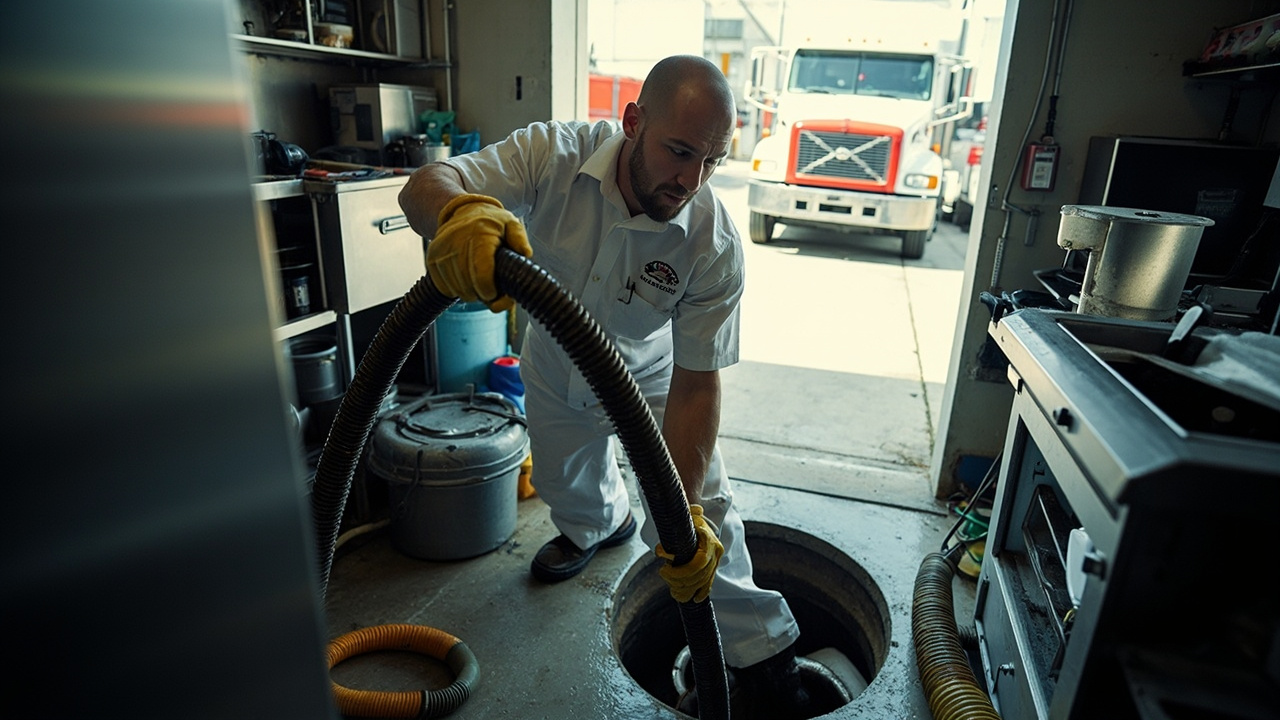
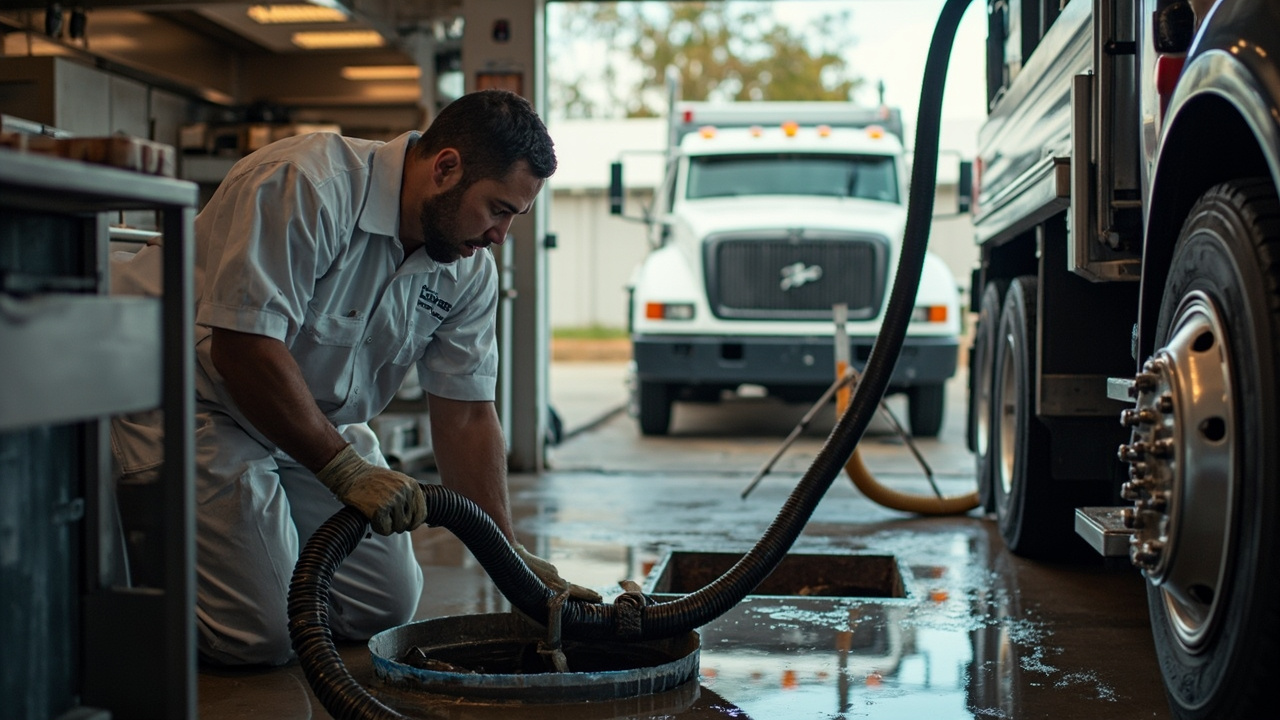
Professional grease trap pumping removes the entire contents of your interceptor, not just the floating layer. We use vacuum trucks equipped with high-volume pumps to extract all three layers: the top grease cap, the middle water zone, and the bottom solids layer. This complete extraction resets your trap to full capacity and maximum efficiency.

The cleaning process addresses what pumping alone cannot fix. After extraction, we pressure wash all internal baffles, inlet and outlet tees, and the tank walls. This removes the sticky film that reduces trap efficiency over time. We inspect gaskets, access lids, and flow control devices for damage or wear. A cracked baffle or loose gasket lets grease bypass your trap entirely, sending it straight into the municipal system.

We measure and document the volume of waste removed during each service. This data proves compliance during health inspections and helps you optimize your pumping schedule. A trap that fills faster than expected signals a problem. It might mean your kitchen staff needs better grease disposal training, or your interceptor is undersized for your current volume.

Grease trap waste removal includes proper disposal at licensed facilities. We transport all FOG waste to approved processing centers that convert it into biodiesel or compost. You receive a manifest documenting proper disposal, which satisfies Metropolitan Sewer District requirements. This protects you from liability if waste is disposed of improperly.

The final step involves testing your drain flow. We run water through your system to confirm proper drainage and verify the trap is functioning correctly. This catches issues before they become emergencies. A properly maintained grease interceptor protects your plumbing infrastructure, prevents backups, and keeps your business operational.

What Happens During Your Grease Trap Service

Grease Trap Cleaning & Pumping in Cincinnati | Minimize Downtime with Same-Day Commercial Service
01

Initial Assessment and Access

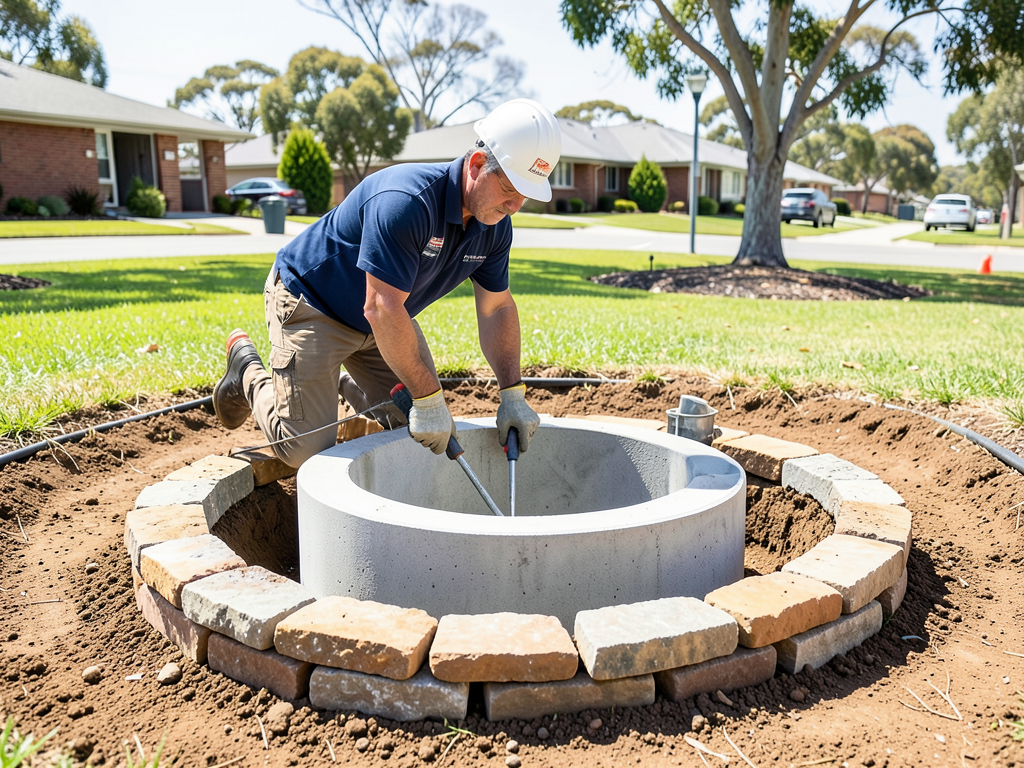
We locate and open your grease interceptor, whether it is an exterior in-ground unit or an interior under-sink trap. Our technician measures the current grease layer depth using a calibrated dipstick to determine exact capacity. We photograph the trap condition before service begins, documenting the existing waste levels for your compliance records and identifying any structural concerns.
02

Complete Extraction and Cleaning

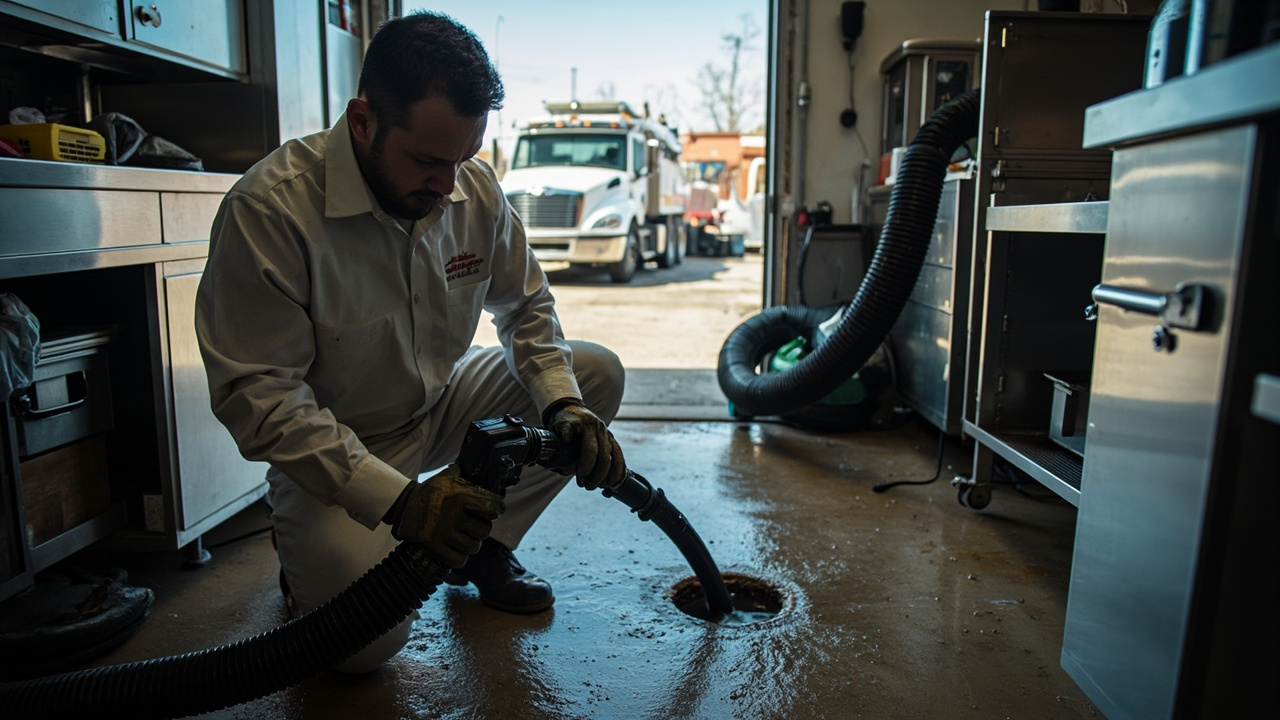
We extract all contents using industrial vacuum equipment, removing grease, water, and settled solids in a single operation. After pumping, we pressure wash all internal components including baffles, divider walls, inlet pipes, and outlet tees. This removes hardened grease buildup that reduces trap efficiency. We inspect all gaskets, seals, and mechanical components for wear or damage that could cause future problems.
03

Documentation and Compliance Verification

We provide a detailed service ticket listing the gallons removed, trap condition, and any maintenance recommendations. You receive a waste manifest showing proper disposal at a licensed facility, meeting Metropolitan Sewer District documentation requirements. We schedule your next service based on your accumulation rate, ensuring you stay compliant with Hamilton County health codes while avoiding premature service calls that waste money.

Why Cincinnati Restaurants Trust Keystone Plumbing Cincinnati

Commercial kitchens cannot afford downtime. When your grease trap fails, you lose revenue every minute you are shut down. We dispatch same-day service throughout the Cincinnati metro because we understand what a closure costs you. Our vacuum trucks are strategically positioned to reach establishments in Downtown, Clifton, Hyde Park, and Oakley within hours of your call.

We work with over 200 commercial food service operations across Hamilton County. This experience means we understand the specific requirements for different establishment types. A hotel kitchen in the Central Business District has different needs than a fast-casual concept in Newport or a bakery in Northside. We size our service frequency to match your actual grease production, not a generic schedule that costs you money.

Our technicians receive continuous training on Metropolitan Sewer District regulations and health department requirements. We stay current on code changes so you do not have to. When inspectors request documentation, you have complete service records showing dates, volumes, and proper disposal. This prevents violations and demonstrates your commitment to compliance.

We also provide emergency grease trap cleanout service for unexpected backups. When grease overflows into your kitchen during dinner rush, you need immediate response. Our trucks carry the equipment to handle complete blockages, extract waste, and restore flow so you can reopen quickly. We understand the urgency because we specialize in commercial food service.

Choosing a plumbing company that focuses on commercial grease management gives you an advantage. We do not treat grease traps as an afterthought. This is our core expertise. You get technicians who understand interceptor hydraulics, know how to optimize pumping schedules, and can diagnose why your trap fills faster than it should.

What to Expect from Your Grease Trap Service

Flexible Scheduling Around Your Business Hours

We schedule service during your slowest periods to minimize disruption. Most restaurants choose early morning before prep begins or late night after close. We also offer weekend service for establishments that operate seven days per week. Same-day emergency response is available when you have an unexpected backup or failed inspection. Our average service time is 45 to 90 minutes depending on interceptor size and condition. You receive advance notice before each scheduled visit, and we confirm arrival times the day before service.

Thorough Trap Inspection During Every Service

Every pumping includes a complete inspection of your grease interceptor system. We check baffle integrity, gasket condition, and flow control devices. We measure grease layer depth before and after service to calculate your accumulation rate. This data helps us recommend the optimal service frequency for your operation. We identify structural issues like cracks, corrosion, or damaged inlet pipes before they cause backups. You receive a written condition report with photos documenting the trap state and any recommended repairs. This proactive approach prevents emergency failures.

Complete Waste Removal and Proper Disposal

We extract 100 percent of your trap contents, not just the top grease layer. Our vacuum trucks remove all three waste layers, fully resetting your interceptor capacity. After extraction, we pressure wash all internal surfaces to remove sticky residue that reduces efficiency. All waste goes to licensed processing facilities that convert FOG into biodiesel or industrial feedstock. You receive a disposal manifest for your compliance files, meeting Metropolitan Sewer District requirements. This documentation protects you during health inspections and proves environmentally responsible waste handling.

Ongoing Compliance Support and Record Keeping

We maintain complete service records for your establishment, tracking dates, volumes, and trap conditions over time. You receive digital copies of all service tickets and disposal manifests for your files. We provide reminder calls before your next scheduled service to prevent missed maintenance. Our system flags accounts approaching their compliance deadline, ensuring you never face violations for inadequate service frequency. We also offer staff training on proper grease disposal practices to help reduce accumulation rates. This comprehensive support keeps you compliant while minimizing your total grease management costs.

Frequently Asked Questions

You Have Questions,
We Have Answers

How Cincinnati's Food Scene Growth Increases Grease Trap Demand

Cincinnati's restaurant boom in neighborhoods like Over-the-Rhine, Walnut Hills, and East Walnut Hills has increased demand for commercial grease trap pumping. Many of these establishments occupy historic buildings with outdated plumbing infrastructure. The Metropolitan Sewer District has responded with stricter FOG enforcement, requiring documented service intervals and higher fines for violations. Restaurants using high-volume fryers or serving fried appetizers produce more grease than traditional concepts, filling interceptors faster. The clay soil throughout the Cincinnati basin also contributes to drain line issues when grease solidifies in aging cast iron pipes.

Hamilton County health inspectors conduct unannounced visits to verify grease trap compliance. They check service records, measure grease layer depth, and inspect for proper interceptor sizing. Establishments without documentation face immediate violations and mandatory follow-up inspections. Working with a local grease trap service provider familiar with Cincinnati regulations ensures you meet these requirements. We understand Metropolitan Sewer District discharge limits, know which inspectors cover which zones, and maintain relationships with local health officials. This local expertise protects your business from compliance failures that cost you money and reputation.
Plumbing Services in The Cincinnati Area

We are proud to serve the entire area, providing exceptional plumbing services to our community. Our service area covers all of the city and its surrounding neighborhoods. Use the map to see our location and get directions, or simply give us a call to schedule a service. Our team is always ready to travel to your location to address your plumbing needs quickly and efficiently, ensuring you receive the prompt service you deserve.

Address:
Keystone Plumbing Cincinnati, 71 E Hollister St, Cincinnati, OH, 45219

Additional Services We Offer

Our news updates

Latest Articles & News from The Blogs

Why a Whole House Repiping Project in St. Bernard is a Smart Investment If you own a home in St.…

Why a Whole House Repiping Project in St. Bernard is a Smart Investment

Why a Whole House Repiping Project in St. Bernard is a Smart Investment If you own a home in St.…

Do You Know Exactly Where the Main Water Shut-Off Valve is in Your Silverton Home?

Do You Know Exactly Where the Main Water Shut-Off Valve is in Your Silverton Home? A burst pipe can dump…

Protecting the Exposed Plumbing in Your Madisonville Crawl Space From Rodents and Cold

Protecting the Exposed Plumbing in Your Madisonville Crawl Space From Rodents and Cold \n\n Exposed pipes in Madisonville crawl spaces…

Contact Us

Do not wait for a backup to shut you down. Call Keystone Plumbing Cincinnati at (513) 717-2899 right now to schedule your grease trap service. We offer same-day appointments throughout the Cincinnati metro and emergency response when you need it most.