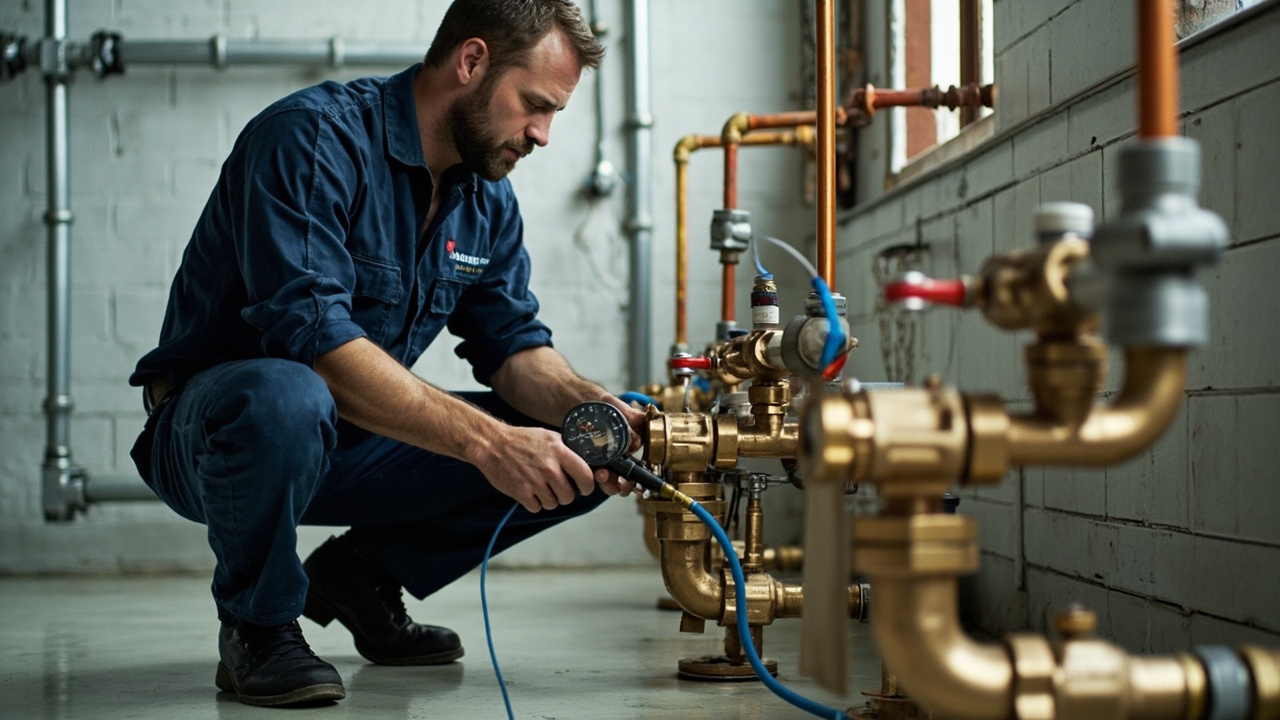
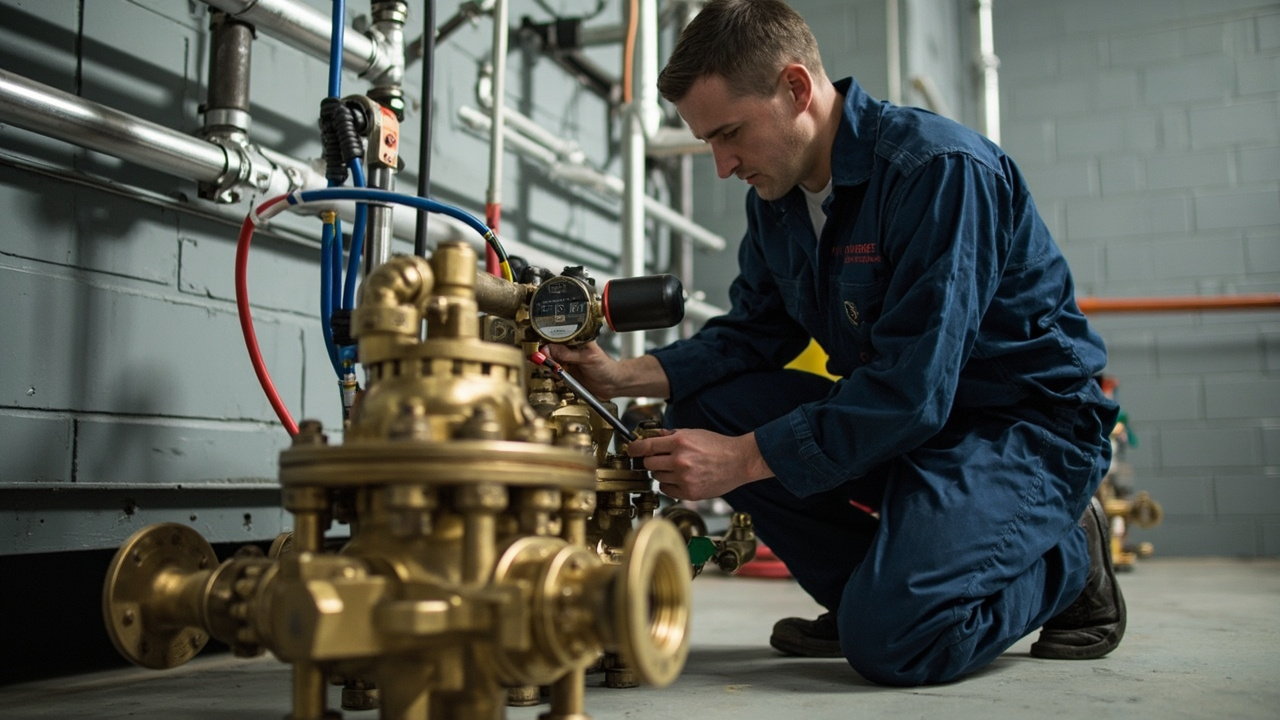

Cincinnati's topography creates distinct pressure zones across the water distribution system. The city sits on hills rising from the Ohio River valley, with elevation changes exceeding 400 feet between Riverbend and the eastern hilltop neighborhoods. Greater Cincinnati Water Works operates multiple pressure zones with booster stations to maintain adequate pressure at higher elevations. When these pressure zones fluctuate, during main breaks or high-demand periods, backpressure events become more likely. Commercial properties in transitional zones between pressure districts face elevated risk and often require more robust backflow prevention assemblies than facilities in stable pressure areas.
Hamilton County enforces some of the strictest cross-connection control requirements in Ohio. The county health department conducts periodic audits of commercial properties with backflow assemblies, and properties out of compliance face immediate enforcement action. Local plumbing contractors familiar with Cincinnati's specific testing requirements and water authority procedures ensure smoother compliance. We work directly with Greater Cincinnati Water Works on documentation standards and maintain relationships with county inspectors who audit commercial facilities. This local knowledge prevents compliance issues that national service providers often miss.