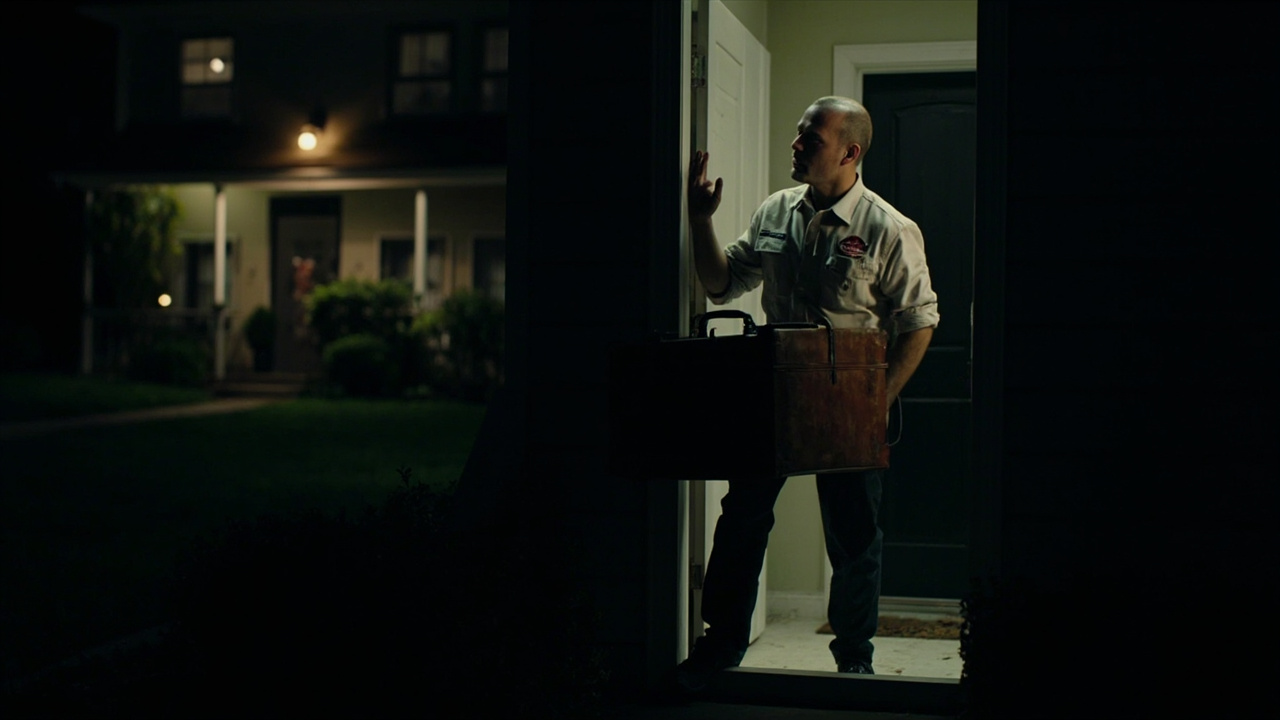
Cincinnati's housing stock predates modern plumbing codes. Most homes in Northside, Clifton, and Walnut Hills were built between 1920 and 1950 with galvanized steel supply lines and cast iron waste systems. Galvanized pipe corrodes from the inside, narrowing the diameter until water pressure drops to a trickle. When a section finally bursts, it floods your walls with rust-contaminated water. Cast iron develops pinhole leaks after 70 years of exposure to acidic wastewater. The Ohio River Valley's high humidity accelerates corrosion on exposed piping in unfinished basements. Emergency repairs on these older systems require material transitions and code upgrades that a 24 hour plumber must execute correctly under pressure.
Hamilton County's plumbing code follows the Ohio Plumbing Code with local amendments for backflow prevention and fixture spacing. Inspectors enforce these standards on emergency repairs that involve gas lines, water heater replacements, and sewer line modifications. A qualified after hours plumbing service understands these requirements and completes work that passes inspection without delays or callbacks. Homeowners who hire unlicensed technicians during emergencies end up paying twice when code violations require complete reinstallation. Local expertise matters because Cincinnati's municipal water pressure, soil conditions, and building stock create unique challenges that out-of-area contractors struggle to address correctly.