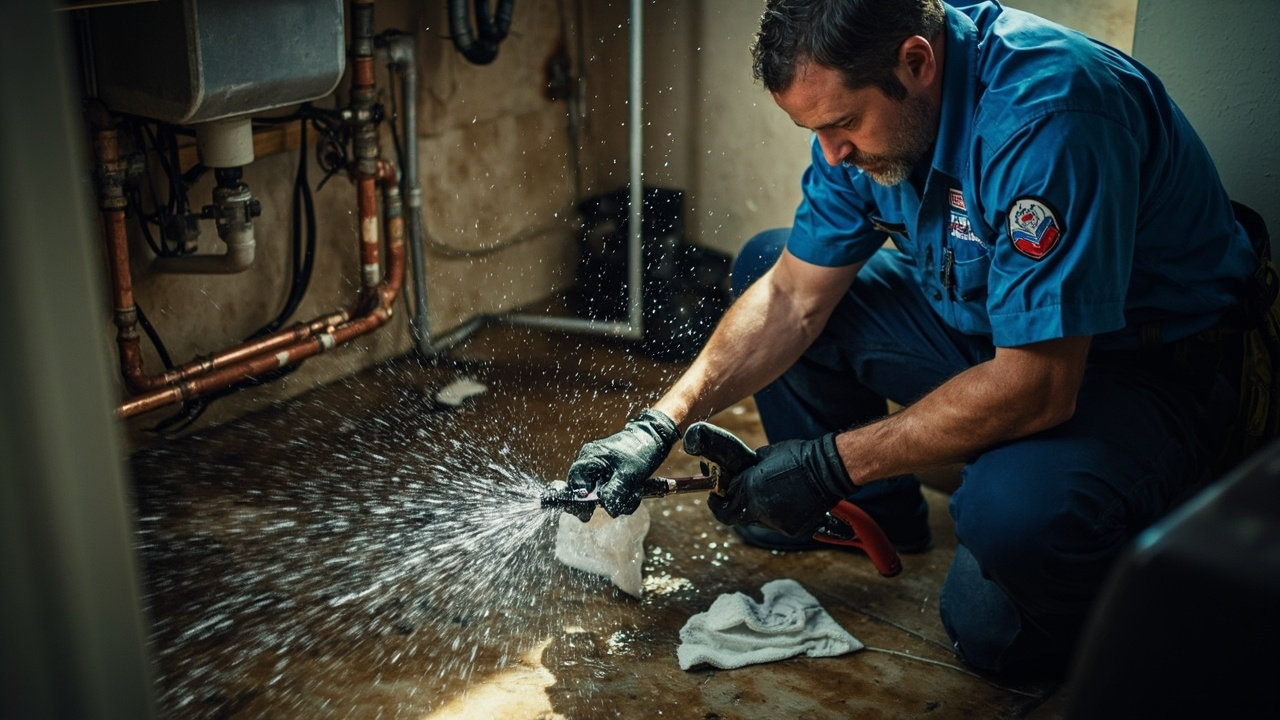
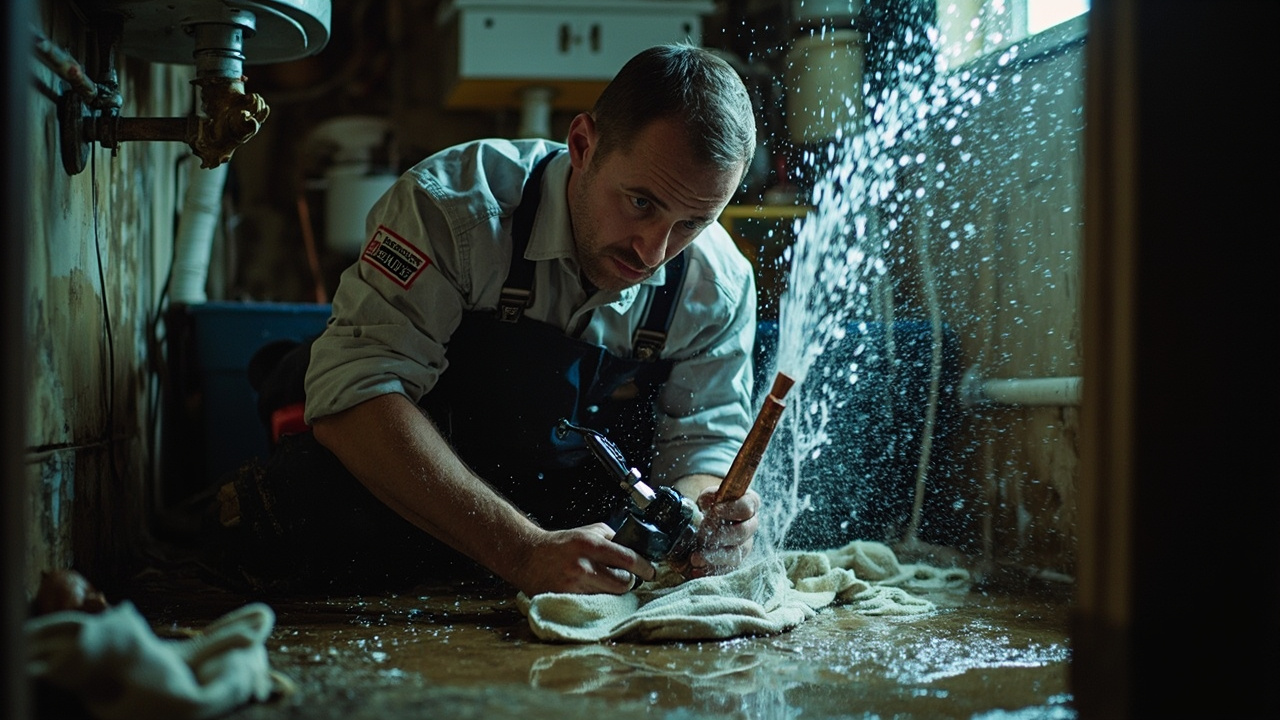
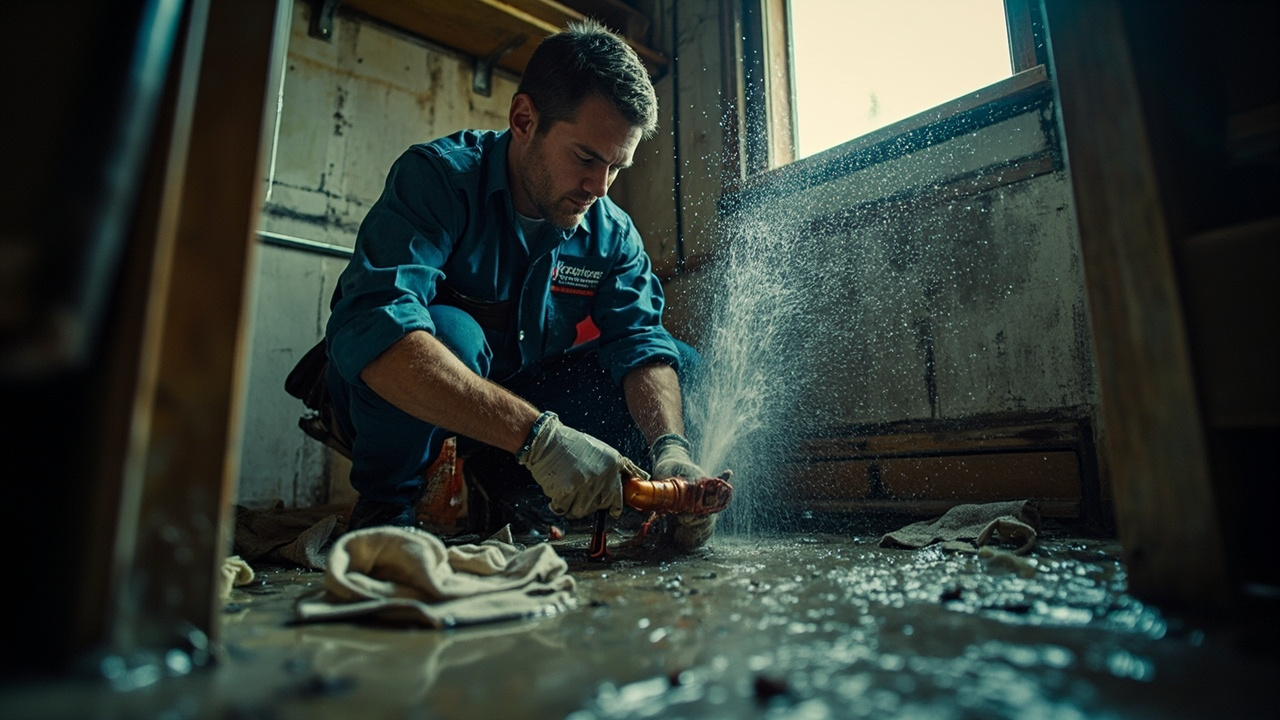
Cincinnati experiences 15 to 25 freeze-thaw cycles each winter, and each cycle stresses your pipes. When temperatures drop below 32 degrees, water inside pipes expands by 9 percent. This expansion creates pressure up to 2,000 PSI, enough to split copper and burst galvanized steel. Exterior walls and unheated crawl spaces in older Cincinnati homes lack adequate insulation, leaving pipes exposed to temperature swings. The result is predictable: January through March generates three times more burst pipe calls than any other season. Homes built before 1970 face the highest risk because building codes did not require pipe insulation in exterior walls.
Working with a plumber who understands Cincinnati's specific vulnerabilities protects your property investment. Hamilton County requires permits for pressure piping repairs that alter the system layout or replace more than six feet of pipe. Inspectors check joint methods, pipe grade, and support spacing. Keystone Plumbing Cincinnati pulls permits when required and schedules inspections so your repair passes the first time. We also know which Cincinnati neighborhoods have high municipal water pressure, which areas still have lead service lines, and where soil conditions stress underground piping. This local knowledge prevents repeat failures and saves you money over time.