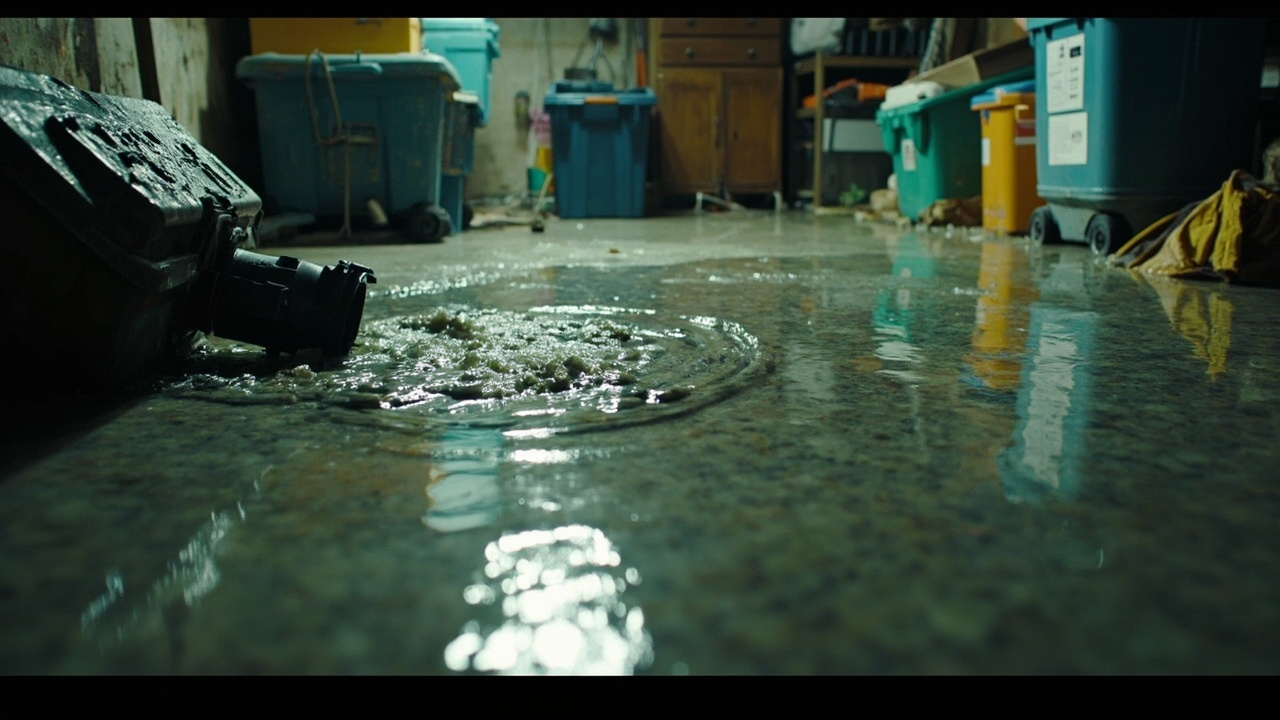
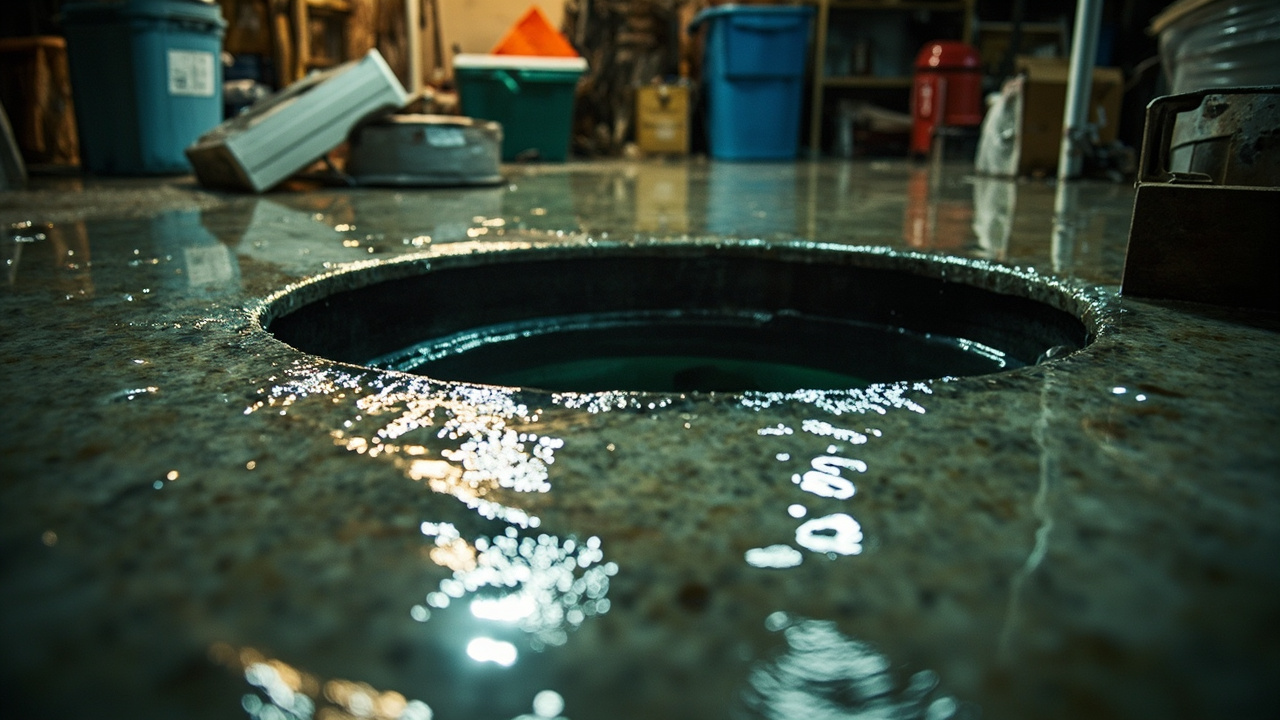
Cincinnati sits on thick clay soil that drains slowly and holds water against foundation walls. When a spring thunderstorm dumps rain faster than the ground can absorb it, hydrostatic pressure builds up around your basement. That water finds every crack, every seam, and every weak point in your foundation. Without a working sump pump, groundwater floods your basement within hours. Clay soil also creates fine sediment that washes into sump basins and clogs float switches, discharge pipes, and pump impellers. Homes in low-lying neighborhoods near the Ohio River floodplain face even higher water tables. A pump that works fine in sandy soil fails fast in Cincinnati clay.
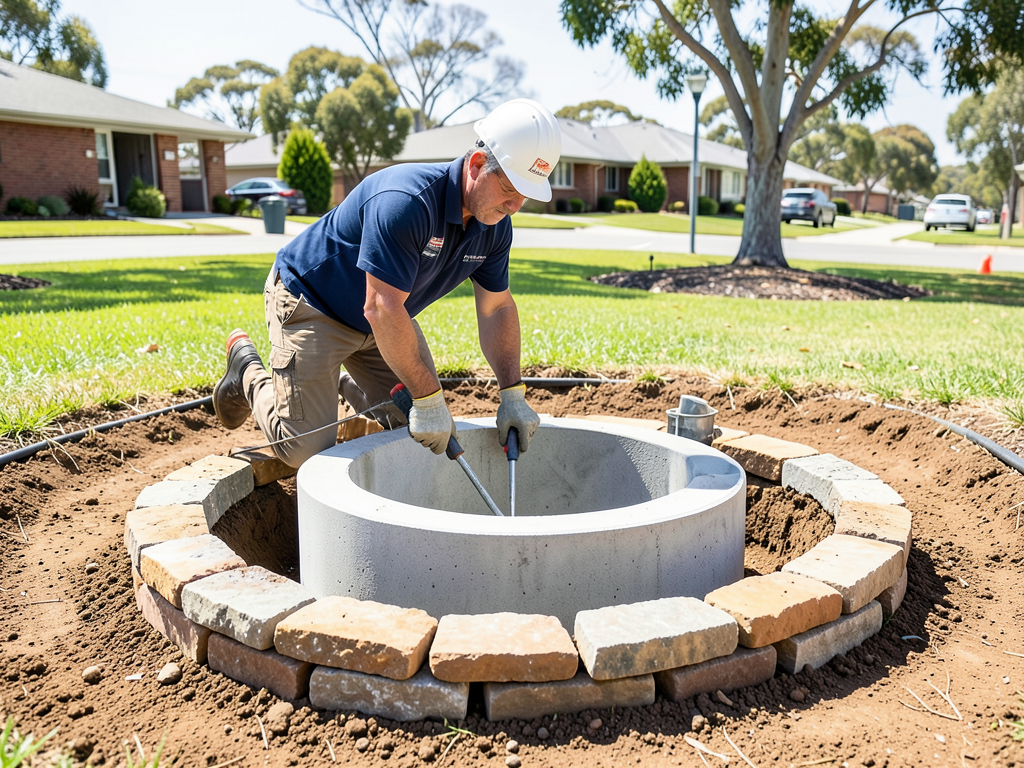
Local building codes require sump pump discharge lines to drain away from the foundation and prohibit dumping groundwater into the sanitary sewer system. Many older Cincinnati homes have discharge pipes that drain too close to the foundation or have no check valve, which lets water flow backward into the basin after the pump shuts off. A plumber familiar with Hamilton County code requirements ensures your system is compliant and built to last. We have worked in basements across Cincinnati long enough to know which neighborhoods have chronic drainage problems and which pump configurations work best in local soil conditions. When you hire a broken sump pump plumber who understands Cincinnati's geology and drainage codes, you get a system that handles the next storm instead of failing during it.