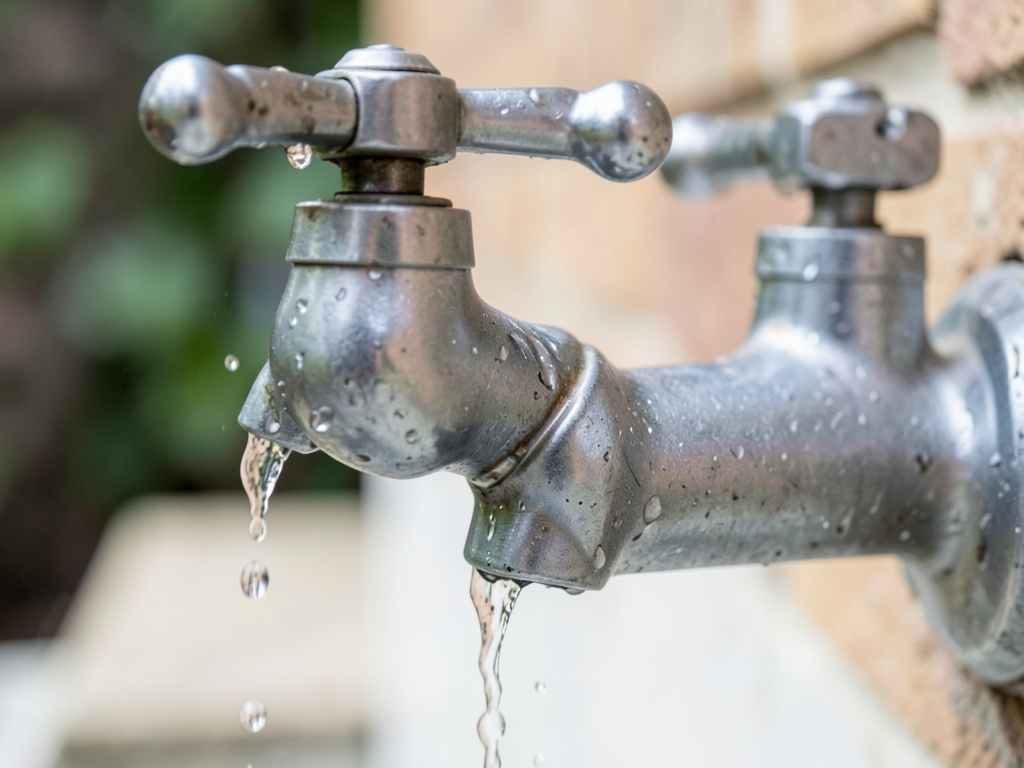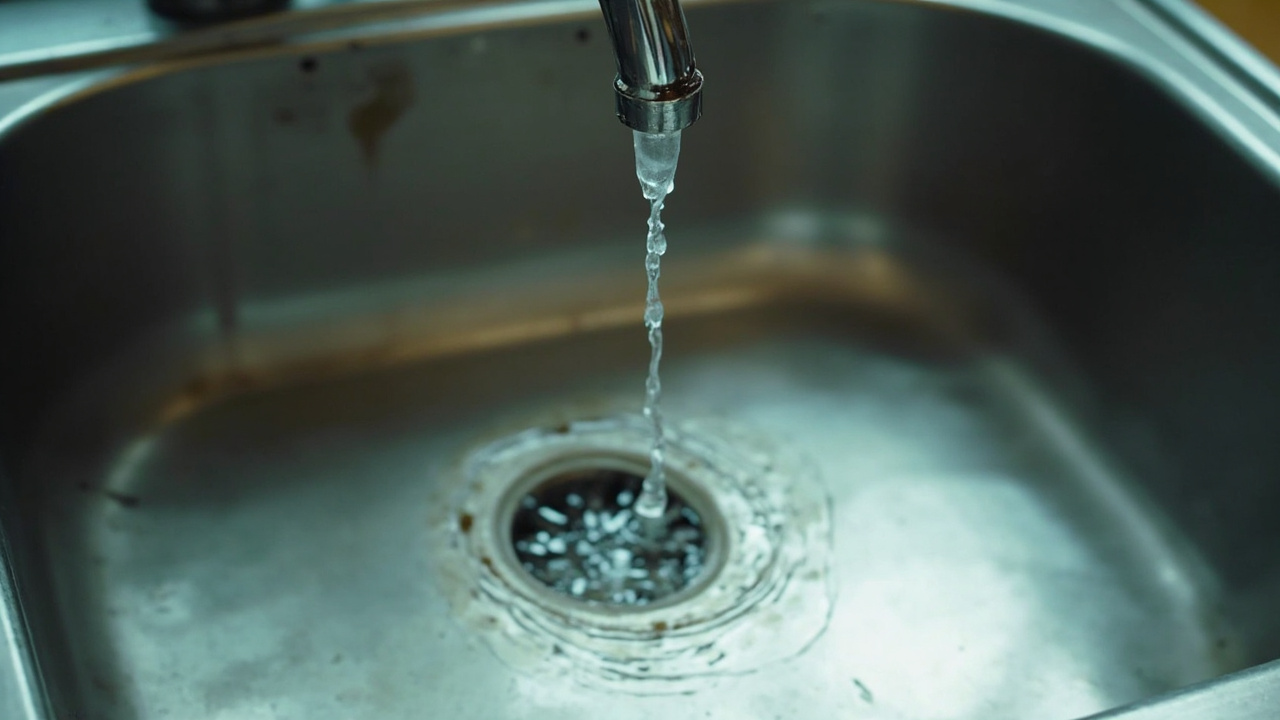
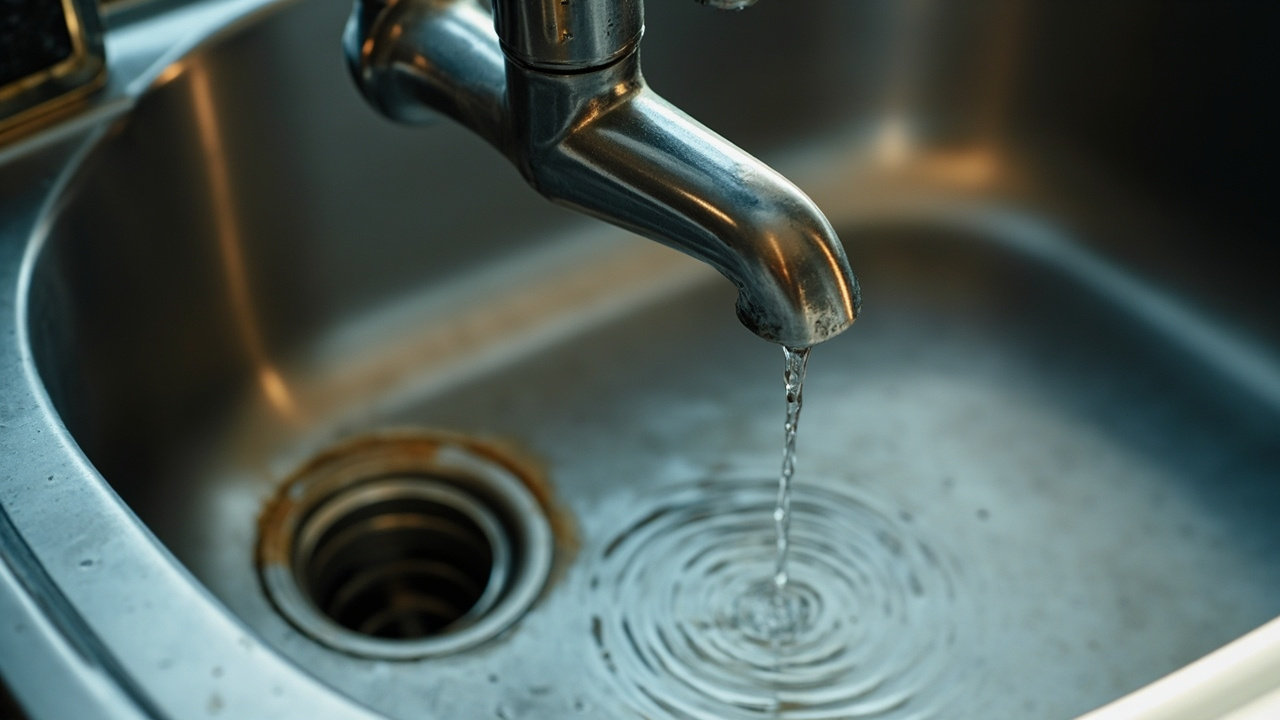
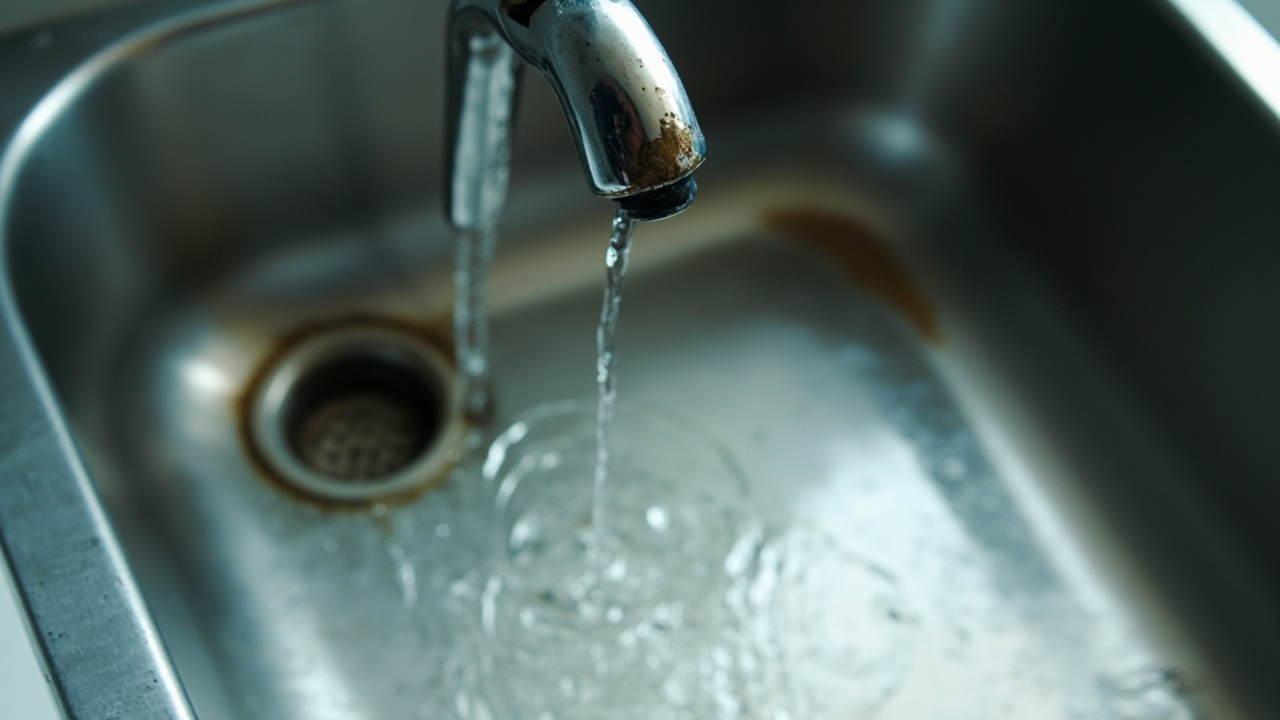
The Greater Cincinnati Water Works treats water from the Ohio River and underground aquifers. Both sources contain dissolved calcium carbonate and magnesium that remain in the finished water supply. These minerals precipitate out when water sits in your pipes overnight, forming scale deposits on valve seats and inside cartridge chambers. A leaking spigot on your outdoor hose bib happens faster than indoor faucets because temperature fluctuations accelerate mineral crystallization. The dripping tap you ignored all summer becomes a faucet water leak you can't stop by October. Compression-style faucets suffer the most because the brass valve seats pit and corrode from constant mineral contact.
Cincinnati's plumbing code follows the Ohio Plumbing Code with Hamilton County amendments. Any faucet replacement must include proper air gaps for backflow prevention and flow restrictors that limit water to 2.2 gallons per minute. Older homes in historic districts like Clifton and Mount Auburn often have non-compliant fixtures installed decades ago. When we repair a constant dripping problem on these vintage faucets, we inform you about code requirements if replacement becomes necessary. Working with a local plumber who knows these regulations prevents compliance issues and ensures your repair work meets current standards for resale and insurance purposes.