Menu

Discolored or Rusty Water in Cincinnati – Fast Diagnosis and Permanent Fixes

Expert plumbers identify the source of brown tap water, rusty colored water, and discolored hot water in Cincinnati homes and businesses, then deliver the right fix the first time.

Slider Image 1
Slider Image 2
Slider Image 3
Slider Image 4
Slider Image 5
Slider Image 7
Slider Image 8
Slider Image 9
Slider Image 10
Slider Image 11

Why Your Cincinnati Faucets Are Running Brown or Red

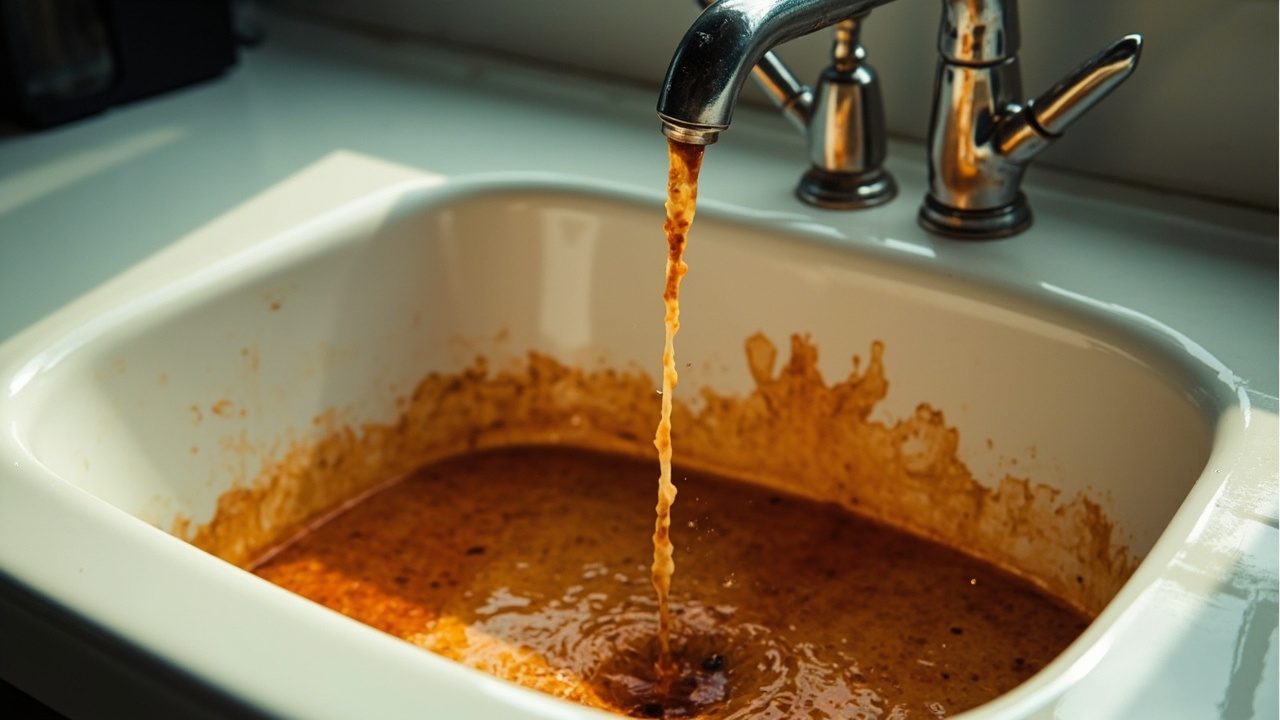
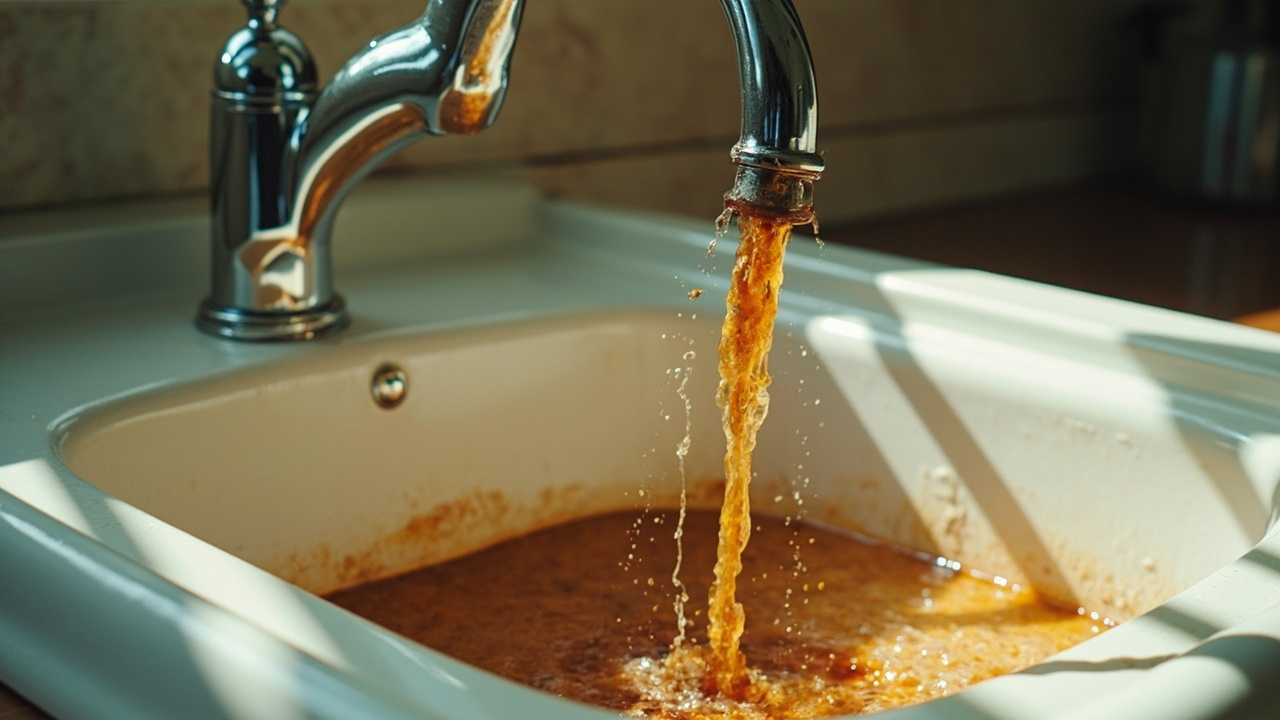
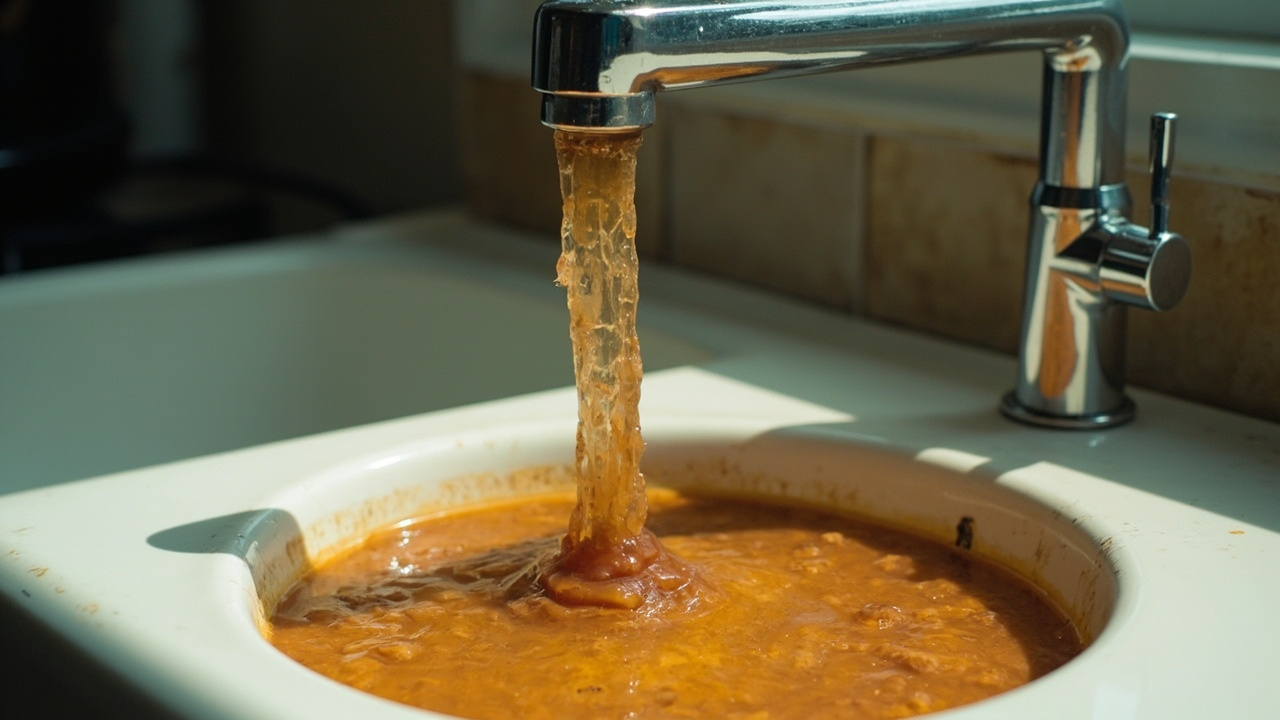
You turn on the tap and watch brown water pour out. Maybe it is rusty colored water from the hot side only, or yellow water from every faucet after you return from vacation. The color tells you something is wrong, but the cause is not always obvious.

Cincinnati's older housing stock, built between the 1920s and 1970s, often contains galvanized steel pipes that corrode from the inside out. The Ohio River's mineral-heavy water accelerates this breakdown. When iron oxide flakes off the pipe walls, you get reddish water from pipes every time you turn on the tap. If the discoloration appears only when you run hot water, the culprit is usually sediment buildup or a corroding anode rod inside your water heater.

Neighborhoods like Over-the-Rhine, Northside, and Mount Auburn face this problem more often because of the age of the infrastructure. Even newer homes in Mason or West Chester can experience discolored hot water if the water heater tank is nearing the end of its lifespan or if the city is flushing hydrants nearby.

Brown tap water is not just ugly. It stains laundry, clogs faucet aerators, and signals that corrosion is eating away at your plumbing. If you ignore it, you risk pinhole leaks, burst pipes, and costly water damage. The first step is figuring out whether the problem is inside your home or coming from the municipal supply.

Why Your Cincinnati Faucets Are Running Brown or Red
How We Diagnose and Fix Discolored Water

How We Diagnose and Fix Discolored Water

We do not guess. We test, inspect, and isolate the source of the discoloration before we recommend a repair.

First, we determine if the rusty colored water is coming from the city main or your internal plumbing. We run water from multiple fixtures, check both hot and cold lines, and compare flow from different zones of the house. If the discoloration clears after a few seconds, the issue is likely localized sediment. If it persists, we are looking at corroded piping or a failing water heater.

For discolored hot water only, we drain and inspect the water heater tank. Sediment layering at the bottom of the tank traps minerals and iron, which then mix into the hot water supply. We check the anode rod, which sacrifices itself to prevent tank corrosion. If the rod is depleted, the tank itself starts to rust, and you see reddish water from pipes connected to the heater.

If the problem is galvanized piping, we perform a pressure test and a visual scope inspection where accessible. Galvanized steel fails from the inside, so exterior appearance means nothing. Once we confirm the extent of the corrosion, we map out a repiping plan, prioritizing the most degraded sections first.

We also coordinate with Greater Cincinnati Water Works if we suspect the issue originates from the municipal side. Hydrant flushing, water main breaks, or repairs can temporarily stir up sediment in the distribution system. If that is the case, the discoloration should resolve within a few hours. If it does not, the problem is yours to fix.

What Happens When You Call About Discolored Water

Discolored or Rusty Water in Cincinnati – Fast Diagnosis and Permanent Fixes
01

Water Source Isolation

We test water from multiple taps and compare hot versus cold lines to determine if the discoloration originates from your water heater, internal pipes, or the city main. This takes about 10 minutes and tells us exactly where to focus. If the yellow water from faucet clears quickly, we know it is sediment. If it stays brown, corrosion is active.
02

System Inspection

We inspect the water heater tank, check the anode rod condition, and examine accessible piping for rust buildup and scaling. For older galvanized systems, we use a borescope camera to view the interior pipe walls and measure the degree of corrosion. This step reveals whether you need a simple flush, a component replacement, or full repiping.
03

Targeted Repair

Once we identify the cause, we execute the fix. That might mean flushing the water heater and replacing the anode rod, installing a sediment filter, or repiping corroded sections with PEX or copper. We test water clarity at multiple fixtures before we leave, and we provide you with a timeline for any additional work if phased repiping is necessary.

Why Cincinnati Homeowners Trust Keystone Plumbing for Water Quality Issues

Discolored water is not a cosmetic problem. It is a warning sign that your plumbing system is failing. We treat it that way.

We have worked in every Cincinnati neighborhood, from the historic rowhouses in Columbia-Tusculum to the newer subdivisions in Anderson Township. We know which streets still have galvanized mains, which areas see the highest mineral content, and where water heater failure rates spike because of hard water.

Our technicians do not upsell. If your discolored hot water can be fixed with a $200 anode rod replacement, we tell you that. If you need full repiping, we give you a phased plan so you can budget accordingly. We have seen too many contractors push for full replumbs when a targeted repair would solve the issue.

We also understand Cincinnati's building codes and permit requirements. If we need to open walls or reroute supply lines, we pull the necessary permits and coordinate inspections. Hamilton County has specific rules about water heater venting and backflow prevention, and we follow them to the letter.

When we flush a water heater, we do not just drain it. We remove the lower heating element if necessary, vacuum out sediment, and test the thermostat calibration. When we repipe, we use expansion-resistant PEX-A tubing that handles Cincinnati's freeze-thaw cycles without cracking. We do not cut corners, and we do not come back to fix the same problem twice.

You get clear water, honest pricing, and a plumber who knows the difference between surface rust and systemic failure.

What You Can Expect When We Fix Your Water

Same-Day Response for Discolored Water

We know brown tap water throws off your entire routine. You cannot do laundry, you cannot drink from the tap, and you are worried about what it means for your pipes. We dispatch a diagnostic technician the same day you call, often within two hours. If the fix is straightforward, like flushing a water heater or replacing an anode rod, we complete it on the spot. If you need repiping or a water heater replacement, we schedule the work within the week and provide a detailed timeline upfront.

Thorough Water Quality Testing

We do not assume the cause based on color alone. We test water samples, measure sediment levels, and check for bacterial contamination if the discoloration is accompanied by odor. We compare hot and cold lines, test at multiple fixtures, and document baseline water clarity before we start any work. This process takes 15 to 30 minutes and gives us a complete picture of what is happening in your plumbing system. You get a written report of our findings before we proceed with repairs.

Clear Water Guaranteed

When we finish the repair, your water runs clear. We test every affected fixture, check flow pressure, and confirm there is no lingering sediment or discoloration. If we replaced piping, we flush the lines thoroughly to remove any installation debris. If we serviced your water heater, we verify the temperature settings and check for leaks around the tank and connections. You see the results immediately, and we do not leave until you are satisfied with the water quality.

Preventive Maintenance Plans

Discolored water often returns if the underlying cause is not addressed. We offer annual water heater flushing, sediment filter replacement, and anode rod inspections to keep your system running clean. For homes with galvanized piping, we provide a multi-year repiping roadmap so you can replace the worst sections first and avoid emergency failures. Our maintenance plans include priority scheduling and discounted service rates, so you can stay ahead of corrosion and sediment buildup before it becomes a crisis.

Frequently Asked Questions

You Have Questions,
We Have Answers

What does discolored water mean? +

Discolored water signals sediment or corrosion in your plumbing system. Brown or yellow tints usually mean rust from aging iron or steel pipes. White or cloudy water often indicates trapped air bubbles, which are harmless. Cincinnati's older neighborhoods, particularly around Over-the-Rhine and Mount Auburn, have aging infrastructure that makes this issue common. Sudden discoloration after the Greater Cincinnati Water Works flushes hydrants can also stir up sediment. If your water stays discolored for more than a few hours, you likely have a corrosion problem inside your home's pipes that needs professional inspection.

How to know if water is rusty? +

Rusty water shows visible brown, red, or orange coloring straight from your tap. You may notice a metallic taste or smell. Fill a clear glass and let it sit for a few minutes. If sediment settles at the bottom or the color intensifies, rust is present. Check both hot and cold taps. If only hot water is rusty, your water heater likely has corrosion. If both are affected, your supply lines or the city main could be the source. Cincinnati's hard water accelerates pipe corrosion, making rust a frequent complaint across Hamilton County.

Is discolored water safe to drink? +

Discolored water is usually safe if caused by air or sediment, but rust contamination poses health risks. Small amounts of iron won't immediately harm you, but prolonged exposure can affect your digestive system and skin. If discoloration comes with a sulfur smell or black particles, bacteria or manganese could be present. Do not drink water that stays discolored for hours. Contact Greater Cincinnati Water Works to rule out main line issues. If the problem is isolated to your home, a licensed plumber can test your pipes and recommend filtration or repiping solutions.

Is it safe to drink rusty tap water? +

Drinking rusty tap water occasionally won't cause immediate harm, but regular consumption is risky. Iron particles can irritate your stomach and stain your teeth. Rust indicates corroded pipes, which may also release lead or bacteria into your water supply. Cincinnati's older homes, especially those built before 1986, may have lead solder in their plumbing. If your water tastes metallic or looks consistently brown, stop drinking it. Run cold water for two minutes before use and have a plumber inspect your pipes. Consider a water test to check for lead and iron levels.

Does brown water mean pipes need replacing? +

Brown water does not always mean full pipe replacement is necessary. Rust can develop in isolated sections, water heaters, or corroded fittings. A plumber can run a camera inspection to locate the corrosion source. If only one fixture produces brown water, a targeted repair may solve the issue. However, if your entire Cincinnati home has discolored water and your pipes are galvanized steel or over 40 years old, repiping might be the cost-effective long-term solution. Clay soil shifting in the area can also crack older supply lines, accelerating rust formation and requiring replacement.

How do I flush brown water from pipes? +

To flush brown water, turn off your water heater first to prevent sediment from entering the tank. Open the cold water tap nearest your main line and let it run for 10 to 15 minutes. Move through your home, flushing each cold tap for five minutes, starting from the lowest level. If water stays brown, the issue is inside your pipes, not the city main. Cincinnati residents should also check if the Water Works is performing maintenance, which can temporarily stir up sediment. If flushing fails, contact a plumber to inspect for corroded pipes or a failing water heater.

Why is my water rusty all of a sudden? +

Sudden rusty water often follows hydrant flushing by Greater Cincinnati Water Works or a water main break in your neighborhood. Construction or pressure changes can dislodge sediment that has built up over years. Inside your home, a corroded water heater, failing anode rod, or newly cracked pipe can cause abrupt discoloration. Cincinnati's freeze-thaw cycles can stress older pipes, leading to sudden rust leaks. If the issue persists after flushing your taps, the problem is likely internal. A plumber can diagnose whether your supply lines, water heater, or corroded fittings need repair or replacement.

What are the first signs of water poisoning? +

Water poisoning symptoms include nausea, vomiting, diarrhea, stomach cramps, and fever. Severe cases may cause dizziness, headaches, or bloody stools. If your discolored water smells foul or you experience these symptoms after drinking it, seek medical attention immediately. Rust alone rarely causes poisoning, but corroded pipes can harbor bacteria like E. coli or release lead. Cincinnati's older infrastructure increases contamination risk in homes with galvanized or lead pipes. Do not assume rusty water is harmless. Stop drinking it, contact your water utility, and have a plumber test your supply for heavy metals and bacteria.

How do I fix brown water coming out of my faucet? +

First, determine if the brown water is from your home or the city main. Run cold water for 10 minutes. If it clears, the issue was temporary sediment from the municipal line. If it stays brown, inspect your water heater. Flush the tank to remove sediment buildup or replace a corroded anode rod. If cold water is also brown, corroded supply pipes are the likely cause. Cincinnati's hard water accelerates pipe deterioration, especially in older homes. A licensed plumber can camera-inspect your lines, replace corroded sections, or install a whole-house filtration system to protect your fixtures and health.

Can I shower in discoloured water? +

Showering in discolored water is generally safe if the discoloration is from iron or sediment, but avoid it if the water smells like sulfur or sewage. Rust particles can stain your skin, hair, and grout, and may irritate sensitive skin. If you notice a chemical smell or black flecks, bacteria or manganese could be present. Cincinnati residents should check if the Water Works issued a boil advisory, which sometimes accompanies main line work. If discoloration persists beyond a few hours, do not shower until a plumber inspects your system. Corroded pipes can harbor harmful bacteria that enter through cuts or mucous membranes.

How Cincinnati's Hard Water and Aging Infrastructure Drive Discolored Water Issues

Cincinnati draws its water from the Ohio River and underground aquifers, both of which carry high concentrations of calcium, magnesium, and iron. Greater Cincinnati Water Works treats the supply to meet federal standards, but the mineral content still accelerates corrosion in older pipes. Galvanized steel, common in homes built before 1970, reacts with these minerals and forms rust buildup that eventually flakes into the water supply. The result is reddish water from pipes, especially in neighborhoods like Clifton, Hyde Park, and Price Hill where the housing stock predates modern plumbing codes.

We have been fixing discolored water problems in Cincinnati for years, and we know which streets still have cast iron mains and which subdivisions see the highest water heater failure rates. We stay current with Hamilton County building codes, coordinate with local inspectors, and source materials from regional suppliers who understand the demands of Cincinnati's water chemistry. When you hire Keystone Plumbing Cincinnati, you get a team that knows the difference between a temporary municipal disturbance and a failing internal system.
Plumbing Services in The Cincinnati Area

We are proud to serve the entire area, providing exceptional plumbing services to our community. Our service area covers all of the city and its surrounding neighborhoods. Use the map to see our location and get directions, or simply give us a call to schedule a service. Our team is always ready to travel to your location to address your plumbing needs quickly and efficiently, ensuring you receive the prompt service you deserve.

Address:
Keystone Plumbing Cincinnati, 71 E Hollister St, Cincinnati, OH, 45219

Additional Services We Offer

Our news updates

Latest Articles & News from The Blogs

Why a Whole House Repiping Project in St. Bernard is a Smart Investment If you own a home in St.…

Why a Whole House Repiping Project in St. Bernard is a Smart Investment

Why a Whole House Repiping Project in St. Bernard is a Smart Investment If you own a home in St.…

Do You Know Exactly Where the Main Water Shut-Off Valve is in Your Silverton Home?

Do You Know Exactly Where the Main Water Shut-Off Valve is in Your Silverton Home? A burst pipe can dump…

Protecting the Exposed Plumbing in Your Madisonville Crawl Space From Rodents and Cold

Protecting the Exposed Plumbing in Your Madisonville Crawl Space From Rodents and Cold \n\n Exposed pipes in Madisonville crawl spaces…

Contact Us

Call (513) 717-2899 now for same-day diagnosis and repair of discolored or rusty water. We find the source, fix it right, and get your water running clear again.