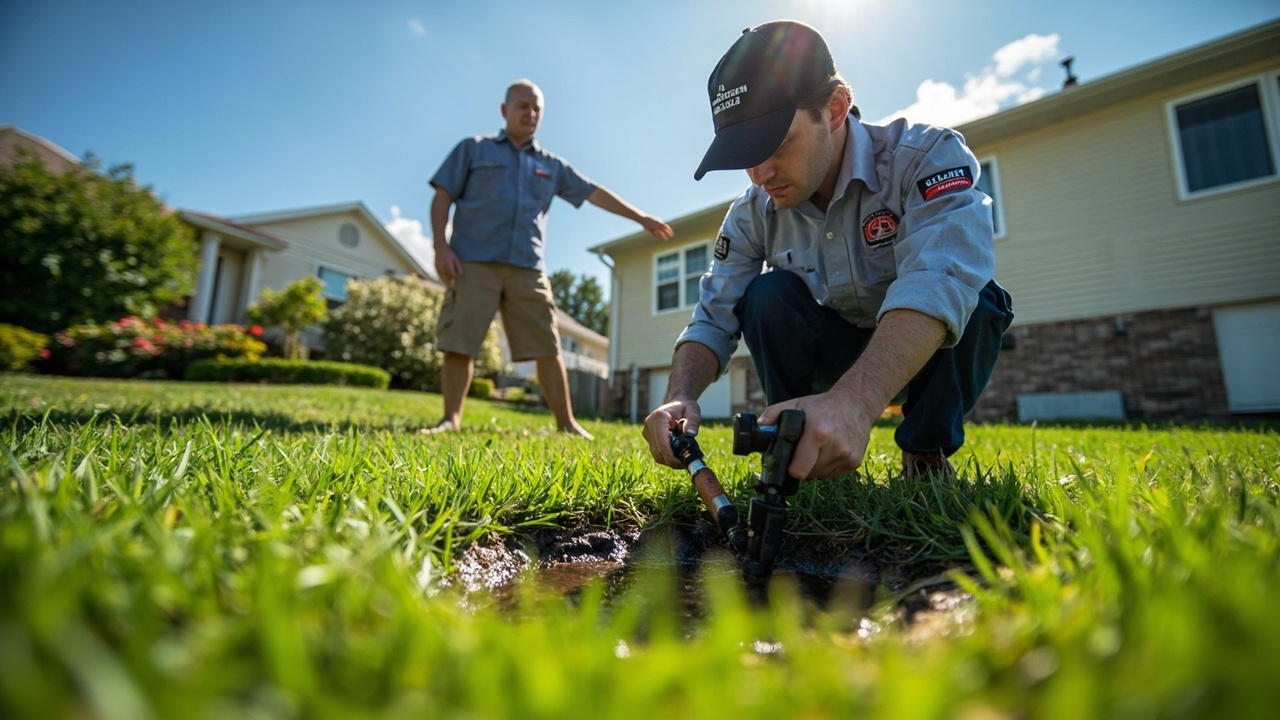
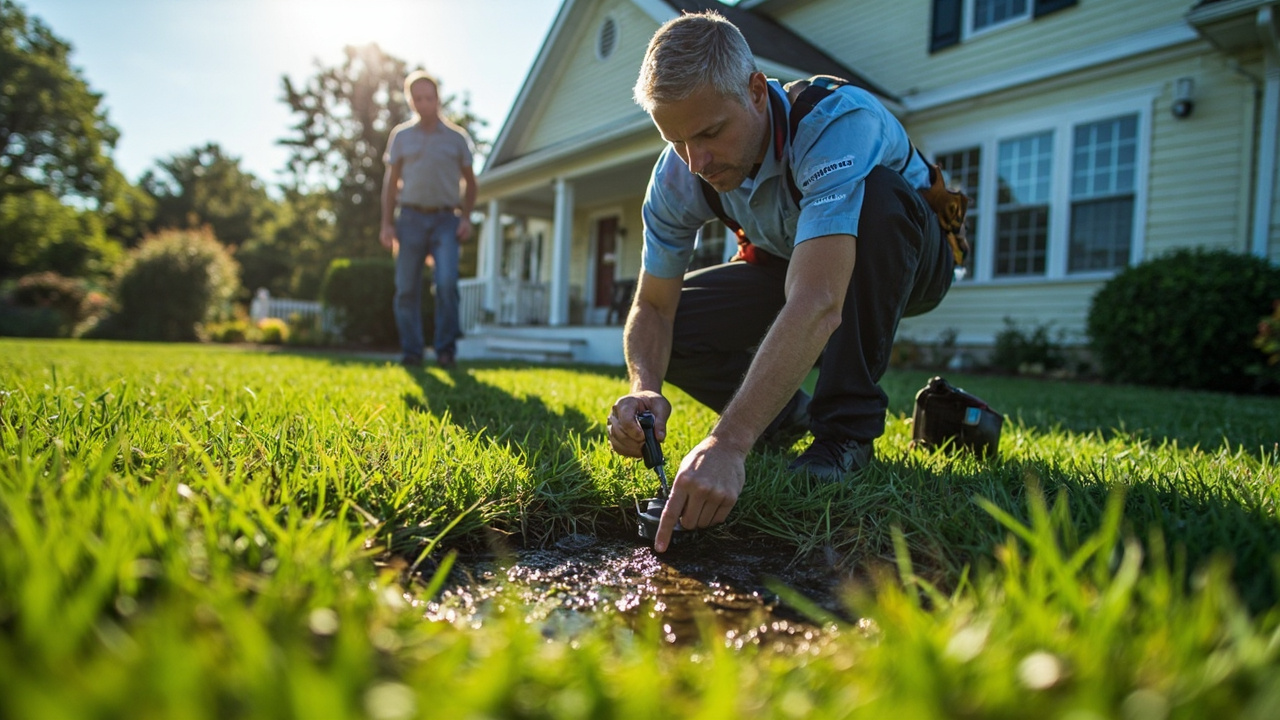
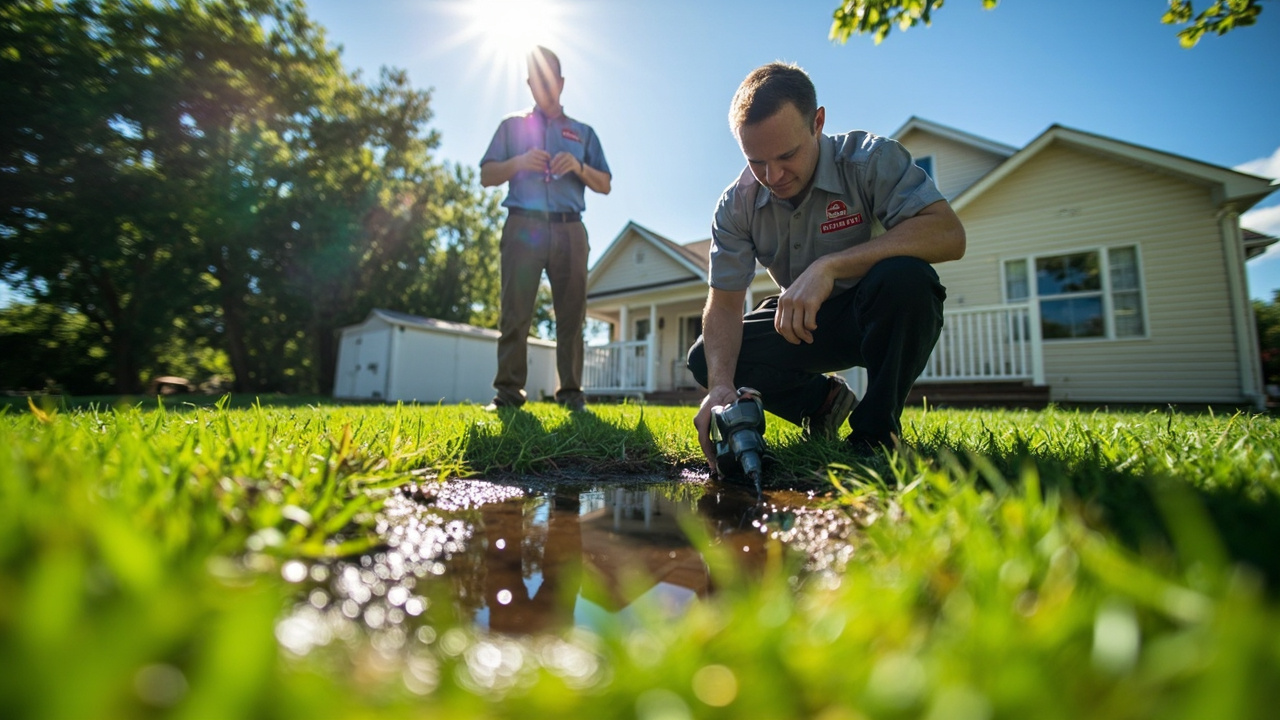
Greater Cincinnati sits on Kope Formation clay, a dense soil that absorbs water slowly and drains even slower. When an underground pipe develops a pinhole leak, the escaping water can't percolate down through the clay layers. Instead, it spreads laterally and rises to the surface, creating pooling water in yard that looks like a drainage problem. This clay also expands when saturated, putting additional pressure on buried pipes and potentially widening small cracks into full ruptures. In neighborhoods like Blue Ash and Montgomery, where clay deposits run particularly deep, homeowners often see unexplained standing water that persists for weeks even after a leak is repaired because the surrounding soil stays saturated.
Keystone Plumbing Cincinnati has diagnosed underground leaks across Hamilton County and Warren County for years. We understand how local soil composition affects leak presentation. We know the common pipe materials used in different Cincinnati neighborhoods based on construction era. We're familiar with Greater Cincinnati Water Works infrastructure and can coordinate with the utility when main line issues complicate diagnostics. This local expertise means faster, more accurate leak detection and repairs that account for regional challenges other plumbers miss. When your yard develops damp spots in lawn that won't dry, you need a team that understands Cincinnati plumbing specifically, not generic troubleshooting that works everywhere except here.