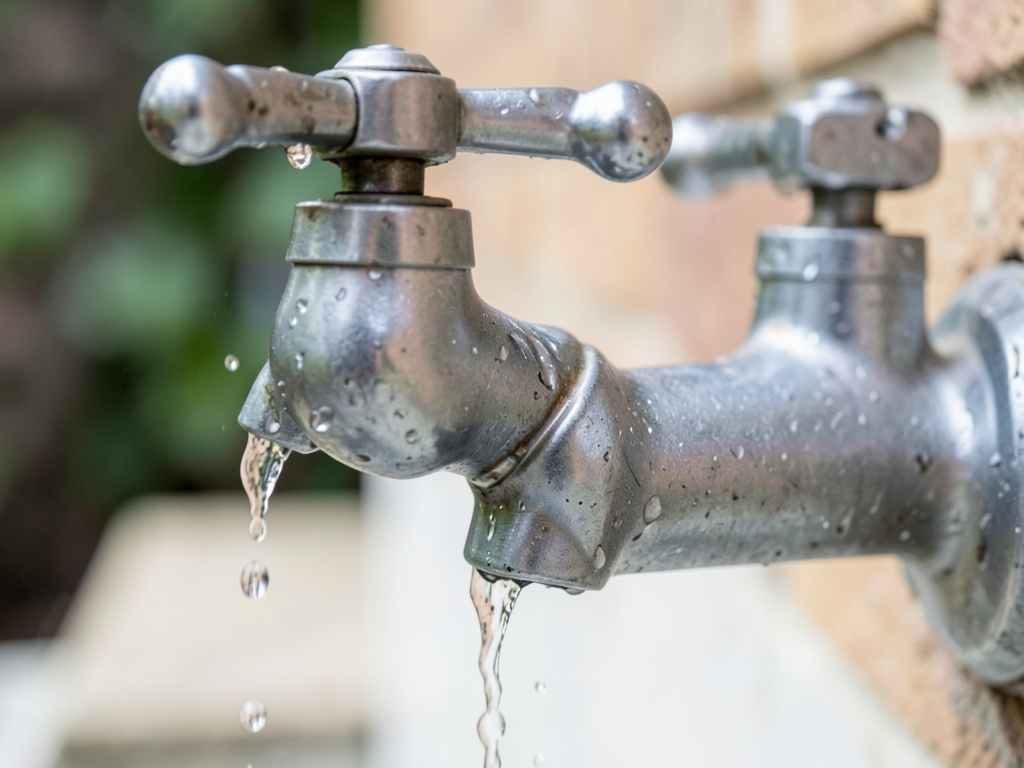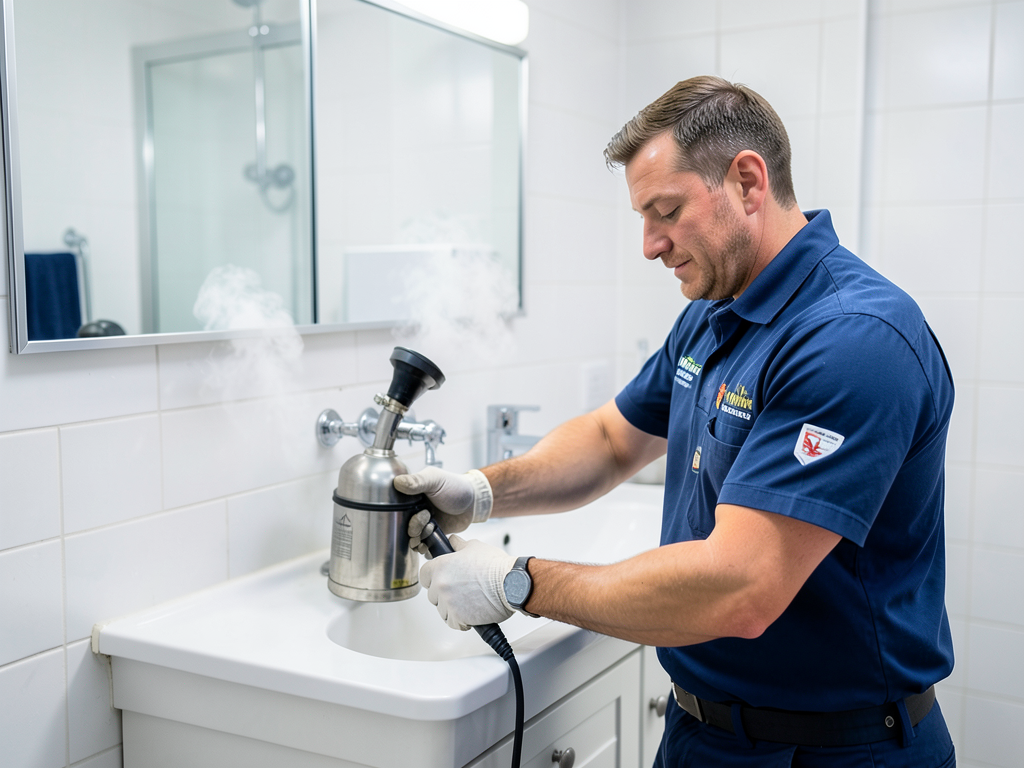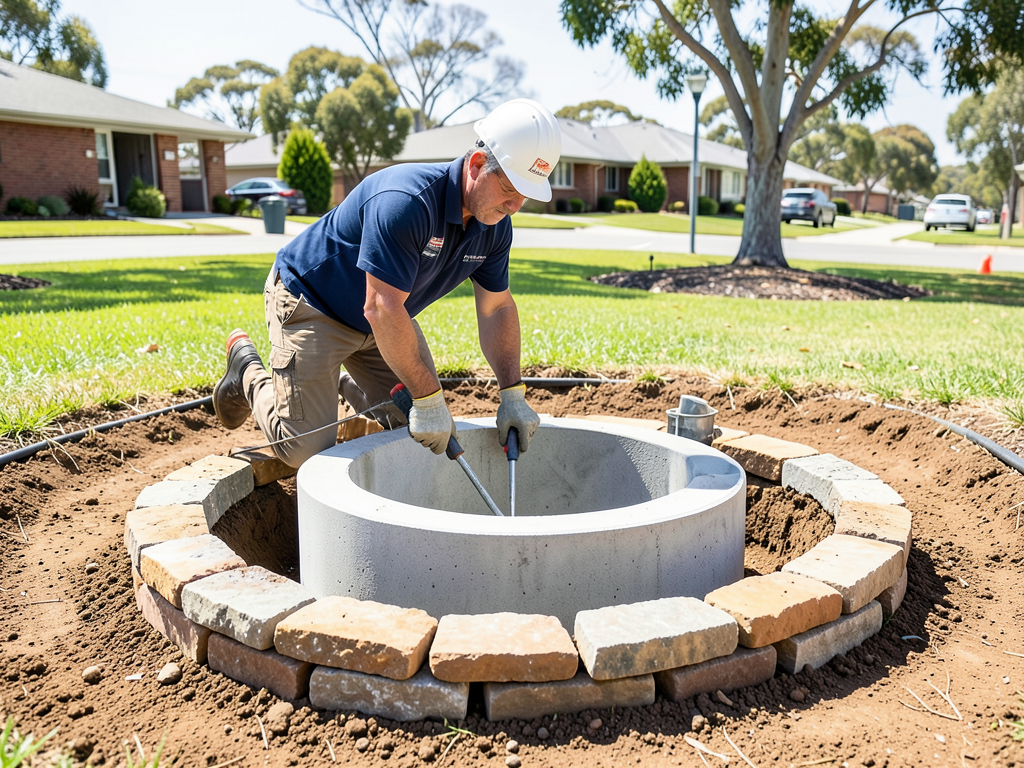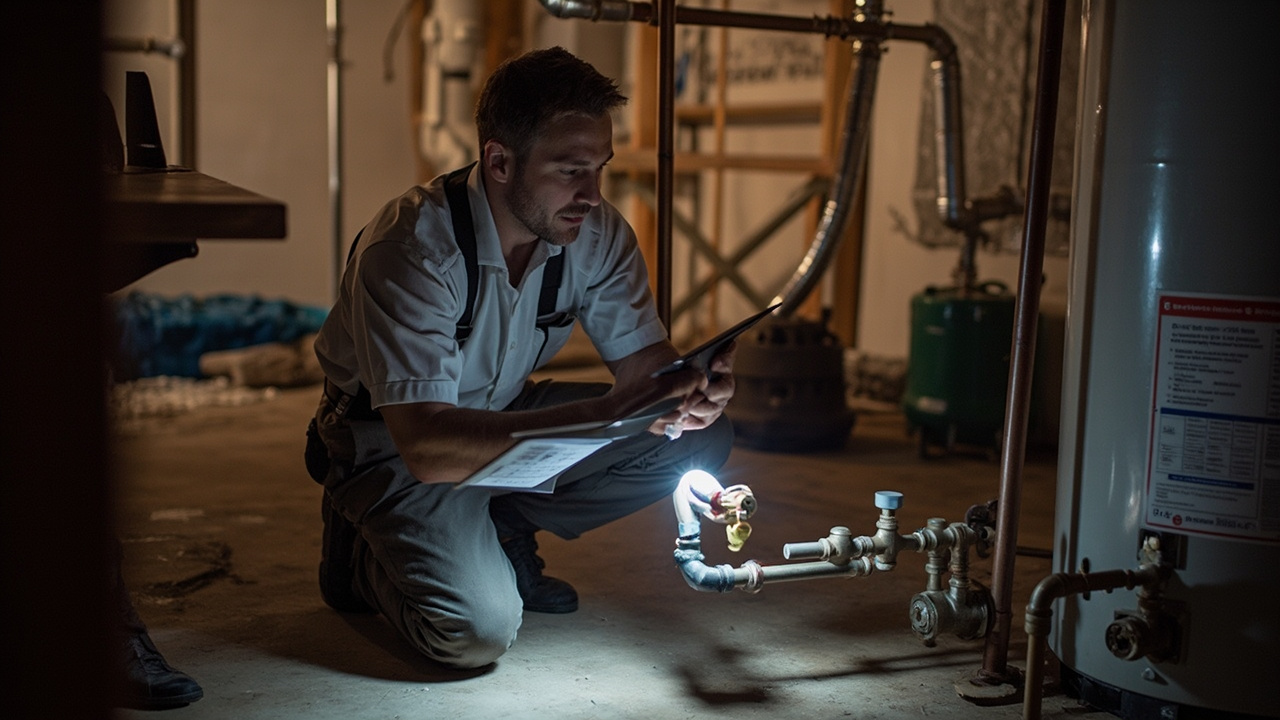
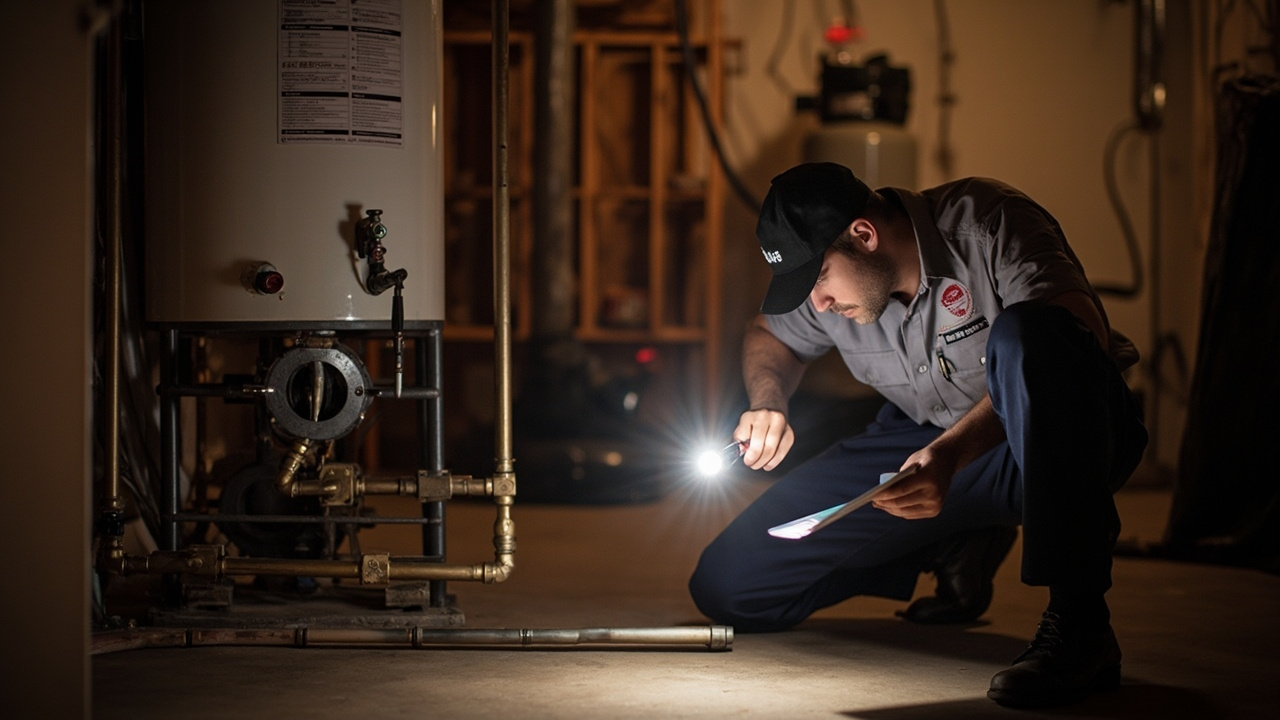
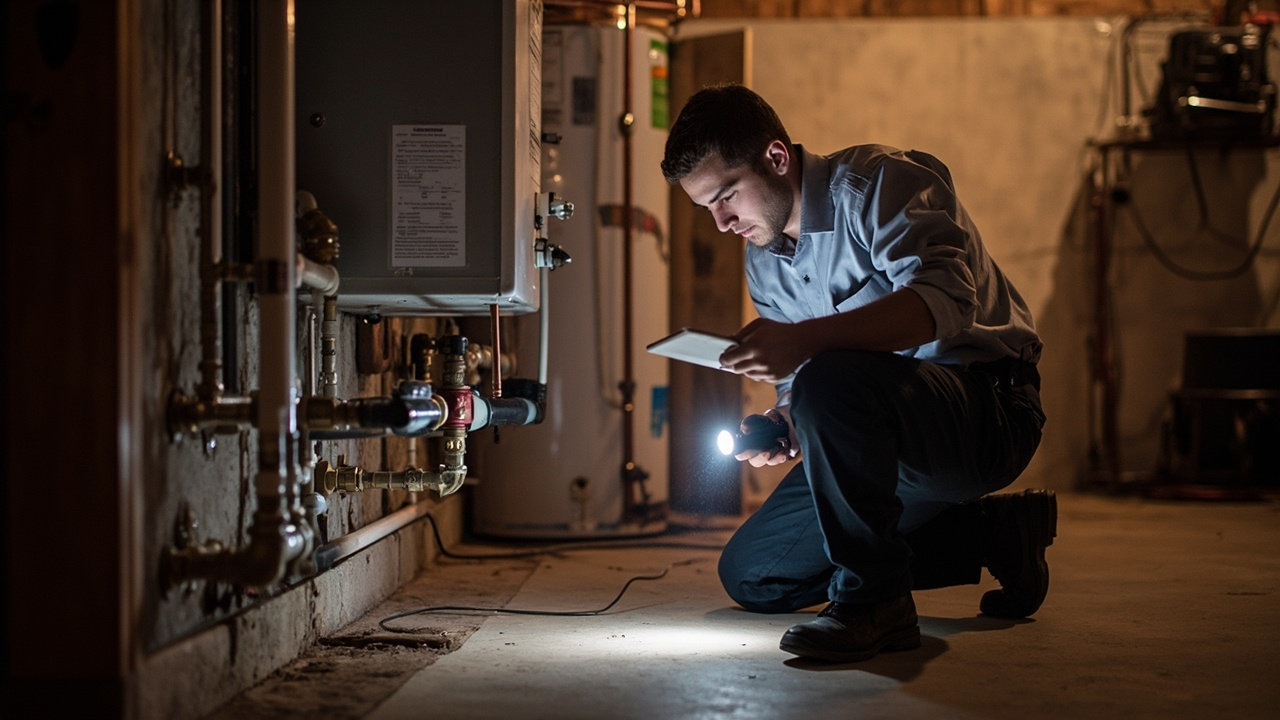
Cincinnati experiences 30 to 40 freeze-thaw cycles each winter as temperatures swing above and below 32 degrees. Water expands when it freezes, creating pressure that splits pipes and cracks fixtures. Outdoor hose bibs, pipes in exterior walls, and supply lines in unheated crawl spaces face the greatest risk. The region's hard water adds another layer of concern. Limestone deposits throughout the aquifer system create water that measures 180 to 280 parts per million total dissolved solids. This mineral-rich water leaves scale deposits that accumulate in water heaters, restrict supply lines, and damage fixture cartridges. A plumbing inspection checklist adapted to Cincinnati conditions focuses on these specific vulnerabilities. Technicians look for inadequate insulation, improper pipe placement, and scale buildup that indicates accelerating damage.
Cincinnati's housing stock includes thousands of homes built before modern plumbing codes existed. Many neighborhoods contain properties with original galvanized steel pipes, cast iron drains, and outdated fixture installations that no longer meet current standards. Local plumbers who understand the evolution of Cincinnati's building codes recognize grandfathered installations that remain legal but may need upgrades during remodeling. They know which older materials still perform adequately and which have reached the end of their service life. This expertise helps homeowners make informed decisions about when to preserve historic plumbing character and when to modernize for safety and reliability.