Menu

How to Prevent Frozen Pipes in Cincinnati – Protect Your Home Before Winter Hits

Learn proven methods to keep water pipes from freezing during Cincinnati's unpredictable winters, plus expert tips on winterizing plumbing pipes before temperatures drop below freezing.

Slider Image 1
Slider Image 2
Slider Image 3
Slider Image 4
Slider Image 5
Slider Image 7
Slider Image 8
Slider Image 9
Slider Image 10
Slider Image 11

Why Cincinnati Winters Are Brutal on Your Plumbing

Cincinnati's freeze-thaw cycles are relentless. Temperatures drop into the teens overnight, then creep back up during the day. This constant fluctuation puts stress on your pipes that most homeowners never see coming.

The city's older housing stock makes the problem worse. Homes in neighborhoods like Over-the-Rhine, Mount Adams, and Northside were built before modern insulation standards. Exterior walls are thinner. Crawl spaces are unheated. Attics lack proper venting. These conditions create perfect scenarios for frozen pipes.

When water freezes inside a pipe, it expands. That expansion creates pressure. Copper pipes can only handle so much force before they crack. PEX lines are more forgiving, but they still fail under extreme cold. Once a pipe bursts, you're looking at hundreds of gallons flooding your basement, ruining drywall, insulation, and personal belongings.

Stopping pipes from freezing starts with understanding where they're most vulnerable. Exterior walls facing north get the least sun exposure. Pipes running through unheated garages or crawl spaces have zero protection. Hose bibs on the outside of your home are exposed to wind chill. These are your weak points.

Frozen pipe prevention tips focus on three things: insulation, heat, and water flow. You need to keep pipes above 32 degrees, even during the coldest nights. That means wrapping exposed lines, sealing air leaks, and sometimes adding heat tape to problem areas.

The goal is simple. Protect your plumbing before the first hard freeze. Once ice forms inside a pipe, your options shrink fast.

Why Cincinnati Winters Are Brutal on Your Plumbing
The Right Way to Winterize Your Plumbing

The Right Way to Winterize Your Plumbing

Winterizing plumbing pipes is not about throwing foam sleeves on every visible line and calling it done. It requires a systematic approach that addresses heat loss, air infiltration, and water stagnation.

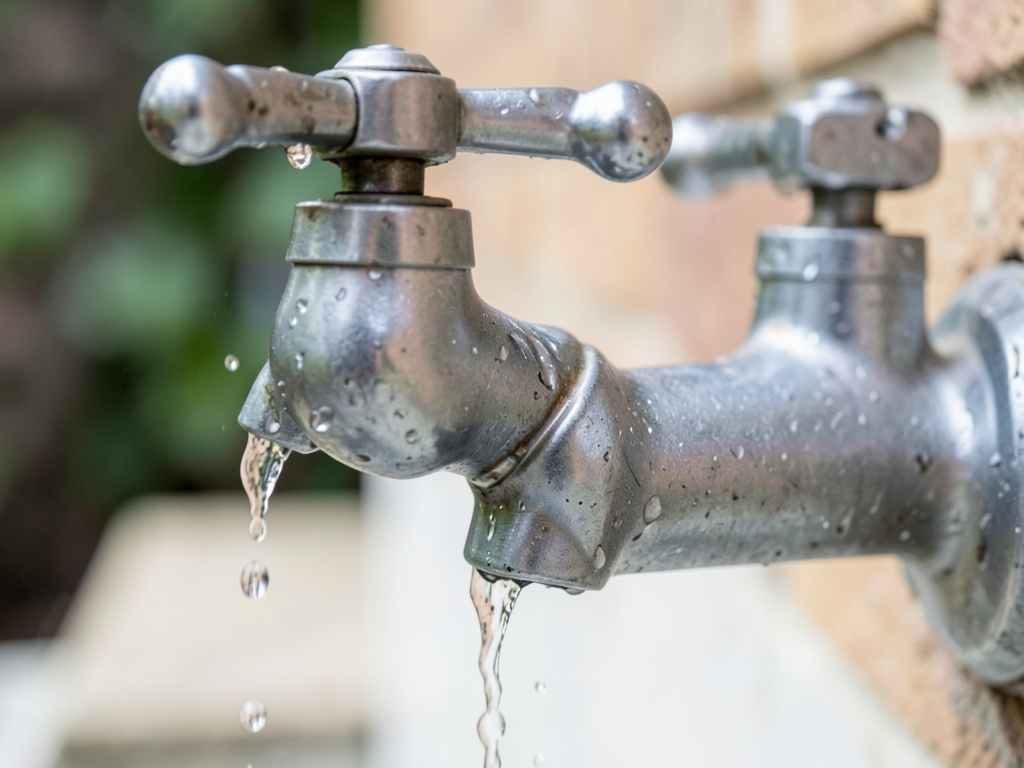
Start with your hose bibs. These outdoor faucets are the first to freeze because they extend through your exterior wall. Disconnect all garden hoses. Water trapped inside the hose creates back pressure that prevents the bib from draining. Once the hose is off, open the valve and let any remaining water drain out. If you have frost-free hose bibs, make sure the shut-off valve inside your home is closed, then open the outside valve to relieve pressure.

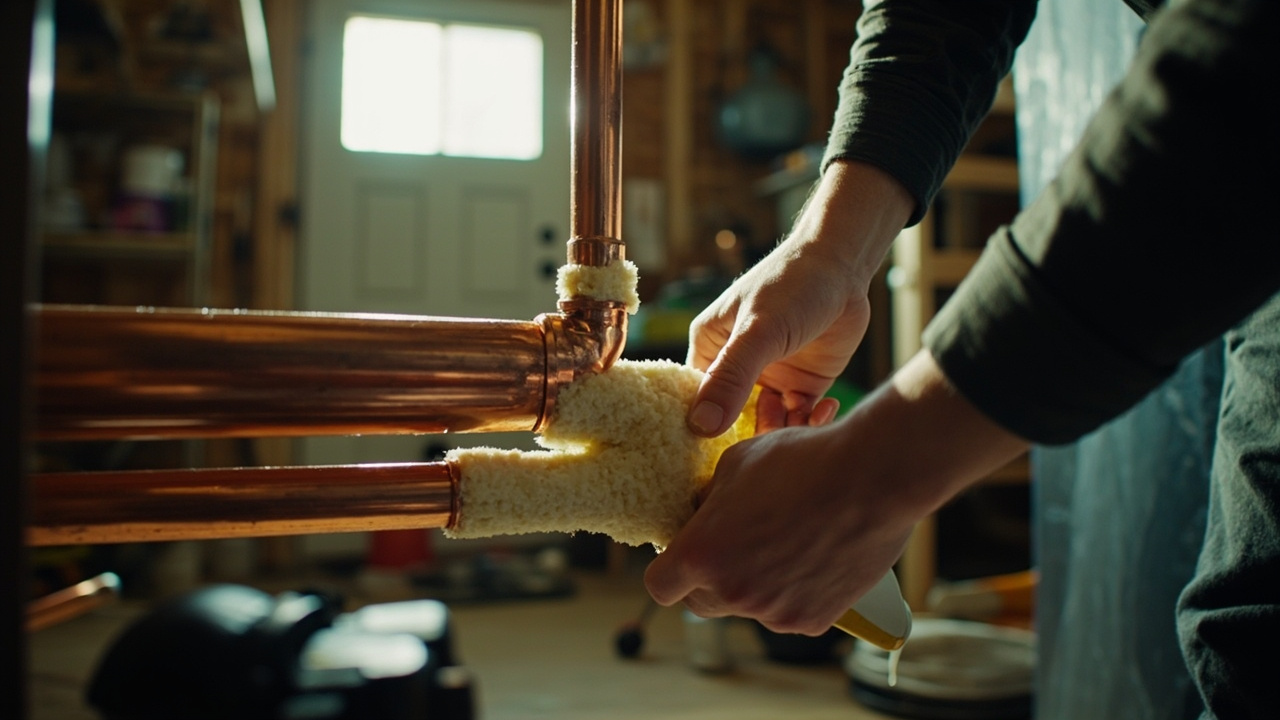
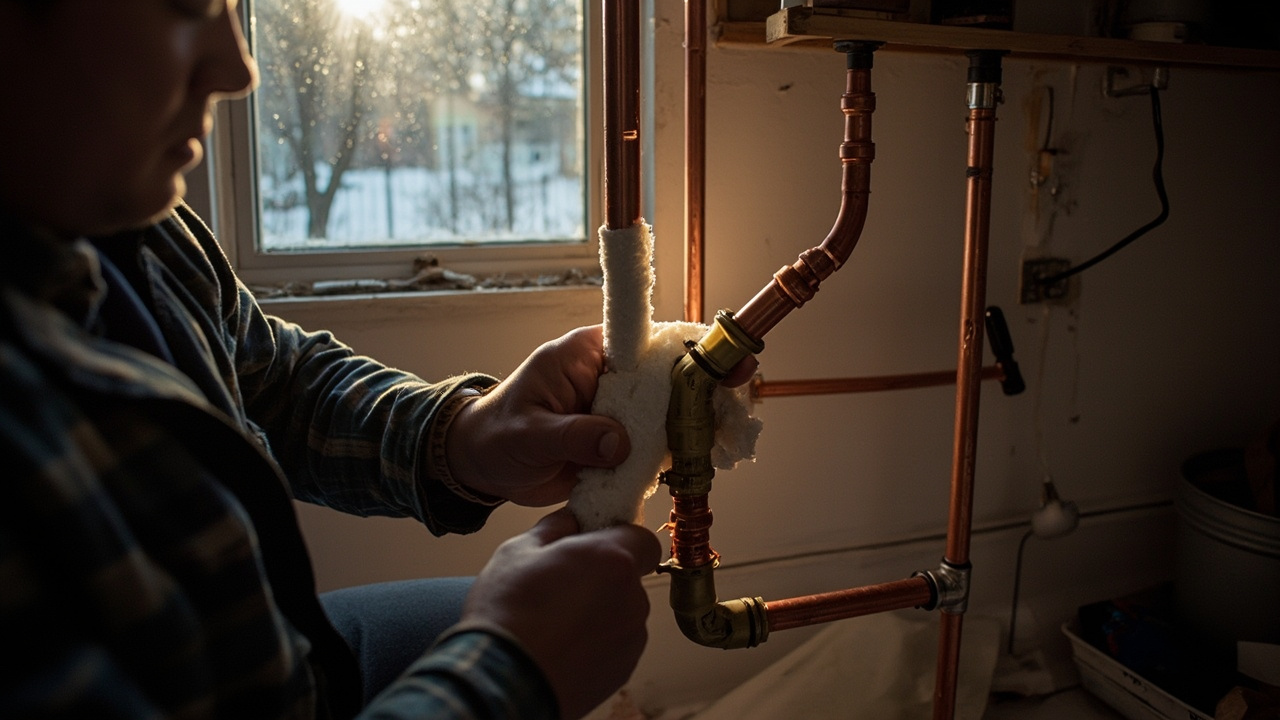
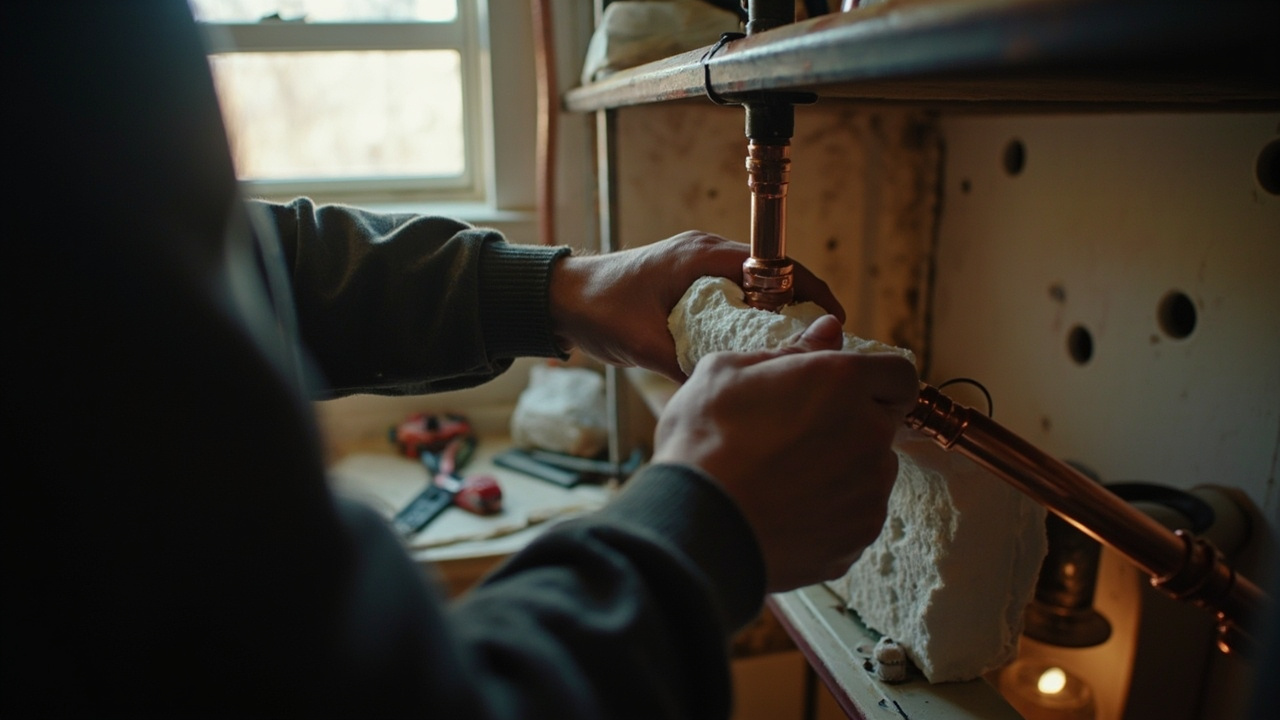
Next, focus on pipes in unheated spaces. Crawl spaces are a major problem in Cincinnati. Cold air seeps in through foundation vents and settles around your supply lines. If you can access these pipes, wrap them with foam pipe insulation. The six-foot sections from the hardware store work fine, but you need to seal the seams with tape. Gaps let cold air in.

Heat tape is your backup for pipes that stay consistently cold. This electric cable wraps around the pipe and provides low-level heat when temperatures drop. You plug it in before winter and leave it on until spring. Use only UL-listed heat tape rated for your pipe material. Improper installation can cause fires.

Seal air leaks around pipes that penetrate your exterior walls. Use expanding foam or caulk to close gaps around the pipe where it enters your home. Cold air flowing through these openings will freeze the pipe from the outside in.

Inside your home, open cabinet doors under sinks on exterior walls. This allows warm air to circulate around the pipes. On the coldest nights, let faucets drip. Moving water is harder to freeze.

Your Step-by-Step Freeze Prevention Plan

How to Prevent Frozen Pipes in Cincinnati – Protect Your Home Before Winter Hits
01

Identify Vulnerable Pipes

Walk through your home and locate every pipe in an unheated area. Check your crawl space, attic, garage, and exterior walls. Pay attention to supply lines running along the foundation. Note which pipes have insulation and which are bare. Mark problem areas with tape so you can address them before winter. This inventory tells you where to focus your efforts.
02

Install Insulation and Heat

Apply foam pipe insulation to all exposed lines in unheated spaces. Wrap heat tape around pipes in crawl spaces or areas that consistently drop below 40 degrees. Seal air leaks around pipes penetrating exterior walls with spray foam. Install insulated faucet covers on outdoor hose bibs. These physical barriers keep cold air away from your plumbing and maintain a buffer zone of warmer air around the pipes.
03

Monitor and Adjust

When temperatures drop below 20 degrees, open cabinet doors under sinks and let faucets drip overnight. Check your crawl space temperature with a wireless thermometer. If it drops below 35 degrees, you need more heat. Consider adding a space heater on a thermostat or installing foundation vent covers. Keep monitoring through winter and adjust your strategy based on how your home responds to cold snaps.

Why Local Knowledge Matters for Pipe Protection

Cincinnati's housing is different from other cold-weather cities. We have a mix of pre-war homes with stone foundations, mid-century ranches with slab-on-grade construction, and newer builds with modern insulation. Each type has unique vulnerabilities when it comes to keeping water pipes from freezing.

Homes in historic districts like Mount Auburn and Clifton Heights often have cast iron supply lines running through uninsulated exterior walls. These thick walls provide some thermal mass, but the pipes themselves are exposed to temperature swings. Modern foam insulation can't always fit in the tight spaces between the pipe and the wall cavity. You need custom solutions.

Ranch homes built in the 1950s and 1960s often have pipes in crawl spaces with minimal clearance. You can't always access these lines without cutting through flooring or removing ductwork. A local plumber who has worked in these homes knows where the access panels are hidden and how to retrofit insulation without major demolition.

Cincinnati's clay soil also plays a role. When the ground freezes, it can shift foundation walls and crack basement floors. These movements create new air leaks that expose pipes to cold drafts. A plumber familiar with settling issues in neighborhoods like Price Hill or Westwood can spot these problems during an inspection.

Keystone Plumbing Cincinnati has been protecting pipes from freezing in this city for years. We know which neighborhoods have the worst freeze problems. We understand how the Ohio River valley's humidity affects insulation performance. We've seen what happens when homeowners try DIY solutions that fail during a cold snap.

Local expertise means faster diagnosis and better solutions. We don't waste time figuring out your home's layout or guessing at the best fix. We've been in hundreds of Cincinnati crawl spaces and attics. We know what works.

What Happens When You Take Action Now

Same-Week Service Availability

We schedule freeze prevention work within days of your call. Most inspections take under an hour. We evaluate your home's vulnerable areas, check existing insulation, and identify pipes at risk. Simple jobs like adding foam insulation or installing heat tape can be completed the same day. More complex work gets scheduled based on your timeline. We work around your schedule because protecting pipes from freezing is time-sensitive. Once temperatures drop consistently below freezing, your window closes fast.

Thorough Home Assessment

Our assessment covers every area where pipes are exposed to cold. We check your crawl space, attic, garage, and exterior walls. We measure clearances, test insulation thickness, and look for air leaks around pipe penetrations. You get a written report listing vulnerable pipes and recommended actions. We explain why each pipe is at risk and what level of protection it needs. The assessment takes about 45 minutes for most homes. You'll know exactly what needs to be done before winter arrives.

Reliable Freeze Protection

When we winterize your plumbing, the work holds up through the coldest nights. We use commercial-grade foam insulation rated for below-freezing temperatures. Our heat tape installations include thermostatic controls that activate automatically when temperatures drop. We seal air leaks with materials designed for foundation applications. The result is a plumbing system that stays above freezing even when outdoor temperatures hit single digits. You won't wake up to frozen pipes or burst lines if the work is done correctly.

Winter Monitoring Support

After we winterize your pipes, you get access to our winter monitoring checklist. This simple guide tells you what to do when temperatures drop below 20 degrees. We explain when to let faucets drip, which cabinet doors to open, and how to check if your heat tape is working. If you have questions during a cold snap, you can call us. We provide phone support throughout winter for all freeze prevention customers. If something does go wrong, we prioritize service calls for homes we've already winterized.

Frequently Asked Questions

You Have Questions,
We Have Answers

Do all faucets need to drip to prevent freezing? +

No, not every faucet needs to drip. Focus on faucets connected to pipes in vulnerable spots. In Cincinnati homes, target bathrooms or kitchens on exterior walls, crawl spaces, and unheated basements. Pipes running through garages or attics are high-risk during freeze-thaw cycles. Let a thin stream flow from the farthest faucet from your main water line. This keeps water moving and reduces pressure buildup. If you have exposed pipes in multiple zones, drip one faucet per zone. Wasting water beats paying for burst pipe repairs and water damage restoration.

How do I stop my pipes from freezing? +

Stop pipes from freezing by insulating exposed lines with foam sleeves or heat tape. Seal gaps around pipes where cold air enters, especially near rim joists and foundation cracks common in older Cincinnati homes. Keep cabinet doors open under sinks to let warm air circulate. Disconnect garden hoses and shut off exterior spigots. Set your thermostat to at least 55 degrees when you leave. On freezing nights, let faucets drip slightly. During extreme cold snaps, open interior doors to improve airflow. Check your crawl space vents and close them in winter if your system allows.

How often should I run water to keep pipes from freezing? +

Run water continuously during freezing conditions, not just periodically. A steady drip, about five drips per minute, keeps water moving through vulnerable pipes. In Cincinnati, pay attention when temps drop below 20 degrees, especially overnight. You do not need a strong flow. A pencil-thin stream works for high-risk pipes. Running water every few hours does not help because pipes freeze when water sits still. Keep the drip going throughout the cold spell, not just for an hour. Stop once daytime temps climb above freezing and stay there. Monitor weather forecasts closely during polar vortex events.

At what temperature do pipes freeze? +

Pipes typically freeze when exterior temperatures hit 20 degrees Fahrenheit or lower. However, Cincinnati wind chill and humidity affect freezing speed. Pipes in unheated spaces like crawl spaces, attics, or exterior walls freeze faster. Duration matters too. Pipes exposed to 25 degrees for several hours can freeze if wind penetrates gaps in your home's envelope. Older homes in neighborhoods like Over-the-Rhine or Northside often have poor insulation, increasing risk. Pipes freeze when internal water temperature drops to 32 degrees. Metal pipes conduct cold faster than PEX. Take action before temps dip below 25 degrees overnight.

Should you drip faucets all day or just at night? +

Drip faucets all day and night when temperatures stay below 20 degrees. In Cincinnati, overnight freezing happens most often, but daytime temps in January can remain dangerously low for extended periods. If your forecast shows sustained cold, keep faucets dripping around the clock. Stopping during the day wastes your prevention effort because pipes can freeze quickly when temps hover near 20 degrees. The small water bill increase costs far less than repairing burst pipes and drywall. Focus dripping during nighttime hours if daytime temps climb above 28 degrees. Use your judgment based on real-time conditions and your home's insulation quality.

What freezes first, hot or cold water pipes? +

Hot water pipes freeze first despite the temperature difference. Hot water pipes typically have less water sitting in them after use, and they lose heat faster once flow stops. In Cincinnati homes, hot water lines often run through exterior walls or unheated spaces to reach bathrooms and kitchens. Cold water lines stay fuller and maintain more consistent temperatures. Hot water pipes also experience more expansion and contraction cycles, weakening joints over time. This makes them more vulnerable during freeze events. Insulate hot water lines first, especially those running through your attic, crawl space, or along exterior walls in older homes.

How Cincinnati's Freeze-Thaw Cycles Demand Better Pipe Protection

Cincinnati sits in a transition zone where winter temperatures swing wildly. You'll see 45 degrees one day and 15 degrees the next. These rapid changes stress your plumbing harder than consistent cold. Pipes that survive a steady freeze can crack during the thaw when pressure builds inside partially frozen lines. The Ohio River valley's humidity makes it worse. Moist air conducts heat away from pipes faster than dry air. Your pipes lose warmth quickly when cold fronts blow through. This combination of temperature swings and high humidity means Cincinnati homes need more aggressive freeze protection than cities with stable winter climates.

Keystone Plumbing Cincinnati understands these local conditions because we work in this climate year-round. We know which neighborhoods flood when pipes burst. We've repaired freeze damage in homes from Anderson Township to Westwood. We understand Cincinnati's building codes for insulation requirements and pipe protection standards. When you hire a local plumber for winterizing plumbing pipes, you're getting someone who has seen how your type of home responds to cold weather. We know the weak points in Cincinnati construction and how to reinforce them before winter hits. That local knowledge prevents expensive repairs later.
Plumbing Services in The Cincinnati Area

We are proud to serve the entire area, providing exceptional plumbing services to our community. Our service area covers all of the city and its surrounding neighborhoods. Use the map to see our location and get directions, or simply give us a call to schedule a service. Our team is always ready to travel to your location to address your plumbing needs quickly and efficiently, ensuring you receive the prompt service you deserve.

Address:
Keystone Plumbing Cincinnati, 71 E Hollister St, Cincinnati, OH, 45219

Additional Services We Offer

Our news updates

Latest Articles & News from The Blogs

Repairing or Running New Gas Lines for Your Fireplace in Reading Gas fireplace line repair in Reading OH requires immediate…

Repairing or Running New Gas Lines for Your Fireplace in Reading

Repairing or Running New Gas Lines for Your Fireplace in Reading Gas fireplace line repair in Reading OH requires immediate…

Getting a Professional to Install Your New Dishwasher in North College Hill

Professional Dishwasher Installation in North College Hill, OH Dishwasher installation might seem simple but the wrong connections can lead to…

Making Your Mt. Healthy Home More Accessible With ADA Compliant Plumbing

Making Your Mt. Healthy Home More Accessible With ADA Compliant Plumbing Mt. Healthy’s clay-rich soil creates unique challenges for bathroom…

Contact Us

Don't wait until temperatures drop to protect your plumbing. Call Keystone Plumbing Cincinnati at (513) 717-2899 today. We'll schedule your freeze prevention assessment and have your home ready before winter arrives.