Menu

Water Conservation Tips in Cincinnati – Cut Your Water Bills and Protect Local Water Resources

Discover proven water efficiency strategies designed for Cincinnati's unique climate and water systems, helping you reduce water consumption, lower utility costs, and contribute to Ohio River watershed protection.

Slider Image 1
Slider Image 2
Slider Image 3
Slider Image 4
Slider Image 5
Slider Image 7
Slider Image 8
Slider Image 9
Slider Image 10
Slider Image 11

Why Cincinnati Homeowners Need Smart Water Conservation Now

Cincinnati's location along the Ohio River creates a false sense of unlimited water availability. The reality is different. The Greater Cincinnati Water Works serves over one million people, and during summer months, demand spikes dramatically. Your water bills reflect this strain, especially as infrastructure upgrades continue across Hamilton County.

Cincinnati's clay-heavy soil and freeze-thaw cycles create another challenge. Outdoor watering during drought periods compacts soil further, while winter pipe stress increases the risk of hidden leaks that waste thousands of gallons annually. Many homes in neighborhoods like Hyde Park, Mt. Adams, and Clifton were built before modern efficiency standards existed. These older properties often have outdated fixtures that use three to five times more water than current models.

Ways to save water start with understanding your consumption patterns. The average Cincinnati household uses about 80 to 100 gallons per person daily. Much of this waste happens invisibly through toilet leaks, dripping faucets, and inefficient appliances. A single running toilet can waste 200 gallons daily. That adds up to over 6,000 gallons monthly, money flowing straight into the sewer system.

Water efficiency strategies matter beyond your wallet. The Ohio River watershed faces pressure from agricultural runoff, industrial use, and municipal demand. Reduce water consumption at home, and you decrease the energy needed for treatment and distribution. You also extend the life of local infrastructure while protecting the aquifer systems that supplement surface water during dry periods.

Smart water saving techniques address both immediate costs and long-term sustainability. Cincinnati's humid summers and unpredictable rainfall patterns make conservation year-round work, not just a summer concern.

Why Cincinnati Homeowners Need Smart Water Conservation Now
Practical Water Efficiency Strategies That Work in Cincinnati Homes

Practical Water Efficiency Strategies That Work in Cincinnati Homes

How to save water at home begins with fixture upgrades and behavior changes. Start with your bathrooms, where 60 percent of indoor water use occurs. Install WaterSense-labeled toilets that use 1.28 gallons per flush instead of older models consuming 3.5 to 7 gallons. The payback period in Cincinnati averages 18 months based on current water rates.

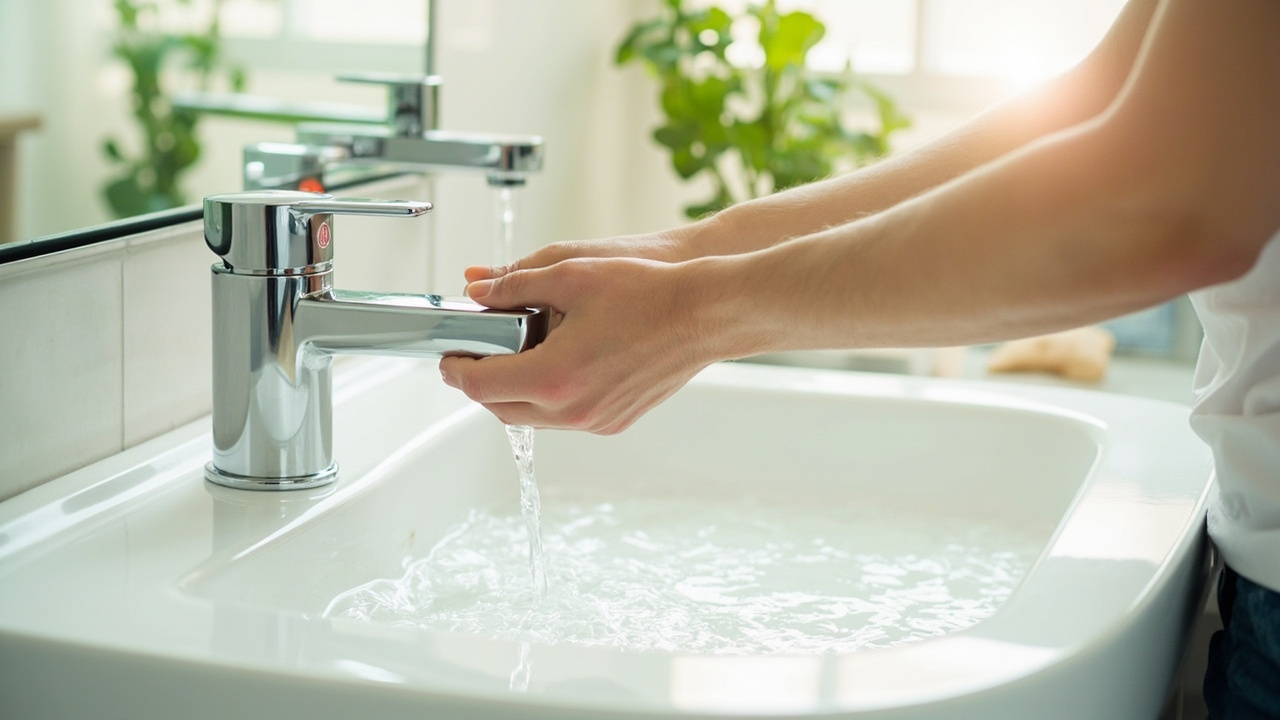
Showerheads matter more than most realize. Standard showerheads flow at 2.5 gallons per minute. Low-flow models deliver 1.5 to 2.0 gallons per minute without sacrificing pressure. For a family of four taking daily showers, this change saves roughly 7,000 gallons annually. Install pressure-compensating aerators on bathroom and kitchen faucets. These devices maintain flow feel while cutting actual volume by 30 to 50 percent.

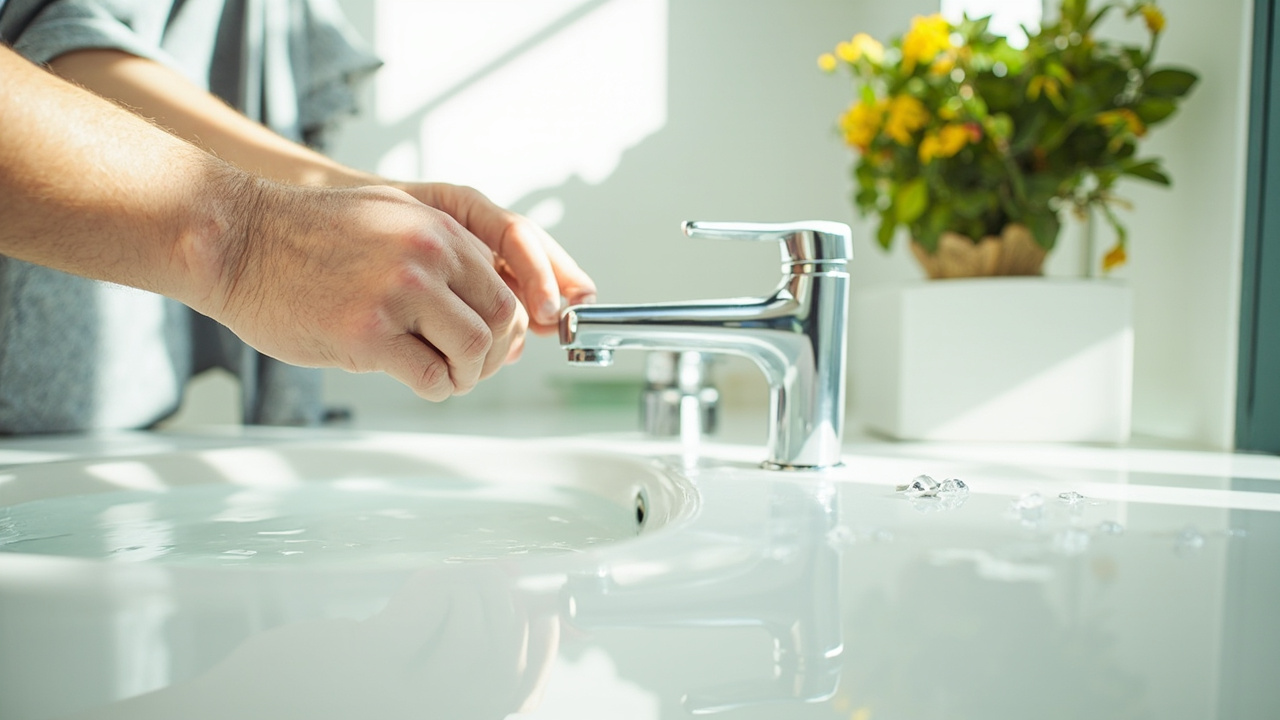
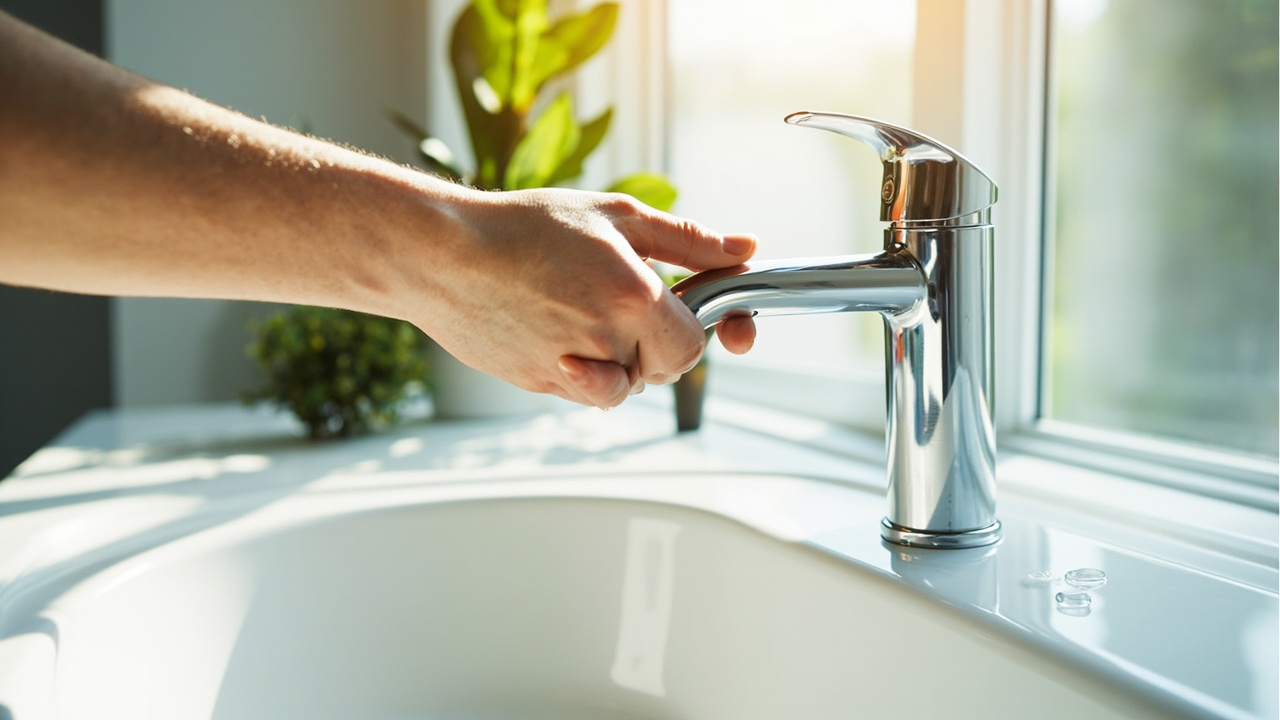
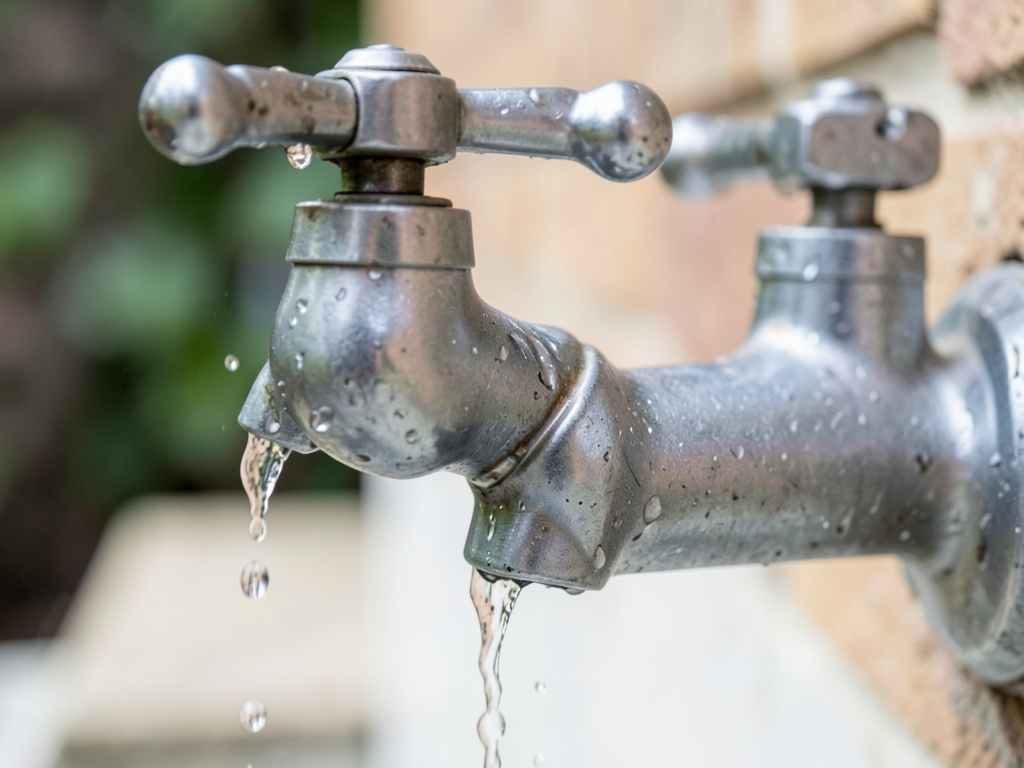
Leak detection separates efficient homes from water-wasting properties. Check your water meter before bed, then again in the morning without using any water overnight. Movement indicates a leak somewhere in your system. Common culprits include flapper valves in toilets, supply line connections under sinks, and pressure relief valves on water heaters. Many leaks occur at hose bibs and outside spigots damaged during Cincinnati's freeze-thaw cycles.

Your water heater represents another conservation opportunity. Sediment buildup from Cincinnati's moderately hard water reduces efficiency and increases energy consumption. Flush your tank annually to remove mineral deposits. Lower the thermostat to 120 degrees Fahrenheit. Each 10-degree reduction cuts standby heat loss by three to five percent.

Kitchen and laundry habits drive significant consumption. Run dishwashers and washing machines only with full loads. Modern Energy Star dishwashers use less water than hand washing. For laundry, match water level to load size, and wash full loads whenever possible. These simple adjustments reduce water consumption by 15 to 25 percent monthly.

Your Path to Lower Water Bills and Smarter Usage

Water Conservation Tips in Cincinnati – Cut Your Water Bills and Protect Local Water Resources
01

Water Use Assessment

We evaluate your current consumption patterns by examining fixture flow rates, checking for hidden leaks, and reviewing your water bills from the past year. This baseline assessment identifies your biggest waste sources and prioritizes improvements based on return on investment. We test supply pressure, inspect all fixtures, and calculate potential savings from specific upgrades.
02

Custom Conservation Plan

Based on your assessment, we create a phased improvement strategy tailored to your budget and goals. This includes fixture recommendations, behavioral modifications, and seasonal adjustments specific to Cincinnati's climate patterns. We explain payback periods, calculate annual savings, and help you access any available rebates through Greater Cincinnati Water Works or utility assistance programs.
03

Implementation and Monitoring

We handle installations of new fixtures, repair identified leaks, and set up simple monitoring systems so you track results. After implementation, we provide a follow-up check to verify performance and answer questions about maintaining your new efficiency levels. You receive documentation showing before and after consumption rates, proving the value of your investment.

Why Cincinnati Homeowners Trust Local Expertise for Conservation

Water conservation requires understanding local conditions that national companies cannot grasp. Cincinnati's water chemistry differs from other cities. Our moderately hard water creates scale buildup patterns that affect fixture performance and lifespan. We know which products resist mineral deposits and which fail within months.

Cincinnati's mixed housing stock demands flexible solutions. Victorian homes in Over-the-Rhine have plumbing configurations completely different from ranch houses in Anderson Township or newer construction in Mason. We work with galvanized pipe systems from the 1920s, copper installed in the 1960s, and modern PEX systems. This experience matters when retrofitting older properties without destroying historic character or triggering expensive code upgrades.

Local code knowledge prevents costly mistakes. Hamilton County requires backflow prevention devices on irrigation systems. Many DIY installations miss this requirement, creating contamination risks and code violations. We ensure all conservation upgrades meet current standards while coordinating any needed permits with local building departments.

Keystone Plumbing Cincinnati focuses on practical, measurable results. We skip the gimmicks and unproven technologies, recommending only water efficiency strategies with documented track records in our climate. Our technicians live in neighborhoods like Oakley, Pleasant Ridge, and Northside. They understand local water pressure variations, seasonal demand patterns, and the specific challenges older infrastructure creates.

We maintain relationships with Greater Cincinnati Water Works and stay current on rebate programs, drought restrictions, and system improvements affecting your area. This connection helps you maximize incentives while staying compliant with any emergency conservation measures during dry periods. Local expertise means solutions that work in Cincinnati conditions, not generic advice recycled from other markets.

What You Get with Professional Conservation Services

Immediate Action and Assessment

We respond to conservation assessment requests within 48 hours for most Cincinnati neighborhoods. During your initial visit, expect a complete property evaluation lasting 60 to 90 minutes. We examine every water-using fixture, test for leaks using electronic detection equipment, and measure current flow rates. You receive a written report documenting findings and prioritized recommendations before we leave. Emergency leak repairs happen same-day to stop ongoing waste immediately. Standard fixture upgrades typically schedule within one week of approval.

Thorough Property Evaluation

Our assessment goes beyond obvious fixtures. We inspect supply lines for corrosion and weak spots that become future leaks. Pressure testing identifies issues with your pressure regulator, which affects fixture lifespan and water waste. We check your water heater for sediment buildup and proper temperature settings. Outside, we examine hose bibs, irrigation systems, and drainage patterns that affect outdoor water use. You learn exactly where water goes, how much each area consumes, and which changes deliver the fastest payback through reduced bills.

Measurable Results and Savings

Every conservation improvement we install comes with performance specifications and expected savings calculations. We document baseline consumption before work begins, then track results over the following months. Most fixture upgrades show immediate impact on your next water bill. Comprehensive conservation programs typically reduce household water consumption by 20 to 35 percent annually. We provide detailed documentation showing gallons saved, cost reductions, and environmental impact. This data proves your investment value and helps with any resale documentation showing efficiency improvements to potential buyers.

Ongoing Support and Maintenance

Water efficiency requires periodic maintenance to sustain results. We offer annual checkups to verify fixture performance, test for new leaks, and update recommendations based on technology improvements or rate changes. Our maintenance plans include water heater flushing, aerator cleaning, and supply line inspections. You receive reminder notices when seasonal checks are due, like spring irrigation system inspections or fall outdoor spigot winterization. We track your consumption trends and alert you to unusual increases that might indicate new problems developing.

Frequently Asked Questions

You Have Questions,
We Have Answers

What are 10 ways to conserve water? +

Fix leaky faucets and toilets immediately. Install low-flow showerheads and faucet aerators. Run dishwashers and washing machines only with full loads. Take shorter showers. Turn off the tap while brushing teeth or washing dishes. Water your lawn early in the morning to reduce evaporation. Use a broom instead of a hose to clean driveways. Collect rainwater for outdoor plants. Insulate hot water pipes to reduce wait time for warm water. Upgrade to WaterSense certified fixtures. Cincinnati's humid climate means every gallon you save reduces strain on the Mill Creek treatment system.

What are the 5 R's of water conservation? +

The 5 R's of water conservation are Reduce, Reuse, Recycle, Repair, and Rethink. Reduce your water use by taking shorter showers. Reuse greywater from sinks for outdoor watering. Recycle water where possible through collection systems. Repair leaks in pipes, faucets, and toilets as soon as they appear. Rethink your landscaping choices by choosing native Cincinnati plants that thrive in Ohio's climate without heavy irrigation. These five principles form a complete approach to cutting water waste in your home and protecting the Ohio River watershed.

What are 7 ways to conserve water? +

Fix all leaks immediately. Install low-flow showerheads and toilets. Turn off water while brushing teeth. Run full loads in dishwashers and washing machines. Water lawns early morning to minimize evaporation. Use mulch around plants to retain soil moisture. Take shorter showers. These seven steps cut water waste significantly. Cincinnati homeowners face high humidity but also periodic drought conditions. Conserving water protects local infrastructure and keeps your utility bills manageable while supporting responsible use of Ohio River resources.

What are 20 ways to save water? +

Fix dripping faucets. Install low-flow fixtures. Take five-minute showers. Turn off taps while soaping hands. Run full dishwasher loads. Use washing machines efficiently. Water lawns before 8 AM. Mulch garden beds. Sweep driveways instead of hosing. Check toilets for leaks. Insulate pipes. Install rain barrels. Use a bucket to catch shower warm-up water. Wash cars with buckets. Thaw food in the fridge. Scrape dishes instead of rinsing. Choose native plants. Aerate your lawn. Adjust sprinklers properly. Monitor your water bill for spikes indicating hidden leaks in your Cincinnati home's plumbing system.

What are 8 ways to conserve water? +

Fix leaks in faucets and toilets immediately. Install low-flow showerheads to cut shower water use by half. Turn off the tap while brushing teeth or washing dishes. Run dishwashers and washing machines only when full. Water outdoor plants early in the morning when evaporation rates are lowest. These eight actions reduce household water consumption significantly. Cincinnati's aging infrastructure benefits when residents conserve water. Lower demand means less stress on treatment facilities and reduced risk of basement flooding during heavy Ohio Valley storms.

How can we save water 50 ways? +

Fifty ways to save water include fixing leaks, installing efficient fixtures, shortening showers, running full loads, watering wisely, using rain barrels, choosing native landscaping, mulching gardens, sweeping instead of hosing, checking for hidden leaks, insulating pipes, upgrading appliances, composting food waste, washing cars efficiently, and monitoring usage patterns. The complete list covers indoor and outdoor conservation. Cincinnati homeowners who adopt even ten of these practices see noticeable drops in water bills. Focus on high-impact changes first like repairing leaks and upgrading old toilets that waste thousands of gallons yearly.

How to stop wasting water? +

Stop wasting water by identifying where you lose it. Check for leaky faucets, running toilets, and dripping showerheads. Turn off taps while brushing teeth or scrubbing dishes. Reduce shower time by two minutes. Run appliances only when full. Water landscaping in early morning to prevent evaporation loss. In Cincinnati, the combination of humid summers and freeze-thaw winters causes pipe stress and hidden leaks. Inspect your plumbing regularly. Small drips become hundreds of gallons wasted monthly. Address problems immediately to protect your wallet and local water resources.

What are 5 ways to protect the environment? +

Conserve water by fixing leaks and installing efficient fixtures. Reduce energy use by upgrading insulation and using LED lighting. Minimize waste through recycling and composting programs. Choose sustainable transportation like biking or public transit. Support local ecosystems by planting native species that require less maintenance. In Cincinnati, protecting the Ohio River watershed starts at home. Native plants thrive in local clay soil without excessive watering. Reducing runoff prevents pollution from reaching Mill Creek and the river. These five actions create measurable environmental impact while cutting your household operating costs.

What is water conservation 10 lines? +

Water conservation means using water efficiently to reduce waste. It protects finite freshwater resources. Conservation lowers utility bills for homeowners. It reduces strain on treatment facilities. Fixing leaks prevents water loss. Efficient fixtures cut consumption. Outdoor watering should happen early morning. Native landscaping requires less irrigation. Cincinnati relies on the Ohio River for drinking water. Protecting this resource benefits the entire community. Simple changes like shorter showers and full appliance loads make a difference. Conservation ensures water availability for future generations while supporting sustainable infrastructure in the greater Cincinnati metro area.

How to save water 30 ways? +

Thirty water-saving methods include repairing leaks, installing low-flow fixtures, shortening showers, running full loads, watering smartly, using rain barrels, mulching gardens, sweeping driveways, checking for hidden leaks, insulating pipes, upgrading old toilets, washing cars with buckets, thawing food in refrigerators, scraping dishes, choosing native plants, aerating lawns, adjusting sprinklers, monitoring bills, collecting shower warm-up water, and composting instead of using disposals. Cincinnati homeowners should prioritize leak repair and fixture upgrades first. These deliver immediate savings. Track your water bill monthly to spot problems early and measure conservation progress.

How Cincinnati's Water Rates and Ohio River Dependence Make Conservation Critical

Cincinnati draws 85 percent of its water supply from the Ohio River, with groundwater wells supplementing during peak demand. This creates unique vulnerability during drought years when river levels drop and treatment costs increase. The Greater Cincinnati Water Works has invested over $1 billion in treatment and distribution upgrades since 2010, costs passed to customers through rate increases averaging four to six percent annually. Conservation directly reduces your exposure to these rising rates while decreasing strain on aging infrastructure throughout Hamilton County. Summer demand spikes, driven by lawn irrigation and increased household use, push the system hardest. Implementing water saving techniques stabilizes your bills regardless of seasonal rate fluctuations.

Local plumbers who understand Cincinnati's specific challenges deliver better conservation results than national chains operating from distant call centers. We know which neighborhoods have pressure issues requiring special fixture selection. We understand how Cincinnati's soil composition affects outdoor irrigation needs and drainage. Our familiarity with local building codes, particularly regarding backflow prevention and cross-connection control, ensures all improvements meet regulatory requirements. Keystone Plumbing Cincinnati has helped thousands of area homeowners reduce water consumption while maintaining comfort and convenience. We speak your language, understand your concerns, and deliver solutions proven effective in Ohio River valley conditions.
Plumbing Services in The Cincinnati Area

We are proud to serve the entire area, providing exceptional plumbing services to our community. Our service area covers all of the city and its surrounding neighborhoods. Use the map to see our location and get directions, or simply give us a call to schedule a service. Our team is always ready to travel to your location to address your plumbing needs quickly and efficiently, ensuring you receive the prompt service you deserve.

Address:
Keystone Plumbing Cincinnati, 71 E Hollister St, Cincinnati, OH, 45219

Additional Services We Offer

Our news updates

Latest Articles & News from The Blogs

Why a Whole House Repiping Project in St. Bernard is a Smart Investment If you own a home in St.…

Why a Whole House Repiping Project in St. Bernard is a Smart Investment

Why a Whole House Repiping Project in St. Bernard is a Smart Investment If you own a home in St.…

Do You Know Exactly Where the Main Water Shut-Off Valve is in Your Silverton Home?

Do You Know Exactly Where the Main Water Shut-Off Valve is in Your Silverton Home? A burst pipe can dump…

Protecting the Exposed Plumbing in Your Madisonville Crawl Space From Rodents and Cold

Protecting the Exposed Plumbing in Your Madisonville Crawl Space From Rodents and Cold \n\n Exposed pipes in Madisonville crawl spaces…

Contact Us

Stop watching water and money disappear down the drain. Call Keystone Plumbing Cincinnati at (513) 717-2899 for your conservation assessment. We identify your biggest waste sources and create a custom plan that cuts consumption and lowers bills within weeks.