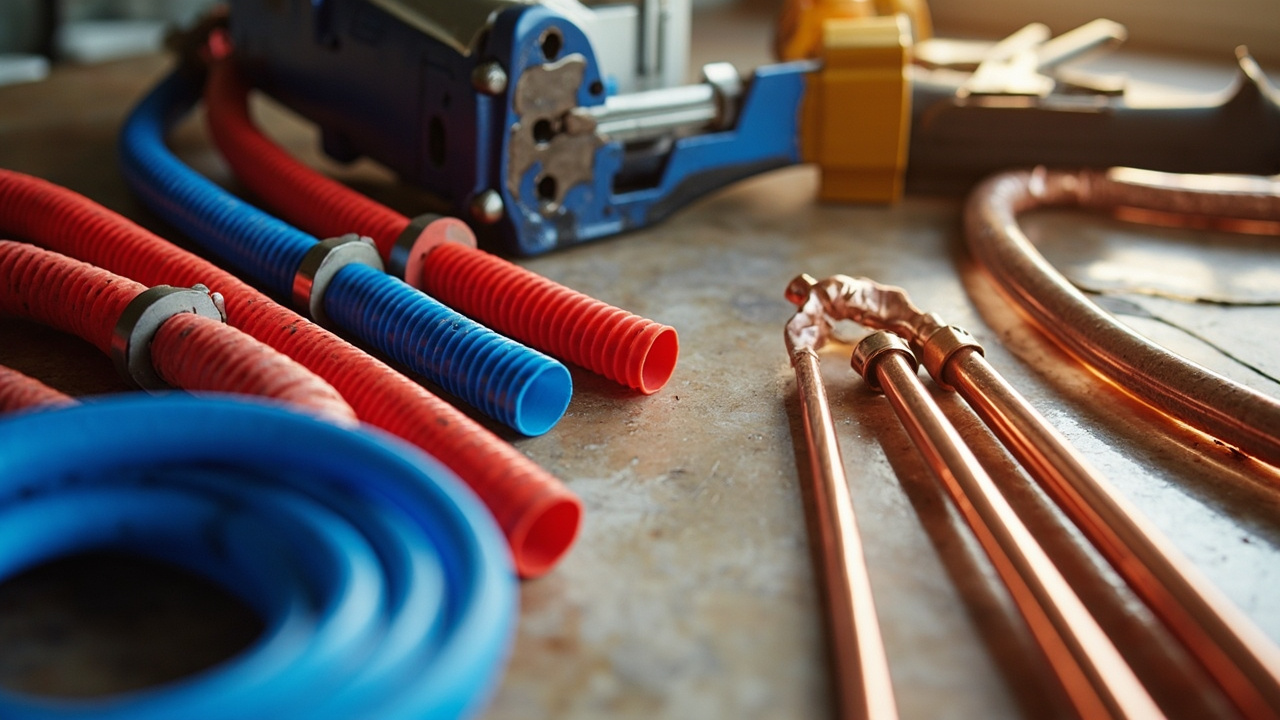
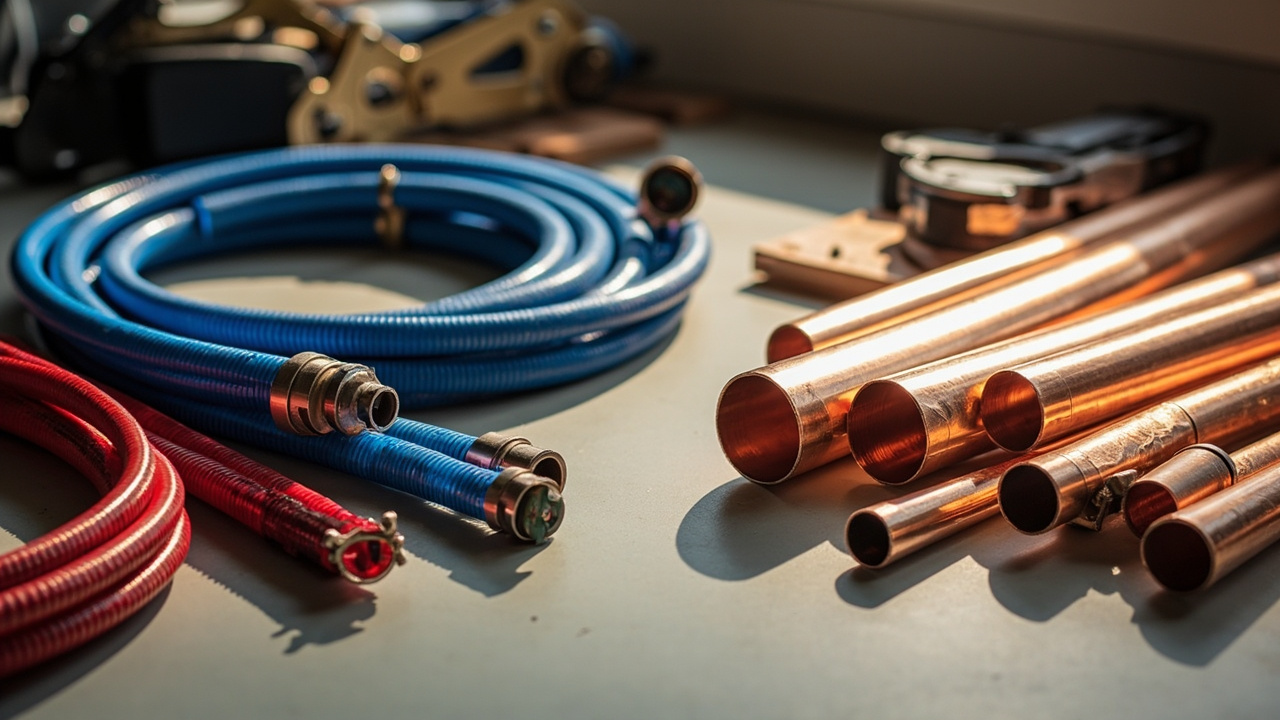
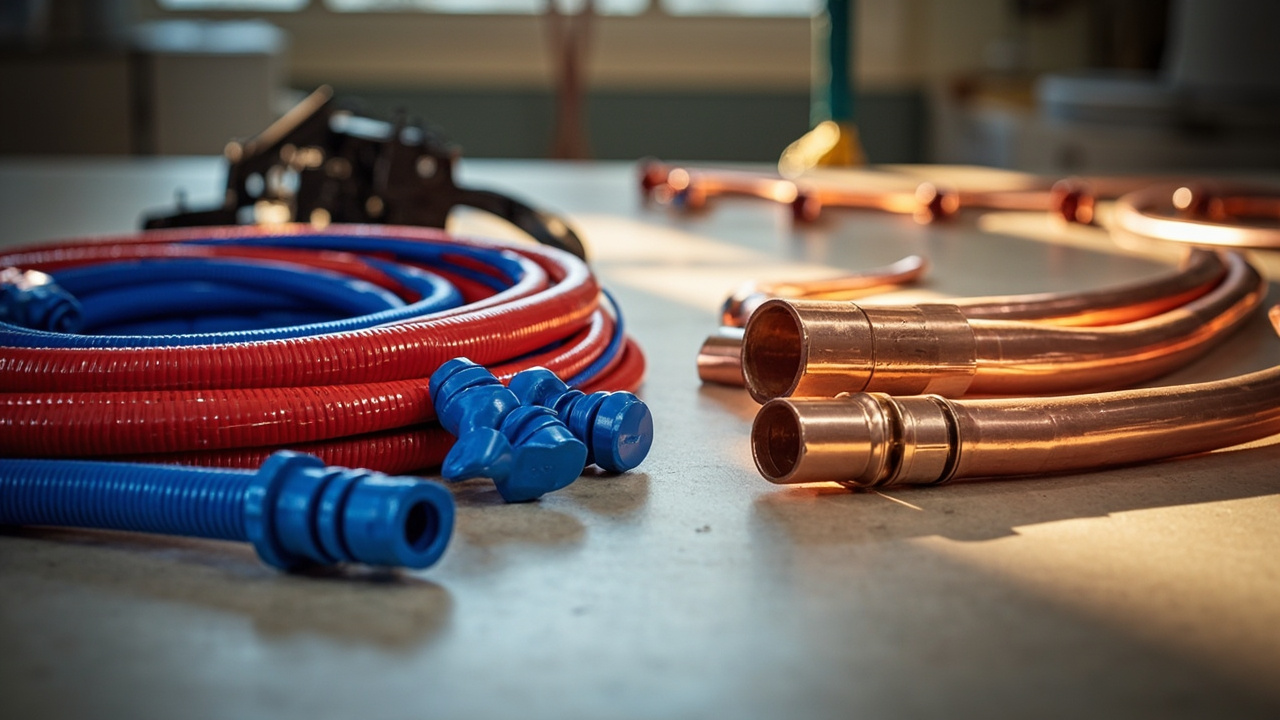
Greater Cincinnati Water Works treats water from both the Ohio River and underground aquifer sources, creating moderate mineral content and controlled pH levels that behave differently with copper and PEX materials. The treated water typically maintains a pH between 7.2 and 8.2, which is generally non-corrosive to copper but can still cause issues in homes with older plumbing or areas with stagnant water. Chlorine levels used for disinfection affect PEX degradation rates over decades, though modern PEX-A formulations include stabilizers that resist this breakdown. Cincinnati's freeze-thaw cycles put stress on rigid copper installations in exterior walls and crawl spaces, while PEX demonstrates better freeze tolerance through its expansion properties. Understanding these local water and climate factors is critical to selecting a material that will perform reliably in your specific home for the next 30 to 50 years.
Hamilton County enforces Ohio Plumbing Code with local amendments that specify installation requirements for both copper and cross-linked polyethylene systems. Our technicians maintain current certifications and stay updated on code changes that affect material selection and installation techniques. We have working relationships with local inspectors who know our work meets or exceeds code standards, which means your project moves through approvals without delays. Cincinnati's diverse housing stock, from historic German Village homes to modern West Chester developments, requires local expertise to navigate access challenges and match piping systems to architectural constraints. Choosing a local plumbing contractor who understands these specific regional factors protects your investment and ensures your new piping system performs as expected in Cincinnati's unique conditions.