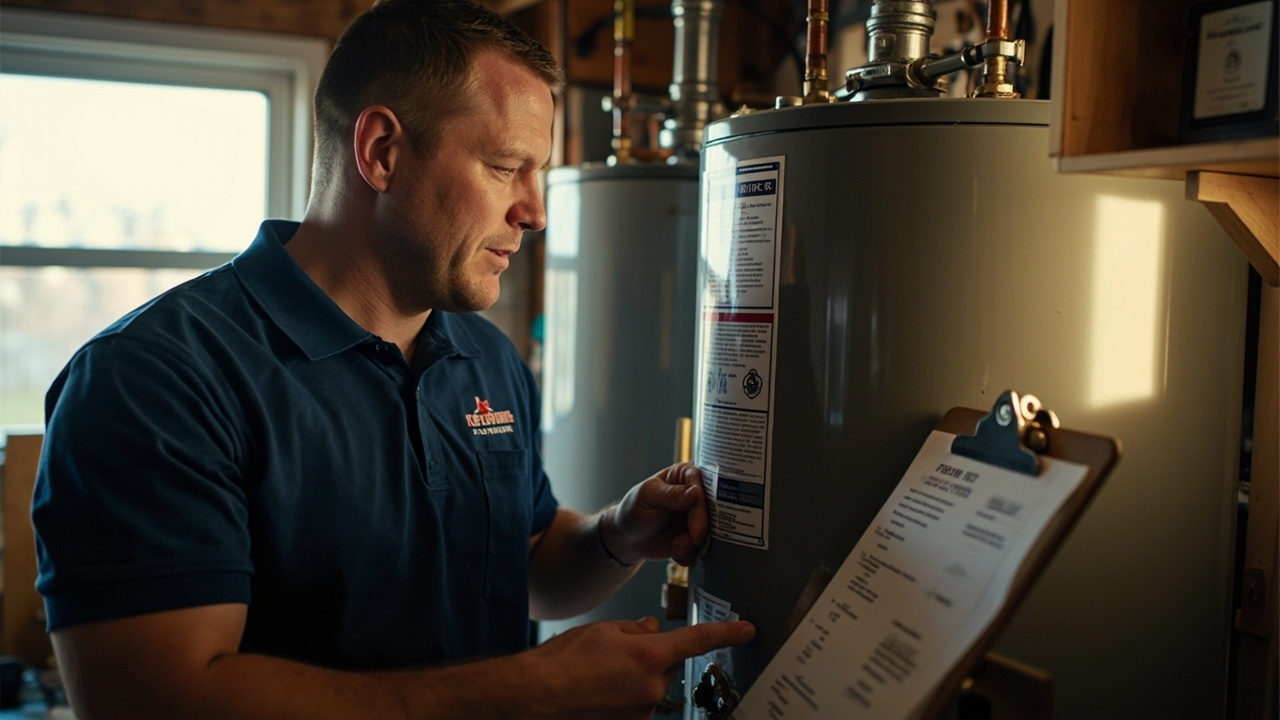
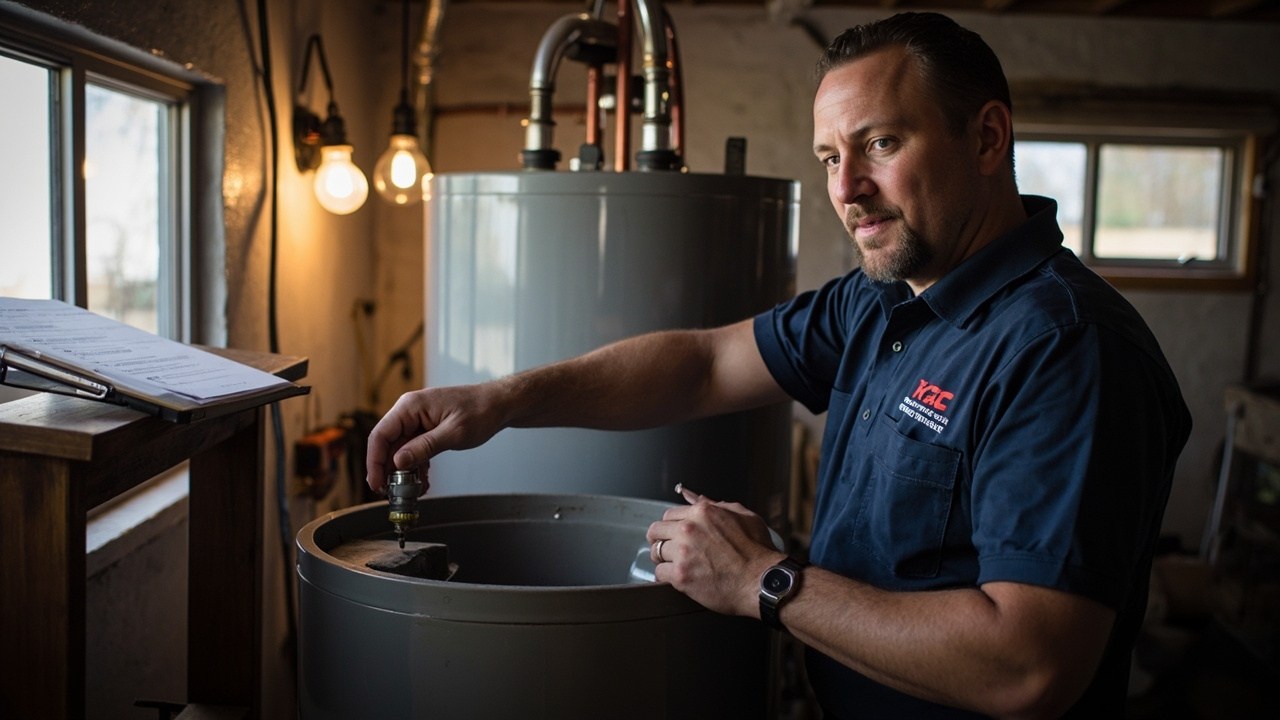
Cincinnati water contains 12 to 16 grains per gallon of hardness, classified as very hard by USGS standards. This mineral concentration causes faster anode rod depletion and heavier sediment accumulation than soft water regions. Calcium carbonate precipitates out of solution when water is heated, forming a rock-hard layer at the bottom of the tank. Over time, this layer can reach several inches thick, reducing tank capacity and insulating the heating element from the water. Homes in East Walnut Hills, Oakley, and Madisonville see the heaviest buildup due to higher concentrations of dissolved minerals in the water supply zones. Preventative water heater maintenance removes this sediment before it calcifies, protecting the steel tank from localized corrosion caused by uneven heating.
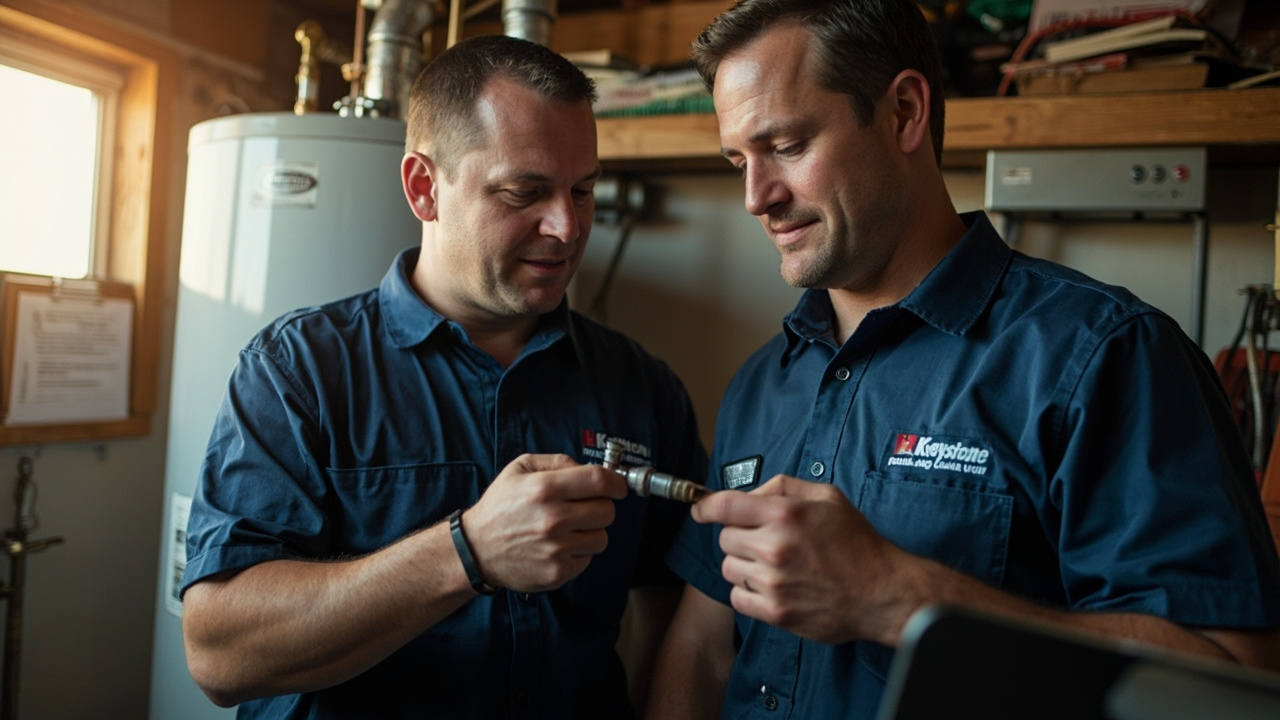
Local plumbing expertise matters because Cincinnati's older housing stock presents unique challenges. Many homes built before 1960 still have original galvanized supply lines that corrode internally and shed rust particles into the water heater. These particles accelerate anode rod consumption and create hot spots in the tank that lead to early failure. Keystone Plumbing Cincinnati sees these patterns daily. We know which neighborhoods have aging infrastructure and which subdivisions use city water versus well water. We adjust our hot water tank maintenance approach based on your specific water source and plumbing age. This local knowledge prevents premature tank failure and saves you thousands in emergency replacement costs.