
Keeping Your Hyde Park Basement Dry with a Reliable Sump Pump System
When heavy spring rains hit Cincinnati Hyde Park homeowners know the anxiety of watching water creep toward their basement foundation. The combination of older home construction and Ohio’s unpredictable weather creates a perfect storm for basement flooding. A properly installed sump pump system isn’t just a convenience—it’s your first line of defense against water damage that can cost thousands in repairs.. Read more about Emergency Pipe Repair for Frozen Lines During a Cincinnati Cold Snap.
Hyde Park’s historic charm comes with unique challenges. Many homes built in the early 1900s sit on clay-heavy soil that drains poorly and their stone or brick foundations weren’t designed for today’s rainfall intensity. The Cincinnati area receives an average of 44 inches of rain annually with spring storms often dumping several inches in just a few hours. Without a reliable sump pump system that water has nowhere to go but into your basement.
The good news is that modern sump pump technology has advanced significantly. Today’s systems include features like battery backup power smart monitoring and dual-pump configurations that provide redundancy when you need it most. But installation isn’t as simple as dropping a pump in a pit. Proper sizing placement and integration with your home’s drainage system are critical for long-term reliability.
Understanding how sump pumps work and what makes Hyde Park homes unique will help you make informed decisions about protecting your property. Let’s explore everything you need to know about keeping your basement dry from system selection to maintenance requirements.. Read more about Plumbing Inspections and Maintenance for Mount Lookout Homebuyers.
How Sump Pump Systems Protect Hyde Park Homes
A sump pump system works by collecting groundwater that accumulates around your foundation and pumping it away from your home before it can seep through basement walls or floors. The system consists of a sump pit the pump itself a discharge pipe and often a backup power source.
In Hyde Park where many homes have partial basements or crawl spaces water can enter through multiple points. Clay soil retains moisture creating hydrostatic pressure against foundation walls. During heavy rains this pressure can force water through even the smallest cracks. A properly sized sump pump relieves this pressure by providing a controlled outlet for groundwater.
The pump activates when water in the sump pit reaches a certain level triggering a float switch. Submersible pumps sit entirely underwater in the pit while pedestal pumps have the motor mounted above the water level. Both types have their advantages but submersible pumps tend to be quieter and more efficient for most residential applications.
Critical to system reliability is the discharge line routing. In Cincinnati where freezing temperatures are common discharge pipes must be positioned to prevent ice blockages. Many local failures occur when frozen discharge lines cause pumps to run continuously eventually burning out the motor. Proper installation includes check valves to prevent backflow and freeze-resistant routing away from the foundation.
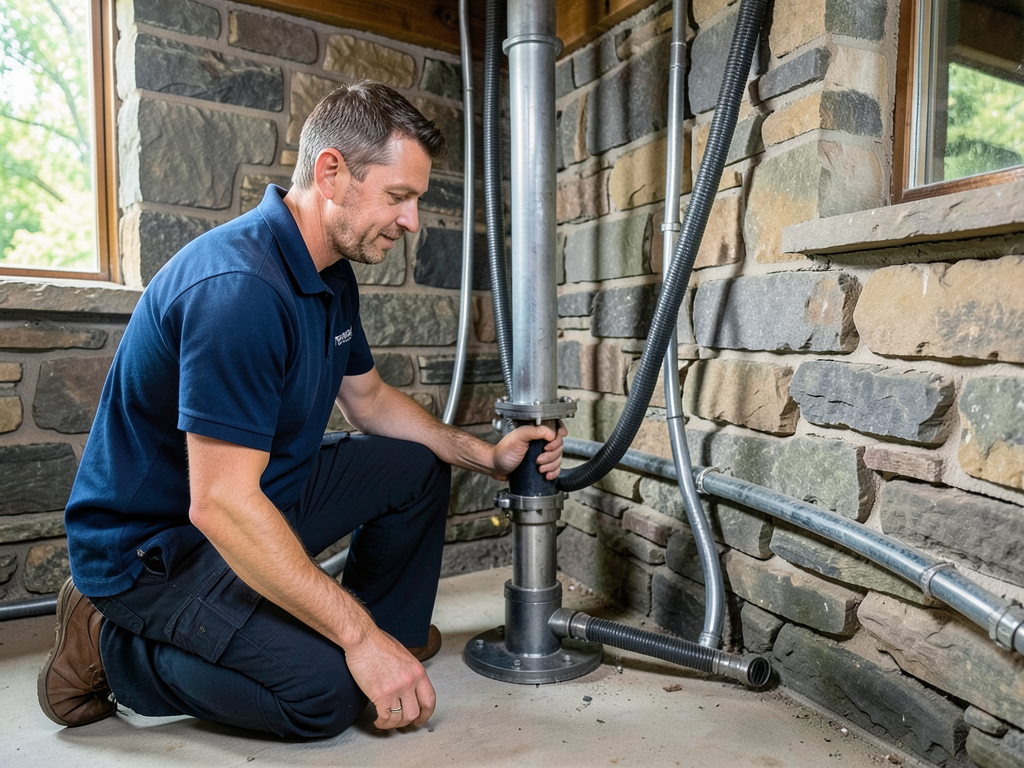
Photo showing a complete sump pump installation with proper discharge line routing and check valve installation
Why Hyde Park Homes Need Specialized Sump Pump Solutions
Hyde Park’s architectural heritage creates specific challenges that generic pump installations often fail to address. The neighborhood’s homes many built between 1900 and 1940 feature stone foundations brick exterior walls and construction methods that predate modern waterproofing standards.
The soil composition in Hyde Park and surrounding Cincinnati neighborhoods is predominantly clay-based which holds water like a sponge. When saturated clay expands and creates pressure against foundation walls. This pressure combined with the age of many foundations creates multiple entry points for water. Standard residential pumps often struggle with the volume of water that accumulates in these conditions.
Local building codes specifically Hamilton County Plumbing Department regulations require specific installation standards for sump pump systems. These include minimum pit dimensions discharge line requirements and often mandate battery backup systems for homes in flood-prone areas. The Cincinnati area’s combined sewer system managed by MSDGC (Metropolitan Sewer District of Greater Cincinnati) also influences installation requirements to prevent overloading during heavy rainfall events. Hamilton County Plumbing Department.
Historic preservation considerations add another layer of complexity. Many Hyde Park homes are in historic districts requiring installations that don’t damage original foundation materials. This often means custom pit excavation and careful routing of discharge lines to maintain the home’s architectural integrity while providing modern protection.
Types of Sump Pumps and When to Use Each
Choosing the right pump type depends on your basement configuration water volume and reliability needs. Here’s a comparison of the main options available to Hyde Park homeowners:
| Pump Type | Best For | Advantages | Limitations |
|---|---|---|---|
| Submersible | Most residential basements | Quiet efficient handles debris | Higher initial cost |
| Pedestal | Smaller pits budget installations | Less expensive easier to service | Noisier less efficient |
| Combination (Primary + Backup) | High-risk areas peace of mind | Automatic failover comprehensive protection | Higher cost more complex |
Submersible pumps are the most common choice for Hyde Park homes because they handle the debris often found in older foundation drainage systems. Their sealed design prevents clogging from silt and small stones that can enter through foundation cracks. The motors are also cooled by surrounding water allowing them to run longer without overheating.
Battery backup systems have become essential for Cincinnati homeowners. Ohio’s spring storms frequently cause power outages just when you need your pump most. Modern backup systems use maintenance-free batteries and can operate for 24-48 hours continuously providing crucial protection during extended outages.
Water-powered backup pumps offer an alternative for homes with municipal water service. These systems use water pressure to operate when electricity fails requiring no batteries or fuel. However they consume significant water during operation and may not be permitted in all areas due to water conservation regulations.
Installation Process: What to Expect
Professional sump pump installation involves several critical steps that ensure long-term reliability. The process typically takes 4-8 hours for a standard installation though complex situations may require more time.
The first step is site assessment. A qualified technician will evaluate your basement’s water entry points soil conditions and existing drainage patterns. This assessment often reveals issues like poor exterior grading or clogged footer drains that contribute to basement moisture problems.
Excavation follows creating a sump pit that meets local code requirements. For Hyde Park homes this often means working around existing utilities and preserving historic foundation materials. The pit must be deep enough to allow proper water collection but positioned to avoid undermining foundation footings.
Pump selection and installation comes next. The technician will choose a pump rated for your specific water volume needs typically measured in gallons per hour (GPH). Cincinnati’s heavy clay soil often requires higher-capacity pumps than standard residential installations.
Discharge line routing presents unique challenges in established neighborhoods. Lines must be buried below frost line depth (typically 30-36 inches in Cincinnati) and directed away from the foundation to prevent water recycling. Many installations include underground extensions to carry water to storm drains or natural drainage areas.
Testing and calibration complete the installation. The system is filled with water to verify proper pump operation float switch adjustment and check valve function. Many technicians also install water alarms to alert homeowners of pump failures or high water levels.
- Site Assessment
Evaluate basement conditions water entry points and drainage patterns specific to the property.
- Pit Excavation
Excavate sump pit to code-compliant dimensions while preserving foundation integrity.
- Pump Installation
Install primary pump with proper sizing for local soil and rainfall conditions.
- Discharge System
Route discharge line below frost line with check valves and freeze protection.
- Backup Integration
Install battery backup or water-powered system for power outage protection.
- Testing and Calibration
Verify all components function properly under simulated conditions.
Maintenance Requirements for Long-Term Reliability
A sump pump system requires regular maintenance to ensure it works when you need it most. Many homeowners discover their system has failed only during a major storm when water is already entering the basement.
Quarterly maintenance should include checking the pump’s operation by pouring water into the pit until the float switch activates. Listen for unusual noises that might indicate bearing wear or impeller damage. The discharge line should be checked for obstructions and the check valve should be tested for proper closure.
Annual professional maintenance is recommended for Cincinnati homeowners. This service typically includes cleaning the pump and pit testing backup batteries inspecting electrical connections and verifying alarm operation. Many local plumbing companies offer maintenance agreements that include priority service during storm seasons.
Battery backup systems require specific attention. Lead-acid batteries typically last 3-5 years and should be replaced proactively rather than waiting for failure. Modern systems often include battery health indicators but annual testing ensures reliability when storms hit.
Debris removal is crucial in older homes where foundation drainage systems may release sediment into the sump pit. Accumulated debris can clog pump intakes or damage impellers. Some installations include filter socks or screens to catch larger particles before they reach the pump.
Odor prevention is another consideration. Standing water in sump pits can develop unpleasant odors especially in humid Cincinnati summers. Some homeowners add small amounts of bleach or use specialized sump pit treatments to control bacteria growth and odors.
Cost Factors for Hyde Park Residents
Sump pump installation costs in Hyde Park vary based on several factors specific to the area’s housing stock and soil conditions. Understanding these variables helps homeowners budget appropriately for this essential protection.
Basic pump replacement in a pre-existing pit typically costs $800-$1200. However Hyde Park’s older homes often require complete system installations including pit excavation and discharge line routing which can range from $2500-$4500.
Factors affecting cost include basement accessibility foundation type and the need for historic preservation compliance. Homes with finished basements require more careful work to protect existing finishes. Stone foundations may need specialized excavation techniques to avoid damage.
Battery backup systems add $500-$1500 to the installation cost but provide crucial protection during Ohio’s frequent spring storms. Water-powered backups cost $400-$800 but require adequate water pressure and municipal water service.
Permit requirements in Hamilton County add $100-$300 to project costs. Some installations may also require electrical upgrades to accommodate pump circuits adding another $300-$600 depending on existing panel capacity.
Long-term cost considerations include energy consumption and replacement intervals. Modern pumps are relatively efficient typically costing $30-$50 annually in electricity. However pumps in heavy clay soil may need replacement every 5-7 years rather than the 10+ years typical in better-draining soils.
Emergency Response and Troubleshooting
Even with proper installation and maintenance sump pump systems can fail. Knowing how to respond to common emergencies can prevent basement flooding and minimize damage.
Power outages are the most common cause of pump failure during storms. If your main pump stops during a rainstorm check your circuit breaker first. If power is out your battery backup should automatically activate. If you don’t have backup power consider using a portable generator to power the pump temporarily.
Pump won’t start? Check the float switch for obstructions. Debris or tangled cords can prevent the float from moving freely. Also verify that the pump is receiving power by checking the outlet with a lamp or other device.
Continuous running indicates potential problems. This could mean the check valve has failed allowing water to flow back into the pit or the discharge line is blocked. In freezing weather a blocked discharge line can cause the pump to run continuously as water can’t escape.
Unusual noises often signal mechanical problems. Grinding sounds may indicate worn bearings or debris in the impeller. Clicking sounds could mean a failing float switch. Any unusual noise warrants immediate professional inspection to prevent complete failure.
Water in the basement despite a working pump suggests the system is undersized for current conditions or there are additional water entry points not addressed by the sump system. This is common in older homes where foundation conditions have deteriorated over time.
Frequently Asked Questions
How long does a sump pump typically last in Cincinnati’s climate?
Most residential sump pumps last 7-10 years in Cincinnati’s heavy clay soil conditions. Pumps in areas with better drainage may last 10-15 years. Regular maintenance and timely replacement of wear items like float switches can extend system life.
Is a permit required for sump pump installation in Hamilton County?
Yes Hamilton County Plumbing Department requires permits for new sump pump installations and major repairs. The permit ensures compliance with local codes regarding discharge routing pit dimensions and electrical requirements. Your plumber should handle permit acquisition as part of the installation process.
Can I install a sump pump myself to save money?
While DIY installation is possible professional installation is strongly recommended for Hyde Park homes. Proper sizing code compliance and integration with existing drainage systems require expertise. Additionally improper installation can void manufacturer warranties and create liability issues if water damage occurs.
What’s the difference between a sump pump and a French drain?
A sump pump actively removes collected water from a specific collection point while a French drain is a passive system that redirects groundwater away from your foundation. Many Hyde Park homes benefit from both systems working together for comprehensive basement protection.
How do I know if my basement needs a sump pump?
Signs include water stains on basement walls musty odors efflorescence (white mineral deposits) on concrete or visible water entry during heavy rains. Homes in low-lying areas or with poor exterior drainage are particularly good candidates for sump pump installation.
Protecting Your Investment with Professional Service
Your home is likely your largest investment and protecting it from water damage should be a top priority. In Hyde Park’s unique housing stock and Cincinnati’s challenging weather conditions a properly designed and installed sump pump system provides essential protection that pays for itself many times over.
Professional installation ensures your system meets local code requirements integrates properly with your home’s existing drainage and provides reliable protection when you need it most. The peace of mind during storm season alone makes professional service worthwhile.
Don’t wait for the next big storm to discover your basement’s vulnerabilities. A professional assessment can identify potential problems before they cause damage and a properly designed system can handle even the heaviest Cincinnati rainfall.
Ready to protect your Hyde Park home from basement flooding? Call (513) 717-2899 today to schedule your sump pump assessment. Our experienced technicians understand the unique challenges of older Cincinnati homes and can design a system that provides reliable protection for years to come.
Pick up the phone and call (513) 717-2899 before the next storm hits. Don’t let water damage destroy your basement and your peace of mind. Professional sump pump installation is just a call away.
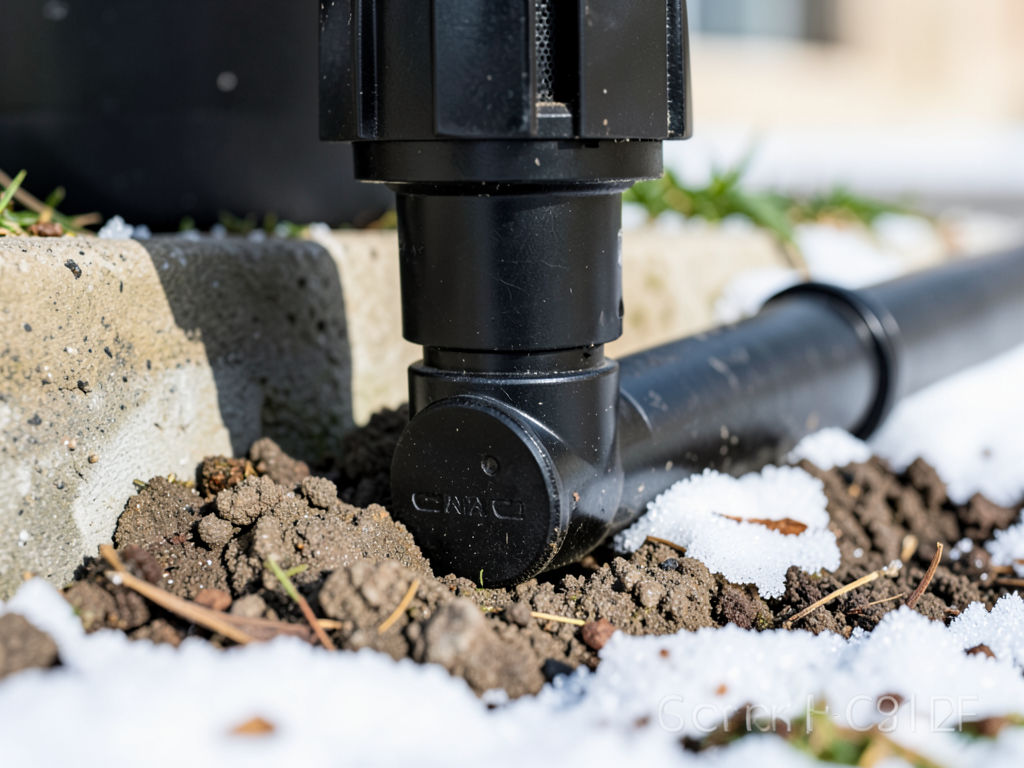
Technician testing a battery backup system during a professional maintenance visit
Before and after comparison showing water damage prevention in a Hyde Park basement For more information, visit MSDGC (Metropolitan Sewer District of Greater Cincinnati).
You may also find this helpful. Locating and Fixing Hidden Slab Leaks in Your Cincinnati Home.
{
“@context”: “https://schema.org”,
“@type”: “BlogPosting”,
“headline”: “Keeping Your Hyde Park Basement Dry with a Reliable Sump Pump System”,
“description”: “Protect your Hyde Park basement from flooding with expert sump pump installation. Learn about Hamilton County codes, local soil challenges, and professional solutions.”,
“wordCount”: 2450,
“datePublished”: “2026-02-15T11:08:00.000Z”,
“dateModified”: “2026-02-15T11:08:00.000Z”,
“inLanguage”: “en-US”,
“mainEntityOfPage”: {
“@type”: “WebPage”,
“@id”: “https://keystoneplumbingcincinnati.com”
},
“publisher”: {
“@type”: “LocalBusiness”,
“name”: “Keystone Plumbing Cincinnati”,
“url”: “https://keystoneplumbingcincinnati.com”
},
“author”: {
“@type”: “Organization”,
“name”: “Keystone Plumbing Cincinnati”,
“url”: “https://keystoneplumbingcincinnati.com”
},
“image”: {
“@type”: “ImageObject”,
“url”: “https://keystoneplumbingcincinnati.com/wp-content/uploads/2026/03/keeping-your-hyde-park-basement-dry-with-a-reliabl-1.png”
}
}
{
“@context”: “https://schema.org”,
“@type”: “Plumber”,
“name”: “Keystone Plumbing Cincinnati”,
“url”: “https://keystoneplumbingcincinnati.com”,
“address”: {
“@type”: “PostalAddress”,
“addressLocality”: “Cincinnati”
},
“areaServed”: {
“@type”: “City”,
“name”: “Cincinnati”
}
}
{
“@context”: “https://schema.org”,
“@type”: “FAQPage”,
“mainEntity”: [
{
“@type”: “Question”,
“name”: “How long does a sump pump typically last in Cincinnati’s climate?”,
“acceptedAnswer”: {
“@type”: “Answer”,
“text”: “Most residential sump pumps last 7-10 years in Cincinnati’s heavy clay soil conditions. Pumps in areas with better drainage may last 10-15 years. Regular maintenance and timely replacement of wear items like float switches can extend system life.”
}
},
{
“@type”: “Question”,
“name”: “Is a permit required for sump pump installation in Hamilton County?”,
“acceptedAnswer”: {
“@type”: “Answer”,
“text”: “Yes Hamilton County Plumbing Department requires permits for new sump pump installations and major repairs. The permit ensures compliance with local codes regarding discharge routing pit dimensions and electrical requirements. Your plumber should handle permit acquisition as part of the installation process.”
}
},
{
“@type”: “Question”,
“name”: “Can I install a sump pump myself to save money?”,
“acceptedAnswer”: {
“@type”: “Answer”,
“text”: “While DIY installation is possible professional installation is strongly recommended for Hyde Park homes. Proper sizing code compliance and integration with existing drainage systems require expertise. Additionally improper installation can void manufacturer warranties and create liability issues if water damage occurs.”
}
},
{
“@type”: “Question”,
“name”: “What’s the difference between a sump pump and a French drain?”,
“acceptedAnswer”: {
“@type”: “Answer”,
“text”: “A sump pump actively removes collected water from a specific collection point while a French drain is a passive system that redirects groundwater away from your foundation. Many Hyde Park homes benefit from both systems working together for comprehensive basement protection.”
}
},
{
“@type”: “Question”,
“name”: “How do I know if my basement needs a sump pump?”,
“acceptedAnswer”: {
“@type”: “Answer”,
“text”: “Signs include water stains on basement walls musty odors efflorescence (white mineral deposits) on concrete or visible water entry during heavy rains. Homes in low-lying areas or with poor exterior drainage are particularly good candidates for sump pump installation.”
}
}
]
}
{
“@context”: “https://schema.org”,
“@type”: “HowTo”,
“name”: “Professional Sump Pump Installation Process”,
“step”: [
{
“@type”: “HowToStep”,
“position”: 1,
“name”: “Site Assessment”,
“text”: “Evaluate basement conditions water entry points and drainage patterns specific to the property.”
},
{
“@type”: “HowToStep”,
“position”: 2,
“name”: “Pit Excavation”,
“text”: “Excavate sump pit to code-compliant dimensions while preserving foundation integrity.”
},
{
“@type”: “HowToStep”,
“position”: 3,
“name”: “Pump Installation”,
“text”: “Install primary pump with proper sizing for local soil and rainfall conditions.”
},
{
“@type”: “HowToStep”,
“position”: 4,
“name”: “Discharge System”,
“text”: “Route discharge line below frost line with check valves and freeze protection.”
},
{
“@type”: “HowToStep”,
“position”: 5,
“name”: “Backup Integration”,
“text”: “Install battery backup or water-powered system for power outage protection.”
},
{
“@type”: “HowToStep”,
“position”: 6,
“name”: “Testing and Calibration”,
“text”: “Verify all components function properly under simulated conditions.”
}
],
“image”: “https://keystoneplumbingcincinnati.com/wp-content/uploads/2026/03/keeping-your-hyde-park-basement-dry-with-a-reliabl-1.png”
}
{
“@context”: “https://schema.org”,
“@type”: “BreadcrumbList”,
“itemListElement”: [
{
“@type”: “ListItem”,
“position”: 1,
“name”: “Home”,
“item”: “https://keystoneplumbingcincinnati.com”
},
{
“@type”: “ListItem”,
“position”: 2,
“name”: “Blog”,
“item”: “https://keystoneplumbingcincinnati.com/blog”
},
{
“@type”: “ListItem”,
“position”: 3,
“name”: “Keeping Your Hyde Park Basement Dry with a Reliable Sump Pump System”
}
]
}
{
“@context”: “https://schema.org”,
“@type”: “Service”,
“serviceType”: “Plumbing”,
“provider”: {
“@type”: “LocalBusiness”,
“name”: “Keystone Plumbing Cincinnati”,
“url”: “https://keystoneplumbingcincinnati.com”
},
“areaServed”: {
“@type”: “City”,
“name”: “Cincinnati”
},
“description”: “Protect your Hyde Park basement from flooding with expert sump pump installation. Learn about Hamilton County codes, local soil challenges, and professional solutions.”
}