
Plumbing Inspections and Maintenance for Mount Lookout Homebuyers
Buying a home in Mount Lookout means investing in Cincinnati’s historic charm and hillside views. But before you sign on the dotted line, you need to know what’s happening inside those walls. The Ohio River Valley’s freeze-thaw cycles, combined with Mount Lookout’s aging infrastructure, create unique plumbing vulnerabilities that can cost you thousands if overlooked. A thorough plumbing inspection isn’t just a formality—it’s your protection against buying someone else’s problems. Who to Call for an Emergency Plumbing Crisis in Downtown Cincinnati.
Mount Lookout homes, many built before 1950, often hide plumbing issues behind beautiful facades. From lead service lines to deteriorating cast iron stacks, the problems aren’t always visible during a casual walkthrough. That’s why a specialized plumbing inspection focusing on Cincinnati’s specific challenges is essential for any smart homebuyer in this neighborhood. What to Expect During a Main Sewer Line Repair in Loveland.
Why Mount Lookout Homes Need Specialized Plumbing Inspections
Mount Lookout sits on Cincinnati’s eastern hillsides, where soil composition and historic development patterns create distinct plumbing challenges. The area’s high clay content soil expands and contracts with moisture changes, putting pressure on underground pipes and causing shifts that lead to leaks and breaks. This isn’t a problem you’ll find in newer developments in Mason or Liberty Township.
Historic Mount Lookout homes built between 1900 and 1940 often contain galvanized steel pipes that corrode from the inside out. You can’t see this deterioration from the surface, but it affects water pressure and quality throughout the house. Additionally, many properties still have lead service lines connecting to the city’s water main—a health concern and potential deal-breaker that requires professional identification. Finding the Best Water Heater Replacement for Your West Chester House.
The neighborhood’s hillside location also means gravity-fed sewer lines that can develop negative slopes over time. When these pipes shift due to soil movement, waste doesn’t flow properly, leading to backups and potential property damage. A standard home inspection won’t catch these issues—you need a plumber who understands Mount Lookout’s specific vulnerabilities.
Essential Components of a Mount Lookout Plumbing Inspection
A comprehensive plumbing inspection for Mount Lookout homes goes beyond checking for visible leaks. It’s a systematic evaluation of every system that carries water into and out of the property. Here’s what a thorough inspection should cover:
- Main Water Service Evaluation
We locate and assess the main water shut-off valve, typically found in the basement or near the front foundation. For homes built before 1950, we check if the service line is lead, galvanized steel, or copper using a specialized magnet test and visual inspection. Lead lines appear dull gray and won’t attract a magnet, while galvanized steel shows magnetic attraction and often has visible corrosion.
- Water Heater Safety Assessment
We examine the temperature and pressure relief valve (T&P valve) for proper operation and check for signs of corrosion on the tank. Cincinnati’s hard water, with mineral content averaging 250-300 ppm, accelerates tank deterioration. We also verify proper venting and combustion air supply for gas units.
- Supply Pipe Condition Testing
Using acoustic listening devices, we detect water movement in pipes when all fixtures are off. This reveals hidden leaks in walls or under floors. We also test water pressure at multiple fixtures to identify restrictions caused by corroded galvanized pipes.
- Sewer Line Camera Inspection
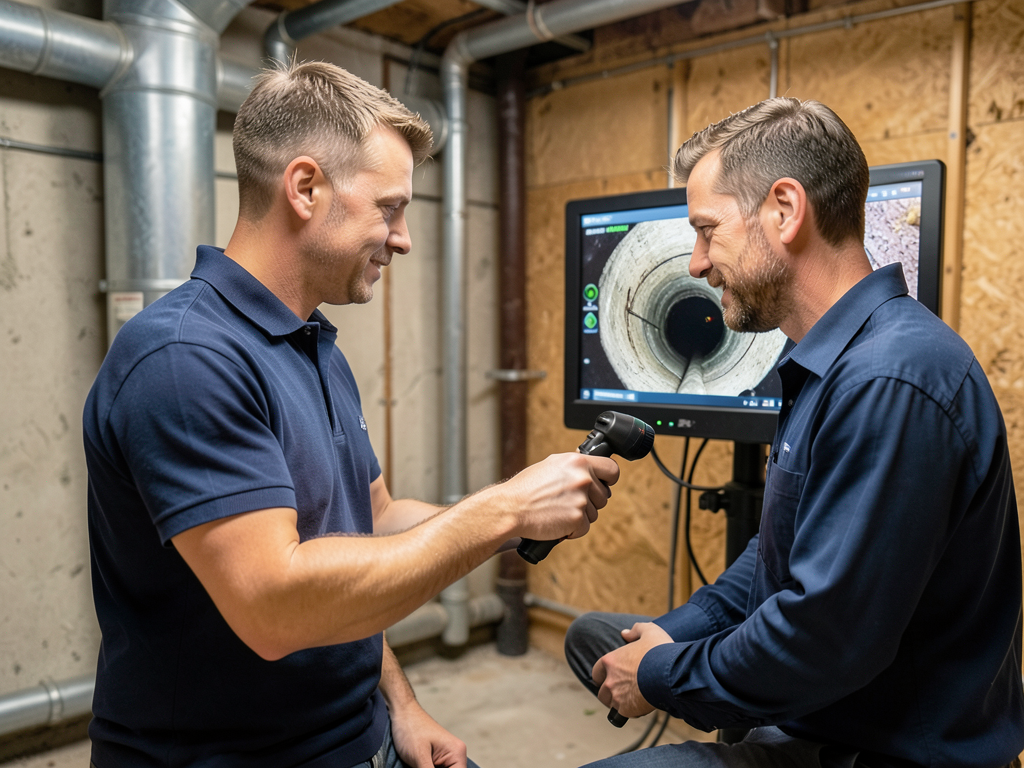
We insert a waterproof camera into the main sewer line to inspect for cracks, root intrusion, and pipe separation. Mount Lookout’s older clay tile pipes (common before 1970) often show bell-and-spigot joint separation due to soil shifting. We document the exact location and severity of any issues. EPA information on lead in drinking water.
- Fixture and Appliance Testing
We operate every faucet, toilet, and appliance to check for proper function. We look for signs of past water damage around fixtures and test for proper drainage in all sinks, tubs, and floor drains. Affordable Faucet and Sink Repairs for Families in Blue Ash.
Mount Lookout’s Hard Water Challenge
Mount Lookout’s water comes from the Greater Cincinnati Water Works system, which draws from the Ohio River and groundwater sources. The water here contains high mineral content—primarily calcium and magnesium—that creates what plumbers call “hard water.” This isn’t just a minor inconvenience; it’s a systematic threat to your plumbing infrastructure.
Hard water leaves mineral deposits inside pipes, water heaters, and fixtures. Over time, these deposits reduce water flow by up to 75% in severe cases. You’ll notice this as decreased shower pressure or longer fill times for washing machines. The minerals also cause water heaters to work harder, increasing energy costs by 20-30% and shortening appliance lifespan by years.
During an inspection, we look for white, chalky deposits around faucets and showerheads—early signs of hard water damage. We also check water heater tanks for sediment buildup, which creates popping sounds during operation and reduces efficiency. For Mount Lookout homes, we often recommend water softening systems as part of a comprehensive plumbing maintenance plan.
Historic Home Plumbing: Lead Lines and Galvanized Pipes
Mount Lookout’s historic district contains some of Cincinnati’s oldest residential plumbing. Homes built before 1940 often have lead service lines connecting to the city main. Lead exposure poses serious health risks, particularly for children and pregnant women. The EPA’s Lead and Copper Rule requires water utilities to manage lead levels, but the responsibility for replacing private lead lines falls to homeowners.
During inspection, we use a simple scratch test to identify lead pipes. Using a flathead screwdriver, we gently scratch an exposed pipe section. Lead pipes scratch easily and appear bright silver underneath. We also check for lead solder joints in copper piping installed before 1986, when lead solder was banned for potable water systems.
Galvanized steel pipes present a different problem. These pipes, common in homes built between 1930 and 1960, corrode from the inside out. The corrosion creates rough surfaces that trap minerals and debris, eventually blocking water flow completely. We can often diagnose galvanized pipe failure by the sound of water flow—restricted pipes create a distinctive hissing or whistling sound that indicates internal corrosion.
Sewer Lateral Inspections: Mount Lookout’s Hidden Risk
Sewer lateral inspections are critical for Mount Lookout homes because of the neighborhood’s age and hillside location. The sewer lateral is the pipe connecting your home to the city’s main sewer line, typically running under your yard to the street. In Mount Lookout, these pipes often date back to the 1920s or earlier.
We use high-resolution sewer cameras to inspect these laterals. The camera reveals cracks, root intrusion, and pipe separation that would otherwise remain hidden. Mount Lookout’s older clay tile pipes often show “offset joints” where soil movement has pushed sections apart. These separations allow tree roots to enter and cause blockages.
During camera inspection, we measure the pipe’s interior diameter at multiple points. A reduction from 6 inches to 3 inches indicates severe buildup or collapse. We also check the pipe’s slope—negative slopes cause waste to pool rather than flow, leading to backups during heavy water use.
Mount Lookout Basement Plumbing Considerations
Many Mount Lookout homes have basements with plumbing systems that face unique challenges. The area’s high water table, combined with hillside location, creates hydrostatic pressure against basement walls. This pressure can force water through even tiny cracks in foundation walls or floor slabs.
We inspect sump pump systems as part of every basement evaluation. A properly functioning sump pump should activate automatically when water reaches a certain level. We test this by pouring water into the sump pit and observing the pump’s response time. For Mount Lookout’s heavy spring rains, we recommend battery backup systems since power outages often accompany severe storms.
Floor drains in Mount Lookout basements often connect to the city’s combined sewer system. During heavy rainfall, these systems can back up, causing sewage to rise through floor drains. We check for proper backwater valve installation—a one-way valve that prevents sewage from flowing back into your home during system overloads.
Mount Lookout Water Quality Testing
Water quality testing is an often-overlooked aspect of plumbing inspections, but it’s crucial for Mount Lookout homes. The Ohio River Valley’s industrial history means some properties may have elevated levels of contaminants in their water supply. Industrial Pipe Repair.
We test for common issues including chlorine levels, pH balance, and total dissolved solids (TDS). Cincinnati’s water typically has a pH between 7.2 and 7.8, slightly alkaline. While this prevents pipe corrosion, it can affect taste and soap effectiveness. We also check for iron and manganese, which cause reddish-brown or black staining on fixtures and laundry.
For homes near former industrial sites or agricultural areas, we recommend additional testing for lead, copper, and nitrates. These tests require specialized kits and laboratory analysis, but they provide peace of mind for families concerned about water safety.
Cost Factors for Plumbing Inspections in Mount Lookout
Plumbing inspection costs vary based on home size, age, and the complexity of the systems being evaluated. For Mount Lookout homes, expect to pay between $350 and $600 for a comprehensive inspection that includes sewer camera work and water quality testing.
Older homes typically require more extensive inspection time. A 1920s craftsman might need 3-4 hours to thoroughly evaluate all systems, while a 1980s ranch could be inspected in 2 hours. The age factor is particularly important in Mount Lookout, where historic preservation often means original plumbing remains in place.
Some inspections reveal issues that require further investigation. If we find signs of hidden leaks or structural problems, we might recommend additional testing like hydrostatic pressure testing or thermal imaging. These specialized services add $150-300 to the base inspection cost but can prevent costly surprises after purchase.
Mount Lookout vs. Newer Cincinnati Neighborhoods: Key Differences
Comparing Mount Lookout plumbing to newer Cincinnati neighborhoods reveals significant differences. Here’s a breakdown of what you’ll typically find:
| Feature | Mount Lookout (Pre-1950) | Newer Suburbs (Post-1990) |
|---|---|---|
| Service Line Material | Lead or Galvanized Steel | Copper or PEX |
| Sewer Pipes | Clay Tile (1920s-1960s) | ABS or PVC |
| Water Pressure | Often Restricted by Corrosion | Consistent 40-60 psi |
| Fixture Quality | Original Brass (Often Worn) | Modern Ceramic Disc |
| Water Heater Age | Often Original or 15+ Years | Typically Under 10 Years |
This comparison shows why Mount Lookout homes require specialized inspection expertise. The materials and techniques used in older construction differ significantly from modern practices, requiring inspectors who understand historic systems.
Red Flags During a Mount Lookout Home Tour
Before the professional inspection, you can spot potential plumbing issues during your home tour. Here are warning signs that warrant immediate attention:
- Water stains on ceilings or walls – Indicates past or active leaks above
- Musty odors in basements or bathrooms – Suggests hidden moisture problems
- Low water pressure at multiple fixtures – Could indicate corroded supply pipes
- Visible corrosion on exposed pipes – Shows aging and potential failure points
- Slow drains throughout the house – May indicate main sewer line issues
- Water heater age tags – Units over 10-12 years need replacement soon
If you notice any of these issues, make sure your inspector pays extra attention to those areas. These red flags often indicate systemic problems that affect the entire plumbing system.
Post-Inspection Action Plan for Mount Lookout Buyers
After receiving your inspection report, you’ll need to prioritize repairs and negotiate with the seller. Here’s a typical action plan for Mount Lookout properties:
- Immediate Safety Issues
Address any lead service lines, gas leaks, or severe water damage immediately. These pose health and safety risks that should be resolved before closing.
- Critical System Failures
Replace failing water heaters, sump pumps, or sewer laterals that could cause immediate property damage. These are typically negotiated with the seller as repair credits.
- Code Compliance Issues
Update plumbing to meet current Hamilton County codes. This might include adding proper venting, updating fixtures, or installing backflow prevention devices. Hamilton County Plumbing Department regulations.
- Preventative Maintenance
Plan for future replacements of aging systems. A 70-year-old galvanized pipe system will need complete replacement within 5-10 years.
Most Mount Lookout buyers negotiate repair credits for major issues rather than requiring the seller to complete repairs. This approach gives you control over contractor selection and ensures work meets your standards.
Mount Lookout Plumbing Maintenance: After You Buy
Once you’ve purchased your Mount Lookout home, ongoing maintenance prevents small issues from becoming major problems. Here’s a seasonal maintenance schedule:
- Spring – Test sump pump, check for winter freeze damage, inspect outdoor faucets
- Summer – Clean faucet aerators, check water heater temperature, inspect washing machine hoses
- Fall – Drain outdoor water lines, insulate exposed pipes, check water heater for sediment
- Winter – Monitor for frozen pipes, check for leaks after freeze-thaw cycles
Mount Lookout’s freeze-thaw cycles are particularly hard on plumbing. When temperatures fluctuate above and below freezing, pipes expand and contract, creating stress points that can lead to leaks. Regular inspections catch these developing issues before they cause damage.
Frequently Asked Questions
How long does a plumbing inspection take for a Mount Lookout home?
A thorough inspection typically takes 2-4 hours depending on the home’s size and age. Older homes with more complex systems require additional time for comprehensive evaluation.
Should I be present during the plumbing inspection?
Yes, being present allows you to ask questions and understand the inspector’s findings firsthand. You’ll learn valuable information about your home’s systems and maintenance needs.
What’s the difference between a home inspector and a specialized plumber?
Home inspectors provide general overviews but lack the specialized tools and expertise to diagnose complex plumbing issues. Licensed plumbers use cameras, pressure testing, and other diagnostic equipment to identify problems home inspectors might miss.
Are plumbing inspections required for Mount Lookout home purchases?
While not legally required, most lenders and experienced real estate agents recommend them. The investment typically saves buyers thousands by identifying issues before closing.
How do I find a qualified plumber for Mount Lookout inspections?
Look for licensed plumbers with experience in historic Cincinnati homes. Ask about their inspection process, equipment, and familiarity with Mount Lookout’s specific plumbing challenges.
Protect Your Investment Before You Buy
Mount Lookout’s historic charm and hillside location make it one of Cincinnati’s most desirable neighborhoods, but that charm comes with plumbing challenges you can’t ignore. From lead service lines to deteriorating sewer laterals, the issues hiding in these beautiful homes can cost you thousands if discovered after closing.
A specialized plumbing inspection gives you the knowledge to make an informed decision. It reveals what’s working, what’s failing, and what will need replacement in the coming years. This information isn’t just about avoiding problems—it’s about understanding the true cost of ownership for your Mount Lookout dream home.
Don’t let plumbing problems become your problem. Call (513) 717-2899 today to schedule a comprehensive plumbing inspection before you make one of the biggest investments of your life. Our team understands Mount Lookout’s unique plumbing challenges and has the equipment and expertise to give you a clear picture of your potential new home’s true condition.
Pick up the phone and call (513) 717-2899 before the next home tour. Your future self—and your wallet—will thank you.
Keystone Plumbing Cincinnati – Serving Mount Lookout and all of Cincinnati’s historic neighborhoods with expert plumbing inspections and maintenance since 2010.
{
“@context”: “https://schema.org”,
“@type”: “BlogPosting”,
“headline”: “Plumbing Inspections and Maintenance for Mount Lookout Homebuyers”,
“description”: “Ensure your Mount Lookout home’s plumbing is safe before buying. Learn about Cincinnati’s specific inspection requirements, hard water issues, and what to check in historic properties.”,
“wordCount”: 2527,
“datePublished”: “2026-03-02T15:52:00.000Z”,
“dateModified”: “2026-03-02T15:52:00.000Z”,
“inLanguage”: “en-US”,
“mainEntityOfPage”: {
“@type”: “WebPage”,
“@id”: “https://keystoneplumbingcincinnati.com”
},
“publisher”: {
“@type”: “LocalBusiness”,
“name”: “Keystone Plumbing Cincinnati”,
“url”: “https://keystoneplumbingcincinnati.com”
},
“author”: {
“@type”: “Organization”,
“name”: “Keystone Plumbing Cincinnati”,
“url”: “https://keystoneplumbingcincinnati.com”
},
“image”: {
“@type”: “ImageObject”,
“url”: “https://keystoneplumbingcincinnati.com/wp-content/uploads/2026/03/plumbing-inspections-and-maintenance-for-mount-loo-1.png”
}
}
{
“@context”: “https://schema.org”,
“@type”: “Plumber”,
“name”: “Keystone Plumbing Cincinnati”,
“url”: “https://keystoneplumbingcincinnati.com”,
“address”: {
“@type”: “PostalAddress”,
“addressLocality”: “Cincinnati”
},
“areaServed”: {
“@type”: “City”,
“name”: “Cincinnati”
}
}
{
“@context”: “https://schema.org”,
“@type”: “FAQPage”,
“mainEntity”: [
{
“@type”: “Question”,
“name”: “How long does a plumbing inspection take for a Mount Lookout home?”,
“acceptedAnswer”: {
“@type”: “Answer”,
“text”: “A thorough inspection typically takes 2-4 hours depending on the home’s size and age. Older homes with more complex systems require additional time for comprehensive evaluation.”
}
},
{
“@type”: “Question”,
“name”: “Should I be present during the plumbing inspection?”,
“acceptedAnswer”: {
“@type”: “Answer”,
“text”: “Yes, being present allows you to ask questions and understand the inspector’s findings firsthand. You’ll learn valuable information about your home’s systems and maintenance needs.”
}
},
{
“@type”: “Question”,
“name”: “What’s the difference between a home inspector and a specialized plumber?”,
“acceptedAnswer”: {
“@type”: “Answer”,
“text”: “Home inspectors provide general overviews but lack the specialized tools and expertise to diagnose complex plumbing issues. Licensed plumbers use cameras, pressure testing, and other diagnostic equipment to identify problems home inspectors might miss.”
}
},
{
“@type”: “Question”,
“name”: “Are plumbing inspections required for Mount Lookout home purchases?”,
“acceptedAnswer”: {
“@type”: “Answer”,
“text”: “While not legally required, most lenders and experienced real estate agents recommend them. The investment typically saves buyers thousands by identifying issues before closing.”
}
},
{
“@type”: “Question”,
“name”: “How do I find a qualified plumber for Mount Lookout inspections?”,
“acceptedAnswer”: {
“@type”: “Answer”,
“text”: “Look for licensed plumbers with experience in historic Cincinnati homes. Ask about their inspection process, equipment, and familiarity with Mount Lookout’s specific plumbing challenges.”
}
}
]
}
{
“@context”: “https://schema.org”,
“@type”: “HowTo”,
“name”: “Mount Lookout Plumbing Inspection Process”,
“step”: [
{
“@type”: “HowToStep”,
“position”: 1,
“name”: “Main Water Service Evaluation”,
“text”: “We locate and assess the main water shut-off valve, typically found in the basement or near the front foundation. For homes built before 1950, we check if the service line is lead, galvanized steel, or copper using a specialized magnet test and visual inspection. Lead lines appear dull gray and won’t attract a magnet, while galvanized steel shows magnetic attraction and often has visible corrosion.”
},
{
“@type”: “HowToStep”,
“position”: 2,
“name”: “Water Heater Safety Assessment”,
“text”: “We examine the temperature and pressure relief valve (T&P valve) for proper operation and check for signs of corrosion on the tank. Cincinnati’s hard water, with mineral content averaging 250-300 ppm, accelerates tank deterioration. We also verify proper venting and combustion air supply for gas units.”
},
{
“@type”: “HowToStep”,
“position”: 3,
“name”: “Supply Pipe Condition Testing”,
“text”: “Using acoustic listening devices, we detect water movement in pipes when all fixtures are off. This reveals hidden leaks in walls or under floors. We also test water pressure at multiple fixtures to identify restrictions caused by corroded galvanized pipes.”
},
{
“@type”: “HowToStep”,
“position”: 4,
“name”: “Sewer Line Camera Inspection”,
“text”: “We insert a waterproof camera into the main sewer line to inspect for cracks, root intrusion, and pipe separation. Mount Lookout’s older clay tile pipes (common before 1970) often show bell-and-spigot joint separation due to soil shifting. We document the exact location and severity of any issues. EPA information on lead in drinking water.”
},
{
“@type”: “HowToStep”,
“position”: 5,
“name”: “Fixture and Appliance Testing”,
“text”: “We operate every faucet, toilet, and appliance to check for proper function. We look for signs of past water damage around fixtures and test for proper drainage in all sinks, tubs, and floor drains. Affordable Faucet and Sink Repairs for Families in Blue Ash.”
}
],
“image”: “https://keystoneplumbingcincinnati.com/wp-content/uploads/2026/03/plumbing-inspections-and-maintenance-for-mount-loo-1.png”
}
{
“@context”: “https://schema.org”,
“@type”: “BreadcrumbList”,
“itemListElement”: [
{
“@type”: “ListItem”,
“position”: 1,
“name”: “Home”,
“item”: “https://keystoneplumbingcincinnati.com”
},
{
“@type”: “ListItem”,
“position”: 2,
“name”: “Blog”,
“item”: “https://keystoneplumbingcincinnati.com/blog”
},
{
“@type”: “ListItem”,
“position”: 3,
“name”: “Plumbing Inspections and Maintenance for Mount Lookout Homebuyers”
}
]
}
{
“@context”: “https://schema.org”,
“@type”: “Service”,
“serviceType”: “Plumbing”,
“provider”: {
“@type”: “LocalBusiness”,
“name”: “Keystone Plumbing Cincinnati”,
“url”: “https://keystoneplumbingcincinnati.com”
},
“areaServed”: {
“@type”: “City”,
“name”: “Cincinnati”
},
“description”: “Ensure your Mount Lookout home’s plumbing is safe before buying. Learn about Cincinnati’s specific inspection requirements, hard water issues, and what to check in historic properties.”
}