
A Simple Step-by-Step Guide to Winterizing Your Outdoor Faucets in Loveland
When the first frost hits Loveland and the Ohio River Valley, outdoor faucets become one of the most vulnerable points in your home’s plumbing system. A frozen spigot can burst overnight, sending hundreds of gallons of water into your basement before you even notice. This guide walks you through the exact process to protect your outdoor faucets before Cincinnati’s harsh winter arrives. Finding the Best Water Heater Replacement for Your West Chester House.
Winterizing your outdoor faucets takes about 30 minutes but can save you thousands in water damage repairs. The process is simple: disconnect hoses, drain the lines, and add insulation. But if your home has older plumbing or you’re unsure about the shut-off valves, calling a professional plumber like Keystone Plumbing Cincinnati at (513) 717-2899 can prevent costly mistakes. EPA winter plumbing tips.
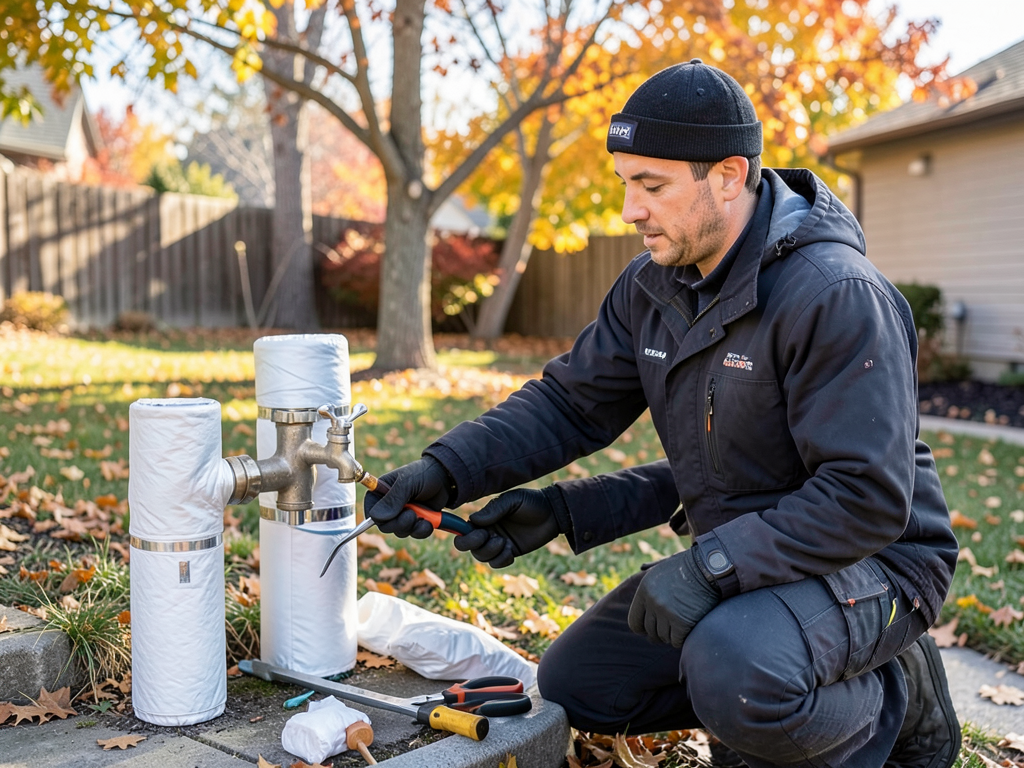
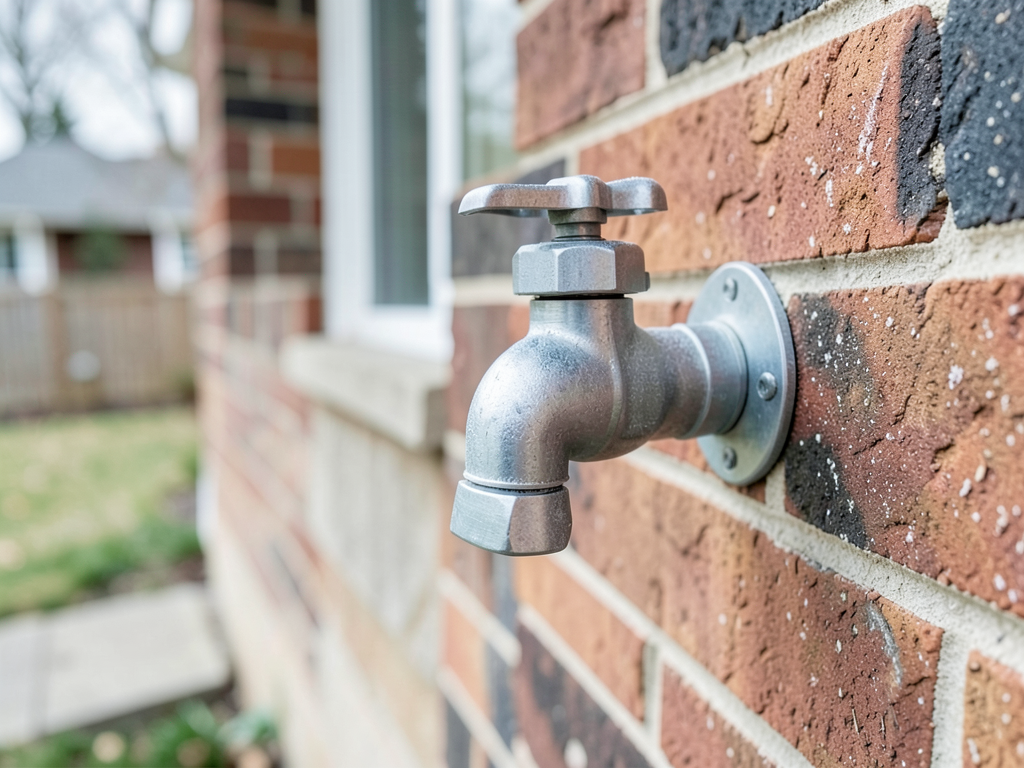
Diagram showing the anatomy of an outdoor faucet with shut-off valve and bleeder cap locations. Read more about How to Fix a Leaky Outdoor Spigot Before It Damages Your Forest Park Foundation.
Why Winterizing is Critical for Loveland Homes
Cincinnati’s freeze-thaw cycles are brutal on outdoor plumbing. The average first hard freeze in Hamilton County hits around October 25 to November 5, but the real danger comes from the rapid temperature swings common in Southwest Ohio. When water freezes inside a spigot, it expands by about 9% in volume. This pressure can crack copper pipes, split PEX tubing, or destroy the vacuum breaker assembly. Who to Call for an Emergency Plumbing Crisis in Downtown Cincinnati.
Older Loveland homes built before the 1980s often have standard sillcocks without frost-free design. These are especially vulnerable because the water sits directly in the exposed portion of the pipe. Even newer frost-free faucets need proper winterization because the internal shut-off valve is still inside your wall, and a frozen line can still cause damage to the sillcock body. Affordable Faucet and Sink Repairs for Families in Blue Ash.
According to the Cincinnati Plumbing Code Section 4101.2, all outdoor hose connections must have either a frost-free design or be equipped with a properly functioning vacuum breaker. Homes without these features are at higher risk during extreme cold snaps when temperatures drop below 20°F for extended periods. What to Expect During a Main Sewer Line Repair in Loveland.
Step 1: Locate and Disconnect Garden Hoses
Start by walking around your property and removing every garden hose from outdoor spigots. Water trapped inside a hose can freeze and create backpressure that forces ice into the faucet body. Even a small amount of water left in the connection point can cause damage.. Read more about Are Smart Water Leak Detectors Really Worth the Investment for Mount Adams Residents?.
Drain each hose completely by holding one end elevated while walking the length to force water out. Store hoses in a garage or shed where they won’t freeze. Don’t coil them tightly – water can still be trapped in the bends. Instead, lay them flat or hang them loosely.
For homes with multiple outdoor faucets, check for hose splitters or Y-connectors. These devices trap water in their internal chambers and are often forgotten during winterization. Remove them completely and store indoors.
Step 2: Find Your Indoor Shut-Off Valve
The next step requires locating the indoor shut-off valve that controls your outdoor faucet. In Loveland homes, this valve is typically found in one of three locations: the basement ceiling near the outside wall, a utility closet, or sometimes in a crawl space.
Older Loveland homes built in the 1960s and earlier often have gate valves that require multiple turns to close completely. Newer homes typically have quarter-turn ball valves that are easier to operate. If you can’t find the valve, it may be hidden behind drywall or finished ceiling. Some older homes in the area don’t have individual shut-off valves for outdoor faucets at all.
Once located, turn the valve clockwise until it stops. Don’t force it – if the valve is stuck or corroded, forcing it can break the stem or cause leaks inside your wall. If you encounter resistance, call Keystone Plumbing Cincinnati at (513) 717-2899 before proceeding.. Read more about Protecting the Exposed Plumbing in Your Madisonville Crawl Space From Rodents and Cold.
Step 3: Drain the Spigot and Bleeder Valve
After shutting off the indoor valve, go outside and open the outdoor faucet fully. This allows any remaining water in the line to drain out. Leave it open for about 10-15 minutes to ensure complete drainage.
Now return indoors to the shut-off valve. Many valves have a small bleeder cap – a tiny screw or cap on the side of the valve body. Place a small bucket underneath, then slowly open the bleeder cap with pliers. You should hear a hissing sound as air enters the line and water drains out.
The water that comes out may be dirty or rusty, especially in older Loveland homes with galvanized pipes. This is normal. Let it drain completely, then close the bleeder cap securely. If the bleeder cap leaks after tightening, the valve seat may be worn and need replacement.
Leave the outdoor faucet in the open position throughout winter. This prevents pressure buildup if any remaining water freezes and expands.
Technician using a moisture meter to check for hidden pipe condensation in a Loveland basement
Step 4: Installing Hose Bibb Covers
Insulation covers provide an extra layer of protection against extreme cold. These foam or insulated fabric covers slip over the faucet and attach with a drawstring or Velcro. While they won’t prevent freezing in extreme conditions, they can add several degrees of protection during mild freezes.
Choose covers rated for your climate zone. Cincinnati falls in Zone 6, so look for covers rated for at least -10°F. Install them after the spigot is completely drained and the bleeder valve is closed. Make sure the cover fits snugly against the wall to prevent cold air from circulating behind it.
For added protection, wrap the exposed pipe with foam insulation sleeves before installing the cover. This is especially important for pipes running along exterior walls in older Loveland homes where insulation may be lacking.
Frost-Free vs. Standard Spigots
Understanding what type of faucet you have helps determine the right winterization approach. Frost-free sillcocks have a long stem that places the actual shut-off valve inside the heated portion of your home, typically 10-12 inches back from the exterior wall.
To identify a frost-free faucet, look for a slight downward angle on the spigot when installed. This allows water to drain completely when shut off. Standard sillcocks are perpendicular to the wall and have the shut-off valve right behind the handle.
Even frost-free faucets need winterization because the vacuum breaker assembly on top can still freeze and crack. These assemblies contain small springs and rubber components that become brittle in extreme cold. If your frost-free faucet leaks from the top when turned on, the vacuum breaker likely needs replacement.
Newer Loveland developments often use PEX piping for outdoor connections because it resists freezing better than copper. PEX can expand slightly without breaking, but it’s not immune to damage. The fittings and connections are still vulnerable points.
When to Call a Professional
Some situations require professional plumbing help rather than DIY winterization. Call Keystone Plumbing Cincinnati at (513) 717-2899 if you encounter any of these issues:
- You can’t locate the indoor shut-off valve for an outdoor faucet
- The shut-off valve is stuck, leaking, or corroded
- You notice water stains on walls near outdoor faucets
- Your home has multiple outdoor faucets but only one visible shut-off valve
- You hear water running when all faucets are off
Professional plumbers can also inspect your system for hidden vulnerabilities. They’ll check for proper pitch on frost-free faucets, test vacuum breakers, and identify pipes that may need heat tape in extreme cold spots.
Emergency signs that require immediate attention include water pooling near the foundation after a freeze, frost on interior walls near plumbing, or a sudden drop in water pressure throughout the house. These could indicate a burst pipe that needs urgent repair.
Additional Protection for Loveland Winters
Beyond basic winterization, consider these extra steps for comprehensive protection. If you’re planning an extended winter vacation, keep your home’s thermostat at least 55°F to prevent freezing in under-insulated areas.
Check your home’s insulation levels, especially in basements and crawl spaces common in Loveland homes. The Ohio Department of Development recommends R-30 insulation in floors over unconditioned spaces. Poor insulation allows cold air to reach pipes more easily.
For particularly vulnerable pipes, heat tape can provide active protection. These electric heating cables wrap around pipes and maintain a minimum temperature. They require proper installation according to manufacturer specifications and local electrical codes.
Consider installing a whole-house water alarm system that can detect leaks from burst pipes anywhere in your home. These systems can automatically shut off your main water supply when a leak is detected, preventing catastrophic damage.
Regular maintenance also helps. Have your plumbing system inspected annually by a licensed plumber who knows Loveland’s specific challenges. They can identify aging components before they fail during a cold snap.
Before and after comparison showing a properly winterized outdoor faucet with insulation cover installed
Local Resources and Emergency Contacts
Loveland residents have several resources available for winter plumbing emergencies. The City of Loveland Building Department can provide information about local plumbing requirements and permit needs for major repairs.
For immediate emergencies, Keystone Plumbing Cincinnati offers 24/7 emergency service throughout Loveland and the greater Cincinnati area. Their technicians understand the specific challenges of Ohio River Valley winters and can respond quickly to prevent further damage. Quick Toilet Repair and Installation Services in Montgomery.
Keep these numbers handy: (513) 717-2899 for Keystone Plumbing Cincinnati, the Loveland Police non-emergency line at (513) 583-3000 for utility location services, and the Greater Cincinnati Water Works emergency line at (513) 591-7700 for main water line issues.
Don’t wait until the first hard freeze to winterize your outdoor faucets. The time to act is now, before temperatures drop and emergency service calls overwhelm local plumbers. A small investment of time and effort now can prevent major headaches and expenses later.
Need help with winterization or suspect a problem with your outdoor plumbing? Call Keystone Plumbing Cincinnati today at (513) 717-2899. Our experienced technicians know exactly what Loveland homes need to survive Ohio winters safely.
Frequently Asked Questions
When should I winterize my outdoor faucets in Loveland?
Plan to winterize your outdoor faucets by mid-October in Loveland. The average first hard freeze typically arrives between October 25 and November 5, but waiting until you see frost warnings means you’re already at risk.
Do frost-free faucets really need winterization?
Yes, frost-free faucets still need winterization. While the internal shut-off valve is protected inside your wall, the vacuum breaker assembly on top can freeze and crack. The slight downward pitch that allows drainage can also fail if the faucet wasn’t installed correctly.
What happens if I forget to winterize my outdoor faucet?
Forgetting to winterize can result in a burst pipe that floods your basement or crawl space. You might not notice the damage until spring when you turn the faucet on for the first time. At that point, you could be facing thousands in water damage repairs.
Can I use heat tape on my outdoor faucet?
Heat tape can be used on outdoor faucets, but it must be installed according to manufacturer specifications and local electrical codes. Improper installation can create fire hazards. For most situations, proper drainage and insulation covers provide adequate protection.
How do I know if my outdoor faucet is already damaged?
Signs of damage include water stains on interior walls near the faucet, reduced water pressure, visible cracks in the spigot body, or water leaking from unusual locations when the faucet is turned on. If you notice any of these issues, call a professional plumber immediately.
Remember, winterizing your outdoor faucets is just one part of preparing your Loveland home for winter. Consider having a comprehensive plumbing inspection to identify other potential vulnerabilities before the cold weather arrives.
For professional help with winterization or any plumbing emergency, contact Keystone Plumbing Cincinnati at (513) 717-2899. We’re here to keep your home safe and dry all winter long. For more information, visit Uniform Plumbing Code standards.
{
“@context”: “https://schema.org”,
“@type”: “BlogPosting”,
“headline”: “A Simple Step-by-Step Guide to Winterizing Your Outdoor Faucets in Loveland”,
“description”: “Learn how to protect your outdoor faucets from freezing in Loveland. Step-by-step guide with local tips for Cincinnati winters. Call (513) 717-2899 for help.”,
“wordCount”: 2014,
“datePublished”: “2026-03-19T09:22:00.000Z”,
“dateModified”: “2026-03-19T09:22:00.000Z”,
“inLanguage”: “en-US”,
“mainEntityOfPage”: {
“@type”: “WebPage”,
“@id”: “https://keystoneplumbingcincinnati.com”
},
“publisher”: {
“@type”: “LocalBusiness”,
“name”: “Keystone Plumbing Cincinnati”,
“url”: “https://keystoneplumbingcincinnati.com”
},
“author”: {
“@type”: “Organization”,
“name”: “Keystone Plumbing Cincinnati”,
“url”: “https://keystoneplumbingcincinnati.com”
},
“image”: {
“@type”: “ImageObject”,
“url”: “https://keystoneplumbingcincinnati.com/wp-content/uploads/2026/03/a-simple-step-by-step-guide-to-winterizing-your-ou-1.png”
}
}
{
“@context”: “https://schema.org”,
“@type”: “Plumber”,
“name”: “Keystone Plumbing Cincinnati”,
“url”: “https://keystoneplumbingcincinnati.com”,
“address”: {
“@type”: “PostalAddress”,
“addressLocality”: “Cincinnati”
},
“areaServed”: {
“@type”: “City”,
“name”: “Cincinnati”
}
}
{
“@context”: “https://schema.org”,
“@type”: “FAQPage”,
“mainEntity”: [
{
“@type”: “Question”,
“name”: “When should I winterize my outdoor faucets in Loveland?”,
“acceptedAnswer”: {
“@type”: “Answer”,
“text”: “Plan to winterize your outdoor faucets by mid-October in Loveland. The average first hard freeze typically arrives between October 25 and November 5, but waiting until you see frost warnings means you’re already at risk.”
}
},
{
“@type”: “Question”,
“name”: “Do frost-free faucets really need winterization?”,
“acceptedAnswer”: {
“@type”: “Answer”,
“text”: “Yes, frost-free faucets still need winterization. While the internal shut-off valve is protected inside your wall, the vacuum breaker assembly on top can freeze and crack. The slight downward pitch that allows drainage can also fail if the faucet wasn’t installed correctly.”
}
},
{
“@type”: “Question”,
“name”: “What happens if I forget to winterize my outdoor faucet?”,
“acceptedAnswer”: {
“@type”: “Answer”,
“text”: “Forgetting to winterize can result in a burst pipe that floods your basement or crawl space. You might not notice the damage until spring when you turn the faucet on for the first time. At that point, you could be facing thousands in water damage repairs.”
}
},
{
“@type”: “Question”,
“name”: “Can I use heat tape on my outdoor faucet?”,
“acceptedAnswer”: {
“@type”: “Answer”,
“text”: “Heat tape can be used on outdoor faucets, but it must be installed according to manufacturer specifications and local electrical codes. Improper installation can create fire hazards. For most situations, proper drainage and insulation covers provide adequate protection.”
}
}
]
}
{
“@context”: “https://schema.org”,
“@type”: “BreadcrumbList”,
“itemListElement”: [
{
“@type”: “ListItem”,
“position”: 1,
“name”: “Home”,
“item”: “https://keystoneplumbingcincinnati.com”
},
{
“@type”: “ListItem”,
“position”: 2,
“name”: “Blog”,
“item”: “https://keystoneplumbingcincinnati.com/blog”
},
{
“@type”: “ListItem”,
“position”: 3,
“name”: “A Simple Step-by-Step Guide to Winterizing Your Outdoor Faucets in Loveland”
}
]
}
{
“@context”: “https://schema.org”,
“@type”: “Service”,
“serviceType”: “Plumbing”,
“provider”: {
“@type”: “LocalBusiness”,
“name”: “Keystone Plumbing Cincinnati”,
“url”: “https://keystoneplumbingcincinnati.com”
},
“areaServed”: {
“@type”: “City”,
“name”: “Cincinnati”
},
“description”: “Learn how to protect your outdoor faucets from freezing in Loveland. Step-by-step guide with local tips for Cincinnati winters. Call (513) 717-2899 for help.”
}