
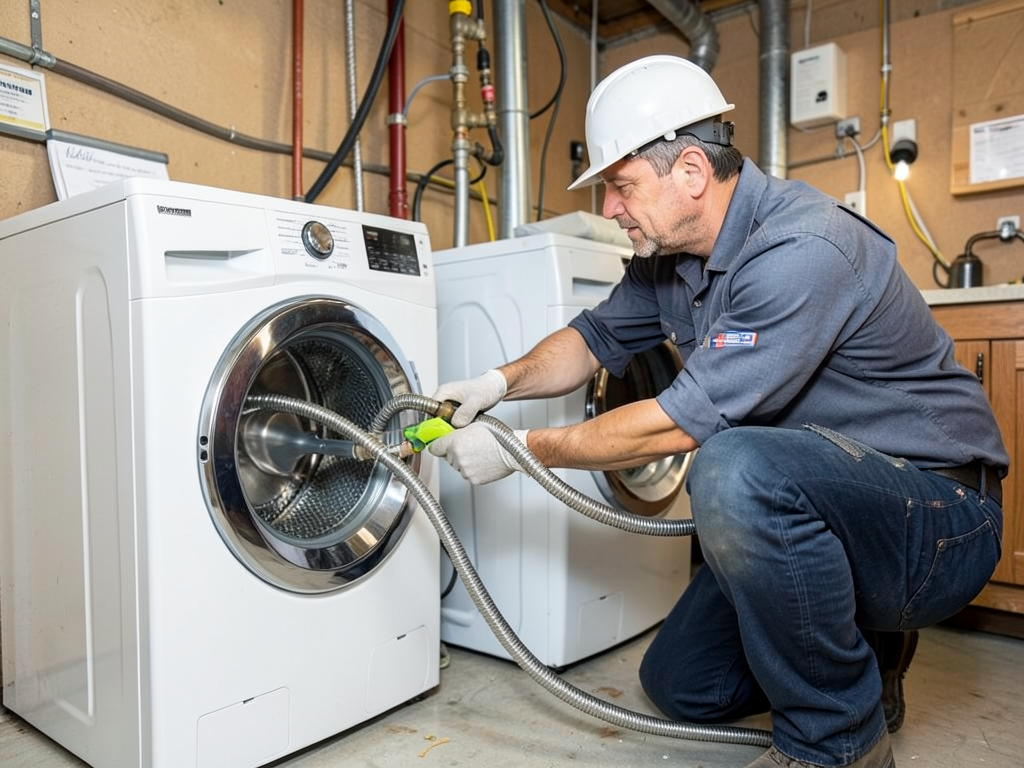
Why Upgrading Your Washing Machine Hoses is the Best Way to Prevent a Flood in Finneytown
A burst washing machine hose can release up to 500 gallons of water per hour flooding your Finneytown basement before you even notice the problem. Rubber hoses degrade from Cincinnati’s hard water mineral buildup and water hammer pressure spikes causing thousands in damage. Upgrading to braided stainless steel hoses with burst pressure ratings over 1500 PSI can prevent this disaster and save your home from costly water damage repairs. EPA WaterSense program.
The Hidden Danger in Your Laundry Room
Most Finneytown homeowners never think about their washing machine hoses until water is pouring across the floor. These rubber hoses sit quietly behind your washer for years building up internal damage you cannot see. The average rubber hose lasts only 3 to 5 years but many homes in Finneytown still have original hoses from the 1990s or early 2000s. When these hoses fail they burst completely not just leak slowly creating a flood that can destroy flooring drywall and personal belongings in minutes. Finding the Best Water Heater Replacement for Your West Chester House.
Finneytown’s older homes built between 1970 and 1990 often have laundry rooms on the main floor or in upstairs closets. A burst hose in these locations sends water cascading through ceilings and walls causing even more extensive damage than a basement flood. The Greater Cincinnati Water Works system delivers water at pressures between 40 and 80 PSI but pressure spikes from water hammer when valves close suddenly can push that pressure much higher for brief moments. Rubber hoses cannot handle these spikes while braided stainless steel hoses absorb the shock without failing.. Read more about What to Do When Your Laundry Room Floor Drain Overflows in Green Township.
Rubber Washer Hoses The Budget Standard That Fails
Rubber washer hoses cost about $5 to $10 each and have been the standard for decades. They contain an EPDM rubber inner tube wrapped in a braided rayon or polyester cover. This design works fine for a few years but rubber breaks down from several factors. Cincinnati’s hard water leaves mineral deposits inside the hose that create weak spots. Chlorine in the water breaks down the rubber from the inside. Constant water pressure cycles from turning the washer on and off cause the rubber to expand and contract leading to cracks.. Read more about Do You Know Exactly Where the Main Water Shut-Off Valve is in Your Silverton Home?.
The failure signs are subtle at first. You might notice the hose feels softer than normal or see small blisters forming on the surface. These blisters indicate the inner rubber is separating from the outer cover. Once a blister forms the hose is near failure. The rubber also becomes less flexible with age so instead of bending easily it feels stiff and brittle. When you touch an old rubber hose it might feel warm even when the washer is not running indicating internal deterioration.
Rubber hoses typically burst at the crimp where the metal fitting connects to the rubber. This connection point cannot expand like the rubber can so it becomes the weakest link. When pressure builds up during a water hammer event or from a faulty pressure regulator this crimp fails catastrophically. The hose then separates completely from the fitting releasing a full flow of water until someone notices and shuts off the supply valves. What to Expect During a Main Sewer Line Repair in Loveland.
Braided Stainless Steel Hoses The Flood Prevention Solution
Braided stainless steel hoses solve the failure problems of rubber hoses through superior materials and construction. These hoses have a reinforced EPDM or nitrile rubber inner tube surrounded by a tight braid of 304 stainless steel wires. The stainless steel braid provides two critical functions. It prevents the rubber from expanding under pressure and it protects against physical damage from rubbing against the wall or being pinched by the washer.
The burst pressure rating of quality braided hoses exceeds 1500 PSI while rubber hoses typically fail around 200 to 300 PSI. This dramatic difference means braided hoses can handle water hammer spikes and pressure regulator failures that would destroy rubber hoses. The stainless steel also resists the mineral buildup that damages rubber so the hoses maintain their flexibility and strength for their entire lifespan.
Premium braided hoses include additional features that provide even more protection. Some models have auto shut off valves that detect a sudden flow increase like a burst and automatically close the water supply. Others use a special polymer coating on the stainless steel to prevent corrosion in humid laundry rooms. The fittings on quality hoses use brass or stainless steel instead of the zinc plated steel found on cheap rubber hoses preventing the fitting corrosion that causes many failures.
Installation of braided hoses requires slightly more care than rubber hoses but the process is straightforward. The stainless steel can kink if bent too sharply so you need to plan the hose path carefully. The fittings use compression rather than the barbed connections on rubber hoses so they seal better and resist vibration loosening. A properly installed braided hose will last 10 years or more compared to 3 to 5 years for rubber.
Direct Comparison Pressure Ratings Lifespan and Burst Risks
Understanding the technical differences between hose types helps you make the right choice for your Finneytown home. The following comparison shows why braided stainless steel is worth the extra cost.
| Feature | Rubber Hoses | Braided Stainless Steel |
|---|---|---|
| Average Cost | $5 to $10 each | $20 to $40 each |
| Expected Lifespan | 3 to 5 years | 10+ years |
| Burst Pressure Rating | 200 to 300 PSI | 1500+ PSI |
| Water Hammer Resistance | Poor | Excellent |
| Mineral Buildup Resistance | Low | High |
| Auto Shut Off Option | No | Yes available |
The cost difference seems significant at first. Spending $40 on hoses instead of $10 saves you money only if you never have a flood. The average water damage claim in Hamilton County costs between $5000 and $15000 depending on the extent of flooding and damage to flooring and walls. One burst rubber hose can cost you thousands in repairs while the upgraded hoses would have cost less than $100 installed. Industrial Pipe Repair.
The Cincinnati Factor Hard Water and Your Hoses
Cincinnati’s water comes from the Ohio River and contains high levels of dissolved minerals especially calcium and magnesium. These minerals create what plumbers call hard water with a hardness level around 150 to 200 parts per million. This mineral content attacks rubber hoses in two ways. Minerals deposit on the inside of the hose creating rough surfaces that weaken the rubber structure. The minerals also react with the rubber accelerating the chemical breakdown that causes aging.
The Greater Cincinnati Water Works treats water to safe drinking standards but does not soften it since hard water is not considered a health hazard. This means every home in Finneytown receives mineral rich water that gradually destroys rubber components. You can see this effect on your faucets where mineral deposits create white crusty buildup around the edges. Inside your washing machine hoses this same process is happening but you cannot see it until the hose fails. Affordable Faucet and Sink Repairs for Families in Blue Ash.
Stainless steel hoses resist mineral buildup much better than rubber. The smooth interior surface does not provide places for minerals to attach and the stainless steel itself does not react with the minerals. While some mineral scale may eventually form on any surface the stainless steel hoses maintain their integrity for much longer. This resistance to mineral damage is one reason they last 10 years instead of 3 to 5.
Another local factor is Cincinnati’s temperature swings. Winter freezing and summer heat cause pipes and hoses to expand and contract. Rubber becomes brittle in cold temperatures and can crack during these cycles. Stainless steel maintains its flexibility across a much wider temperature range preventing the cold weather damage that often causes rubber hose failures in Finneytown basements during January and February.
How to Identify Which Hose You Currently Have
Many homeowners do not know what type of hoses connect their washing machine. Identifying your current hoses takes just a few minutes and could prevent a future flood. Pull your washing machine away from the wall far enough to see the hoses but not so far that you disconnect anything. The hoses run from the wall valves to the back of the washing machine.
Rubber hoses look black or gray and feel smooth and slightly soft to the touch. You can usually see the printing on the side that says something like EPDM rubber or similar. The surface may have a slight sheen but it will not look like woven metal. If you squeeze the hose it will compress slightly and feel like rubber. Check where the hose connects to the metal fittings. If you see cracks or splits forming at these connection points the hose is near failure.
Braided stainless steel hoses have a distinctive appearance. The outer surface looks like a flexible metal mesh or braid. The color is usually silver or gray metallic. When you touch them they feel firm but flexible like a reinforced garden hose. Some have a clear or colored polymer coating over the stainless steel braid for extra protection. The fittings are usually brass or chrome plated and look more substantial than the simple crimp fittings on rubber hoses.
Age is another indicator. If your washing machine is more than 5 years old and you have never replaced the hoses they are likely rubber and likely near the end of their useful life. Even if they look fine internally they could fail at any time. The risk increases every year you keep the original hoses.
Professional Recommendation When Should You Upgrade
Every Finneytown homeowner should upgrade to braided stainless steel hoses if they have rubber hoses over 3 years old or if they have experienced any water damage from plumbing failures. The upgrade is especially important for homes with main floor or upstairs laundry rooms since a burst hose in these locations causes more extensive damage than a basement flood. Who to Call for an Emergency Plumbing Crisis in Downtown Cincinnati.
Consider upgrading immediately if you notice any of these warning signs. Hoses that feel warm to the touch when the washer is not running indicate internal deterioration. Blisters or bubbles on the hose surface show the rubber is separating from the reinforcement. Cracks at the fitting connections mean the hose is about to fail. Hoses that are over 5 years old should be replaced preventively even if they look fine since rubber degradation is not always visible.
The best time to upgrade is during a routine plumbing inspection or when you are already moving the washing machine for another reason. Installation takes about 30 minutes for a professional plumber and costs between $100 and $150 including the new hoses. This investment is minimal compared to the potential cost of water damage repairs which can easily exceed $10000 for a main floor flood.
For maximum protection choose braided hoses with auto shut off valves. These valves detect the sudden massive water flow of a burst hose and automatically close the supply valves within seconds. This feature can limit water damage even if you are not home to hear the burst and turn off the water manually. The added cost of about $20 per hose is worth it for the extra protection.
Professional installation ensures the hoses are routed correctly without sharp bends that could kink the stainless steel braid. The plumber will also check your water pressure and supply valves to make sure they are in good condition. Many plumbing companies offer package deals that include hose replacement along with other laundry room plumbing checks.
Frequently Asked Questions
How often should washing machine hoses be replaced?
Rubber washing machine hoses should be replaced every 3 to 5 years or immediately if you see any signs of damage. Braided stainless steel hoses last 10 years or more but should be inspected annually for signs of wear or corrosion.
Can I install braided stainless steel hoses myself?
Yes you can install these hoses yourself if you are comfortable with basic plumbing. Turn off the water supply completely before starting. Hand tighten the fittings then give them a quarter turn with pliers. Do not overtighten as this can damage the fittings or the washing machine connections.
What causes washing machine hoses to burst?
Hoses burst from a combination of age water pressure and physical damage. Rubber hoses fail from internal degradation mineral buildup and water hammer pressure spikes. Physical damage from the washer vibrating against the wall or from sharp bends can also cause failure.
Are braided hoses worth the extra cost?
Yes braided stainless steel hoses are worth the extra cost for the protection they provide. The average water damage claim costs thousands while the hoses cost less than $100 installed. They also last longer and provide peace of mind especially for homes with main floor laundry rooms.
Do braided hoses prevent all water damage?
Braided hoses greatly reduce the risk of a burst but they cannot prevent all water damage. Leaks can still occur from the washing machine itself or from supply valves. For complete protection consider installing water leak detection sensors that can shut off the water supply automatically if they detect moisture.
Call (513) 717-2899 today to schedule your washing machine hose inspection and upgrade. Our Finneytown plumbing experts can replace your old rubber hoses with flood preventing braided stainless steel hoses in about 30 minutes protecting your home from costly water damage.
Pick up the phone and call (513) 717-2899 before the next storm hits. Our team understands Finneytown’s specific plumbing challenges and can help you prevent a disaster before it happens. Do not wait until you are standing in a flooded laundry room to take action. For more information, visit IICRC water damage standards.
{
“@context”: “https://schema.org”,
“@type”: “BlogPosting”,
“headline”: “Why Upgrading Your Washing Machine Hoses is the Best Way to Prevent a Flood in Finneytown”,
“description”: “Discover why braided stainless steel washer hoses prevent costly floods in Finneytown homes. Learn the risks of rubber hoses and when to upgrade.”,
“wordCount”: 2303,
“datePublished”: “2026-03-24T14:23:00.000Z”,
“dateModified”: “2026-03-24T14:23:00.000Z”,
“inLanguage”: “en-US”,
“mainEntityOfPage”: {
“@type”: “WebPage”,
“@id”: “https://keystoneplumbingcincinnati.com”
},
“publisher”: {
“@type”: “LocalBusiness”,
“name”: “Keystone Plumbing Cincinnati”,
“url”: “https://keystoneplumbingcincinnati.com”
},
“author”: {
“@type”: “Organization”,
“name”: “Keystone Plumbing Cincinnati”,
“url”: “https://keystoneplumbingcincinnati.com”
},
“image”: {
“@type”: “ImageObject”,
“url”: “https://keystoneplumbingcincinnati.com/wp-content/uploads/2026/03/why-upgrading-your-washing-machine-hoses-is-the-be-1.png”
}
}
{
“@context”: “https://schema.org”,
“@type”: “Plumber”,
“name”: “Keystone Plumbing Cincinnati”,
“url”: “https://keystoneplumbingcincinnati.com”,
“address”: {
“@type”: “PostalAddress”,
“addressLocality”: “Cincinnati”
},
“areaServed”: {
“@type”: “City”,
“name”: “Cincinnati”
}
}
{
“@context”: “https://schema.org”,
“@type”: “FAQPage”,
“mainEntity”: [
{
“@type”: “Question”,
“name”: “How often should washing machine hoses be replaced?”,
“acceptedAnswer”: {
“@type”: “Answer”,
“text”: “Rubber washing machine hoses should be replaced every 3 to 5 years or immediately if you see any signs of damage. Braided stainless steel hoses last 10 years or more but should be inspected annually for signs of wear or corrosion.”
}
},
{
“@type”: “Question”,
“name”: “Can I install braided stainless steel hoses myself?”,
“acceptedAnswer”: {
“@type”: “Answer”,
“text”: “Yes you can install these hoses yourself if you are comfortable with basic plumbing. Turn off the water supply completely before starting. Hand tighten the fittings then give them a quarter turn with pliers. Do not overtighten as this can damage the fittings or the washing machine connections.”
}
},
{
“@type”: “Question”,
“name”: “What causes washing machine hoses to burst?”,
“acceptedAnswer”: {
“@type”: “Answer”,
“text”: “Hoses burst from a combination of age water pressure and physical damage. Rubber hoses fail from internal degradation mineral buildup and water hammer pressure spikes. Physical damage from the washer vibrating against the wall or from sharp bends can also cause failure.”
}
},
{
“@type”: “Question”,
“name”: “Are braided hoses worth the extra cost?”,
“acceptedAnswer”: {
“@type”: “Answer”,
“text”: “Yes braided stainless steel hoses are worth the extra cost for the protection they provide. The average water damage claim costs thousands while the hoses cost less than $100 installed. They also last longer and provide peace of mind especially for homes with main floor laundry rooms.”
}
},
{
“@type”: “Question”,
“name”: “Do braided hoses prevent all water damage?”,
“acceptedAnswer”: {
“@type”: “Answer”,
“text”: “Braided hoses greatly reduce the risk of a burst but they cannot prevent all water damage. Leaks can still occur from the washing machine itself or from supply valves. For complete protection consider installing water leak detection sensors that can shut off the water supply automatically if they detect moisture.”
}
}
]
}
{
“@context”: “https://schema.org”,
“@type”: “BreadcrumbList”,
“itemListElement”: [
{
“@type”: “ListItem”,
“position”: 1,
“name”: “Home”,
“item”: “https://keystoneplumbingcincinnati.com”
},
{
“@type”: “ListItem”,
“position”: 2,
“name”: “Blog”,
“item”: “https://keystoneplumbingcincinnati.com/blog”
},
{
“@type”: “ListItem”,
“position”: 3,
“name”: “Why Upgrading Your Washing Machine Hoses is the Best Way to Prevent a Flood in Finneytown”
}
]
}
{
“@context”: “https://schema.org”,
“@type”: “Service”,
“serviceType”: “Plumbing”,
“provider”: {
“@type”: “LocalBusiness”,
“name”: “Keystone Plumbing Cincinnati”,
“url”: “https://keystoneplumbingcincinnati.com”
},
“areaServed”: {
“@type”: “City”,
“name”: “Cincinnati”
},
“description”: “Discover why braided stainless steel washer hoses prevent costly floods in Finneytown homes. Learn the risks of rubber hoses and when to upgrade.”
}