
Most Springdale homeowners installing a new water heater are surprised to learn they need an extra tank. That small tank mounted on the cold water line is a thermal expansion tank and it protects your home from dangerous pressure buildup caused by water heating in a closed plumbing system. Finding the Best Water Heater Replacement for Your West Chester House.
Here’s the bottom line: If your home has a backflow preventer or check valve on the main water line you need an expansion tank. Without it heated water has nowhere to go when it expands and can cause leaks damage appliances or even burst your water heater.. Read more about Why You Must Descale Your Tankless Water Heater in Amberley Village Every Year.
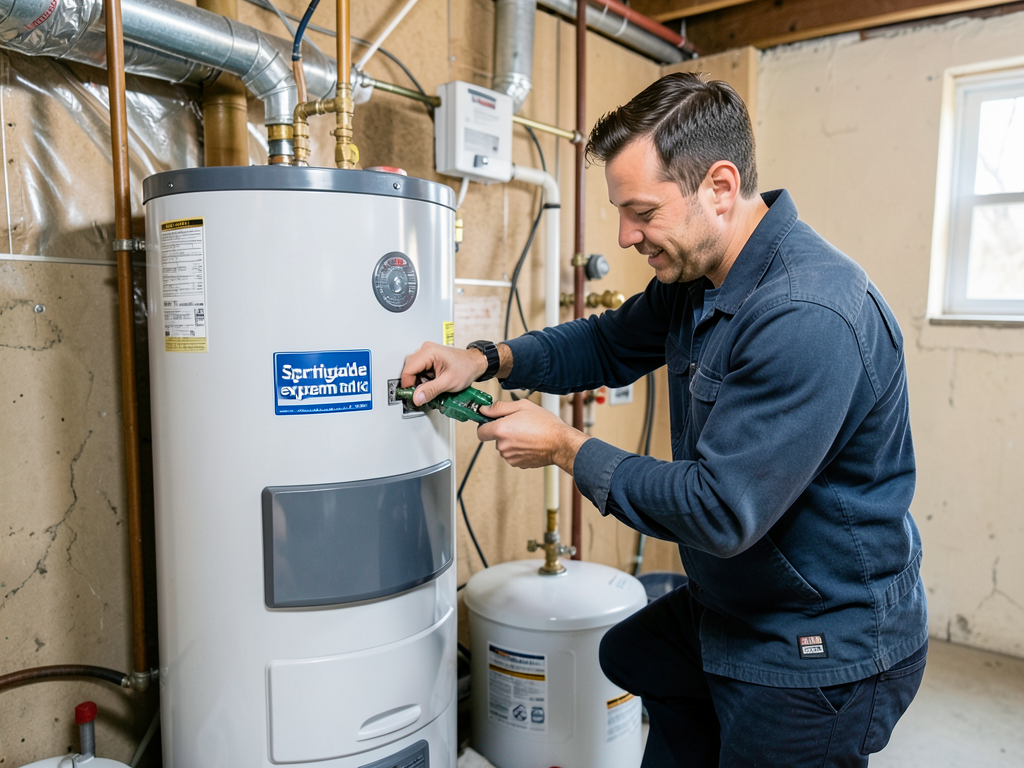
What is the Purpose of a Water Heater Expansion Tank?
Water expands when heated. In older homes with open plumbing systems that extra volume simply pushed back into the city water main. But modern Cincinnati homes have backflow preventers that keep contaminated water from flowing backward into the municipal supply. Who to Call for an Emergency Plumbing Crisis in Downtown Cincinnati.
This creates a closed-loop system where heated water has nowhere to expand. The pressure builds until something gives way usually your water heater’s temperature and pressure relief valve but sometimes pipes fixtures or the tank itself.. Read more about Choosing the Best Water Heater for Large West Chester Families (Tankless vs Tank).
Thermal expansion tanks contain a rubber bladder that separates air from water. When water expands it compresses the air cushion instead of building dangerous pressure in your pipes. This simple device prevents thousands of dollars in potential damage.
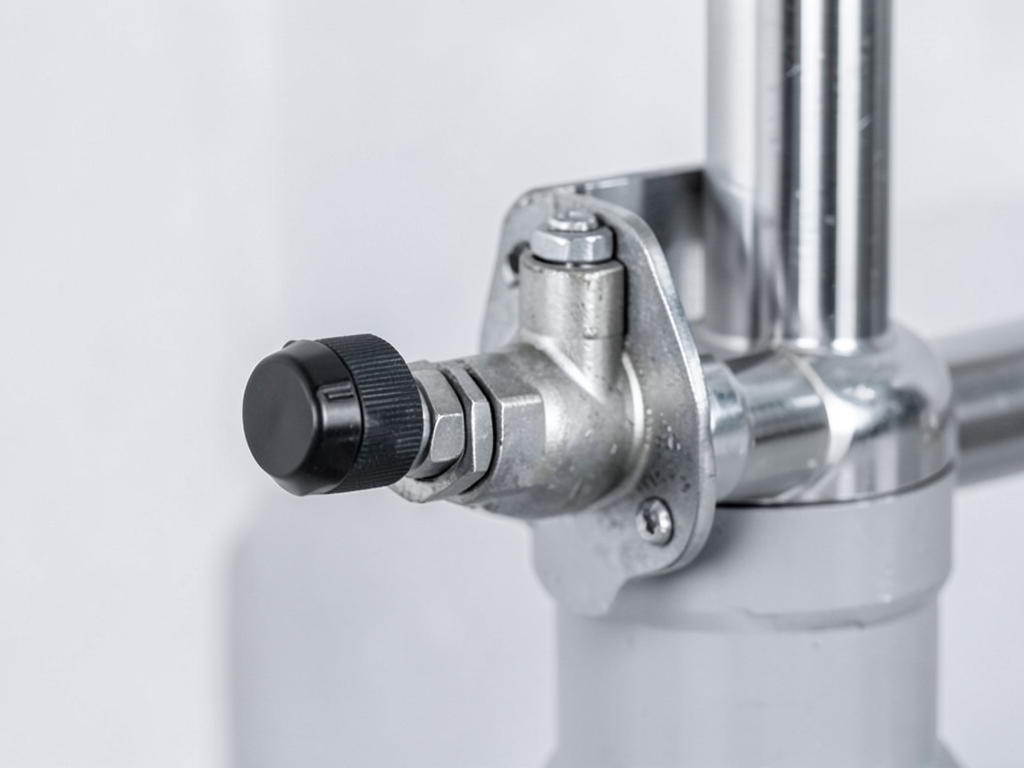
The Science of Thermal Expansion: Why Your Water Needs Room to Grow
Water expands approximately 2% in volume when heated from 50°F to 120°F. In a typical 50-gallon water heater that’s an extra gallon of water that needs somewhere to go.
Without an expansion tank this extra volume creates pressure spikes that can reach 150-200 PSI. Your water heater’s T&P relief valve is rated for 150 PSI maximum but constant pressure cycling wears it out and creates leak points.
The rubber bladder inside quality expansion tanks is typically made of butyl rubber which resists chlorine degradation from Cincinnati’s municipal water supply. Cheaper tanks use EPDM bladders that break down faster in our water chemistry.
Springdale’s water pressure typically runs 60-80 PSI which is higher than ideal for residential systems. Combined with thermal expansion this creates the perfect conditions for plumbing failures.
How an Expansion Tank Protects Your Cincinnati Home’s Plumbing
Expansion tanks prevent multiple failure points throughout your plumbing system. They stop pressure spikes that can damage your water heater’s internal components including the dip tube and heating elements.
Your dishwasher washing machine and refrigerator ice maker all have delicate inlet valves rated for 80 PSI maximum. Repeated pressure surges from thermal expansion can cause these valves to fail leading to expensive appliance repairs. Industrial Pipe Repair.
The tank also prevents water hammer that loud banging sound when valves close suddenly. This protects your pipes from joint separation and leak development especially in older Springdale homes with copper or galvanized piping.
Properly sized expansion tanks maintain system pressure between 40-60 PSI which extends the life of every fixture and appliance connected to your water system.
Closed-Loop vs. Open-Loop Systems: Do You Need a Tank?
Most Springdale homes built after 2000 have closed-loop systems. If you have a pressure-reducing valve backflow preventer or check valve on your main water line you need an expansion tank.
Older homes without these devices may not need one but Cincinnati Water Works now requires backflow preventers on all new installations. This means most replacement water heaters need expansion tanks even in older neighborhoods.
Check your water meter. If you see a brass device with a flapper valve or spring-loaded mechanism you have a backflow preventer and need an expansion tank.
Tankless water heaters also require expansion tanks in closed-loop systems. While they heat water on demand rather than storing it the same pressure buildup occurs when hot water flows through the heat exchanger.
Cincinnati Building Codes and Expansion Tank Requirements
The Ohio Plumbing Code Section 607.3 requires thermal expansion tanks on all water heater installations where a backflow prevention device is installed. Hamilton County has adopted this code with local amendments. Ohio Plumbing Code Section 607.3.
Greater Cincinnati Water Works mandates backflow prevention on all residential service lines installed after 2010. This means even if your home is older any water heater replacement requires both a backflow preventer and expansion tank. Greater Cincinnati Water Works backflow requirements.
Insurance companies are increasingly requiring these installations. Without proper expansion protection a burst water heater can cause catastrophic damage not covered by standard policies.
Signs Your Expansion Tank is Failing
A failing expansion tank often makes a dull thud when you tap it with a screwdriver. This sound indicates the bladder has failed and the tank is waterlogged.
Check the air valve on top of the tank. If water comes out instead of air the bladder has ruptured and the tank needs replacement.
Water dripping from your T&P relief valve is another sign. While this valve can leak for other reasons expansion tank failure is a common cause in Springdale homes.
If your water pressure gauge shows spikes above 80 PSI when hot water isn’t running your expansion tank isn’t doing its job.. Read more about Repairing or Running New Gas Lines for Your Fireplace in Reading.
Installation and Maintenance: Why DIY is Risky
Expansion tank sizing depends on your water heater capacity incoming water pressure and whether you have a gas or electric unit. An undersized tank won’t protect your system while an oversized one wastes space and money.
The tank must be installed vertically on the cold water line within 6 feet of the water heater. Incorrect positioning can trap air bubbles and reduce effectiveness.
Pre-charging the tank to match your home’s water pressure requires a tire pressure gauge and air compressor. Too much or too little pressure renders the tank ineffective.
Local codes require expansion tanks to be accessible for inspection and replacement. Improper mounting can violate these requirements and cause problems during home inspections. What to Expect During a Main Sewer Line Repair in Loveland.
- Turn Off Water Supply
Shut off the main water valve and relieve system pressure by opening a hot water faucet. Affordable Faucet and Sink Repairs for Families in Blue Ash.
- Check Air Pressure
Use a tire pressure gauge on the air valve. Pressure should match your home’s water pressure (typically 60-80 PSI).
- Perform the Knock Test
Tap the tank with a screwdriver. A healthy tank sounds hollow; a failed one sounds solid.
- Check for Leaks
Inspect all connections for moisture or corrosion. Expansion tank failures often cause connection leaks.
Frequently Asked Questions
How long do thermal expansion tanks last?
Quality expansion tanks typically last 5-10 years in Cincinnati’s water conditions. The rubber bladder degrades from chlorine exposure and pressure cycling. Annual testing helps predict replacement timing.
Can I install an expansion tank myself?
While possible DIY installation often leads to sizing errors improper pre-charging or code violations. Professional installation ensures proper sizing code compliance and warranty protection for your water heater.
What size expansion tank do I need?
Tank size depends on your water heater’s gallon capacity and your home’s water pressure. A 40-50 gallon heater typically needs a 2-gallon expansion tank but high-pressure systems may require 4.5-gallon models.
Will an expansion tank affect my water pressure?
Properly sized and charged expansion tanks maintain consistent pressure. They absorb pressure spikes but don’t reduce normal operating pressure when functioning correctly.
Are expansion tanks required by code in Springdale?
Yes. Hamilton County has adopted the Ohio Plumbing Code requiring expansion tanks on all new water heater installations with backflow prevention devices. Most Springdale homes now require them.
Protect Your Springdale Home from Water Heater Damage
Springdale’s combination of high water pressure and closed-loop plumbing systems makes thermal expansion tanks essential for every water heater installation. The cost of an expansion tank is minimal compared to the potential damage from a burst water heater or failed plumbing connections.
Don’t wait until a pressure spike causes expensive damage to your Springdale home. A properly installed expansion tank protects your entire plumbing system and extends the life of your water heater appliances and fixtures.
Call (513) 717-2899 to schedule your water heater installation with proper expansion tank protection. Our licensed plumbers understand local codes and can properly size and install your expansion tank the first time.
{
“@context”: “https://schema.org”,
“@type”: “BlogPosting”,
“headline”: “Why Your New Water Heater in Springdale Might Need a Thermal Expansion Tank”,
“description”: “Springdale homes need thermal expansion tanks to prevent dangerous pressure buildup in closed plumbing systems. Learn why and how to protect your water heater.”,
“wordCount”: 1387,
“datePublished”: “2026-04-05T15:31:00.000Z”,
“dateModified”: “2026-04-05T15:31:00.000Z”,
“inLanguage”: “en-US”,
“mainEntityOfPage”: {
“@type”: “WebPage”,
“@id”: “https://keystoneplumbingcincinnati.com”
},
“publisher”: {
“@type”: “LocalBusiness”,
“name”: “Keystone Plumbing Cincinnati”,
“url”: “https://keystoneplumbingcincinnati.com”
},
“author”: {
“@type”: “Organization”,
“name”: “Keystone Plumbing Cincinnati”,
“url”: “https://keystoneplumbingcincinnati.com”
},
“image”: {
“@type”: “ImageObject”,
“url”: “https://keystoneplumbingcincinnati.com/wp-content/uploads/2026/03/why-your-new-water-heater-in-springdale-might-need-1.png”
}
}
{
“@context”: “https://schema.org”,
“@type”: “Plumber”,
“name”: “Keystone Plumbing Cincinnati”,
“url”: “https://keystoneplumbingcincinnati.com”,
“address”: {
“@type”: “PostalAddress”,
“addressLocality”: “Cincinnati”
},
“areaServed”: {
“@type”: “City”,
“name”: “Cincinnati”
}
}
{
“@context”: “https://schema.org”,
“@type”: “FAQPage”,
“mainEntity”: [
{
“@type”: “Question”,
“name”: “What is the Purpose of a Water Heater Expansion Tank?”,
“acceptedAnswer”: {
“@type”: “Answer”,
“text”: “Water expands when heated. In older homes with open plumbing systems that extra volume simply pushed back into the city water main. But modern Cincinnati homes have backflow preventers that keep contaminated water from flowing backward into the municipal supply. Who to Call for an Emergency Plumbing Crisis in Downtown Cincinnati.”
}
},
{
“@type”: “Question”,
“name”: “Closed-Loop vs. Open-Loop Systems: Do You Need a Tank?”,
“acceptedAnswer”: {
“@type”: “Answer”,
“text”: “Most Springdale homes built after 2000 have closed-loop systems. If you have a pressure-reducing valve backflow preventer or check valve on your main water line you need an expansion tank.”
}
},
{
“@type”: “Question”,
“name”: “How long do thermal expansion tanks last?”,
“acceptedAnswer”: {
“@type”: “Answer”,
“text”: “Quality expansion tanks typically last 5-10 years in Cincinnati’s water conditions. The rubber bladder degrades from chlorine exposure and pressure cycling. Annual testing helps predict replacement timing.”
}
},
{
“@type”: “Question”,
“name”: “Can I install an expansion tank myself?”,
“acceptedAnswer”: {
“@type”: “Answer”,
“text”: “While possible DIY installation often leads to sizing errors improper pre-charging or code violations. Professional installation ensures proper sizing code compliance and warranty protection for your water heater.”
}
},
{
“@type”: “Question”,
“name”: “What size expansion tank do I need?”,
“acceptedAnswer”: {
“@type”: “Answer”,
“text”: “Tank size depends on your water heater’s gallon capacity and your home’s water pressure. A 40-50 gallon heater typically needs a 2-gallon expansion tank but high-pressure systems may require 4.5-gallon models.”
}
},
{
“@type”: “Question”,
“name”: “Will an expansion tank affect my water pressure?”,
“acceptedAnswer”: {
“@type”: “Answer”,
“text”: “Properly sized and charged expansion tanks maintain consistent pressure. They absorb pressure spikes but don’t reduce normal operating pressure when functioning correctly.”
}
},
{
“@type”: “Question”,
“name”: “Are expansion tanks required by code in Springdale?”,
“acceptedAnswer”: {
“@type”: “Answer”,
“text”: “Yes. Hamilton County has adopted the Ohio Plumbing Code requiring expansion tanks on all new water heater installations with backflow prevention devices. Most Springdale homes now require them.”
}
}
]
}
{
“@context”: “https://schema.org”,
“@type”: “HowTo”,
“name”: “How to Test Your Expansion Tank”,
“step”: [
{
“@type”: “HowToStep”,
“position”: 1,
“name”: “Turn Off Water Supply”,
“text”: “Shut off the main water valve and relieve system pressure by opening a hot water faucet. Affordable Faucet and Sink Repairs for Families in Blue Ash.”
},
{
“@type”: “HowToStep”,
“position”: 2,
“name”: “Check Air Pressure”,
“text”: “Use a tire pressure gauge on the air valve. Pressure should match your home’s water pressure (typically 60-80 PSI).”
},
{
“@type”: “HowToStep”,
“position”: 3,
“name”: “Perform the Knock Test”,
“text”: “Tap the tank with a screwdriver. A healthy tank sounds hollow; a failed one sounds solid.”
},
{
“@type”: “HowToStep”,
“position”: 4,
“name”: “Check for Leaks”,
“text”: “Inspect all connections for moisture or corrosion. Expansion tank failures often cause connection leaks.”
}
],
“image”: “https://keystoneplumbingcincinnati.com/wp-content/uploads/2026/03/why-your-new-water-heater-in-springdale-might-need-1.png”
}
{
“@context”: “https://schema.org”,
“@type”: “BreadcrumbList”,
“itemListElement”: [
{
“@type”: “ListItem”,
“position”: 1,
“name”: “Home”,
“item”: “https://keystoneplumbingcincinnati.com”
},
{
“@type”: “ListItem”,
“position”: 2,
“name”: “Blog”,
“item”: “https://keystoneplumbingcincinnati.com/blog”
},
{
“@type”: “ListItem”,
“position”: 3,
“name”: “Why Your New Water Heater in Springdale Might Need a Thermal Expansion Tank”
}
]
}
{
“@context”: “https://schema.org”,
“@type”: “Service”,
“serviceType”: “Plumbing”,
“provider”: {
“@type”: “LocalBusiness”,
“name”: “Keystone Plumbing Cincinnati”,
“url”: “https://keystoneplumbingcincinnati.com”
},
“areaServed”: {
“@type”: “City”,
“name”: “Cincinnati”
},
“description”: “Springdale homes need thermal expansion tanks to prevent dangerous pressure buildup in closed plumbing systems. Learn why and how to protect your water heater.”
}