
Dealing With That Persistent Rotten Egg Smell in Your East End Basement
That unmistakable rotten egg odor wafting up from your East End basement is more than just unpleasant. It signals potentially dangerous sewer gas seeping into your home. The good news is that once you understand the likely causes, you can take action to eliminate the problem and protect your family’s health.. Read more about Common Signs Your Basement Ejector Pump in Sayler Park is About to Fail.
East End homes often face unique plumbing challenges due to their proximity to the Ohio River and the area’s aging infrastructure. Many properties here were built before modern building codes required proper venting systems, and the clay soil common in this floodplain region can shift over time, cracking sewer lines and disrupting drainage patterns. Who to Call for an Emergency Plumbing Crisis in Downtown Cincinnati.
Immediate Safety: Is Sewer Gas Dangerous?
Sewer gas contains hydrogen sulfide, methane, ammonia, and other toxic compounds. Hydrogen sulfide at high concentrations can cause eye irritation, respiratory distress, and even loss of consciousness. Methane is highly flammable and can create an explosion risk in enclosed spaces.
If you detect a strong rotten egg smell, immediately ventilate the area by opening windows and doors. Avoid creating sparks or flames, and evacuate if the odor is overwhelming or if anyone experiences dizziness, nausea, or breathing difficulties. Call (513) 717-2899 right away for emergency service.
5 Common Reasons Your Cincinnati Home Smells Like Sewage
Understanding the source of the odor helps determine whether you need professional help or can handle it yourself. Here are the most frequent culprits in East End basements:
1. Dry P-Traps in Floor Drains
Floor drains in basements and utility areas have U-shaped traps that hold water to block sewer gases. When these traps dry out due to infrequent use or evaporation, gases can escape. This is especially common in East End homes where seasonal humidity changes affect moisture levels in basement drains. Finding the Best Water Heater Replacement for Your West Chester House.
2. Damaged Toilet Wax Rings
The wax seal between your toilet and the floor flange can degrade over time, especially in older East End homes with shifting foundations. A compromised seal allows sewer gases to escape from the base of the toilet, often more noticeable in basements where plumbing runs are exposed. Quick Toilet Repair and Installation Services in Montgomery.
3. Blocked or Damaged Vent Stacks
Plumbing vent stacks that extend through your roof can become blocked by leaves, bird nests, or ice in winter. In East End’s older neighborhoods, cast iron vent pipes may have corroded or developed cracks, allowing gases to escape before reaching the roof.
4. Cracked Sewer Lines
The Ohio River Valley’s clay soil expands and contracts with moisture changes, putting stress on underground sewer pipes. Many East End homes still have clay or cast iron sewer lines that can crack or separate at the joints, releasing gases into the surrounding soil and eventually into your basement. EPA hydrogen sulfide information.
5. Floor Drain Issues
Basement floor drains may have broken cleanout plugs or deteriorated trap seals. In East End’s flood-prone areas, these drains face additional stress from hydrostatic pressure, which can force gases back through the system when the water table rises.
DIY Solutions vs. When to Call a Professional
Before calling for help, try these simple fixes to see if they resolve the issue:
- Check and Prime P-Traps
Pour a gallon of water down each floor drain, sink, and tub you rarely use. This refills the water seal in the trap. For drains that continue to dry out, add a few tablespoons of mineral oil to slow evaporation.
- Inspect Toilet Seals
Check for water damage or discoloration around the base of toilets. If you see signs of leakage or the toilet rocks when you push on it, the wax ring likely needs replacement.
- Clear Vent Stacks
Using a flashlight, check your roof vent stacks for visible blockages. Never insert objects into the vent, as this can push debris further down. If you suspect ice blockage in winter, pouring hot water down the vent may help.
If these steps don’t eliminate the odor, you’re likely dealing with a more serious issue that requires professional equipment and expertise. A persistent smell often indicates problems like cracked sewer lines, blocked main vents, or damaged drain systems that DIY methods cannot fix.. Read more about Repairing or Running New Gas Lines for Your Fireplace in Reading.
How Keystone Plumbing Diagnoses Sewer Odors
When you call (513) 717-2899, our technicians use specialized diagnostic tools to pinpoint the exact source of sewer gas infiltration. We begin with a comprehensive visual inspection of all visible plumbing components, checking for obvious signs of damage or deterioration.
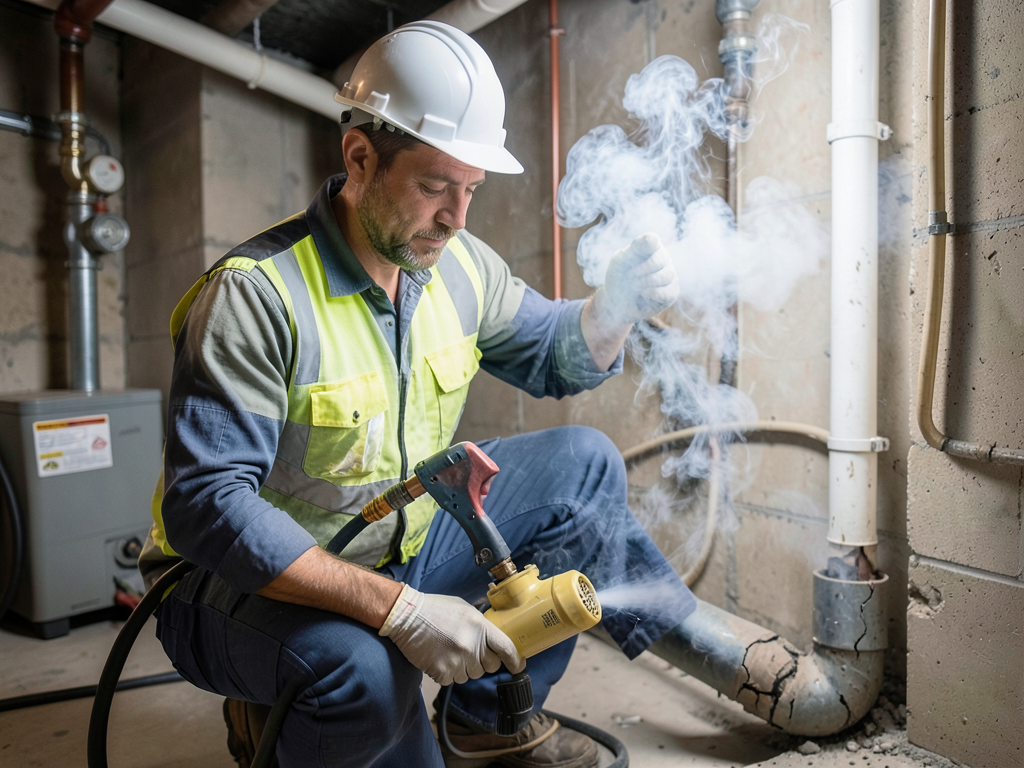
For more complex cases, we perform smoke testing, which involves introducing non-toxic smoke into your plumbing system. The smoke escapes through any cracks, breaks, or improper connections, allowing us to see exactly where gases are entering your home. This method is particularly effective for finding hidden problems in East End’s older homes with aging infrastructure.
We also use video camera inspection for sewer lines, which lets us examine the interior of pipes without excavation. This technology reveals cracks, root intrusion, offset joints, and other damage that could be causing your sewer gas problem.
East End-Specific Plumbing Challenges
The East End’s location along the Ohio River creates unique plumbing vulnerabilities. The area’s high water table means that sewer lines are often under constant hydrostatic pressure, especially during spring rains when the river rises. This pressure can force gases back through the system if there are any weaknesses in the plumbing. What to Expect During a Main Sewer Line Repair in Loveland.
Many East End homes were built in the early 1900s using clay sewer pipes connected with concrete or tar joints. These materials deteriorate over time, and the freeze-thaw cycles common in Cincinnati winters accelerate the breakdown process. Additionally, the area’s industrial history means some properties may have had modifications or repairs that don’t meet current building codes. Industrial Pipe Repair.
The Metropolitan Sewer District of Greater Cincinnati (MSD) has been working on infrastructure improvements in the East End, but many residential properties still have aging systems that require attention. Understanding these local factors helps our technicians diagnose problems more accurately and recommend appropriate solutions. Metropolitan Sewer District of Greater Cincinnati.
Health Risks and Safety Considerations
Hydrogen sulfide, the compound responsible for the rotten egg smell, is toxic at high concentrations. The human nose can detect hydrogen sulfide at extremely low levels (around 0.00047 parts per million), but at higher concentrations, it can paralyze the olfactory nerve, making the smell seem to disappear even though the gas is still present.
Short-term exposure to high levels of hydrogen sulfide can cause eye irritation, sore throat, cough, nausea, shortness of breath, and fluid in the lungs. Long-term, low-level exposure may result in fatigue, loss of appetite, headaches, irritability, poor memory, and dizziness.
Methane, another component of sewer gas, is odorless and highly flammable. In confined spaces like basements, methane can accumulate to dangerous levels. The Ohio Department of Commerce’s Division of Industrial Compliance regulates methane levels in confined spaces, with concentrations above 5% in air considered explosive.
Prevention and Maintenance Tips
Regular maintenance can prevent many sewer gas problems before they start. For East End homeowners, we recommend:
- Annual inspection of all floor drains, adding water to those that aren’t used regularly
- Checking toilet stability and looking for signs of water damage around bases
- Having your main sewer line inspected with a camera every 3-5 years, especially if your home is over 50 years old
- Ensuring all plumbing vents are clear and properly extended above the roof line
- Installing backwater valves in flood-prone areas to prevent sewer backup
These preventive measures are particularly important in East End due to the area’s flood risks and aging infrastructure. A small investment in maintenance can prevent costly emergency repairs and protect your family’s health.
When You Need Immediate Help
Call (513) 717-2899 immediately if you experience:
- A strong, sudden onset of sewer odor that wasn’t present before
- Multiple drains backing up simultaneously
- Gurgling sounds from drains when fixtures aren’t in use
- Visible sewage or water backing up into fixtures
- Anyone in your household experiencing symptoms like dizziness, nausea, or breathing difficulties
These symptoms indicate serious problems that require urgent attention. Our emergency response team is available 24/7 to handle critical situations and prevent further damage to your home.
Frequently Asked Questions
Why does the smell get worse when it rains?
Rainwater increases hydrostatic pressure in sewer lines and can force gases back through the system if there are any weaknesses. In East End’s flood-prone areas, this effect is amplified during heavy storms.
Can I use air fresheners to mask the smell?
Air fresheners only mask the odor temporarily and don’t address the underlying problem. Additionally, mixing chemicals with sewer gases can create dangerous compounds. Always identify and fix the source rather than covering it up.
How much does professional sewer gas diagnosis cost?
Basic smoke testing typically costs between $200-$400, while comprehensive camera inspections of main sewer lines range from $300-$600. These costs are minimal compared to the potential health risks and property damage from untreated sewer gas problems.
Will my homeowner’s insurance cover sewer gas repairs?
Coverage depends on your specific policy and the cause of the problem. Sudden, accidental damage is more likely to be covered than gradual deterioration. We can help you document the issue for insurance claims if needed.
Local Resources and Regulations
The Metropolitan Sewer District of Greater Cincinnati (MSD) oversees sewer infrastructure in the East End area. If you suspect the problem originates from the main sewer line rather than your private plumbing, MSD may need to be involved. Their emergency contact number is (513) 352-4900.
Cincinnati’s plumbing code, based on the International Plumbing Code with local amendments, requires proper venting and trap installation for all plumbing fixtures. Homes built before these codes were adopted may not meet current standards, which is common in East End’s historic districts.
The Ohio Department of Health regulates septic systems in areas not served by municipal sewers, though most East End properties are connected to the city system. If you have a septic system, regular pumping and inspection are essential to prevent gas problems.
Why Choose Keystone Plumbing
Keystone Plumbing has served the Greater Cincinnati area for over 15 years, with particular expertise in East End’s unique plumbing challenges. Our technicians understand the specific issues facing homes in this flood-prone, historically significant neighborhood.
We use state-of-the-art diagnostic equipment and follow all local building codes and regulations. Our pricing is transparent, and we provide detailed explanations of all recommended repairs. Most importantly, we respond quickly to emergency calls because we understand that sewer gas problems can’t wait.
Every technician on our team is fully licensed and insured, and we stand behind our work with a satisfaction guarantee. When you call (513) 717-2899, you’re getting experienced professionals who know how to solve sewer gas problems efficiently and safely.
Take Action Today
Don’t let that persistent rotten egg smell continue to affect your home and health. Whether you need immediate emergency service or want to schedule a comprehensive inspection, Keystone Plumbing is ready to help. Our team understands the specific challenges of East End plumbing and can provide solutions that last.
Call (513) 717-2899 today to schedule your inspection. We offer same-day service for emergency situations and flexible appointment times for routine diagnostics. Your family’s health and safety are worth the call.
Remember, that odor isn’t just unpleasant—it’s a warning sign that something in your plumbing system needs attention. Let our experienced technicians identify the problem and provide the right solution for your East End home.
Pick up the phone and call (513) 717-2899 before the next storm hits or the problem gets worse. Your home deserves the peace of mind that comes with properly functioning plumbing.
You may also find this helpful. The Ultimate Guide to Grease Trap Maintenance for Small Restaurants in Pendleton.
{
“@context”: “https://schema.org”,
“@type”: “BlogPosting”,
“headline”: “Dealing With That Persistent Rotten Egg Smell in Your East End Basement”,
“description”: “Is a foul sewer smell invading your East End basement? Learn the causes, dangers, and fixes for that rotten egg odor. Call (513) 717-2899 for expert help today.”,
“wordCount”: 1970,
“datePublished”: “2026-04-03T11:56:00.000Z”,
“dateModified”: “2026-04-03T11:56:00.000Z”,
“inLanguage”: “en-US”,
“mainEntityOfPage”: {
“@type”: “WebPage”,
“@id”: “https://keystoneplumbingcincinnati.com”
},
“publisher”: {
“@type”: “LocalBusiness”,
“name”: “Keystone Plumbing Cincinnati”,
“url”: “https://keystoneplumbingcincinnati.com”
},
“author”: {
“@type”: “Organization”,
“name”: “Keystone Plumbing Cincinnati”,
“url”: “https://keystoneplumbingcincinnati.com”
},
“image”: {
“@type”: “ImageObject”,
“url”: “https://keystoneplumbingcincinnati.com/wp-content/uploads/2026/03/dealing-with-that-persistent-rotten-egg-smell-in-y-1.png”
}
}
{
“@context”: “https://schema.org”,
“@type”: “Plumber”,
“name”: “Keystone Plumbing Cincinnati”,
“url”: “https://keystoneplumbingcincinnati.com”,
“address”: {
“@type”: “PostalAddress”,
“addressLocality”: “Cincinnati”
},
“areaServed”: {
“@type”: “City”,
“name”: “Cincinnati”
}
}
{
“@context”: “https://schema.org”,
“@type”: “FAQPage”,
“mainEntity”: [
{
“@type”: “Question”,
“name”: “Immediate Safety: Is Sewer Gas Dangerous?”,
“acceptedAnswer”: {
“@type”: “Answer”,
“text”: “Sewer gas contains hydrogen sulfide, methane, ammonia, and other toxic compounds. Hydrogen sulfide at high concentrations can cause eye irritation, respiratory distress, and even loss of consciousness. Methane is highly flammable and can create an explosion risk in enclosed spaces.”
}
},
{
“@type”: “Question”,
“name”: “Why does the smell get worse when it rains?”,
“acceptedAnswer”: {
“@type”: “Answer”,
“text”: “Rainwater increases hydrostatic pressure in sewer lines and can force gases back through the system if there are any weaknesses. In East End’s flood-prone areas, this effect is amplified during heavy storms.”
}
},
{
“@type”: “Question”,
“name”: “Can I use air fresheners to mask the smell?”,
“acceptedAnswer”: {
“@type”: “Answer”,
“text”: “Air fresheners only mask the odor temporarily and don’t address the underlying problem. Additionally, mixing chemicals with sewer gases can create dangerous compounds. Always identify and fix the source rather than covering it up.”
}
},
{
“@type”: “Question”,
“name”: “How much does professional sewer gas diagnosis cost?”,
“acceptedAnswer”: {
“@type”: “Answer”,
“text”: “Basic smoke testing typically costs between $200-$400, while comprehensive camera inspections of main sewer lines range from $300-$600. These costs are minimal compared to the potential health risks and property damage from untreated sewer gas problems.”
}
}
]
}
{
“@context”: “https://schema.org”,
“@type”: “HowTo”,
“name”: “DIY Sewer Gas Troubleshooting”,
“step”: [
{
“@type”: “HowToStep”,
“position”: 1,
“name”: “Check and Prime P-Traps”,
“text”: “Pour a gallon of water down each floor drain, sink, and tub you rarely use. This refills the water seal in the trap. For drains that continue to dry out, add a few tablespoons of mineral oil to slow evaporation.”
},
{
“@type”: “HowToStep”,
“position”: 2,
“name”: “Inspect Toilet Seals”,
“text”: “Check for water damage or discoloration around the base of toilets. If you see signs of leakage or the toilet rocks when you push on it, the wax ring likely needs replacement.”
},
{
“@type”: “HowToStep”,
“position”: 3,
“name”: “Clear Vent Stacks”,
“text”: “Using a flashlight, check your roof vent stacks for visible blockages. Never insert objects into the vent, as this can push debris further down. If you suspect ice blockage in winter, pouring hot water down the vent may help.”
}
],
“image”: “https://keystoneplumbingcincinnati.com/wp-content/uploads/2026/03/dealing-with-that-persistent-rotten-egg-smell-in-y-1.png”
}
{
“@context”: “https://schema.org”,
“@type”: “BreadcrumbList”,
“itemListElement”: [
{
“@type”: “ListItem”,
“position”: 1,
“name”: “Home”,
“item”: “https://keystoneplumbingcincinnati.com”
},
{
“@type”: “ListItem”,
“position”: 2,
“name”: “Blog”,
“item”: “https://keystoneplumbingcincinnati.com/blog”
},
{
“@type”: “ListItem”,
“position”: 3,
“name”: “Dealing With That Persistent Rotten Egg Smell in Your East End Basement”
}
]
}
{
“@context”: “https://schema.org”,
“@type”: “Service”,
“serviceType”: “Plumbing”,
“provider”: {
“@type”: “LocalBusiness”,
“name”: “Keystone Plumbing Cincinnati”,
“url”: “https://keystoneplumbingcincinnati.com”
},
“areaServed”: {
“@type”: “City”,
“name”: “Cincinnati”
},
“description”: “Is a foul sewer smell invading your East End basement? Learn the causes, dangers, and fixes for that rotten egg odor. Call (513) 717-2899 for expert help today.”
}