
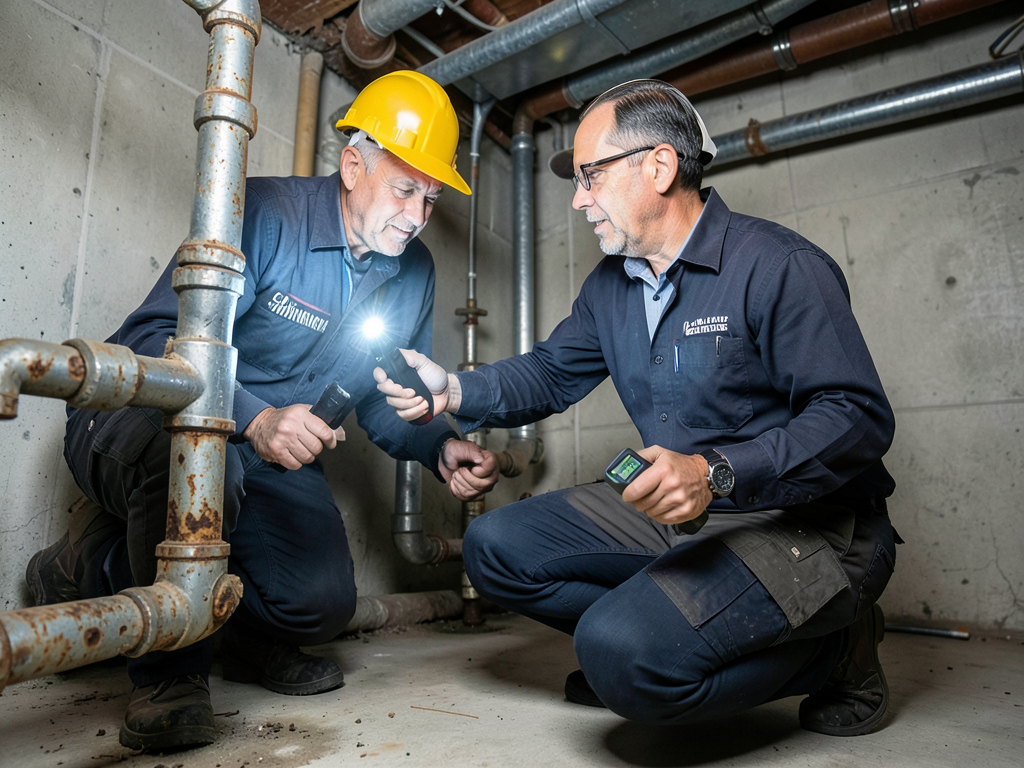
How Corroding Galvanized Pipes in Camp Washington Are Ruining Your Water Quality
If your Camp Washington home was built before 1960, your water quality may be silently deteriorating from the inside out. Corroding galvanized pipes are a common problem in this historic Cincinnati neighborhood, where aging infrastructure meets Ohio’s challenging water chemistry. These steel pipes, coated with a thin layer of zinc, were once the standard for residential plumbing. But that protective layer breaks down over decades, exposing the steel to rust and corrosion that contaminates your water and reduces your water pressure. Finding the Best Water Heater Replacement for Your West Chester House.
Camp Washington residents often notice rusty or brown water coming from their taps, especially after periods of low use. This discoloration is a clear sign that your galvanized pipes are corroding from the inside. The rust particles not only affect the taste and appearance of your water but can also clog your fixtures and appliances, leading to costly repairs down the line. EPA National Primary Drinking Water Regulations.
The problem is compounded by Cincinnati’s water chemistry. The Greater Cincinnati Water Works treats water to minimize corrosion, but older galvanized pipes are particularly vulnerable to the natural minerals and pH levels found in our local water supply. In Camp Washington, where many homes are over 80 years old, the cumulative effect of decades of water flow through these pipes creates a perfect storm for corrosion. Greater Cincinnati Water Works.
Beyond the inconvenience of discolored water, corroding galvanized pipes pose serious health risks. As the zinc coating deteriorates, it can release cadmium and lead into your drinking water. While the EPA has strict limits on these contaminants, the aging infrastructure in Camp Washington homes means many residents are unknowingly exposed to elevated levels. Children and pregnant women are particularly vulnerable to the effects of lead exposure, making this more than just a plumbing issue—it’s a public health concern. Who to Call for an Emergency Plumbing Crisis in Downtown Cincinnati.
Water pressure problems are another telltale sign of galvanized pipe failure. As rust builds up inside the pipes, it creates a rough, uneven surface that restricts water flow. Camp Washington homeowners often report that their showers have become weak or that it takes forever to fill a pot in the kitchen. These pressure drops aren’t just annoying—they’re a sign that your pipes are nearing the end of their useful life.
The good news is that modern plumbing materials offer superior alternatives. PEX piping, for example, resists corrosion and scale buildup, making it ideal for Cincinnati’s water conditions. Copper remains a popular choice for its durability and proven track record. Both options can dramatically improve your water quality and pressure while eliminating the health risks associated with aging galvanized pipes.. Read more about Making Your Mt. Healthy Home More Accessible With ADA Compliant Plumbing.
Replacing galvanized pipes is a significant investment, but it’s one that pays dividends in improved water quality, increased home value, and peace of mind. Camp Washington homeowners who have made the switch report not just better-tasting water, but also fewer plumbing emergencies and lower maintenance costs over time.
If you’re experiencing any of these symptoms—brown water, low pressure, frequent leaks, or a metallic taste—it’s time to have your plumbing system evaluated. The longer you wait, the more extensive and expensive the damage becomes. Corroding galvanized pipes don’t just affect your water quality; they can lead to catastrophic failures that flood your home and damage your belongings.
Camp Washington’s unique mix of historic charm and aging infrastructure makes it particularly susceptible to galvanized pipe problems. The neighborhood’s proximity to industrial areas and older water mains can accelerate corrosion in your home’s plumbing system. Understanding these local factors is crucial for making informed decisions about your home’s plumbing health. Industrial Pipe Repair.
Professional plumbers in the Cincinnati area use specialized tools to assess the condition of your galvanized pipes without invasive demolition. Video camera inspections can reveal the extent of internal corrosion, while water quality tests can identify specific contaminants. This diagnostic approach ensures you get targeted solutions rather than unnecessary replacements.
The replacement process itself has evolved significantly. Modern trenchless techniques allow plumbers to install new pipes with minimal disruption to your home’s structure. This is particularly valuable in Camp Washington, where many homes have finished basements or historic features that would be difficult to restore after traditional demolition methods.
Financing options are available for homeowners who need to replace their galvanized pipes but are concerned about the upfront costs. Many plumbing companies offer payment plans, and some local programs may provide assistance for health-related plumbing upgrades. The long-term savings from improved water quality and reduced maintenance often offset the initial investment within a few years.
Don’t let corroding galvanized pipes continue to compromise your Camp Washington home’s water quality. The signs are clear, the risks are real, and the solutions are proven. Taking action now can prevent more serious problems down the road and ensure your family has access to clean, safe water for years to come.
Warning Signs Your Camp Washington Home Has Corroding Galvanized Pipes
Recognizing the early warning signs of galvanized pipe corrosion can save you thousands in emergency repairs and protect your family’s health. Here are the most common indicators that your Camp Washington home’s plumbing system is failing:
Discolored Water – Rusty brown or yellow water, especially noticeable when you first turn on a faucet after it hasn’t been used for several hours, indicates that rust particles are breaking free from the inside of your pipes. This is often most apparent in the morning or after returning from vacation.
Reduced Water Pressure – If your once-powerful shower now feels like a trickle, or if it takes forever to fill a sink or washing machine, internal corrosion is likely restricting water flow through your galvanized pipes. This gradual pressure loss is a classic sign of pipe deterioration.
Frequent Leaks – Pinhole leaks or sudden pipe failures in multiple locations throughout your home suggest that the entire system is compromised. These leaks often occur in walls or under floors, making them difficult to detect until significant damage has occurred.
Metallic Taste – Water that tastes like metal or has an unpleasant aftertaste is a clear indicator that your pipes are leaching substances into your drinking water. This taste is particularly noticeable in hot water, as heat accelerates the corrosion process.
Visible Rust Stains – Brown or orange stains in sinks, tubs, and toilets that reappear shortly after cleaning are evidence of high iron content in your water. These stains are not just unsightly—they’re a sign of ongoing pipe corrosion.
Unusual Noises – Banging, whistling, or other unusual sounds from your pipes when water is running can indicate that corrosion has created rough surfaces that disrupt normal water flow. These noises often worsen as the pipes deteriorate further.
Fluctuating Water Temperature – If your shower temperature suddenly changes when someone else uses water elsewhere in the house, corroded pipes may be causing pressure imbalances in your plumbing system.
Visible Pipe Corrosion – While much of the corrosion occurs inside the pipes, you may notice external signs such as flaking, discoloration, or rust spots on exposed pipes in basements, crawl spaces, or utility areas.
Shortened Appliance Lifespan – Water heaters, dishwashers, and washing machines that fail prematurely may be victims of the sediment and minerals released by corroding galvanized pipes. These particles can damage heating elements and clog internal components.
Health Symptoms – While not always directly attributable to water quality, recurring gastrointestinal issues or other unexplained health problems in your household could be related to contaminants from corroded pipes.
If you’re experiencing three or more of these symptoms, your Camp Washington home likely has significant galvanized pipe corrosion that requires professional evaluation. The combination of these signs indicates that the problem is systemic rather than isolated to a single section of pipe.
Health Risks of Corroding Galvanized Pipes in Cincinnati Homes
The health implications of corroding galvanized pipes extend far beyond the inconvenience of discolored water. Understanding these risks is crucial for Camp Washington homeowners who may be unknowingly exposing their families to harmful contaminants.
Lead Contamination – While galvanized pipes themselves don’t contain lead, the corrosion process can cause them to absorb lead from nearby lead service lines or solder joints. As the pipes deteriorate, this accumulated lead can be released into your drinking water. The EPA’s action level for lead is 15 parts per billion, but even lower levels can be harmful, especially to children and pregnant women.
Cadmium Exposure – The zinc coating on galvanized pipes contains cadmium as a stabilizer. As this coating breaks down, cadmium can leach into your water supply. Long-term exposure to cadmium has been linked to kidney damage, bone disease, and certain cancers. The EPA has set a maximum contaminant level goal of zero for cadmium in drinking water.
Bacterial Growth – The rough, corroded surfaces inside aging galvanized pipes create ideal conditions for bacterial growth. Biofilm—a slimy layer of microorganisms—can develop in these pipes, potentially harboring harmful bacteria like Legionella, which causes Legionnaires’ disease. The stagnant water often found in older plumbing systems provides perfect conditions for these pathogens to multiply.
Iron Overload – While iron is an essential nutrient, excessive amounts can be harmful. Corroding galvanized pipes release iron particles into your water, which can lead to hemochromatosis—a condition where the body absorbs too much iron. Symptoms include fatigue, joint pain, and abdominal pain. People with certain genetic conditions are particularly susceptible to iron overload.
Copper Contamination – In homes with mixed plumbing systems, corroding galvanized pipes can cause galvanic corrosion when they contact copper pipes. This electrochemical reaction accelerates the deterioration of both metals and can release copper into your water. High copper levels can cause gastrointestinal distress and, in severe cases, liver or kidney damage.
Microplastic Release – As galvanized pipes corrode, they can release microscopic particles of zinc, iron, and other metals. While the health effects of these particles are still being studied, some researchers suggest they may contribute to inflammation and other health issues when ingested over long periods.
Allergic Reactions – Some individuals may experience allergic reactions to substances released by corroding pipes. These reactions can manifest as skin irritation, digestive problems, or respiratory issues when using contaminated water for bathing or cooking.
Nutrient Absorption Interference – The presence of heavy metals in drinking water can interfere with the absorption of essential nutrients. For example, high levels of zinc can inhibit the absorption of copper and iron, potentially leading to nutritional deficiencies even in people who maintain a healthy diet.
Developmental Effects in Children – Children are particularly vulnerable to the contaminants released by corroding galvanized pipes. Lead exposure, even at low levels, can affect brain development, leading to learning disabilities, behavioral problems, and reduced IQ. The effects are permanent and can impact a child’s entire life trajectory.
Compromised Immune Function – Chronic exposure to the various contaminants released by corroding pipes may compromise immune function over time. This can make individuals more susceptible to infections and may exacerbate existing health conditions.
The Greater Cincinnati Water Works regularly tests water quality at the treatment plant and throughout the distribution system, but once water enters your home’s plumbing, the utility has no control over what happens. This is why testing your home’s water quality is essential, especially if you live in an older Camp Washington home with galvanized pipes.
Modern Pipe Replacement Options for Camp Washington Homes
When it comes to replacing corroding galvanized pipes, Camp Washington homeowners have several excellent options. Each material offers unique advantages, and the best choice depends on your home’s specific needs, budget, and local conditions.
PEX (Cross-linked Polyethylene) – PEX has become increasingly popular for residential plumbing due to its flexibility, corrosion resistance, and ease of installation. In Camp Washington’s older homes, PEX’s ability to bend around corners and obstacles makes it ideal for retrofitting without extensive demolition. It’s also resistant to scale buildup and chlorine, which are common issues in Cincinnati’s water supply.
PEX installation typically costs 20-30% less than copper and can be completed in less time. The material expands slightly if water freezes, reducing the risk of burst pipes during Cincinnati’s harsh winters. However, PEX cannot be used outdoors or in areas exposed to direct sunlight, and some homeowners prefer the proven longevity of metal pipes. What to Expect During a Main Sewer Line Repair in Loveland.
Copper Piping – Copper remains the gold standard for residential plumbing due to its durability, reliability, and proven track record. A well-installed copper system can last 50+ years, making it an excellent long-term investment for Camp Washington homeowners. Copper is also recyclable, appealing to environmentally conscious consumers.
The main drawbacks of copper are its higher cost—typically 30-50% more than PEX—and the skill required for proper installation. Copper can also be susceptible to pinhole leaks in areas with certain water chemistries, though this is less of a concern with Cincinnati’s treated water. Some homeowners appreciate copper’s traditional appearance in exposed applications.
CPVC (Chlorinated Polyvinyl Chloride) – CPVC offers a middle ground between PEX and copper in terms of cost and performance. It’s more rigid than PEX but still resistant to corrosion and scale buildup. CPVC is particularly good for hot water lines and can handle higher temperatures than standard PVC.
The material is lightweight and easy to work with, making it a good choice for DIY-inclined homeowners. However, CPVC can become brittle over time, especially in areas with significant temperature fluctuations. It’s also more susceptible to UV damage than PEX, limiting its use in certain applications.
Galvanized Steel (Modern) – While we don’t recommend using old galvanized pipes, modern galvanized steel piping with advanced coatings is still available. These newer versions offer improved corrosion resistance compared to the pipes installed in Camp Washington homes decades ago. However, most plumbers recommend alternative materials due to the superior performance of PEX and copper.
Hybrid Systems – Many Camp Washington homeowners opt for hybrid systems that use different materials for different applications. For example, PEX might be used for most of the plumbing, with copper used for the main water line or in areas where it will be exposed. This approach can optimize both cost and performance.
When selecting replacement piping, consider factors specific to Camp Washington’s environment. The area’s freeze-thaw cycles, water chemistry, and the age and construction style of your home all influence which material will perform best. A professional plumber familiar with local conditions can help you make the right choice.
Regardless of which material you choose, proper installation is crucial. Even the best piping will fail prematurely if not installed correctly. Look for licensed plumbers with specific experience in whole-house repiping, particularly in older Cincinnati neighborhoods like Camp Washington.
The Repiping Process: What Camp Washington Homeowners Can Expect
Understanding the repiping process can help Camp Washington homeowners prepare for this significant home improvement project. While every home is different, the following steps outline what you can typically expect when replacing corroding galvanized pipes.
Initial Assessment – The process begins with a comprehensive evaluation of your existing plumbing system. A professional plumber will inspect visible pipes, check water pressure, test water quality, and may use video camera inspection to examine the interior condition of your pipes. This assessment helps determine the scope of work and allows for accurate cost estimates.
During this phase, the plumber will also discuss your needs and preferences, review different material options, and explain the pros and cons of each. They should provide a detailed written estimate that breaks down costs for materials, labor, permits, and any necessary repairs to walls, floors, or ceilings.
Permit Acquisition – In Hamilton County, repiping a home requires permits from the local building department. Your plumbing contractor should handle this process, which typically takes 1-2 weeks. The permit ensures that the work meets local building codes and will pass inspection. Never hire a contractor who suggests skipping permits—this is illegal and can cause problems when you sell your home.
Preparation – Before work begins, you’ll need to prepare your home. This usually involves clearing areas where pipes are located, such as basements, crawl spaces, and utility rooms. You’ll also need to arrange for temporary water shutoff, typically lasting 1-3 days depending on your home’s size and the project’s complexity.
The plumbing team will protect your belongings with drop cloths and plastic sheeting. They’ll also establish containment areas to minimize dust and debris spread throughout your home. For Camp Washington’s older homes, special care may be needed to protect historic features or delicate finishes.
Pipe Removal – The actual removal of old galvanized pipes is often the messiest part of the process. Plumbers will cut out sections of the old piping, which can create dust and debris. In some cases, especially in finished areas, they may use techniques that minimize damage to walls and ceilings.
For Camp Washington homes with complex floor plans or multiple stories, the removal process may take several days. Plumbers will work systematically, typically starting with the main water line and then moving to individual fixture lines.
Installation of New Piping – Once the old pipes are removed, the installation of new piping begins. This process is much cleaner than removal, as modern materials like PEX require fewer connections and less cutting. The plumber will install new pipes according to the layout plan, ensuring proper slope for drainage and adequate support for all runs.
During installation, the plumber will also replace valves, fittings, and other components as needed. They may suggest upgrades to your system, such as adding a water softener or improving drainage, while the walls are open.
Pressure Testing and Inspection – After installation, the system undergoes rigorous pressure testing to ensure there are no leaks. The plumber will also check water pressure at all fixtures and verify that hot and cold water lines are properly connected. This testing phase is critical for identifying any issues before walls are closed up.
Once the plumber is satisfied with the installation, a county inspector will examine the work to verify it meets all code requirements. This inspection is required before the project can be considered complete and typically occurs within a few days of finishing the installation.
Restoration – The final phase involves repairing any damage caused during the repiping process. This may include patching drywall, replacing flooring, or repairing other surfaces. Some plumbing companies handle this restoration themselves, while others coordinate with specialized contractors.
For Camp Washington’s older homes, restoration may require special skills to match historic plaster, woodwork, or other architectural details. Be sure to discuss restoration plans and costs upfront to avoid surprises.
Final Walkthrough – Before the project is officially complete, you’ll do a final walkthrough with your plumber. This is your opportunity to test all fixtures, ask questions, and ensure you’re satisfied with the work. The plumber should provide documentation of the work performed, including warranty information and maintenance recommendations.
The entire repiping process typically takes 3-7 days for an average Camp Washington home, though complex projects may take longer. While it requires some inconvenience, the improvement in water quality and reliability makes it worthwhile for most homeowners dealing with corroding galvanized pipes.
Cost Factors for Pipe Replacement in Camp Washington
Understanding the cost factors involved in replacing galvanized pipes can help Camp Washington homeowners budget appropriately for this important home improvement. While every project is unique, several key factors influence the overall cost.
Home Size and Layout – The number of bathrooms, kitchens, and overall square footage directly impacts the amount of piping required. A small bungalow in Camp Washington will naturally cost less to repipe than a larger multi-story home. Complex layouts with pipes running through multiple floors or difficult-to-access areas also increase labor costs.
Material Selection – PEX typically costs $2,000-$4,000 less than copper for an average home. While copper offers superior longevity, PEX provides excellent value for most Camp Washington homeowners. CPVC falls between these two in terms of cost. The price difference becomes more significant in larger homes where material costs are a bigger portion of the total project.
Extent of Replacement – Some homeowners opt for partial repiping, replacing only the most problematic sections of pipe. While this may seem cost-effective initially, it often leads to higher costs in the long run as other sections inevitably fail. Whole-house repiping, while more expensive upfront, provides better value over time.
Access Requirements – The ease of accessing your plumbing system significantly affects labor costs. Exposed pipes in basements or crawl spaces are relatively straightforward to work with. However, pipes running through finished walls, under concrete slabs, or above ceilings in finished rooms require more time and care to access, increasing labor costs.
For Camp Washington’s older homes, especially those with plaster walls or historic features, special techniques may be needed to minimize damage. This can add to the project cost but is often worthwhile for preserving your home’s character.
Permit and Inspection Fees – Hamilton County requires permits for whole-house repiping, with fees typically ranging from $100-$300 depending on your home’s size and the project’s complexity. Inspection fees may add another $50-$150. While these costs are relatively minor in the context of the entire project, they’re mandatory and should be factored into your budget.
Restoration Costs – The damage caused by accessing old pipes and the cost of repairing it afterward can be substantial. Drywall repair might cost $500-$1,500 for an average home, while more extensive restoration of plaster, tile, or other specialty finishes can run several thousand dollars.
For Camp Washington homes with historic value, restoration might involve specialized craftspeople who can match original materials and techniques. While this adds to the cost, it’s often essential for maintaining your home’s historic character and value.
Additional Upgrades – While repiping, many homeowners choose to make related upgrades that can improve their plumbing system’s performance. These might include installing a new water heater, adding a water softener, upgrading fixtures, or improving drainage. Each upgrade adds to the project cost but can provide significant benefits.
Emergency vs. Planned Work – Emergency repiping due to a major leak or system failure typically costs 20-30% more than planned work. Emergency calls often involve after-hours labor rates, expedited material delivery, and rushed scheduling. Planning your repiping project during regular business hours can result in substantial savings.
Contractor Experience and Reputation – While it might be tempting to choose the lowest bid, experienced contractors with good reputations often provide better value. They work more efficiently, use higher-quality materials, and stand behind their work with solid warranties. The few hundred dollars saved by choosing a less experienced contractor can easily be lost if problems arise later.
For Camp Washington homeowners, choosing a contractor familiar with the area’s housing stock and local building practices is particularly important. They’ll understand the specific challenges of working in older Cincinnati homes and can suggest solutions that balance modern performance with historic preservation.
Financing Options – Many plumbing companies offer financing plans that can make repiping more affordable by spreading costs over time. Some local programs may also provide assistance for health-related plumbing upgrades, particularly those addressing lead contamination concerns. Be sure to ask about financing options when getting estimates.
While repiping is a significant investment, ranging from $4,000 to $15,000 for most Camp Washington homes, it’s important to consider the long-term costs of not replacing corroding galvanized pipes. Ongoing repairs, water damage from leaks, increased utility bills due to inefficiency, and potential health impacts all add to the true cost of keeping aging pipes.
Many homeowners find that the improved water quality, reliability, and peace of mind provided by new plumbing more than justify the initial investment. Additionally, repiping can increase your home’s value and make it more attractive to potential buyers when it’s time to sell.
Maintaining Your New Plumbing System
After investing in new plumbing to replace corroding galvanized pipes, proper maintenance can help ensure your system provides reliable service for decades. Here are essential maintenance tips for Camp Washington homeowners.
Regular Inspections – Schedule annual plumbing inspections to catch minor issues before they become major problems. A professional plumber can check for leaks, test water pressure, inspect visible pipes, and identify potential concerns. These inspections typically cost $100-$200 but can prevent thousands in emergency repairs.
During inspections, ask the plumber to check your water pressure. Cincinnati’s water pressure can fluctuate, and pressure that’s too high can stress your new plumbing system. Installing a pressure regulator, if you don’t already have one, can extend the life of your pipes and fixtures.
Water Quality Management – Cincinnati’s water, while treated and safe, contains minerals that can affect your plumbing over time. Consider having your water tested periodically, especially if you notice changes in taste, odor, or appearance. Water testing kits are available at hardware stores, or you can hire a professional for more comprehensive analysis.
If your water tests high for hardness minerals, installing a water softener can protect your new plumbing and improve soap efficiency. However, be aware that some water softeners can increase sodium levels in your water, which may be a concern for people on sodium-restricted diets.
Drain Maintenance – Avoid using chemical drain cleaners, which can damage pipes over time. Instead, use mechanical methods like plungers or plumber’s snakes for minor clogs. For preventive maintenance, periodically flush drains with hot water or a mixture of baking soda and vinegar.
Be mindful of what goes down your drains. Grease, coffee grounds, and fibrous materials can create clogs even in new plumbing. Installing drain screens in sinks and showers can catch hair and debris before they cause problems.
Water Heater Care – Your water heater works harder than any other plumbing appliance and requires regular maintenance. Drain and flush the tank annually to remove sediment buildup, which can reduce efficiency and shorten the heater’s lifespan. Check the temperature setting—120°F is typically sufficient and helps prevent scalding while saving energy.
If you have a tankless water heater, follow the manufacturer’s maintenance recommendations, which usually include periodic descaling to prevent mineral buildup. This is particularly important in areas with hard water.
Winter Preparation – Cincinnati’s freezing winters can damage plumbing if you’re not prepared. Insulate exposed pipes in unheated areas like basements, crawl spaces, and garages. Disconnect and drain outdoor hoses before the first freeze, and consider installing frost-proof hose bibs.
Know where your main water shutoff valve is located and ensure it operates smoothly. In case of a burst pipe, you’ll need to shut off the water quickly to minimize damage. Test the valve annually to make sure it hasn’t seized from mineral deposits or corrosion. Quick Toilet Repair and Installation Services in Montgomery.
Fixture Maintenance – Clean faucet aerators and showerheads every few months to remove mineral deposits that can restrict water flow. Soak them in vinegar to dissolve buildup, then scrub gently with a soft brush. This simple maintenance can significantly improve water pressure and extend fixture life.
Check toilet flappers and fill valves annually. These components wear out over time and can waste hundreds of gallons of water if they fail. Replacement kits are inexpensive and can save you money on water bills while preventing potential water damage.
Leak Detection – Learn to recognize the signs of hidden leaks, such as unexplained increases in water bills, damp spots on walls or floors, or the sound of running water when all fixtures are off. Consider installing water leak detectors near water heaters, under sinks, and behind toilets for early warning of potential problems.
Some smart home systems offer whole-house water monitoring that can detect unusual usage patterns and automatically shut off water if a major leak is detected. While this represents an additional investment, it can provide valuable protection for your home.
Professional Help – While many maintenance tasks are DIY-friendly, don’t hesitate to call a professional for complex issues or if you’re unsure about something. Attempting repairs beyond your skill level can cause more damage and ultimately cost more to fix.
Keep contact information for a reliable plumber handy for emergencies. Many plumbing companies offer 24/7 service, which can be invaluable if a pipe bursts in the middle of the night or during a holiday.
By following these maintenance guidelines, Camp Washington homeowners can maximize the lifespan of their new plumbing system and enjoy reliable, high-quality water for years to come. Remember that prevention is always less expensive than emergency repairs, and a little maintenance goes a long way toward protecting your investment.
Frequently Asked Questions
How do I know if my Camp Washington home has galvanized pipes?
Galvanized pipes are typically gray or silver in color and may show threads at connection points. If you can see exposed pipes in your basement or utility area, look for these characteristics. For pipes hidden behind walls, you can check the water’s color, taste, and pressure—corroding galvanized pipes often cause rusty water, metallic taste, and reduced pressure. A professional plumber can confirm the pipe material using a small inspection camera or by examining a pipe section.
How long does it take to replace galvanized pipes in a typical Camp Washington home?
For an average Camp Washington home, whole-house repiping typically takes 3-7 days. This includes removing old pipes, installing new ones, pressure testing, passing inspection, and making necessary repairs to walls or ceilings. The exact timeline depends on your home’s size, the replacement material chosen, and the project’s complexity. Some contractors can complete smaller homes in as little as 2-3 days, while larger or more complex projects might take up to two weeks.
Will I have water during the repiping process?
During active work, your water will be shut off for most of each day, typically from morning until late afternoon. Your plumber should provide a detailed schedule and may offer temporary water connections for essential needs. Many homeowners arrange to stay elsewhere during the most disruptive phases, especially if they work from home or have young children. The water is usually restored each evening, allowing you to maintain normal routines outside of work hours.
Can I just replace the visible pipes and leave the ones behind walls?
While partial replacement might seem cost-effective, it often leads to problems later. Corroding galvanized pipes typically fail throughout the system, not just in visible areas. Partial replacement can create weak points where new pipes connect to old ones, and you’ll likely need to replace the remaining pipes within a few years anyway. Most professional plumbers recommend whole-house repiping for the best long-term value and reliability.
How much does it cost to replace galvanized pipes in Camp Washington?
Repiping costs vary widely based on home size, material choice, and project complexity. For Camp Washington homes, PEX replacement typically ranges from $4,000 to $10,000, while copper can cost $8,000 to $15,000 or more. These estimates include materials, labor, permits, and basic restoration. Factors like historic preservation requirements, difficult access, or extensive restoration needs can increase costs. Always get detailed written estimates from licensed plumbers before proceeding.
Will repiping increase my home’s value?
Yes, repiping typically increases home value, often by more than the cost of the project itself. Buyers in Camp Washington’s real estate market value homes with updated plumbing, as it eliminates concerns about water quality, leaks, and future repair costs. A modern plumbing system can be a strong selling point, particularly in this neighborhood where many homes still have original galvanized pipes. Some real estate agents suggest that repiping can provide a return on investment of 50-80% when selling your home.
Are there any financial assistance programs for replacing galvanized pipes?
While there aren’t specific programs just for pipe replacement, some assistance may be available through broader home improvement programs. The City of Cincinnati occasionally offers programs for lead service line replacement, which might coordinate with interior plumbing work. Some local nonprofits assist low-income homeowners with critical repairs. Additionally, certain health departments may provide information on programs addressing water quality issues. Check with Hamilton County’s Community Development Department or local housing agencies for current opportunities.
What’s the difference between PEX and copper piping?
PEX (cross-linked polyethylene) is flexible, resistant to scale and chlorine, and typically costs 30-50% less than copper. It’s easier to install in existing homes because it can bend around obstacles without joints. Copper is more rigid but offers superior longevity (50+ years vs. 30-40 for PEX) and is recyclable. Copper handles high temperatures better and is the traditional choice for exposed plumbing. Both materials are excellent for replacing galvanized pipes, and the best choice depends on your budget, home layout, and personal preferences.
How can I prevent my new pipes from corroding like the old galvanized ones?
Modern piping materials like PEX and copper don’t corrode like galvanized steel. However, you can extend their lifespan by maintaining proper water chemistry. Have your water tested for pH, hardness, and chlorine levels. If your water is acidic (low pH), consider installing a neutralizing filter. For hard water, a water softener can prevent scale buildup. Also, ensure your home’s water pressure isn’t too high, as excessive pressure stresses all plumbing components. Regular maintenance and annual professional inspections will help catch any issues before they become serious problems.
Should I test my water after repiping is complete?
Yes, water testing after repiping is an excellent idea. While modern materials don’t introduce contaminants like corroding galvanized pipes do, testing ensures your new system is functioning correctly. Test for basic parameters like pH, hardness, and chlorine levels, and consider testing for lead if your home previously had lead service lines or solder. Many plumbing companies include basic water testing as part of their repiping service, or they can recommend local laboratories that provide comprehensive water analysis.
Can I stay in my home during the repiping process?
Most homeowners stay in their homes during repiping, though it requires some adjustment. You’ll have limited water access during work hours, and there will be noise and dust. For families with young children, people who work from home, or those with health sensitivities, staying elsewhere might be more comfortable. If you do stay home, establish a temporary kitchen setup with bottled water, paper plates, and microwave-friendly foods. Your plumber should provide a daily schedule so you can plan accordingly.
How do I choose a reputable plumber for my repiping project?
Look for licensed plumbers with specific experience in whole-house repiping, particularly in older Cincinnati homes. Check online reviews, ask for references from recent repiping customers, and verify their license and insurance status with the Ohio Construction Industry Licensing Board. Get detailed written estimates from at least three contractors, and be wary of bids that seem too low—they often indicate cut corners or surprise charges later. Ask about warranties on both materials and labor, and choose a contractor who communicates clearly and addresses your concerns professionally.
What permits are required for repiping in Camp Washington?
In Hamilton County, including Camp Washington, you need a plumbing permit for whole-house repiping. Your plumbing contractor should handle permit acquisition, which typically costs $100-$300 depending on your home’s size and the project’s complexity. The permit ensures the work meets local building codes and will pass inspection. After installation, a county inspector must examine the work before it’s considered complete. Never proceed with repiping without proper permits, as this can cause problems when selling your home and may void material warranties.
Ready to improve your Camp Washington home’s water quality? Don’t let corroding galvanized pipes continue to compromise your family’s health and comfort. Call (513) 717-2899 today to schedule a professional evaluation of your plumbing system. Our experienced team understands the unique challenges of Camp Washington’s historic homes and can recommend the best solutions for your specific situation. Take the first step toward clean, reliable water—pick up the phone and call (513) 717-2899 before the next plumbing emergency strikes.
{
“@context”: “https://schema.org”,
“@type”: “BlogPosting”,
“headline”: “How Corroding Galvanized Pipes in Camp Washington Are Ruining Your Water Quality”,
“description”: “Camp Washington homes face serious water quality risks from aging galvanized pipes. Learn the warning signs, health hazards, and expert replacement solutions from local plumbers.”,
“wordCount”: 5966,
“datePublished”: “2026-03-30T10:21:00.000Z”,
“dateModified”: “2026-03-30T10:21:00.000Z”,
“inLanguage”: “en-US”,
“mainEntityOfPage”: {
“@type”: “WebPage”,
“@id”: “https://keystoneplumbingcincinnati.com”
},
“publisher”: {
“@type”: “LocalBusiness”,
“name”: “Keystone Plumbing Cincinnati”,
“url”: “https://keystoneplumbingcincinnati.com”
},
“author”: {
“@type”: “Organization”,
“name”: “Keystone Plumbing Cincinnati”,
“url”: “https://keystoneplumbingcincinnati.com”
},
“image”: {
“@type”: “ImageObject”,
“url”: “https://keystoneplumbingcincinnati.com/wp-content/uploads/2026/03/how-corroding-galvanized-pipes-in-camp-washington-1.png”
}
}
{
“@context”: “https://schema.org”,
“@type”: “Plumber”,
“name”: “Keystone Plumbing Cincinnati”,
“url”: “https://keystoneplumbingcincinnati.com”,
“address”: {
“@type”: “PostalAddress”,
“addressLocality”: “Cincinnati”
},
“areaServed”: {
“@type”: “City”,
“name”: “Cincinnati”
}
}
{
“@context”: “https://schema.org”,
“@type”: “FAQPage”,
“mainEntity”: [
{
“@type”: “Question”,
“name”: “How do I know if my Camp Washington home has galvanized pipes?”,
“acceptedAnswer”: {
“@type”: “Answer”,
“text”: “Galvanized pipes are typically gray or silver in color and may show threads at connection points. If you can see exposed pipes in your basement or utility area, look for these characteristics. For pipes hidden behind walls, you can check the water’s color, taste, and pressure—corroding galvanized pipes often cause rusty water, metallic taste, and reduced pressure. A professional plumber can confirm the pipe material using a small inspection camera or by examining a pipe section.”
}
},
{
“@type”: “Question”,
“name”: “How long does it take to replace galvanized pipes in a typical Camp Washington home?”,
“acceptedAnswer”: {
“@type”: “Answer”,
“text”: “For an average Camp Washington home, whole-house repiping typically takes 3-7 days. This includes removing old pipes, installing new ones, pressure testing, passing inspection, and making necessary repairs to walls or ceilings. The exact timeline depends on your home’s size, the replacement material chosen, and the project’s complexity. Some contractors can complete smaller homes in as little as 2-3 days, while larger or more complex projects might take up to two weeks.”
}
},
{
“@type”: “Question”,
“name”: “Will I have water during the repiping process?”,
“acceptedAnswer”: {
“@type”: “Answer”,
“text”: “During active work, your water will be shut off for most of each day, typically from morning until late afternoon. Your plumber should provide a detailed schedule and may offer temporary water connections for essential needs. Many homeowners arrange to stay elsewhere during the most disruptive phases, especially if they work from home or have young children. The water is usually restored each evening, allowing you to maintain normal routines outside of work hours.”
}
},
{
“@type”: “Question”,
“name”: “Can I just replace the visible pipes and leave the ones behind walls?”,
“acceptedAnswer”: {
“@type”: “Answer”,
“text”: “While partial replacement might seem cost-effective, it often leads to problems later. Corroding galvanized pipes typically fail throughout the system, not just in visible areas. Partial replacement can create weak points where new pipes connect to old ones, and you’ll likely need to replace the remaining pipes within a few years anyway. Most professional plumbers recommend whole-house repiping for the best long-term value and reliability.”
}
},
{
“@type”: “Question”,
“name”: “How much does it cost to replace galvanized pipes in Camp Washington?”,
“acceptedAnswer”: {
“@type”: “Answer”,
“text”: “Repiping costs vary widely based on home size, material choice, and project complexity. For Camp Washington homes, PEX replacement typically ranges from $4,000 to $10,000, while copper can cost $8,000 to $15,000 or more. These estimates include materials, labor, permits, and basic restoration. Factors like historic preservation requirements, difficult access, or extensive restoration needs can increase costs. Always get detailed written estimates from licensed plumbers before proceeding.”
}
},
{
“@type”: “Question”,
“name”: “Will repiping increase my home’s value?”,
“acceptedAnswer”: {
“@type”: “Answer”,
“text”: “Yes, repiping typically increases home value, often by more than the cost of the project itself. Buyers in Camp Washington’s real estate market value homes with updated plumbing, as it eliminates concerns about water quality, leaks, and future repair costs. A modern plumbing system can be a strong selling point, particularly in this neighborhood where many homes still have original galvanized pipes. Some real estate agents suggest that repiping can provide a return on investment of 50-80% when selling your home.”
}
},
{
“@type”: “Question”,
“name”: “Are there any financial assistance programs for replacing galvanized pipes?”,
“acceptedAnswer”: {
“@type”: “Answer”,
“text”: “While there aren’t specific programs just for pipe replacement, some assistance may be available through broader home improvement programs. The City of Cincinnati occasionally offers programs for lead service line replacement, which might coordinate with interior plumbing work. Some local nonprofits assist low-income homeowners with critical repairs. Additionally, certain health departments may provide information on programs addressing water quality issues. Check with Hamilton County’s Community Development Department or local housing agencies for current opportunities.”
}
},
{
“@type”: “Question”,
“name”: “What’s the difference between PEX and copper piping?”,
“acceptedAnswer”: {
“@type”: “Answer”,
“text”: “PEX (cross-linked polyethylene) is flexible, resistant to scale and chlorine, and typically costs 30-50% less than copper. It’s easier to install in existing homes because it can bend around obstacles without joints. Copper is more rigid but offers superior longevity (50+ years vs. 30-40 for PEX) and is recyclable. Copper handles high temperatures better and is the traditional choice for exposed plumbing. Both materials are excellent for replacing galvanized pipes, and the best choice depends on your budget, home layout, and personal preferences.”
}
},
{
“@type”: “Question”,
“name”: “How can I prevent my new pipes from corroding like the old galvanized ones?”,
“acceptedAnswer”: {
“@type”: “Answer”,
“text”: “Modern piping materials like PEX and copper don’t corrode like galvanized steel. However, you can extend their lifespan by maintaining proper water chemistry. Have your water tested for pH, hardness, and chlorine levels. If your water is acidic (low pH), consider installing a neutralizing filter. For hard water, a water softener can prevent scale buildup. Also, ensure your home’s water pressure isn’t too high, as excessive pressure stresses all plumbing components. Regular maintenance and annual professional inspections will help catch any issues before they become serious problems.”
}
},
{
“@type”: “Question”,
“name”: “Should I test my water after repiping is complete?”,
“acceptedAnswer”: {
“@type”: “Answer”,
“text”: “Yes, water testing after repiping is an excellent idea. While modern materials don’t introduce contaminants like corroding galvanized pipes do, testing ensures your new system is functioning correctly. Test for basic parameters like pH, hardness, and chlorine levels, and consider testing for lead if your home previously had lead service lines or solder. Many plumbing companies include basic water testing as part of their repiping service, or they can recommend local laboratories that provide comprehensive water analysis.”
}
},
{
“@type”: “Question”,
“name”: “Can I stay in my home during the repiping process?”,
“acceptedAnswer”: {
“@type”: “Answer”,
“text”: “Most homeowners stay in their homes during repiping, though it requires some adjustment. You’ll have limited water access during work hours, and there will be noise and dust. For families with young children, people who work from home, or those with health sensitivities, staying elsewhere might be more comfortable. If you do stay home, establish a temporary kitchen setup with bottled water, paper plates, and microwave-friendly foods. Your plumber should provide a daily schedule so you can plan accordingly.”
}
},
{
“@type”: “Question”,
“name”: “How do I choose a reputable plumber for my repiping project?”,
“acceptedAnswer”: {
“@type”: “Answer”,
“text”: “Look for licensed plumbers with specific experience in whole-house repiping, particularly in older Cincinnati homes. Check online reviews, ask for references from recent repiping customers, and verify their license and insurance status with the Ohio Construction Industry Licensing Board. Get detailed written estimates from at least three contractors, and be wary of bids that seem too low—they often indicate cut corners or surprise charges later. Ask about warranties on both materials and labor, and choose a contractor who communicates clearly and addresses your concerns professionally.”
}
},
{
“@type”: “Question”,
“name”: “What permits are required for repiping in Camp Washington?”,
“acceptedAnswer”: {
“@type”: “Answer”,
“text”: “In Hamilton County, including Camp Washington, you need a plumbing permit for whole-house repiping. Your plumbing contractor should handle permit acquisition, which typically costs $100-$300 depending on your home’s size and the project’s complexity. The permit ensures the work meets local building codes and will pass inspection. After installation, a county inspector must examine the work before it’s considered complete. Never proceed with repiping without proper permits, as this can cause problems when selling your home and may void material warranties.”
}
}
]
}
{
“@context”: “https://schema.org”,
“@type”: “BreadcrumbList”,
“itemListElement”: [
{
“@type”: “ListItem”,
“position”: 1,
“name”: “Home”,
“item”: “https://keystoneplumbingcincinnati.com”
},
{
“@type”: “ListItem”,
“position”: 2,
“name”: “Blog”,
“item”: “https://keystoneplumbingcincinnati.com/blog”
},
{
“@type”: “ListItem”,
“position”: 3,
“name”: “How Corroding Galvanized Pipes in Camp Washington Are Ruining Your Water Quality”
}
]
}
{
“@context”: “https://schema.org”,
“@type”: “Service”,
“serviceType”: “Plumbing”,
“provider”: {
“@type”: “LocalBusiness”,
“name”: “Keystone Plumbing Cincinnati”,
“url”: “https://keystoneplumbingcincinnati.com”
},
“areaServed”: {
“@type”: “City”,
“name”: “Cincinnati”
},
“description”: “Camp Washington homes face serious water quality risks from aging galvanized pipes. Learn the warning signs, health hazards, and expert replacement solutions from local plumbers.”
}