
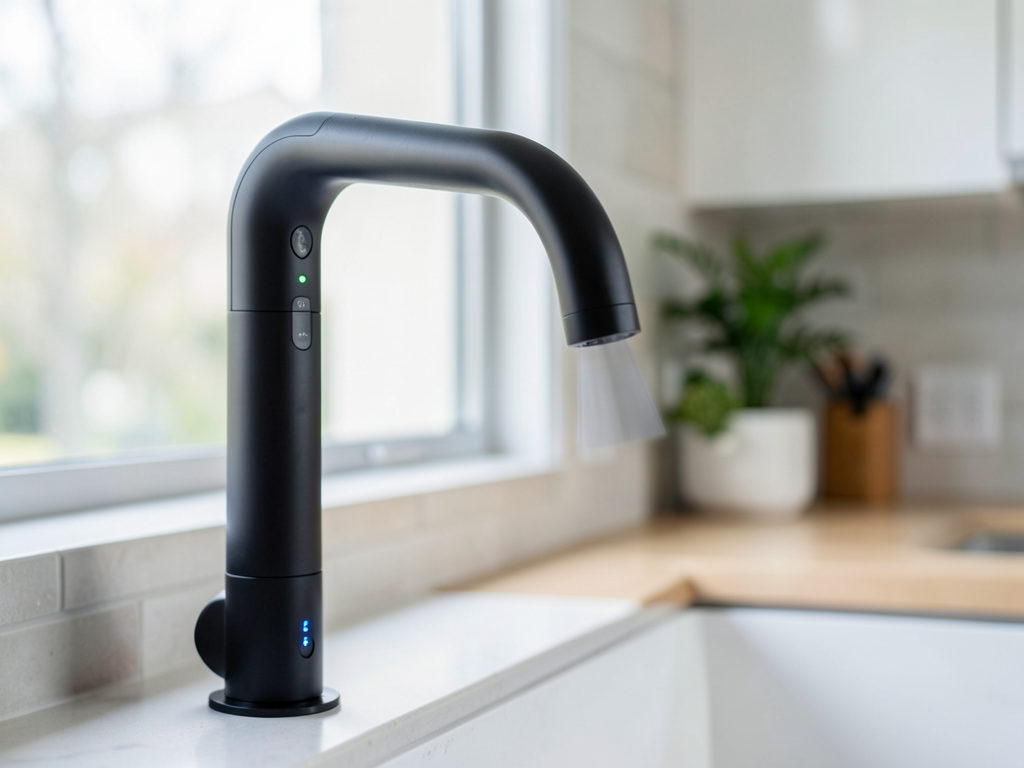
Is a Touchless Kitchen Faucet Actually Worth the Hassle for Your Montgomery Remodel?
Touchless kitchen faucets promise a cleaner, more modern cooking space but come with their own set of headaches. If you’re remodeling in Montgomery, the question isn’t just about convenience—it’s about whether Cincinnati’s hard water and your existing sink setup will make the upgrade worth the investment. Finding the Best Water Heater Replacement for Your West Chester House.
Before you spend $300 to $600 on a hands-free model, you need to know how Cincinnati’s moderately hard water affects sensor longevity, what power source works best for older homes, and whether the installation will require new plumbing or electrical work. Let’s break down the real-world performance so you can decide if touchless is right for your kitchen. Who to Call for an Emergency Plumbing Crisis in Downtown Cincinnati.
The Benefits of Going Hands-Free
Touchless faucets cut cross-contamination when handling raw meat or messy ingredients. A simple wave activates the water flow, keeping your hands clean and reducing the spread of bacteria. For families with young children or seniors with arthritis, the ease of use is a major advantage—no gripping or twisting required. Affordable Faucet and Sink Repairs for Families in Blue Ash.
Water conservation is another strong point. Most models include an automatic shut-off that stops flow after a few seconds of inactivity. Over a year, that can save hundreds of gallons, lowering your utility bill. Some Cincinnati homeowners report a 15 to 20 percent reduction in kitchen water use after switching to touchless. No Hot Water Diagnosis.
Modern touchless faucets also offer manual override. If the sensor fails or batteries die, you can still operate the faucet the traditional way. That backup feature means you’re never completely without water.
The Downside: What Salesmen Won’t Tell You
Battery life is the first hidden cost. Most units run on AA batteries that last six to twelve months, but heavy use in a busy household can drain them faster. Forgetting to replace them means a non-functioning faucet at the worst time.
Hard water in Cincinnati creates another problem. Mineral deposits can coat infrared sensors, causing erratic behavior or ghost activations. You might find the faucet turning on by itself or failing to respond. Cleaning the sensor with vinegar helps, but it’s an extra maintenance step many buyers overlook.
Installation complexity varies. If your sink lacks an existing power outlet under the counter, you’ll need an electrician to add one for a hardwired model. That can add $150 to $300 to your project cost. Even battery models require careful mounting to ensure the sensor aligns properly with your sink depth.
Cincinnati Specific Considerations: Hard Water & Sensors
Cincinnati’s water supply from the Greater Cincinnati Water Works measures about 7 to 9 grains per gallon of hardness. That level of mineral content is enough to cause scale buildup on faucet aerators and, more critically, on infrared sensors. Greater Cincinnati Water Works.
Over time, calcium and magnesium deposits can create a hazy film on the sensor lens. This reduces sensitivity, making the faucet slower to respond or causing it to misfire. In some cases, homeowners report the faucet turning on unexpectedly when steam or sunlight reflects off the mineral-coated lens. What to Expect During a Main Sewer Line Repair in Loveland.
To combat this, look for models with a self-cleaning or easy-to-remove sensor housing. Some manufacturers include a replaceable sensor cartridge that costs less than replacing the entire faucet. If you’re in an older Montgomery home with galvanized supply lines, consider having your plumber install a water softener or scale inhibitor to protect both the faucet and your other fixtures.
Top Touchless Brands for Cincinnati Homeowners
| Brand | Warranty | Power Source | Price Range |
|---|---|---|---|
| Moen MotionSense | 5 years | Battery or AC adapter | $350-$450 |
| Delta Touch2O | 5 years | Battery pack or AC | $300-$400 |
| Kohler Konnect | 5 years | Hardwired (GFI required) | $400-$600 |
Moen’s MotionSense models are popular in Montgomery for their reliable sensor range and easy battery replacement. Delta’s Touch2O offers a hybrid touch-and-wave system, useful if you want manual control without moving the handle. Kohler’s Konnect line provides the most advanced features but requires a dedicated GFI outlet under the sink, which may mean additional electrical work in older homes.
Installation and Maintenance Tips
- Check your sink’s existing hole configuration. Most touchless faucets need a single hole, but some require an extra hole for the control box. If your current faucet uses a three-hole setup, you’ll need a deck plate or new countertop drilling.
- Test water pressure before installation. Touchless faucets typically require 20 to 125 PSI. Low pressure can cause weak flow, while high pressure may damage internal components.
- Install a surge protector if you choose a hardwired model. Cincinnati’s occasional summer thunderstorms can cause voltage spikes that harm sensitive electronics.
- Clean the sensor lens monthly with a soft cloth and vinegar solution to prevent mineral buildup. Avoid abrasive cleaners that can scratch the lens.
- Keep spare batteries on hand. Even if you install an AC adapter, a power outage will leave you without water unless you have a battery backup.
Is It Worth It for Your Montgomery Remodel?
If your remodel budget allows and you value hygiene and convenience, a touchless faucet can be a smart upgrade. The key is choosing a model suited to Cincinnati’s water conditions and ensuring proper installation.. Read more about Why Blue Ash Families are Choosing Under-Sink Reverse Osmosis Systems for Drinking Water.
For homes with very hard water or limited under-sink power access, a high-quality manual faucet with a pull-down sprayer might offer better long-term reliability. If you do go touchless, plan for occasional sensor cleaning and battery replacement as part of your routine maintenance.
Ultimately, the decision comes down to your priorities: the wow factor and ease of a hands-free kitchen versus the potential for sensor glitches and added upkeep. Either way, professional installation ensures your new faucet works correctly from day one.
Frequently Asked Questions
Do touchless faucets work with well water?
Yes, but well water often contains more sediment and minerals than city water. Installing a sediment filter before the faucet can prevent clogging and sensor issues.
How long do batteries typically last?
Most AA battery packs last six to twelve months. Heavy use or cold temperatures can shorten lifespan. Lithium batteries tend to last longer than alkaline.
Can I install a touchless faucet myself?
Basic models with battery power can be DIY-friendly if you’re comfortable with simple plumbing. Hardwired units require both plumbing and electrical work, so professional installation is recommended.
What happens if the sensor fails?
Most touchless faucets include a manual override. You can still use the handle to control water flow until the sensor is repaired or replaced. EPA WaterSense.
Are touchless faucets more prone to leaks?
Not inherently. Quality models have the same internal seals as manual faucets. Leaks usually result from improper installation or worn components, not the touchless feature itself.
Call a Cincinnati Plumber You Can Trust
Installing a touchless faucet involves more than swapping out hardware. From checking water pressure to ensuring proper sensor alignment, small mistakes can lead to big headaches. If you’re in Montgomery or anywhere in Greater Cincinnati, call (513) 717-2899 for professional installation that gets it right the first time. Don’t let sensor glitches or hard water ruin your kitchen upgrade—get expert help today.
You may also find this helpful. How Hard is it to Move Your Laundry Room to the Second Floor in Pleasant Ridge?.
You may also find this helpful. Why Your Mariemont Pipes Vibrate Every Time the Dishwasher Runs.
{
“@context”: “https://schema.org”,
“@type”: “BlogPosting”,
“headline”: “Is a Touchless Kitchen Faucet Actually Worth the Hassle for Your Montgomery Remodel?”,
“description”: “Cincinnati plumber weighs touchless kitchen faucet pros and cons. Learn how hard water affects sensors and when to call (513) 717-2899 for installation.”,
“wordCount”: 1211,
“datePublished”: “2026-04-26T06:17:00.000Z”,
“dateModified”: “2026-04-26T06:17:00.000Z”,
“inLanguage”: “en-US”,
“mainEntityOfPage”: {
“@type”: “WebPage”,
“@id”: “https://keystoneplumbingcincinnati.com”
},
“publisher”: {
“@type”: “LocalBusiness”,
“name”: “Keystone Plumbing Cincinnati”,
“url”: “https://keystoneplumbingcincinnati.com”
},
“author”: {
“@type”: “Organization”,
“name”: “Keystone Plumbing Cincinnati”,
“url”: “https://keystoneplumbingcincinnati.com”
},
“image”: {
“@type”: “ImageObject”,
“url”: “https://keystoneplumbingcincinnati.com/wp-content/uploads/2026/03/is-a-touchless-kitchen-faucet-actually-worth-the-h-1.png”
}
}
{
“@context”: “https://schema.org”,
“@type”: “Plumber”,
“name”: “Keystone Plumbing Cincinnati”,
“url”: “https://keystoneplumbingcincinnati.com”,
“address”: {
“@type”: “PostalAddress”,
“addressLocality”: “Cincinnati”
},
“areaServed”: {
“@type”: “City”,
“name”: “Cincinnati”
}
}
{
“@context”: “https://schema.org”,
“@type”: “FAQPage”,
“mainEntity”: [
{
“@type”: “Question”,
“name”: “Is It Worth It for Your Montgomery Remodel?”,
“acceptedAnswer”: {
“@type”: “Answer”,
“text”: “If your remodel budget allows and you value hygiene and convenience, a touchless faucet can be a smart upgrade. The key is choosing a model suited to Cincinnati’s water conditions and ensuring proper installation.”
}
},
{
“@type”: “Question”,
“name”: “Do touchless faucets work with well water?”,
“acceptedAnswer”: {
“@type”: “Answer”,
“text”: “Yes, but well water often contains more sediment and minerals than city water. Installing a sediment filter before the faucet can prevent clogging and sensor issues.”
}
},
{
“@type”: “Question”,
“name”: “How long do batteries typically last?”,
“acceptedAnswer”: {
“@type”: “Answer”,
“text”: “Most AA battery packs last six to twelve months. Heavy use or cold temperatures can shorten lifespan. Lithium batteries tend to last longer than alkaline.”
}
},
{
“@type”: “Question”,
“name”: “Can I install a touchless faucet myself?”,
“acceptedAnswer”: {
“@type”: “Answer”,
“text”: “Basic models with battery power can be DIY-friendly if you’re comfortable with simple plumbing. Hardwired units require both plumbing and electrical work, so professional installation is recommended.”
}
},
{
“@type”: “Question”,
“name”: “What happens if the sensor fails?”,
“acceptedAnswer”: {
“@type”: “Answer”,
“text”: “Most touchless faucets include a manual override. You can still use the handle to control water flow until the sensor is repaired or replaced. EPA WaterSense.”
}
},
{
“@type”: “Question”,
“name”: “Are touchless faucets more prone to leaks?”,
“acceptedAnswer”: {
“@type”: “Answer”,
“text”: “Not inherently. Quality models have the same internal seals as manual faucets. Leaks usually result from improper installation or worn components, not the touchless feature itself.”
}
}
]
}
{
“@context”: “https://schema.org”,
“@type”: “BreadcrumbList”,
“itemListElement”: [
{
“@type”: “ListItem”,
“position”: 1,
“name”: “Home”,
“item”: “https://keystoneplumbingcincinnati.com”
},
{
“@type”: “ListItem”,
“position”: 2,
“name”: “Blog”,
“item”: “https://keystoneplumbingcincinnati.com/blog”
},
{
“@type”: “ListItem”,
“position”: 3,
“name”: “Is a Touchless Kitchen Faucet Actually Worth the Hassle for Your Montgomery Remodel?”
}
]
}
{
“@context”: “https://schema.org”,
“@type”: “Service”,
“serviceType”: “Plumbing”,
“provider”: {
“@type”: “LocalBusiness”,
“name”: “Keystone Plumbing Cincinnati”,
“url”: “https://keystoneplumbingcincinnati.com”
},
“areaServed”: {
“@type”: “City”,
“name”: “Cincinnati”
},
“description”: “Cincinnati plumber weighs touchless kitchen faucet pros and cons. Learn how hard water affects sensors and when to call (513) 717-2899 for installation.”
}